
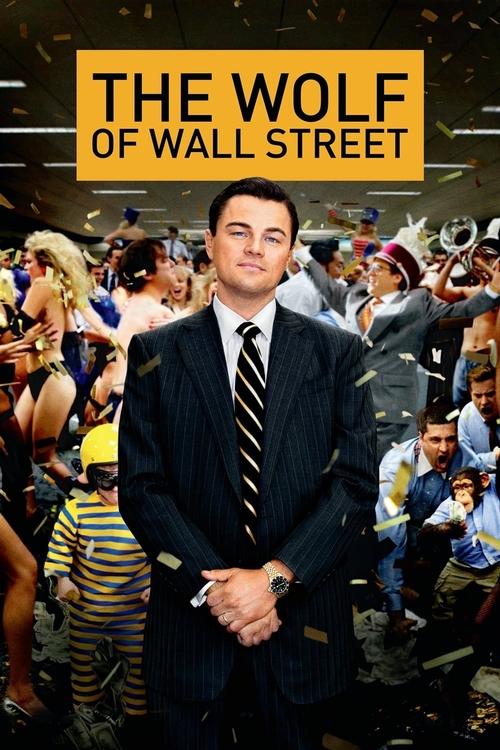
The Wolf of Wall Street (2013)
Directed by Martin Scorsese
A New York stockbroker refuses to cooperate in a large securities fraud case involving corruption on Wall Street, corporate banking world and mob infiltration. Based on Jordan Belfort's autobiography.
67 connections found
View:
67 films that influenced The Wolf of Wall Street
What critics say influenced The Wolf of Wall Street



His financial wrongdoing — selling worthless penny stocks for outrageous fees (his early misdeeds inspired the 2000 film Boiler Room ) and later manipulating IPOs to earn himself millions — is barely distinguishable from the supposedly legitimate business of high finance, and only shades of nuance render it illegal.
Jordan Belfort's story inspired the indie film Boiler Room in 2000.
Still, considering how familiar this milieu of fast-talking, hard-selling hucksters is from the likes of “Wall Street,” “American Psycho,” “Boiler Room” (which was also inspired by the Belfort case) and “Glengarry Glen Ross,” it’s surprising how lively Scorsese manages to keep things throughout.
As such, there are no big themes here beyond the "greed is bad" credo we've seen in everything from Erich von Stroheim's 1924 silent film Greed to recent Wall Street swipes such as Boiler Room (also based on Belfort's life) to Margin Call.
Exposing the nefarious side of the financial industry isn't anything new -- we've seen it in films from "Wall Street" to "Boiler Room" (also inspired by Belfort's story) to "Margin Call" -- but never have the excesses been this excessive.
This type of territory has certainly been covered before in films like 2000’s Boiler Room (also influenced by Belfort’s story) and even 2011’s Margin Call , but never with such gusto and reckless abandonment.
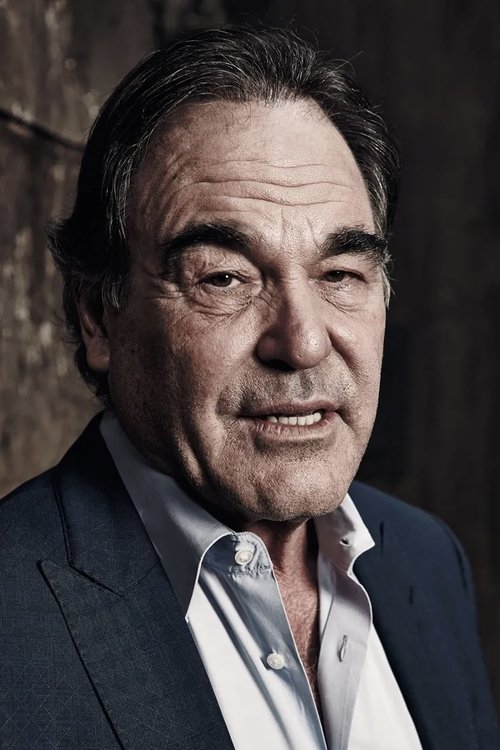
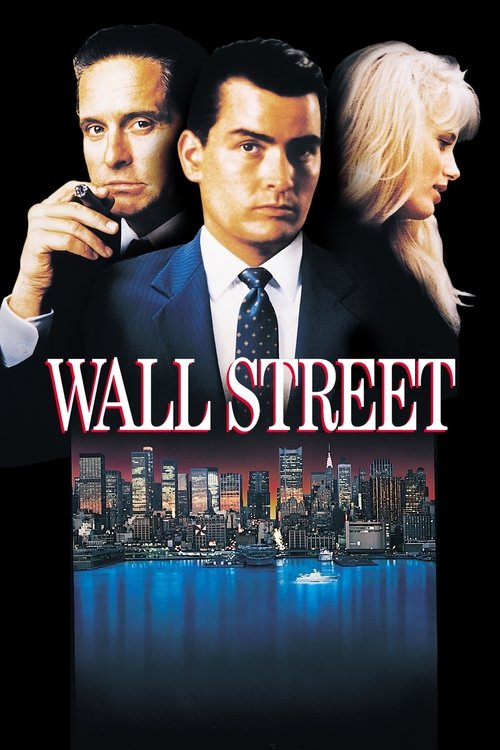
The film doesn't exactly advance the social and financial discussions of Oliver Stone's "Wall Street" or its many copycats that detach success from emotions.
Michael Douglas often tells the story of how young stockbrokers would approach him and say that his Wall Street corporate raider Gordon Gekko inspired them to go into finance.
For example, while the Gordon Gekko character didn't abandon his "greed is good" mantra in "Wall Street," his young protégé (played by Charlie Sheen) clearly did.
But this isn’t Oliver Stone’s preachy, good-man-falls-far opera “Wall Street.”
The orgiastic display makes Oliver Stone’s “Wall Street” look downright minimalist.
Like Oliver Stone’s “Wall Street,” which gets a shout-out (as does “Freaks”), Scorsese exposes an American institution as a den of thieves.
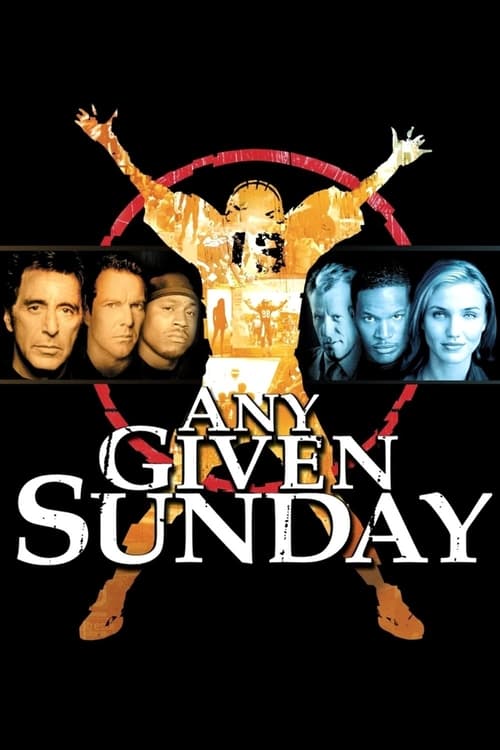
DiCaprio is a mesmerizingly over-the-top slice of ham—part motivational speaker (think Tom Cruise in Magnolia ), part football coach (think Al Pacino in Any Given Sunday ), and all sleaze.
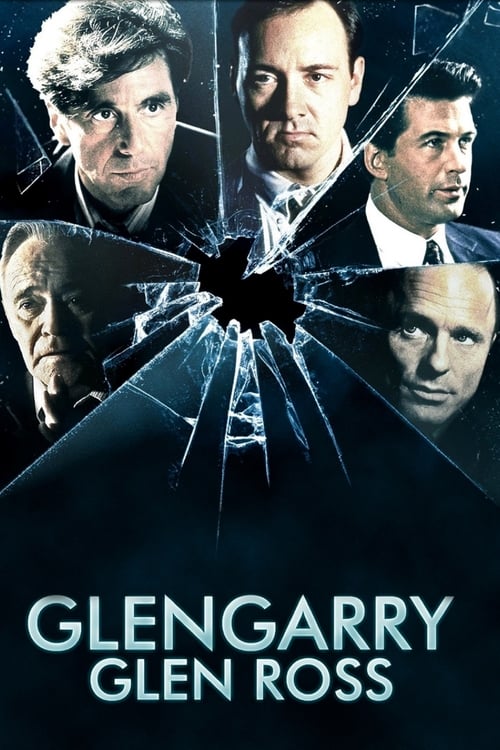
These are reminiscent of Alec Baldwin's scathing monologue at the beginning of Glengarry Glen Ross but, instead of galvanizing an audience for ten minutes, DiCaprio does it for three hours.
Still, considering how familiar this milieu of fast-talking, hard-selling hucksters is from the likes of “Wall Street,” “American Psycho,” “Boiler Room” (which was also inspired by the Belfort case) and “Glengarry Glen Ross,” it’s surprising how lively Scorsese manages to keep things throughout.
Natural comparisons will fly to Oliver Stone’s Wall Street, which is accurate, but you can see subtle hints of films like Trading Places, Glengarry Glen Ross, and even American Psycho at times.
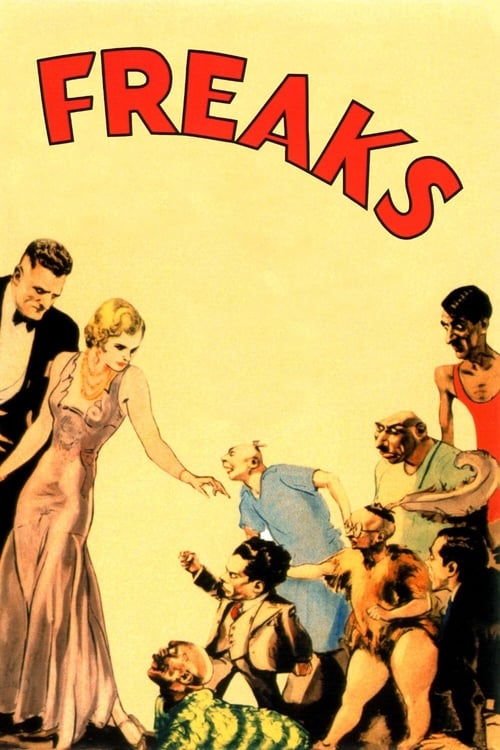
Oompa-Loompas -- the dwarfish assistants of Willy Wonka -- are name-dropped, and at one point Belfort and his board members break into a chant of "Gooble-gobble, we accept you, one of us," from Tod Browning's "Freaks."
There are witty references, too, to The Equalizer, Tod Browning’s Freaks, and Benihana.
Advertisement
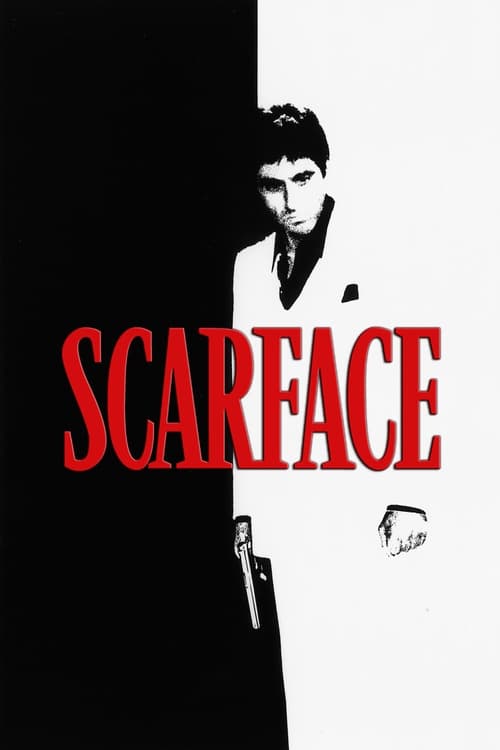
The couple's relationship is roughly parallel to that of Michelle Pfeiffer and Al Pacino in "Scarface," and even viewers tolerant of most of Belfort's high jinks are likely to blanch at the broker's treatment of Naomi near the end of the film.
Some have already favorably compared this with Brian De Palma's Scarface, in that it invites us to revel in its characters' amorality from a safe distance, and at epic length.
This is the most drug-obsessed Hollywood movie I’ve seen since Brian De Palma’s notorious “Scarface’’ 30 years ago.
I think he might be on to something, though, because the immediate comparison that came to mind while taking in this ambitious modern parable about the vagaries of greed was to Brian De Palma's "Scarface."
Leading up to its Christmas release, “The Wolf of Wall Street” — which follows the true-life tale of ’90s stockbroker crook Jordan Belfort and, rather awesomely, feels like Martin Scorsese’s “Animal House” — drew comparisons to “Scarface,” Brian De Palma’s 1983 remake of Howard Hawks’ 1932 film, which follows a fictionalized Cuban drug lord named Tony Montana over a very similar rise and fall.
Playing out like a demented meld of Glengarry Glen Ross, Caligula, Animal House, The Great Gatsby, and Scarface, Martin Scorsese’s The Wolf Of Wall Street is an epic ode to the joys and dangers of deliriously bad behaviour.
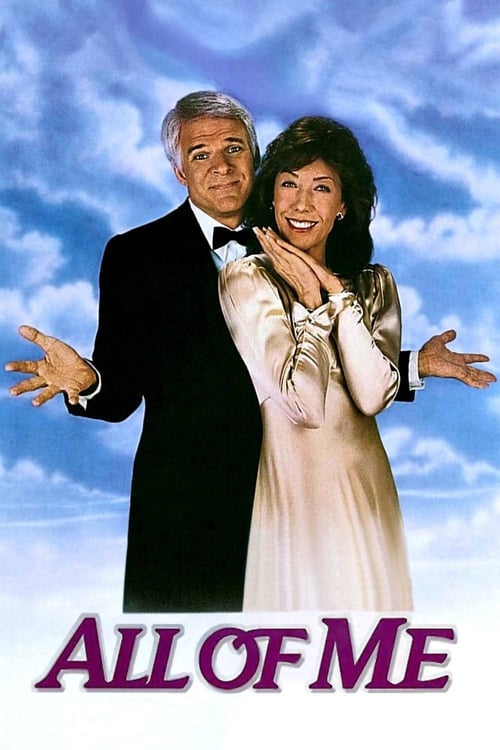
I don’t think I’ve seen an actor go through such elaborate physical contortions in portraying a man with limited control over his motor functions since Steve Martin in “All of Me.” Also turning in an extraordinary performance is Hill, seemingly borrowing Stanley Tucci ‘s veneers from the “Hunger Games” movies, as DiCaprio’s faithful sidekick.
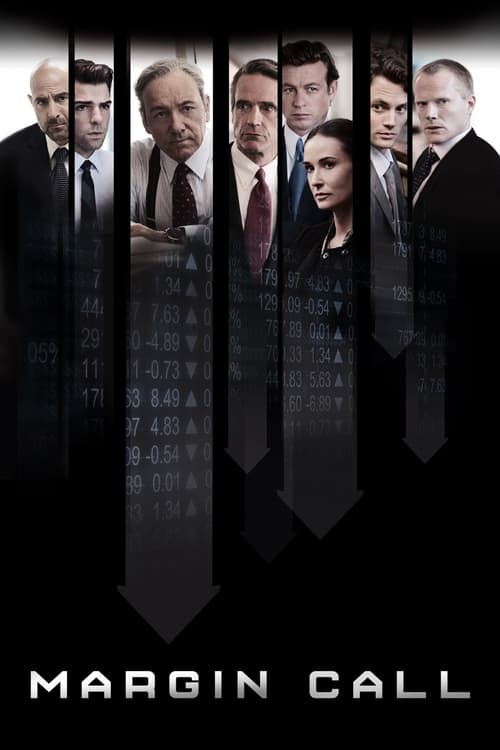
As such, there are no big themes here beyond the "greed is bad" credo we've seen in everything from Erich von Stroheim's 1924 silent film Greed to recent Wall Street swipes such as Boiler Room (also based on Belfort's life) to Margin Call.
Exposing the nefarious side of the financial industry isn't anything new -- we've seen it in films from "Wall Street" to "Boiler Room" (also inspired by Belfort's story) to "Margin Call" -- but never have the excesses been this excessive.
Still, this bawdy mess of a movie is far preferable to 2011’s stupefyingly adored Margin Call, in which the 2008 financial freak-out is recast as a white-collar weepie.
This type of territory has certainly been covered before in films like 2000’s Boiler Room (also influenced by Belfort’s story) and even 2011’s Margin Call , but never with such gusto and reckless abandonment.
Of course, when one treads the subject of the stock market in a movie, one immediately thinks that ground has been well covered with the likes of Oliver Stone’s “Wall Street” and its sequel or smaller films like “Margin Call” and “Boiler Room,” but “The Wolf of Wall Street” proves there’s still a lot more stories to tell.
There have been films and TV shows as different as Boiler Room, Margin Call, Arbitrage, Damages, and Woody Allen's Blue Jasmine, in which a woman's Madoff-like husband ruins her family's life.
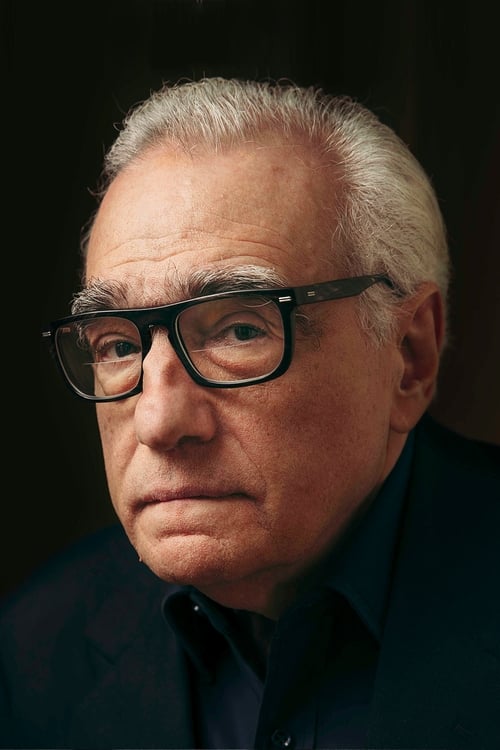
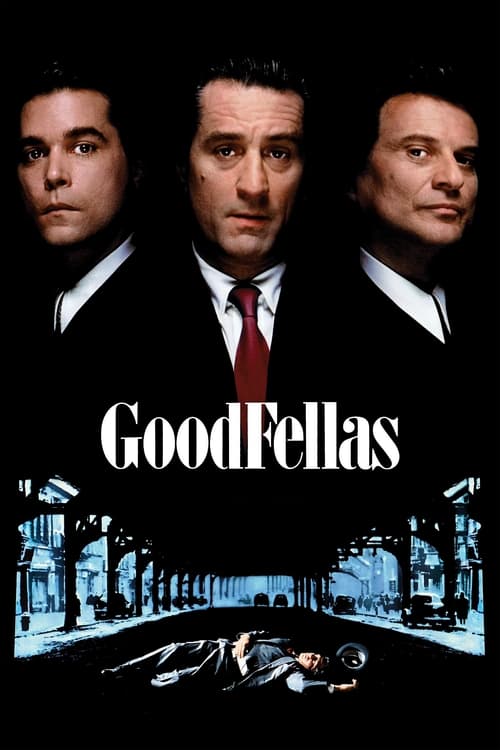
As he did in the fact-based gangster drama "GoodFellas," Scorsese sucks us into this world by using his lead character to seduce us.
Like Scorsese's After Hours, it's absurdly funny, though more akin to Goodfellas in substance and structure.
Aficionados of the filmmaker will follow the scent from “The Color of Money” to “Goodfellas” to “Casino” to here, but this dark comedy almost never shows a victim.
Belfort’s story is a rise and fall not unlike the one featured in another Scorsese saga, “GoodFellas,” but while it was only in that earlier film’s last act that the hero (and the movie itself) started pinging around on a cocaine high, the white powder appears visually (and narratively) at the beginning of “Wolf,” guiding both the characters and the storytelling pace into whiz-bang, teeth-grinding euphoria.
And they, instead, speak directly to us, Henry recalling the joy of being one of the "Goodfellas," Ace guiltlessly explaining the scams that made him millions off a "Casino," Frank lovingly describing the old neighborhood he runs in "The Departed."
"Wolf" shares its structure with Scorsese's 1990 mob masterpiece, "Goodfellas."
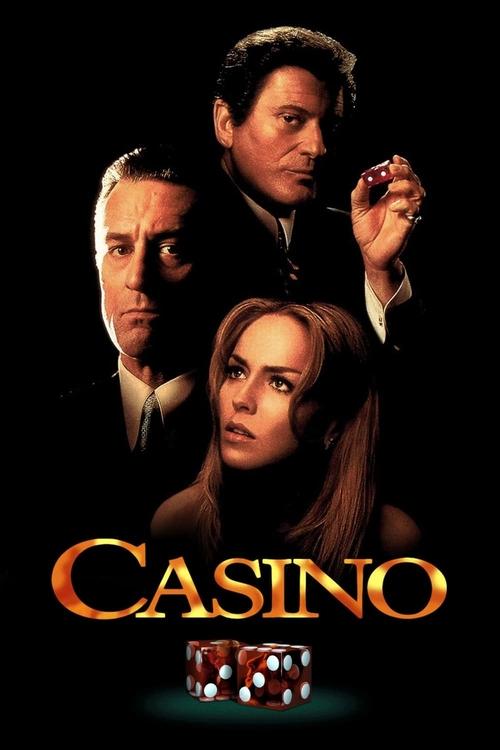
As in Goodfellas or Casino (each of which this recalls), Scorsese is chiefly fascinated by process—and specifically, the means by which money is first extracted from suckers, then moved through various stages to smarter, more ruthless hands; he lingers over shots of bundled C-notes, walks us through every stage of the transaction.
While the film may at first instance recall the likes of Casino and Goodfellas, it’s actually the much-maligned musical New York, New York that springs to mind as its most logical cousin.
Some may recall that he followed up Casino with Kundun, that he entered Merchant-Ivory territory with The Age of Innocence , or that he predated the Coen Brothers in surreal comedy with After Hours.
It is a sustained shock that a seventy-one-year-old filmmaker, even Martin-fucking-Scorsese (and dedicated editor Thelma Schoonmaker), can heighten the hyper character of a “Casino” or “Goodfellas” on a wholly other topic and surpass himself in vitality and insurgent hallucinogenic energy, and at a 179-minute duration that does not flag, laden with what feels like huge passages of inspired improvisation.
Watching “The Wolf of Wall Street,” I was instantly reminded of “Casino,” in which similar antics were on display, and sometimes in equal measure.
And they, instead, speak directly to us, Henry recalling the joy of being one of the "Goodfellas," Ace guiltlessly explaining the scams that made him millions off a "Casino," Frank lovingly describing the old neighborhood he runs in "The Departed."
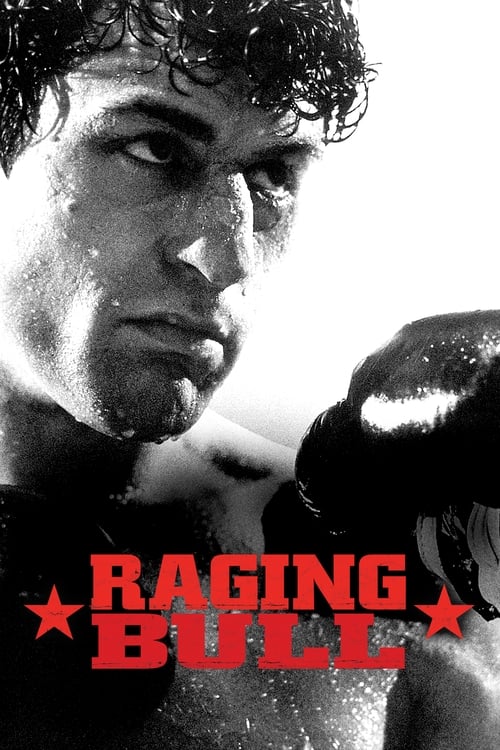
But when dealing with a production like "Grudge Match" — the "Rocky" vs. "Raging Bull" high concept production starring Sylvester Stallone and Robert De Niro — they come off as unexpected praise.
The wolf of the title, like Henry Hill in Goodfellas and Raging Bull ’s Jake LaMotta (or, for that matter, Hugo ’s Georges Méliès), is inspired by a figure too relentlessly self-mythologizing to invent: Jordan Belfort, the stock swindler who founded and ran the infamous “boiler room” firm Stratton Oakmont until 1998, when he was arrested and charged with over 10 counts of money-laundering and securities fraud.
Though "Raging Bull" must still go down as Martin Scorsese's greatest achievement, "The Wolf of Wall Street" makes the race for No. 2 a lot more interesting.
His most celebrated movies are Taxi Driver , Raging Bull , Goodfellas , and The Departed - all intense, uncompromising samples of cinema at its finest.
All that dough, drugs and dwarf-tossing is just incidental to the rough male bonding that has always been Scorsese’s favourite domain, from Mean Streets to Raging Bull to Goodfellas to Gangs of New York to The Departed.
But the entire movie feels manic and forced, as though Scorsese is straining to make the craziest, most over-the-top picture ever—as if he is determined, at seventy-one, to outdo his earlier triumphs, “Raging Bull” and “GoodFellas,” and to show that he’s still the king.
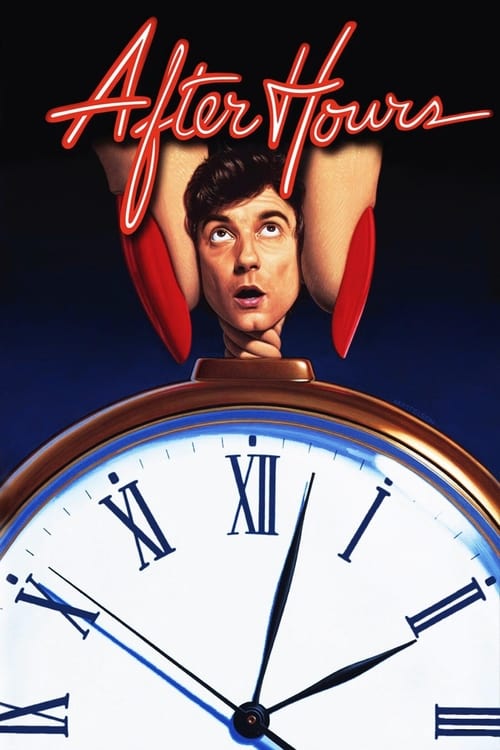
Like Scorsese's After Hours , it's absurdly funny, though more akin to Goodfellas in substance and structure.
Some may recall that he followed up Casino with Kundun, that he entered Merchant-Ivory territory with The Age of Innocence , or that he predated the Coen Brothers in surreal comedy with After Hours.
After Hours, like Scorsese’s much later The Wolf of Wall Street , mistakes comedic volume for genuine humor.
All that said, even in his autumn years, this director can still surprise, producing the closest thing to an all-out comedy since his deliriously twisted journey down the ‘80s rabbit hole, After Hours.
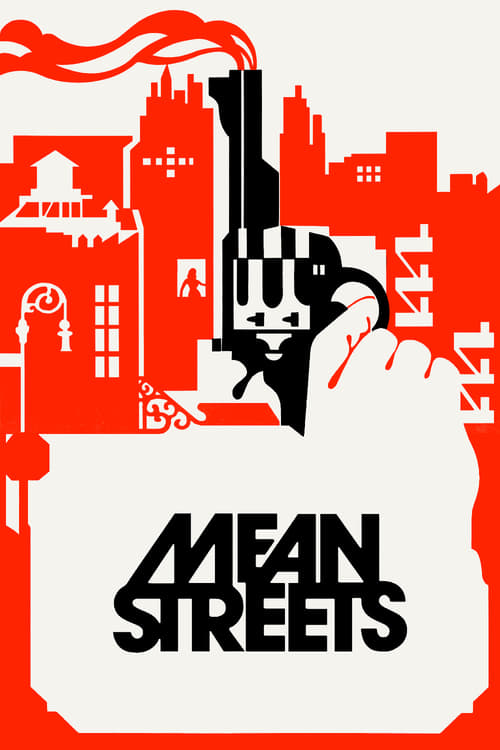
It lacks the dynamic emotional range of a “Mean Streets” or “Goodfellas,” or the intricate plotting of a “Casino,” and for all its amusing guest stars (Rob Reiner as Belfort’s combustible dad, Jean Dujardin as a pompous Swiss banker) and caper-like episodes, almost everything unfolds in the same manic register.
“ Goodfellas ,” a sprawling inquiry into how some men do business, is an obvious precedent, and so is “ Mean Streets ,” an intensive study of how some men get into trouble.
The Wolf of Wall Street is Martin Scorsese’s latest take on the American hoodlum, a species the filmmaker returns to time and again in films such as Mean Streets, GoodFellas, Casino, and Gangs of New York.
From Mean Streets to Wall Street, director Martin Scorsese is fascinated by clever, one-track-minded slimeballs.
All that dough, drugs and dwarf-tossing is just incidental to the rough male bonding that has always been Scorsese’s favourite domain, from Mean Streets to Raging Bull to Goodfellas to Gangs of New York to The Departed.
From Mean Streets in 1973 - a regular on "best movies ever" lists - through to his under-appreciated 2011 charmer Hugo, the Scorsese name has been a stamp of quality (with only a few mis-steps along the way) for 40 years.
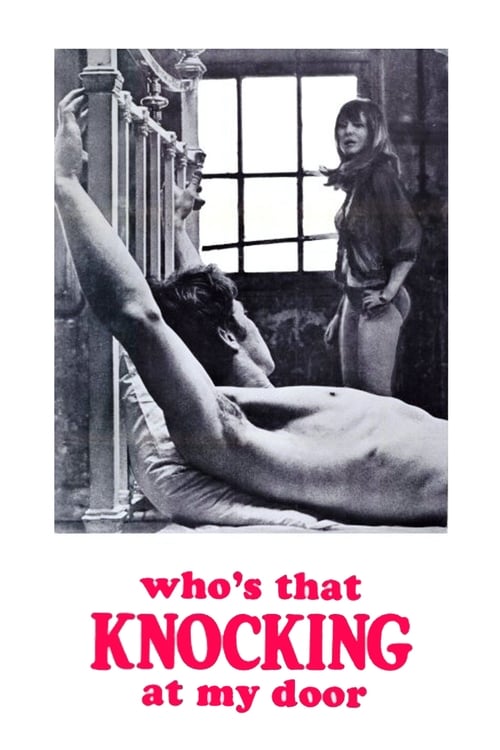
The scene recalls the slow-motion kitchen fight in Scorsese’s “Who’s That Knocking at My Door” (1967).
To reach as far back as the mostly unknowns of Who’s That Knocking at My Door would rather strongly argue for Scorsese as American cinema’s supreme orchestrator of ensembles, a title which Wolf’s structural and narrative patterns will both support and play against.
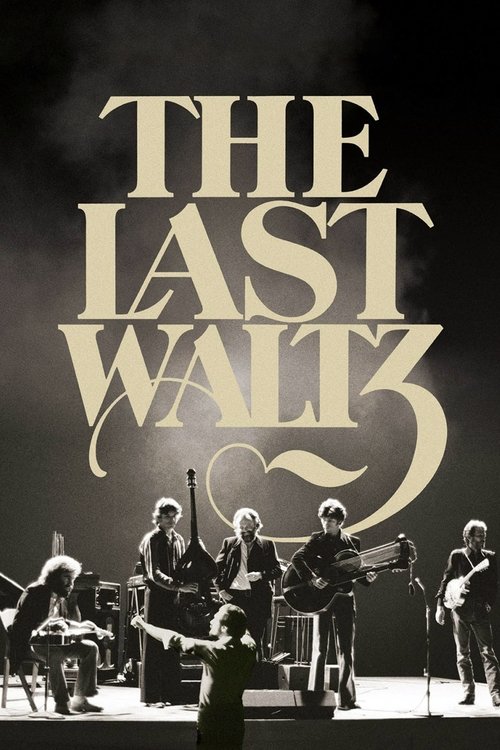
Alongside the wide-canvas American epics for which he’s best known—stories of men, often working-class, driven to corruption and worse by their monomaniacal desire for wealth, power and fame—there has been a parallel strand of films, from The Last Waltz to Hugo , dedicated to the art of performance, the magic of the movies, and the relationship between artist and audience.

While the film may at first instance recall the likes of Casino and Goodfellas, it’s actually the much-maligned musical New York, New York that springs to mind as its most logical cousin.

Some may recall that he followed up Casino with Kundun, that he entered Merchant-Ivory territory with The Age of Innocence , or that he predated the Coen Brothers in surreal comedy with After Hours.
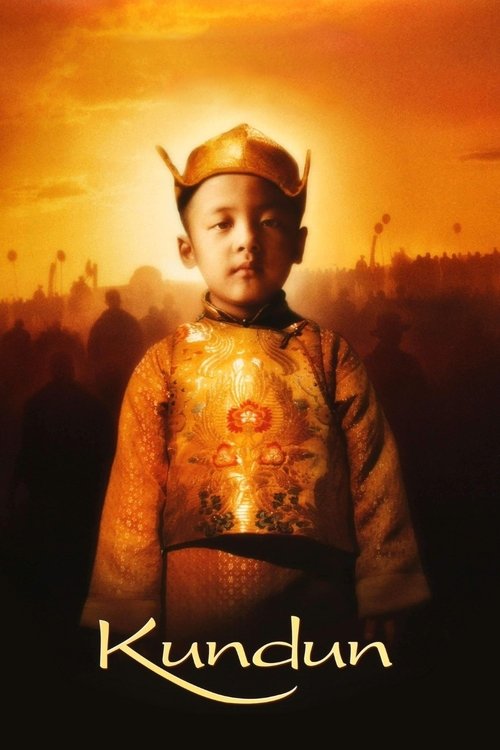
Some may recall that he followed up Casino with Kundun, that he entered Merchant-Ivory territory with The Age of Innocence , or that he predated the Coen Brothers in surreal comedy with After Hours.
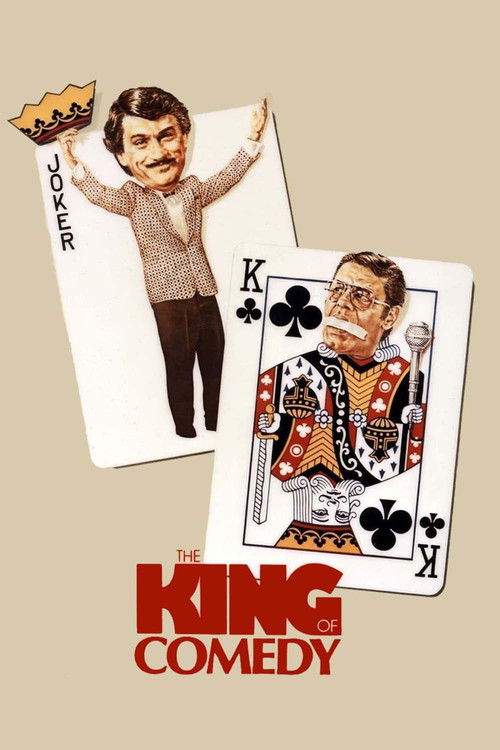
Could he make another Bringing Out the Dead or The King of Comedy?
By their fifth film together, they’d also decided it was time to diagnose a widespread social ill; the result was The King of Comedy, made in 1982 and prescient about the ballooning phenomenon of celebrity.
The two threads have met before, perhaps most notably in 1982’s brilliant The King of Comedy , but they’ve never been quite as entangled as they are in The Wolf of Wall Street , Scorsese’s 23rd narrative feature.
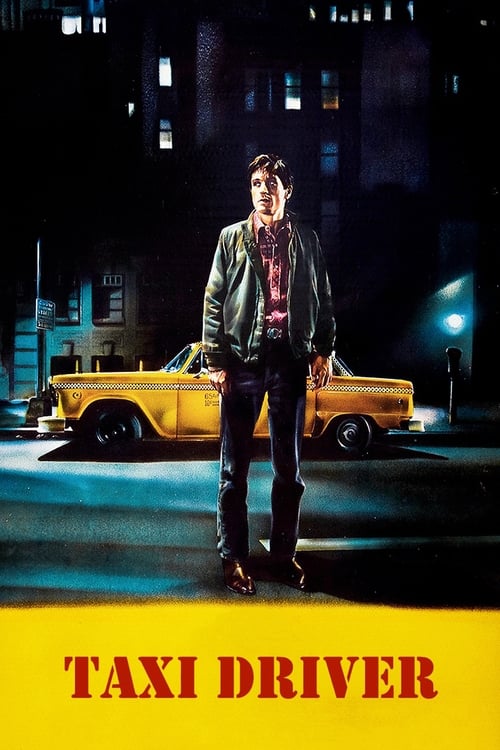
From “Taxi Driver” to “Goodfellas” to 2010’s underrated “Shutter Island,” he has given filmgoers some of the best and most memorable movies ever created.
His most celebrated movies are Taxi Driver , Raging Bull , Goodfellas , and The Departed - all intense, uncompromising samples of cinema at its finest.
Ordinarily so self-possessed in both conviction and aesthetic, the same man who made “Taxi Driver” and “The Departed” has revealed the most ambitious disappointment of his career here, a movie that plays less as an insightful critique and more as an exercise in indulgence.
Still, it is depressing to think we’ll never see anything that looks or feels as genuinely grimy as his troubling masterpiece Taxi Driver again.
It can be the subtlest tension between the filmmaker’s and characters’ points of view, as in Scorsese’s Taxi Driver, where we’re infected by Travis Bickle’s insanity but could also stand back from it, or GoodFellas, where the narrator’s newfound sense of power wasn’t enough to forestall the dread.
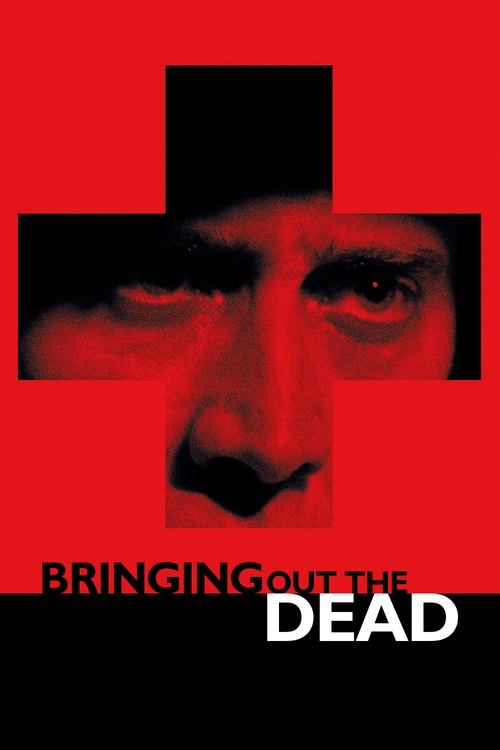
Could he make another Bringing Out the Dead or The King of Comedy?
Like some of Scorsese's other second-tier works — "Casino," "Bringing Out the Dead" — the gulf between virtuoso technical facility and impoverished material cannot be bridged.
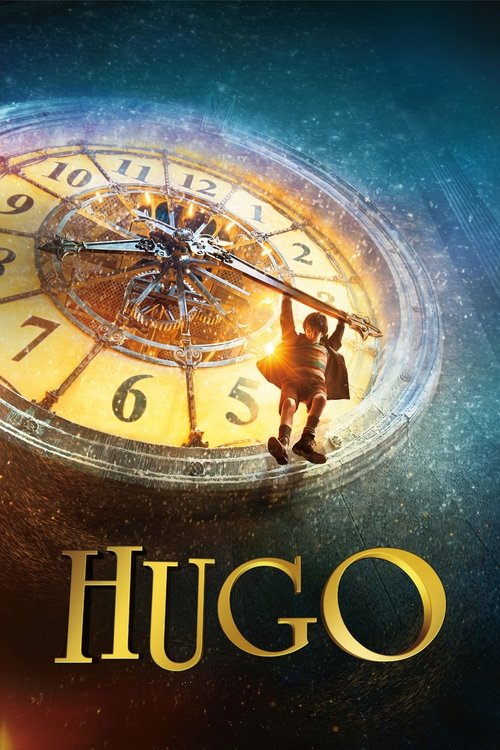
Alongside the wide-canvas American epics for which he’s best known—stories of men, often working-class, driven to corruption and worse by their monomaniacal desire for wealth, power and fame—there has been a parallel strand of films, from The Last Waltz to Hugo , dedicated to the art of performance, the magic of the movies, and the relationship between artist and audience.
Demonstrative of Martin Scorsese's breadth and abilities as one of the premier filmmakers of this or any generation, "The Wolf of Wall Street" is in nearly every imaginable way the polar opposite of his last film, 2011's chimerical period fantasy " Hugo ."
During the 23 years since the release of his iconic gangster film Goodfellas , director Martin Scorsese has given us many exceptional films -- Hugo , Shutter Island , The Departed , The Aviator , Gangs of New York , Casino , and Cape Fear .
As follow-up to the innocent whimsy of Hugo (2011), Martin Scorsese reverts to more familiar material, diving headfirst into the swirling debauchery of The Wolf of Wall Street, a maniacally compelling cautionary tale based on financial shark Jordan Belfort’s self-serving memoir about his decade-long stint as a high-flying con artist who bilked would-be investors out of tens of millions of dollars while financing his own depraved lifestyle of drugs, hookers, and excessive expenditures.
After the elegant artistry that marked “Hugo,” director Martin Scorsese goes decidedly low rent with “The Wolf of Wall Street,” a film that is purportedly based on a true story.
After the wonderful family film Hugo, Martin Scorsese returns to the adult world of cinema with his hardcore film, The Wolf of Wall Street.
Advertisement
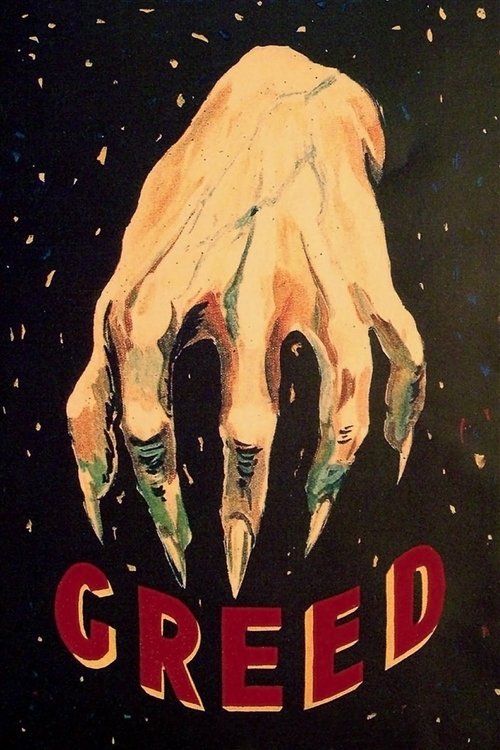
As such, there are no big themes here beyond the "greed is bad" credo we've seen in everything from Erich von Stroheim's 1924 silent film Greed to recent Wall Street swipes such as Boiler Room (also based on Belfort's life) to Margin Call.
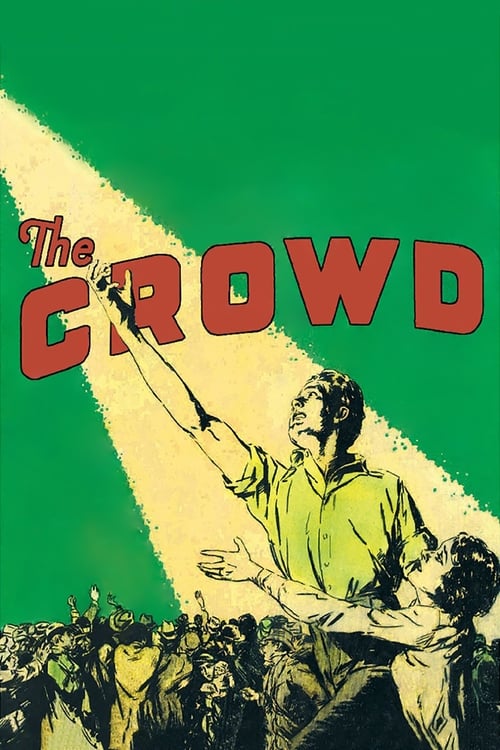
Because Scorsese has a mind full of movies, it’s possible to guess what he was thinking about at the end of The Wolf of Wall Street: the last shot in King Vidor’s 1928 The Crowd.