
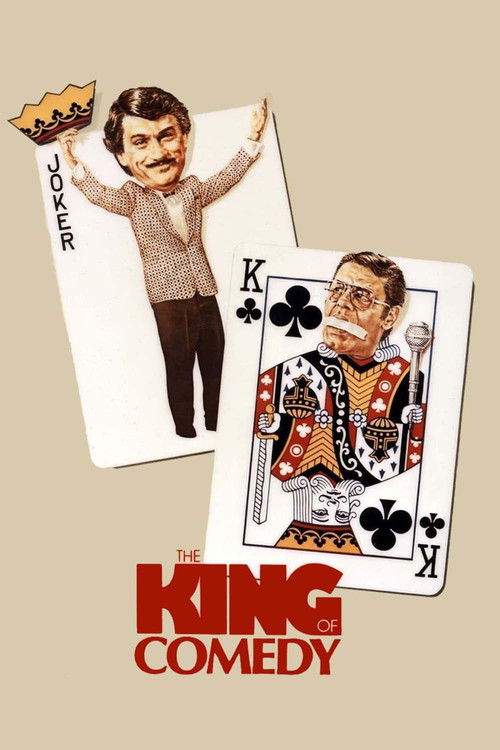
The King of Comedy (1982)
Directed by Martin Scorsese
Aspiring comic Rupert Pupkin attempts to achieve success in show business by stalking his idol, a late night talk-show host who craves his own privacy.
7 connections found
View:
7 films that influenced The King of Comedy
What critics say influenced The King of Comedy



This look is used throughout the film in order to depict Ruperts elaborate fantasy sequences, which are akin to John Schlesingers ( Billy Liar , Midnight Cowboy ) characters' aptly depicted, never tangential fantasy musings.
This look is used throughout the film in order to depict Ruperts elaborate fantasy sequences, which are akin to John Schlesingers ( Billy Liar , Midnight Cowboy ) characters' aptly depicted, never tangential fantasy musings.
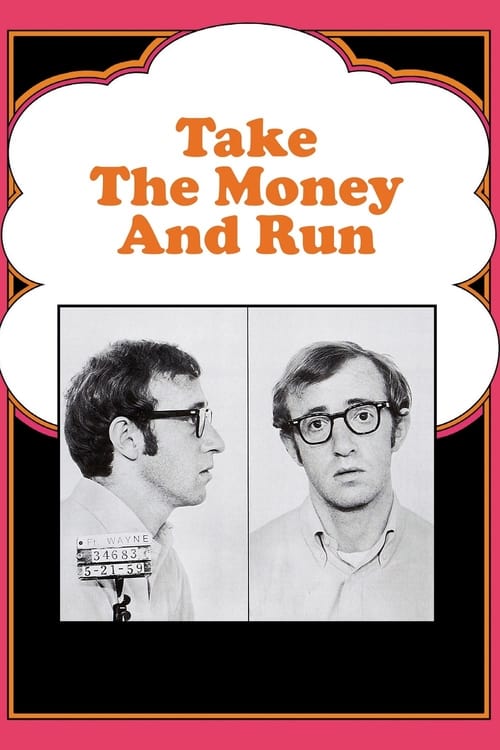
On paper, Paul D. Zimmerman's screenplay reads like Woody Allen in his "Take the Money and Run" period.
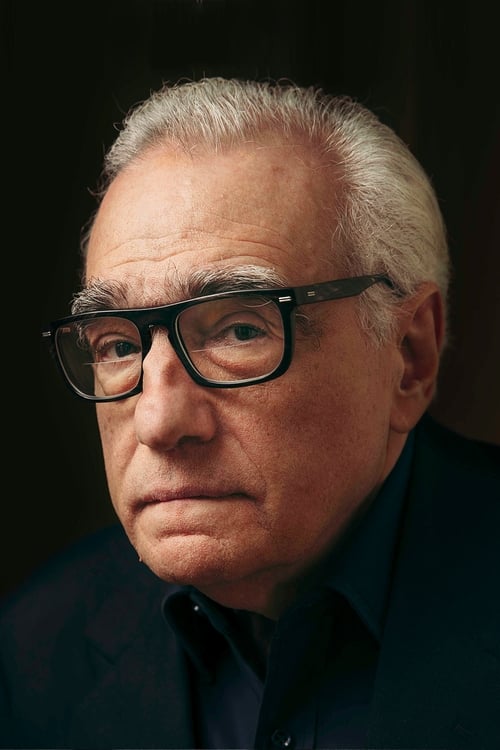
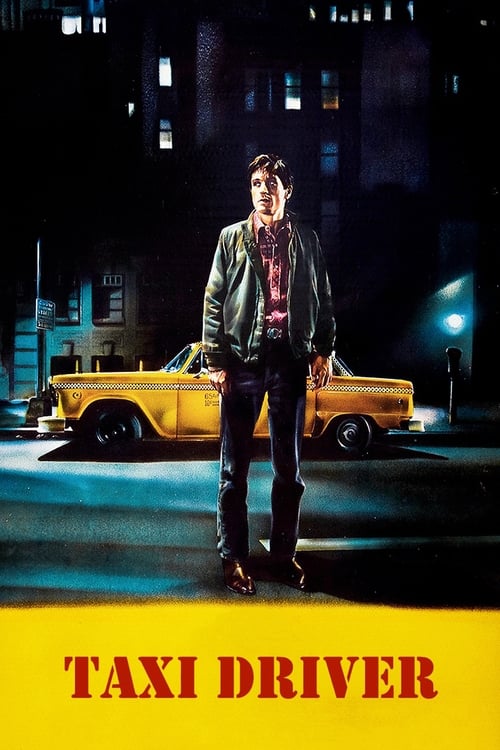
Whereas the film itself is all unexpected dimensions and unsettling excesses, with the ambiguous fulfilment of Pupkin's dream frighteningly echoing the news-headline coda of Taxi Driver.
Martin Scorsese and Robert De Niro form one of the most creative director-actor teams in American film history, having made half a dozen landmark works together, including “Mean Streets,””Taxi Driver” and “Raging Bull,” which form sort of a trilogy.
It's hard to believe Scorsese made it; instead of the big-city life, the violence and sexuality of his movies like " Taxi Driver " and " Mean Streets ," what we have here is an agonizing portrait of lonely, angry people with their emotions all tightly bottled up.
Which is a shame, because it's Scorsese's second greatest film, after "Taxi Driver."
Martin Scorsese's 1983 movie about an aspiring comic (Robert De Niro) who kidnaps a talk-show host (Jerry Lewis) is clearly an extension of Taxi Driver—both in its themes of obsession and its ambiguous stylistic mixture of fantasy and reality (it's impossible to tell where one ends and the other begins—my feeling is that the entire last half of the film takes place in the De Niro character's mind).
Certainly no one connected with Taxi Driver ever again reached such heights (or plumbed such depths), although Albert Brooks became a significant filmmaker in his own right, while Scorsese and De Niro would come close with Raging Bull and The King of Comedy?two movies that equal or surpass Taxi Driver in every way except as the embodiment of the historical spirit.
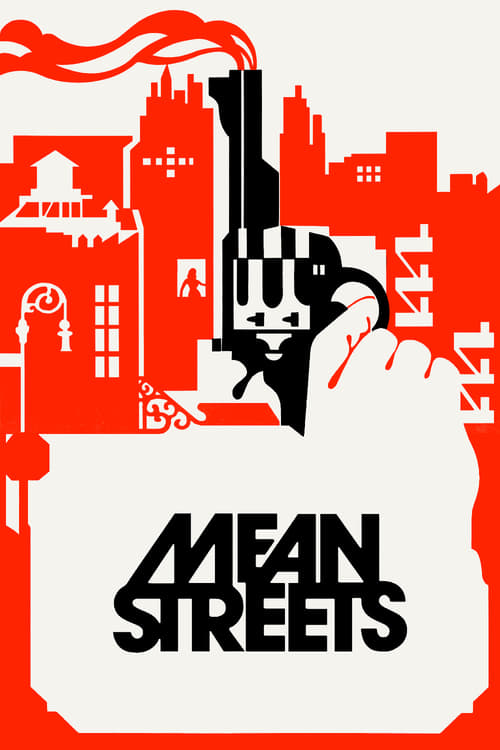
Martin Scorsese and Robert De Niro form one of the most creative director-actor teams in American film history, having made half a dozen landmark works together, including “Mean Streets,””Taxi Driver” and “Raging Bull,” which form sort of a trilogy.
It's hard to believe Scorsese made it; instead of the big-city life, the violence and sexuality of his movies like " Taxi Driver " and " Mean Streets ," what we have here is an agonizing portrait of lonely, angry people with their emotions all tightly bottled up.
While the filmmakers seem intent on playing it dumb, they must have undertaken this ill-advised variation on their previous gallery of outlaw personalities in "Mean Streets," "Taxi Driver," "New York, New York" and "Raging Bull" with some awareness of placing themselves in a precarious and possibly disgraceful position.
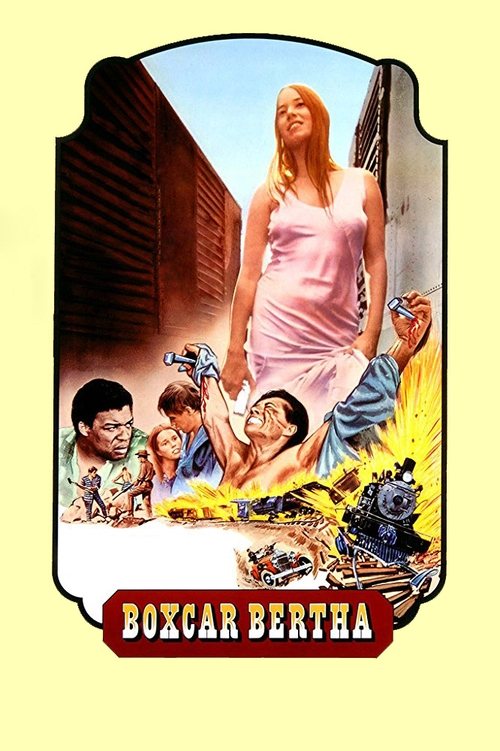
Then again, I still find it difficult to accept that Scorsese was also the director of that Depression-era disappointment, “Boxcar Bertha” (1972).
Boxcar Bertha's oppressively deliberate pace is exacerbated by Scorsese's loose, improvisational style (something undoubtedly dictated by the budget), which gives the film a fairly amateurish feel.
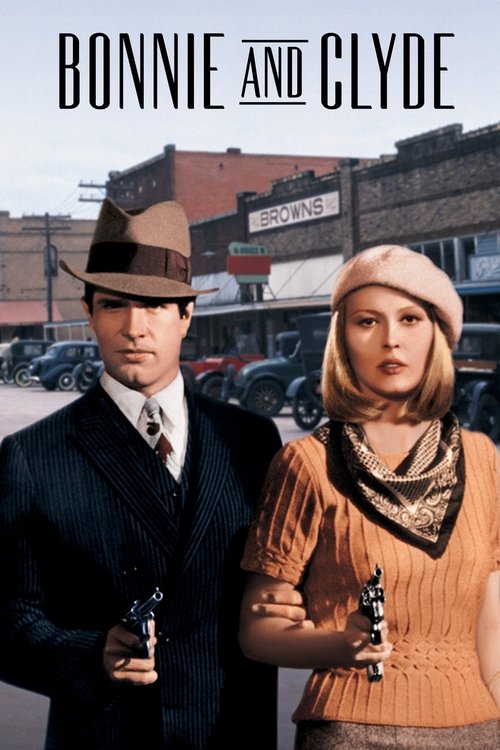
Naturally, the law eventually catches up to them (the film is an admitted ripoff of Bonnie and Clyde, after all).