
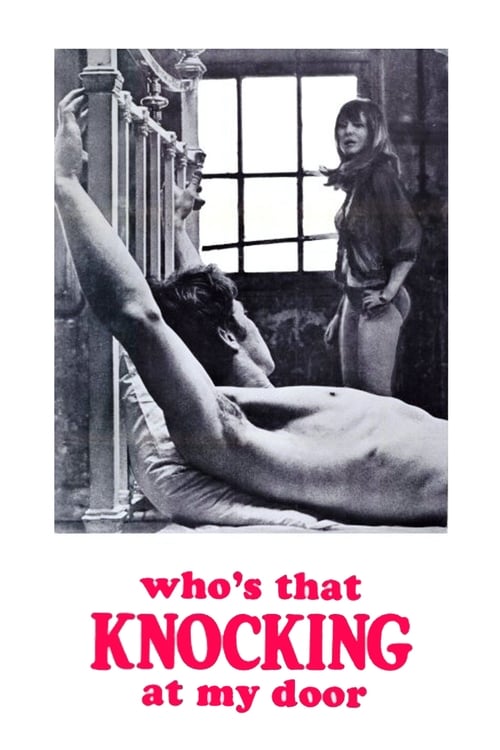
Who's That Knocking at My Door (1968)
Directed by Martin Scorsese
A Catholic New Yorker falls in love with a girl and wants to marry her, but he struggles to accept her past and what it means for their future.
7 connections found
View:
7 connections, in both directions
What critics compared Who's That Knocking at My Door to



It’s like he took the sex and Catholic guilt tropes that fueled Martin Scorsese’s Who’s That Knocking at My Door (1968) and discarded the guilt.

With this kind of lo-fi veracity, the obvious touchstone might be Larry Clark’s Kids , but mid90s has more the feel of early Scorsese — chiefly Who’s That Knocking At My Door — a loosely plotted, character-driven piece that documents the rites of passage and rituals of teenage LA life circa 1995.

It’s lovely that Kelsey gets the requisite ferry scene, briefly linking “The King of Staten Island” to a cinematic tradition that includes Martin Scorsese’s “Who’s That Knocking at My Door” and Mike Nichols’ “Working Girl.”

Director
Martin Scorsese
Critics compare Who's That Knocking at My Door to 4 of Scorsese’s own films.
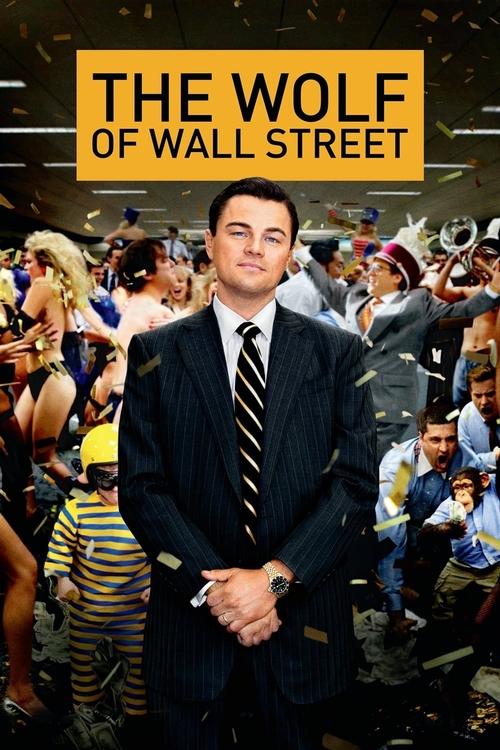
The scene recalls the slow-motion kitchen fight in Scorsese’s “Who’s That Knocking at My Door” (1967).
To reach as far back as the mostly unknowns of Who’s That Knocking at My Door would rather strongly argue for Scorsese as American cinema’s supreme orchestrator of ensembles, a title which Wolf’s structural and narrative patterns will both support and play against.
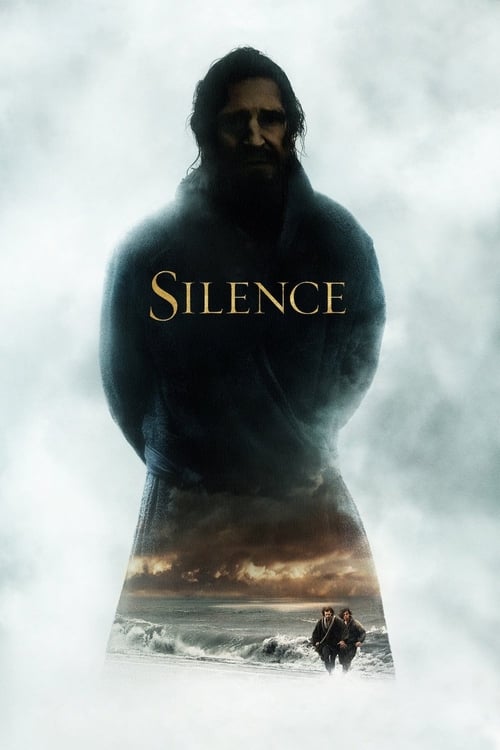
Scorsese has been wrestling with the demands of religious faith ever since his 1967 debut, “Who’s That Knocking at My Door,” in which Harvey Keitel played a young New Yorker burdened by Catholic guilt.
Beginning with his first picture, 1967's Who's That Knocking at My Door, Martin Scorsese has often employed cinema as a reflection on his own experiences and beliefs regarding religion.
From 1967’s Who’s That Knocking At My Door to now, Scorsese, a failed priest, has conducted a 50-year investigation into how spiritual feeling butts up against the flesh and blood world.

As for Scorsese, if you want to experience this director when he was emotionally connected to his work, get hold of his superb 1967 feature debut, Who's that Knocking at My Door .
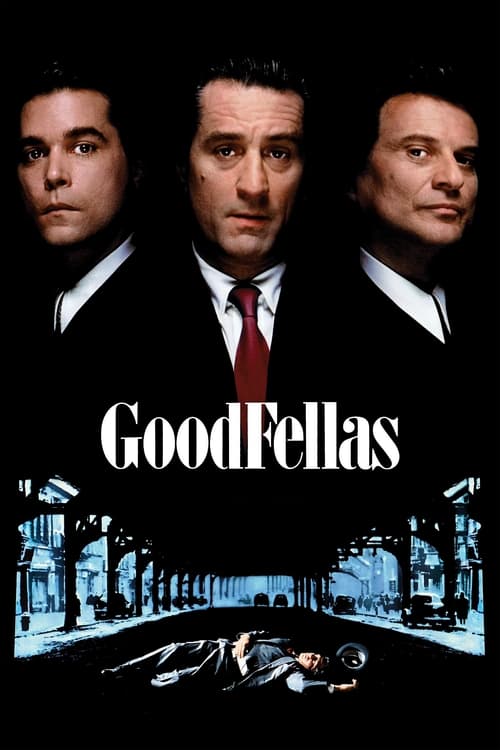
And in a way, Mean Streets was an expansion of his 1967 debut feature Who’s That Knocking At My Door, where the criminal milieu was merely implied.