

New York, New York (1977)
Directed by Martin Scorsese
An egotistical saxophone player and a young singer meet on V-J Day and embark upon a strained and rocky romance, even as their careers begin a long uphill climb.
11 connections found
View:
11 films that influenced New York, New York
What critics say influenced New York, New York



In 1981, it was re-released at 163 minutes with added footage for Minnelli’s “Happy Endings” number, which is supposed to be the movie that makes Francine a star and has the same “more is more” effect of the “Born in a Trunk” number sandwiched into George Cukor’s not-dissimilar A Star is Born (1954).
On an emotional level, the film is a powerhouse, offering some of the most convincingly painful rows ever shot; as a depiction of changes in American music and the entertainment world, it is accurate and evocative; and as a commentary on showbiz films, it's a stunner, sounding echoes of Minnelli's own mother's movies and career (particularly A Star Is Born) as well as other classics like On the Town and the first A Star Is Born (in which Stander also appeared).
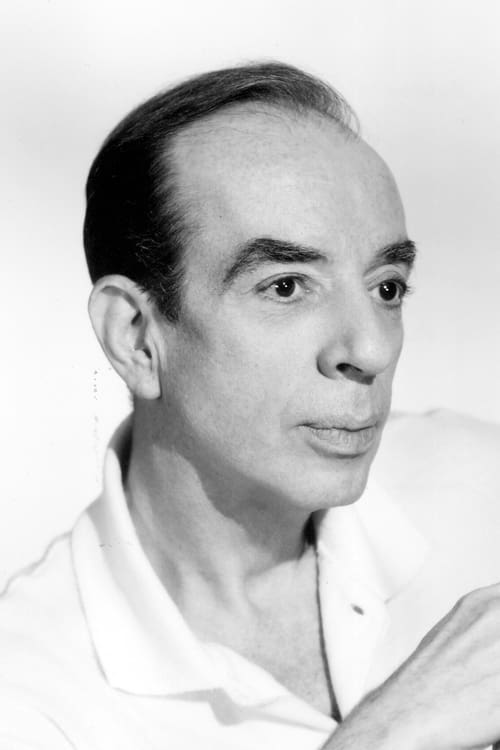
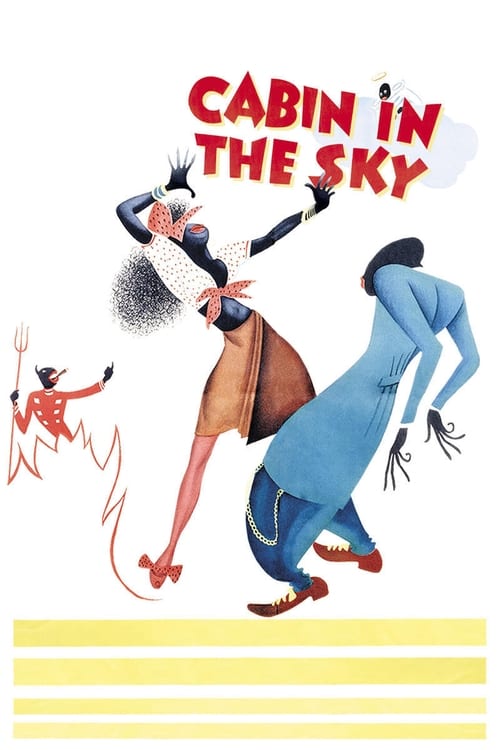
The improv between the actors wobbles in the scene where Jimmy proposes to Francine, but the tension between them suddenly clarifies in a short rehearsal scene where the now-married couple fights for dominance of the band as she tries to sing “Taking a Chance on Love” (which is the theme song of Cabin in the Sky [1943], the debut movie of Minnelli’s father Vincente, one of Scorsese’s filmmaking heroes).
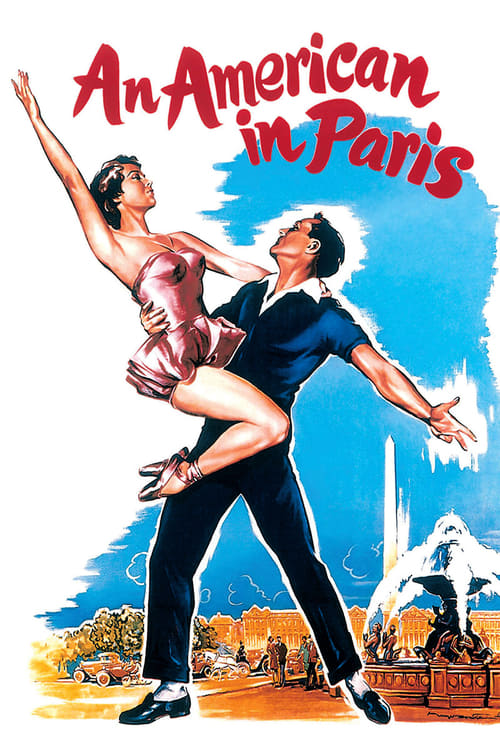
Scorsese gets to get his Vincente Minnelli on with the "Happy Endings" sequence, a gorgeous swan dive into the pure musical cinema of pictures like The Red Shoes and An American in Paris.
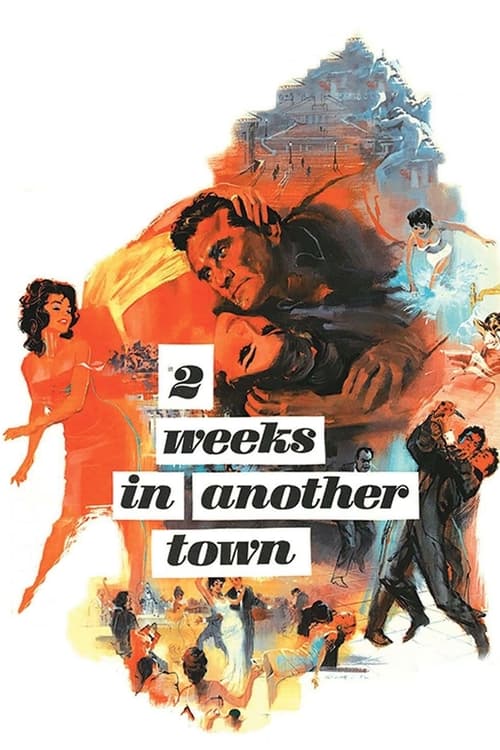
It feels like a real, horrible, aimless couple fight, and it also manages to evoke the Kirk Douglas/Cyd Charisse car meltdown in Vincente Minnelli’s fiercely stylized Two Weeks in Another Town (1962) with its own Cassavetes-like willingness to stay with a scene to its confused and bitter end (Cassavetes was both mentor and friend to Scorsese).
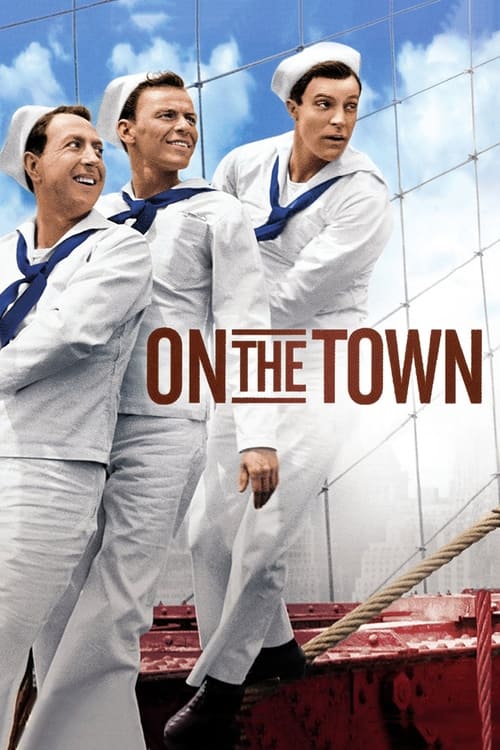
In addition to being geographically thorough (city and state)—and alluding to Bernstein, Comden & Green's On the Town—the title of the film suggests two New York Citys: the real one and our idealization of it.
On an emotional level, the film is a powerhouse, offering some of the most convincingly painful rows ever shot; as a depiction of changes in American music and the entertainment world, it is accurate and evocative; and as a commentary on showbiz films, it's a stunner, sounding echoes of Minnelli's own mother's movies and career (particularly A Star Is Born) as well as other classics like On the Town and the first A Star Is Born (in which Stander also appeared).
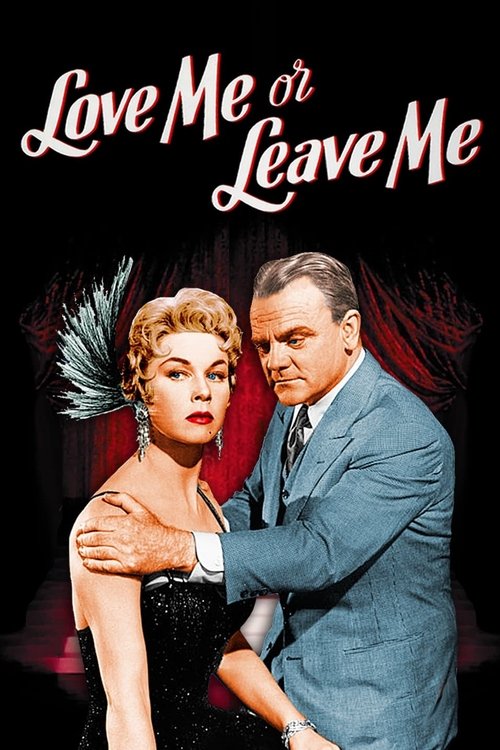
Bathed in anxious red and purple neon, the movie plays out like some errant crossbreeding of Charles Vidor’s Love Me or Leave Me (1955) and John Cassavetes’s Minnie and Moskowitz (1971).
Advertisement

Bathed in anxious red and purple neon, the movie plays out like some errant crossbreeding of Charles Vidor’s Love Me or Leave Me (1955) and John Cassavetes’s Minnie and Moskowitz (1971).
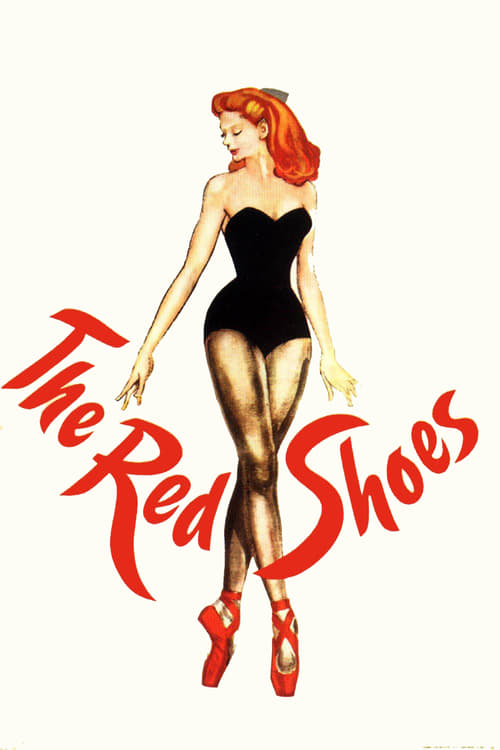
Scorsese gets to get his Vincente Minnelli on with the "Happy Endings" sequence, a gorgeous swan dive into the pure musical cinema of pictures like The Red Shoes and An American in Paris.
Despite the gorgeous, traditional, intentionally larger-than-life Hollywood production design of Boris Leven (West Side Story), nothing happens in New York, New York that can't be rationalized as realistic: characters don't randomly break out into song (a couple breaks into a wee-hours dance on V-J Day, but even that dreamy moment could happen).


Scorsese, who knows how to shoot New York in California so it looks real (see " Mean Streets "), is going for a frankly movie feel with his sets and decors, and especially with his colors, which tend toward lurid rotogravure.
Time has been fairly gentle on this film, but it's not hard to see why audiences and critics in 1977 were so disappointed: if nothing else, the director's earlier films like Mean Streets , Alice Doesn't Live Here Any More and Taxi Driver had all been united in their sometimes painful emotional rawness, whereas New York, New York is above all things noteworthy for its startling audacity and conceptual bravura.
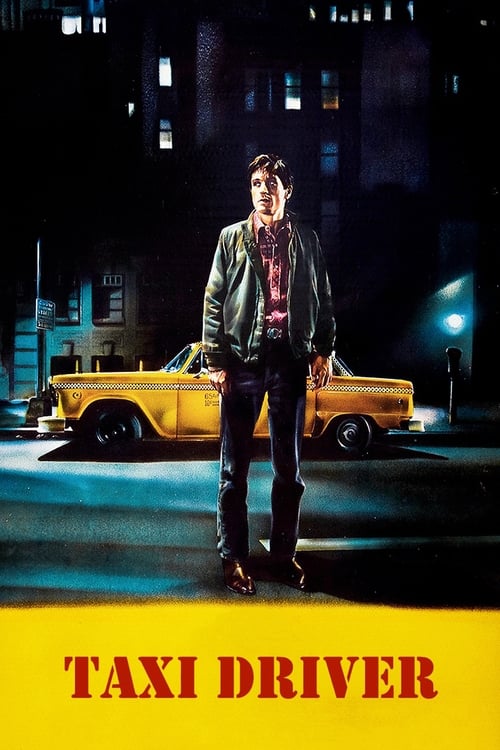
Coming off the success of Taxi Driver (1976), Scorsese secured a big budget and MGM sound stages for what was meant to be his tribute to and deconstruction of classic Hollywood musicals, but the tribute got lost somewhere in the deconstruction.
De Niro plays his role very close to Taxi Driver's Travis Bickle, and it's hard to see him as a groundbreaking, talented musician when he acts like a psychotic loser.
It's not Scorsese's best work, or De Niro's (there are scenes in which his personality quirks and bizarre behavior make him seem uncannily like his Travis Bickle in Scorsese's " Taxi Driver ").
Time has been fairly gentle on this film, but it's not hard to see why audiences and critics in 1977 were so disappointed: if nothing else, the director's earlier films like Mean Streets , Alice Doesn't Live Here Any More and Taxi Driver had all been united in their sometimes painful emotional rawness, whereas New York, New York is above all things noteworthy for its startling audacity and conceptual bravura.
Martin Scorsese ("Raging Bull"/"Taxi Driver"/"Goodfellas") helms this overlooked unconventional musical romantic/drama, modeled on Ida Lupino's The Man I Love (1946), as his valentine to Hollywood and the Big Band era (the sounds of such Scorsese favorite's as Benny Goodman, Tommy Dorsey, and Artie Shaw).