
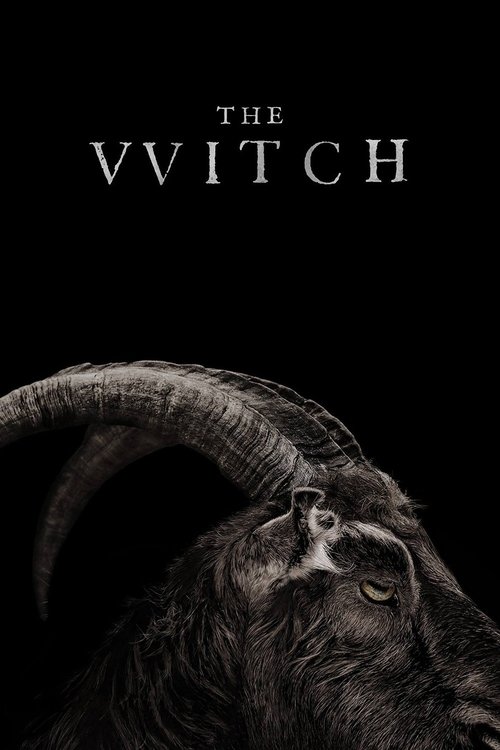
The Witch (2016)
Directed by Robert Eggers
In 1630, a farmer relocates his family to a remote plot of land on the edge of a forest where strange, unsettling things happen. With suspicion and paranoia mounting, each family member's faith, loyalty and love are tested in shocking ways.
51 connections found
View:
51 films that influenced The Witch
What critics say influenced The Witch
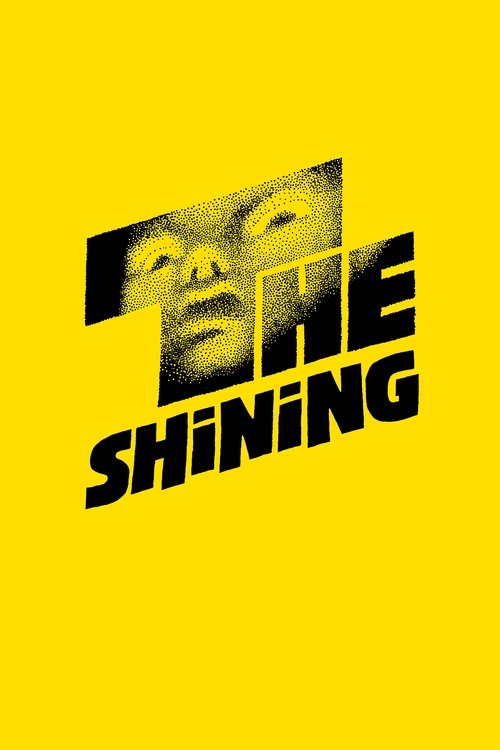


Writer-director Robert Eggers has acknowledged that his first feature was inspired by “The Shining,” and like Stanley Kubrick’s film, “The Witch” is a study in paranoia that creates a deepening mood of unease and dread.
Not since Stanley Kubrick's "The Shining" -- a key inspiration for Eggers -- has a motion picture been pumped with so much ominous dread.
Of course, it doesn't hurt that he gets tremendously effective work out of cinematographer Jarin Blaschke (who at times seems to be channeling the look of certain Stanley Kubrick films, including, yes, "The Shining"), composer Mark Korven (whose score is downright creepy and decidedly old-fashioned -- in a good way), production designer Craig Lathrop and costume designer Linda Muir.
His researches among prayer manuals, court documents and personal diaries of 17th Century New England, and his fondness for the uncanny effects obtained by earlier directors like Murnau, Bergman and Kubrick (there are clear echoes of The Shining here), have enabled him to place us convincingly in another age—a time of dirt-floor huts, raw wool and wrinkly linen, and vivid linguistic formulations.
What I can say is that Eggers has specifically mentioned Stanley Kubrick’s “The Shining” and Ingmar Bergman’s “Cries and Whispers” as films that influenced his approach.
Think The Crucible meets The Shining, seen through the eyes of a teenage girl wrestling to resolve her rigid religious upbringing with her burgeoning sexuality.
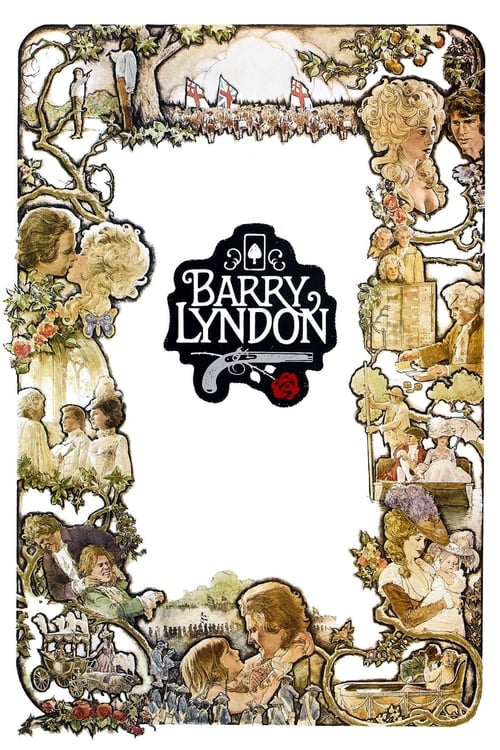
Despite its fine (OK, perfect) use of off-screen space, which creates tension inside unusually narrow frames, it could regularly pass for a Bergman film (or, with its use of night scene lit only by candles, “Barry Lyndon”).
It is set in the forest wilderness of 17th-century New England, depicted with exquisite Kubrickian finesse by debut director Robert Eggers (night scenes are lit entirely by candle; very Barry Lyndon) and imagines a family of God-fearing Puritans gate-crashing the stomping grounds of some seriously creepy witches.
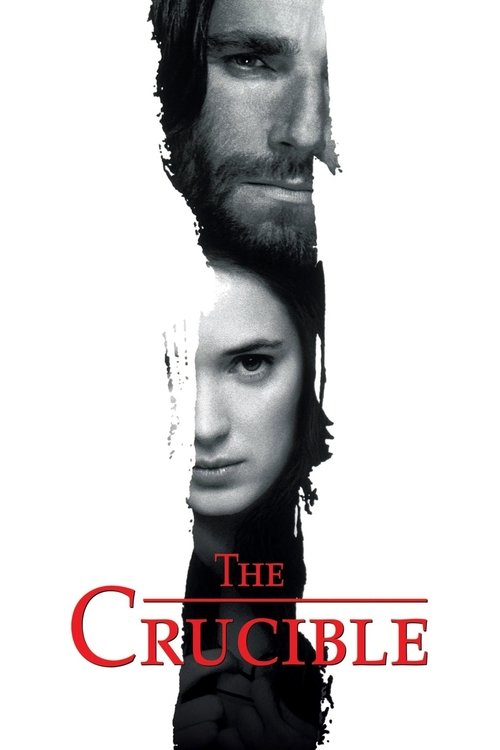
Rather than either recapitulating the political finger-wagging that usually accompanies depictions of religious hysteria (best exemplified in Arthur Miller’s The Crucible) or simply exploiting witchcraft for its shock value, the film burrows deep into both genuine spiritual horror and the manner in which abject fear divides us (which is a real political lesson for our current divided culture).
At least since Marion L. Starkey’s 1949 study The Devil in Massachusetts (an inspiration for Arthur Miller’s The Crucible), pop culture has taken a more Freudian view of Puritan-era witchcraft sagas, putting the blame on patriarchs whose fear of women’s sexuality becomes rage against female self-expression (or, with Miller, McCarthyist hysteria).
The intention seems to have been to stake out a patch of land adjacent to The Crucible’s superstitious terrain and thereupon cultivate something a little more genre-minded: the closest reference point would be M. Night Shyamalan ’s maligned The Village, albeit without the crackerbarrel twist.
But whereas most fiction surrounding the Witch Trials (most notably Arthur Miller’s The Crucible) focuses on the power of hysteria to convince even the most pragmatic people that such nonsense is true, Eggers chooses to dig deeper, questioning the bedrock of such hysteria.
Just as easily, however, given the film’s self-advertised stabs at historical accuracy, one could read this singular shocker as something even more disturbing: a kind of fright-flick answer to Arthur Miller’s The Crucible, presenting a revisionist national history in which true evil exists and religious hysteria is the proper response to it.
This will help your ear accept speech that can sound as wooden as anything in Arthur Miller's The Crucible, but that occasionally erupts with rich, ornate verbosity.
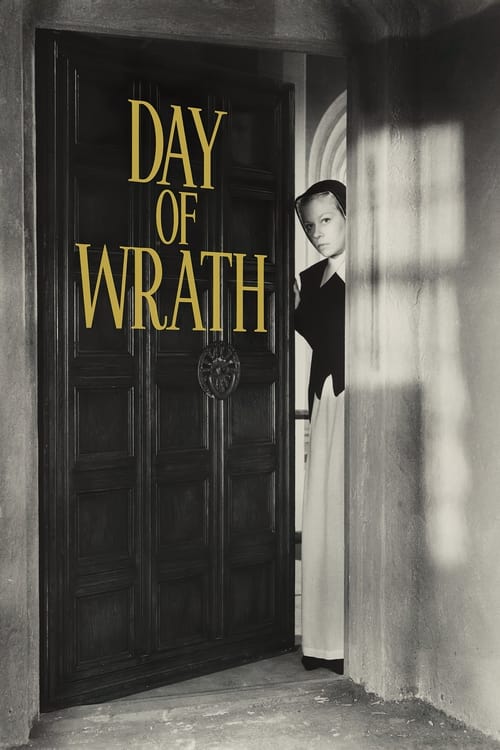
Indeed, his inspiration seems to have been Danish director Carl Dreyer’s wartime drama Day of Wrath, with which The Witch (the title appears as “The VVitch” on the credits) shares many themes.
It might be argued that revered director Carl Dreyer was doing something similar in his 1943 classic, Day of Wrath, a tale of alleged witchcraft in a Danish village which Eggers had acknowledged as an influence.
Cinema has always had a grand tradition of dealing with religious hysteria tied to the patriarchal fear of pussy, lest we forget Carl Dreyer’s The Passion of Joan of Arc and Day of Wrath, plus virtually anything foisted upon us by Ingmar Bergman.
Conjuring the spirit of such convincing occult dramas as Carl Theodor Dreyer’s Day Of Wrath, Michael Reeves’ Witchfinder General and Piers Haggard’s The Blood On Satan’s Claw, The Witch favours verisimilitude, formal exactitude and insidious dread over cheap shocks.
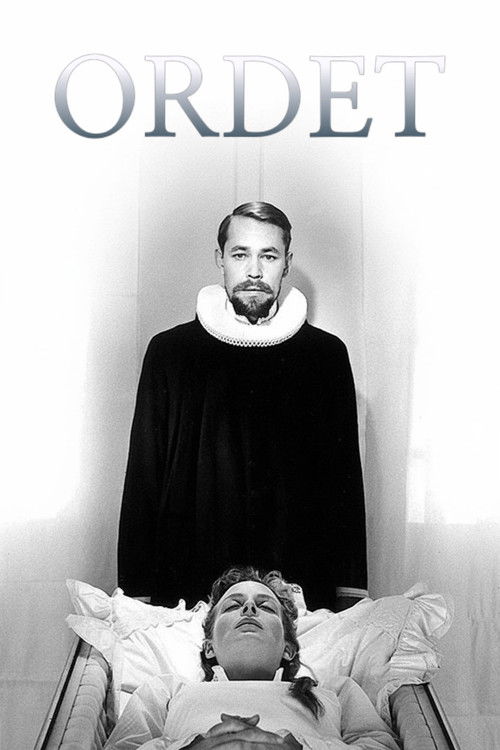
What follows is a thematic mash-up of the European folk tales of the Brothers Grimm and Charles Perrault (the figures of Hansel and Gretel, Red Riding Hood and Sleeping Beauty loom large), the paranoid finger-pointing of Arthur Miller’s play The Crucible , the religious devotion of Dreyer’s Ordet and the historical detail of Aldous Huxley’s book The Devils of Loudun .
El terror puritano adopta una antidecimonónica estructura de relato nuevo (según Robbe-Grillet): discontinua, subjetiva, ambigua y móvil, donde las crispadas voces obsedidas por la culpa y los malos pensamientos se espetan a cámara buscando su autonomía y demostrar la terrible vicariancia de la palabra sagrada (la que en Ordet de Dreyer 55 resucitaba a una difunta); donde la trágica desaparición del bebito se efectúa a base de lúdicos planos objetivos/subjetivos escamoteadores; donde la atmosférica música postserial de Mark Korven, nunca de acompañamiento o mero fondo, vehicula al terror en sí, consustancial; donde cobra enorme importancia el dominio de las tinieblas, como algo más que una ausencia o un motivo contrastante, sino como sustancia significativa y crucial que determina decisiones e impregna los miedos en la elaboradísimas imágenes del fotógrafo Jarin Blaschke, de continuo iluminadas a base exclusiva de famélicas velas omnipresentes o confinando a rincones fractales, cual ejercic…
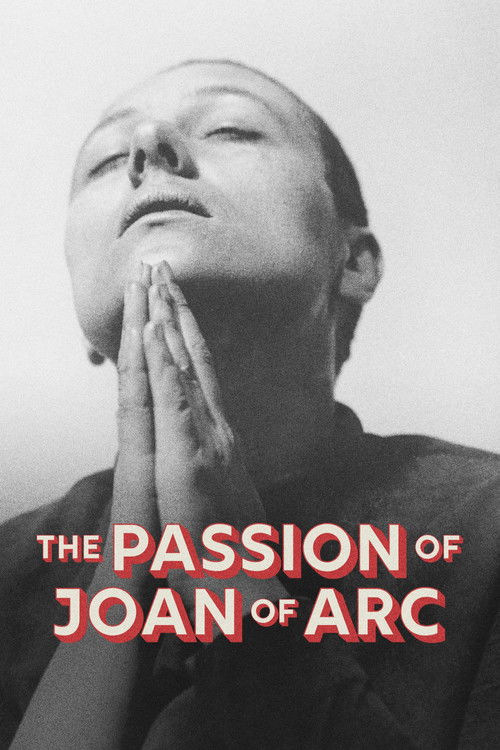
Cinema has always had a grand tradition of dealing with religious hysteria tied to the patriarchal fear of pussy, lest we forget Carl Dreyer’s The Passion of Joan of Arc and Day of Wrath, plus virtually anything foisted upon us by Ingmar Bergman.
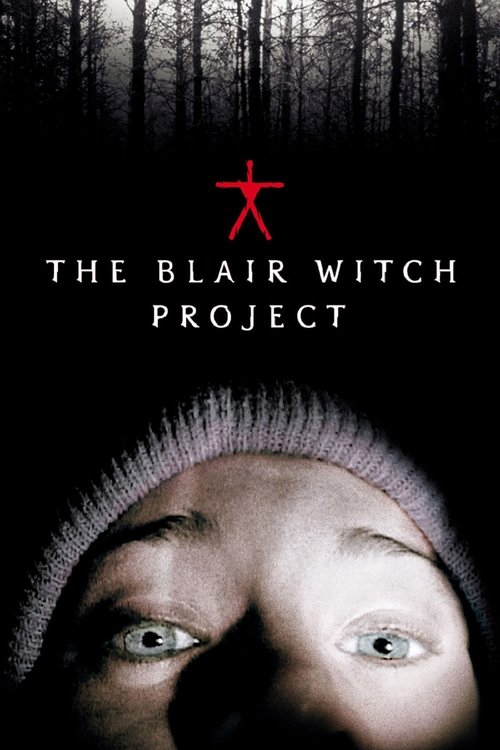
There is something shadowy and indistinct about the woods in The Witch that recalls, appropriately, The Blair Witch Project .
The Witch, the latest Sundance sensation to spark a studio bidding war, reminded this viewer more than once of The Blair Witch Project .
The Witch is a game-changer along the lines of The Blair Witch Project, a stripped-down approach to horror that doesn't depend on bogeymen or blood gushers, just macabre surrealism.
It's like The Blair Witch Project all over again.
The simple conceit of It Follows—a monster who takes the form of an ordinary person—was too mundane for some; The Blair Witch Project’s shaky-cam marathon in the woods left many viewers nauseated rather than terrified.
Advertisement
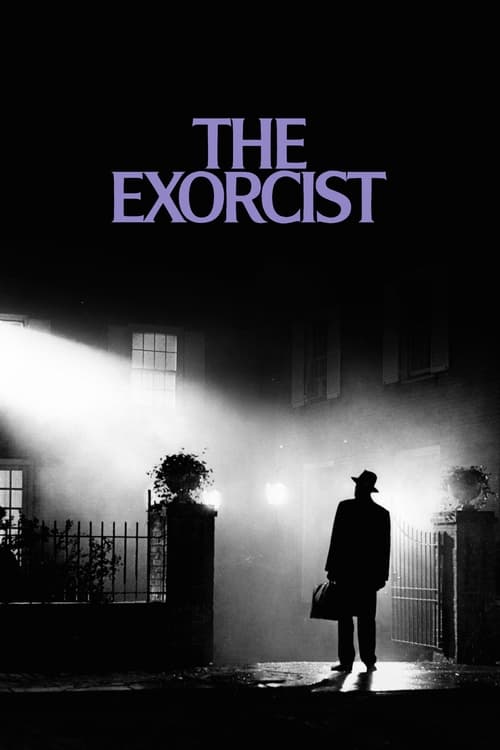
Through the elements that often contribute to the rotting of a family, pure evil does exist and finds an easy entrance; much in the vein of “The Exorcist.”
In the tradition of William Friedkin's The Exorcist (1973), this chilling low-budget horror movie taps into the same temporal fear that sparks religious feeling.
Horror has been a cultural pariah for so long that some of its fanbase simply cannot fathom it ever being seated at the big table, a perspective that completely ignores the critical and commercial success of so many great horror films in the past, from Robert Wise’s The Haunting (1963), to Roman Polanski’s Rosemary’s Baby and William Friedkin’s The Exorcist (1973), to Jonathan Demme’s The Silence of the Lambs (1991).
As in Jack Clayton's The Innocents (1961) and William Friedkin's The Exorcist (1973), defenseless children are targeted by demonic forces.
The greatest horror films of all time are able to create and keep constant that feeling of dread – films like The Shining, or The Exorcist, or Alien excel at making the audience squirm, and it’s not because of the effects on the screen.
Eggers drills into the same demonic DNA that made such movie classics as The Exorcist , Rosemary’s Baby and The Shining such disturbing dynamite; some of his images get inside your head and nest deep into cracks where nightmares live and lurk.

While the poster for The Witch may conjure up memories of William Friedkin’s The Guardian , this owes nothing to that film’s hokey horrors.Eggers has cited Kubrick’s The Shining as influential, alongside Benjamin Christensen’s silent classic Häxan: Witchcraft Through the Ages and Ingmar Bergman’s Cries and Whispers .
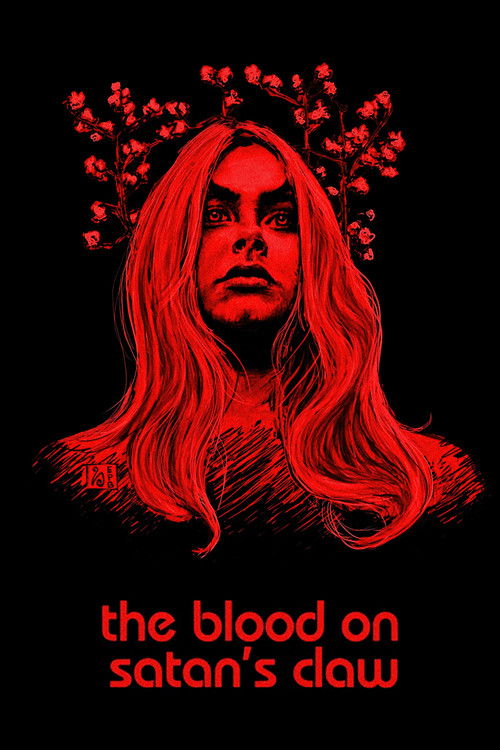
Aficionados may recall a few similar "folk horror" films, including some great ones ("The Conqueror Worm," "The Blood on Satan's Claw"), but the inspiration here is historical and literary: This is the old weird America of the Salem witch trials and of "Young Goodman Brown" and other supernatural stories by Nathaniel Hawthorne, who pioneered a particularly New England brand of terror.
Conjuring the spirit of such convincing occult dramas as Carl Theodor Dreyer’s Day Of Wrath, Michael Reeves’ Witchfinder General and Piers Haggard’s The Blood On Satan’s Claw, The Witch favours verisimilitude, formal exactitude and insidious dread over cheap shocks.
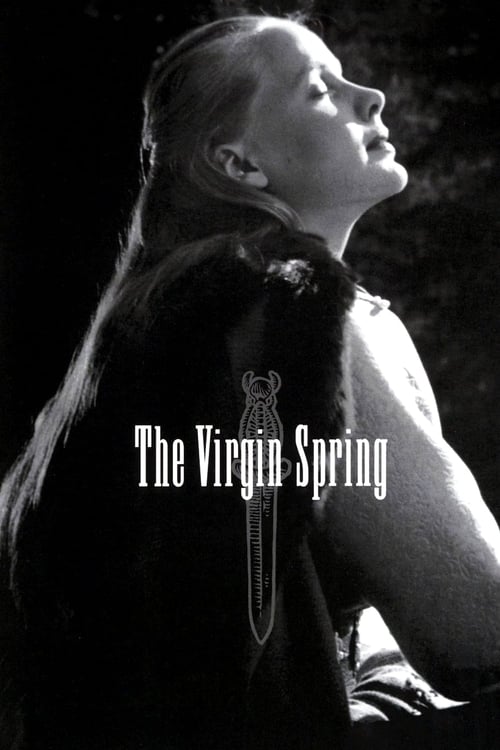
In particular, I thought there were strong parallels between this film and The Virgin Spring (1960), which was about the living nightmare experienced by a girl when she is trapped in the woodlands and the repercussions of a violent act.
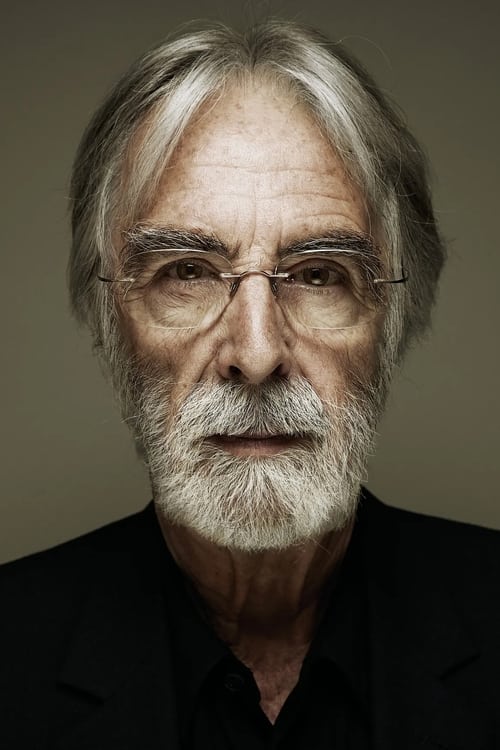
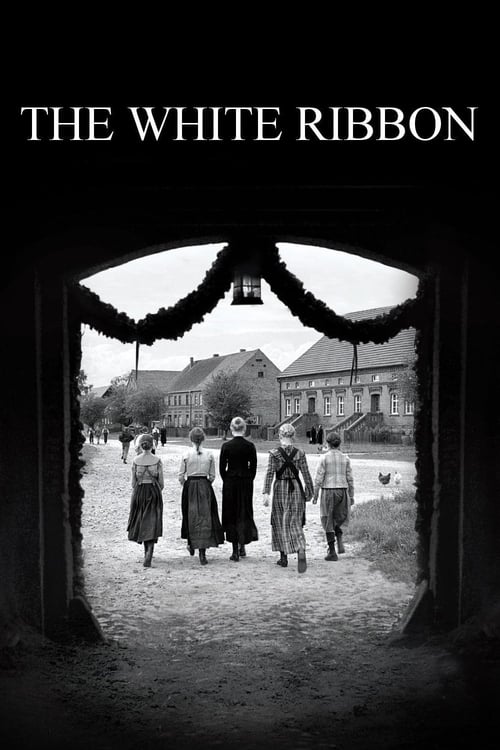
But in peering ahead to the Salem trials, “The Witch” also faintly echoes Michael Haneke’s “The White Ribbon,” another drama in which the forces of patriarchal repression and the cruel realities of agrarian life will exact a devastating future toll: We’re watching not just a private tragedy but a prequel to a larger-scale catastrophe, sowing seeds of suspicion, violence and fanatical thinking that will be passed down for generations to come.
This is essentially an art film comparable, in terms of its approach and impact, to Michael Haneke’s similarly elusive “The White Ribbon,” and suggesting otherwise is almost a recipe for disaster.
My own experience with the horror genre is not as broad as some -- absent professional obligation I tend to avoid them -- but I'd suggest that the feel of The Witch isn't too far removed from that of the Michael Haneke movies, Cache (2005) and The White Ribbon (2009).
It wouldn’t be surprising if Mr. Eggers was also familiar with “The White Ribbon,” Michael Haneke’s 2009 film about God and patriarchy, authority and domination in Germany before World War I.
We could throw in other contenders as well, like Michael Haneke’s “The White Ribbon” or the ‘70s British horror classic “The Wicker Man” or even Lars von Trier’s profoundly disturbed “Antichrist.”
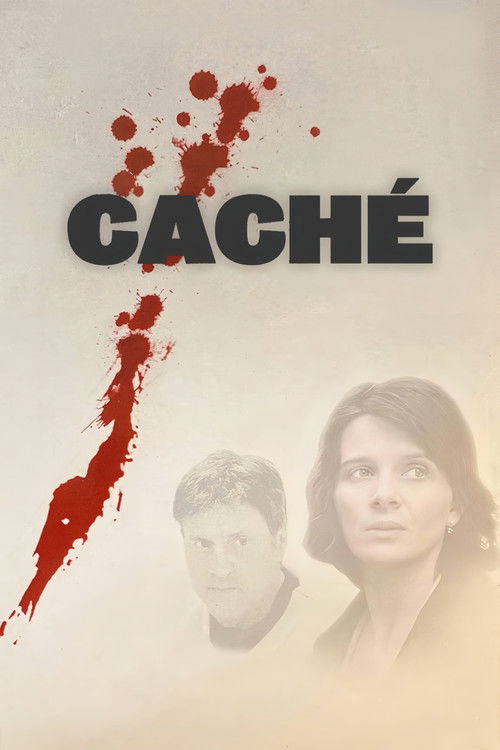
My own experience with the horror genre is not as broad as some -- absent professional obligation I tend to avoid them -- but I'd suggest that the feel of The Witch isn't too far removed from that of the Michael Haneke movies, Cache (2005) and The White Ribbon (2009).
Advertisement

We are meant to recall not just the Brothers Grimm but Nicolas Roeg’s “Don’t Look Now” (1973), in which the alleyways of Venice were prowled by a similar scarlet fiend.
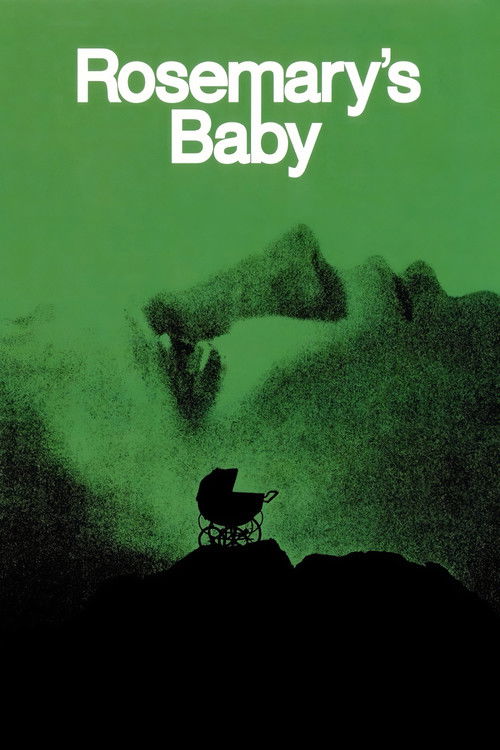
Horror has been a cultural pariah for so long that some of its fanbase simply cannot fathom it ever being seated at the big table, a perspective that completely ignores the critical and commercial success of so many great horror films in the past, from Robert Wise’s The Haunting (1963), to Roman Polanski’s Rosemary’s Baby and William Friedkin’s The Exorcist (1973), to Jonathan Demme’s The Silence of the Lambs (1991).
In any case, while The Witch doesn't shy away from the simplest (and least credible) answers, it is a remarkably subtle film that walks an uneasy path between the plausible psychological horror of The Babadook and the blatancy of Rosemary's Baby .
Eggers drills into the same demonic DNA that made such movie classics as The Exorcist , Rosemary’s Baby and The Shining such disturbing dynamite; some of his images get inside your head and nest deep into cracks where nightmares live and lurk.
An avatar of a sub-genre that might be called Colonial gothic, this chillingly atmospheric story of Calvinist zealotry and creeping hysteria joins the ranks of such landmark horror films as “The Omen,” “Rosemary’s Baby” and “The Exorcist.”
Eggers has made a horror movie with some major meat on the bone that stands in league with such classics as The Exorcist and Rosemary's Baby.