
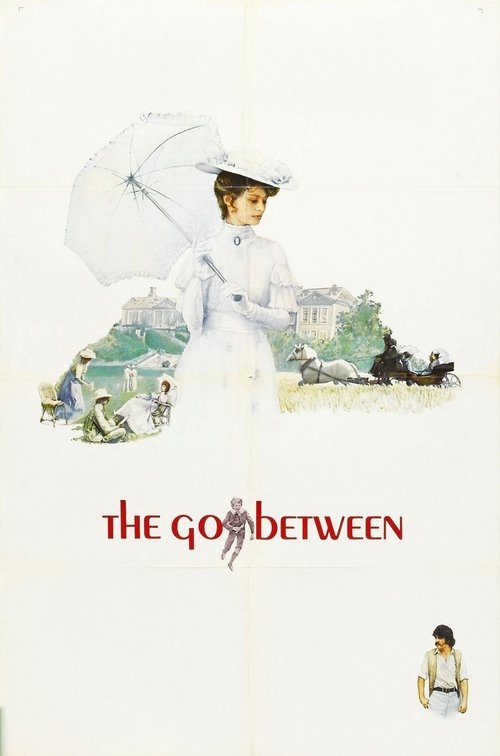
The Go-Between (1971)
Directed by Joseph Losey
British teenager Leo Colston spends a summer in the countryside, where he develops a crush on the beautiful young aristocrat Marian. Eager to impress her, Leo becomes the "go-between" for Marian, delivering secret romantic letters to Ted Burgess, a handsome neighboring farmer.
5 connections found
View:
5 connections, in both directions
What critics compared The Go-Between to
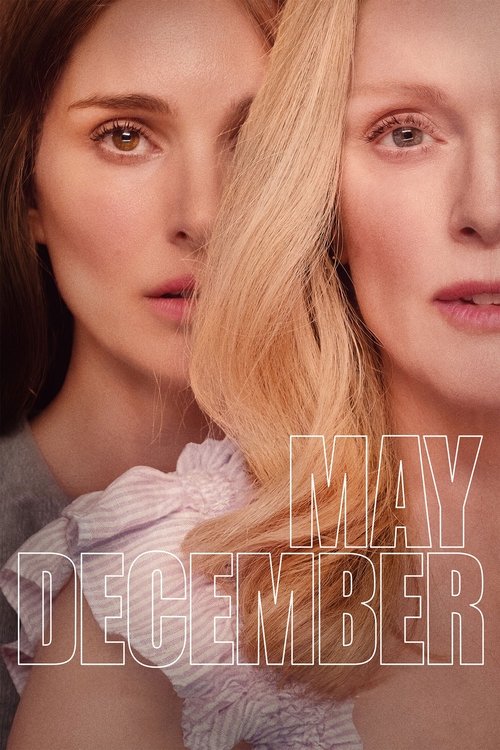


It is during this overture with the monarch resting on select plants that the dramatic theme music from Marcelo Zarvos (who basically repurposed Michel Legrand's theme for 1971's The Go-Between) plays into the concept of melodrama, and how our society feeds off it—especially when it's prepackaged in such a way as this.
The feeling of suspense is goosed by the prickling score, which Haynes borrows from another movie altogether – Michel Legrand’s theme from Joseph Losey’s 1971 film, The Go-Between. The two films hinge on furtive affairs, but more significantly, both films are about a person too unformed to understand how they are being manipulated. In May December that person is Joe, Gracie’s husband, played as an adult by Charles Melton (a former CW heartthrob, he was Reggie on Riverdale).
By adapting Michel Legrand's music for Joseph Losey's “The Go-Between,” Marcelo Zarvos' score emphasizes the roots of the film in the classical melodramas to which the writer-director paid homage in his remarkable “Far From Heaven” back in 2002.
Instead of writing a totally original score, Haynes––in a brilliant artistic recycling on par with R.M.N.'s re-use of In the Mood for Love‘s theme at Cannes last year––asked composer Marcelo Zavros to adapt one of his favorite scores: Michel Legrand's compositions for 1971's The Go-Between.
Close-up images of Monarch butterflies and their surrounding manicured flower gardens are scored by the theme from Joseph Losey’s 1971 film The Go-Between. The archly dramatic music lends a discomfiting feeling to the scenes of domesticity (a cookout for friends and family in Savannah, Georgia) that soon follow. Such a jarring juxtaposition, best encapsulated by said music leading into a character complaining about not having enough hot dogs, sets up a film that wants to suture the lurid and the mundane, creating in the process a masterful meditation on performance and predation.
Haynes—aided by a discordant score from Marcelo Zarvos, who adapted Michel Legrand's work from the 1971 film The Go-Between—trains the camera on the details that show the ripple effects of Gracie's abuse.

Like L.P. Hartley's The Go-Between, Atonement is a genteel horror story contemplating how an innocent, Briony (played by the startlingly fine Saoirse Ronan), serves as an instrument of destruction and how this trauma defines her life.
The opening sequence is heritage cinema with a vengeance: Merchant-Ivory meets The Go-Between, lush details ladled on for the nostalgic as much as the satiric market.
Atonement opens on a little girl's doll-house and ends on an old woman's vision, and in between shuffles from The Go-Between to Brideshead Revisited to A Very Long Engagement before settling, naturally, on Titanic.
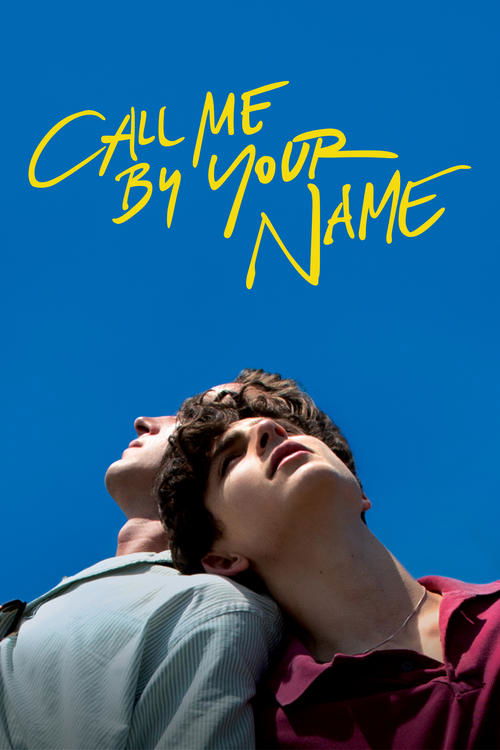
The overall mood put me in mind of Joseph Losey’s The Go-Between, perhaps because Guadagnino too suggests that “the past is another country”—although this past is closer to us than Losey’s tainted Edwardian idyll.
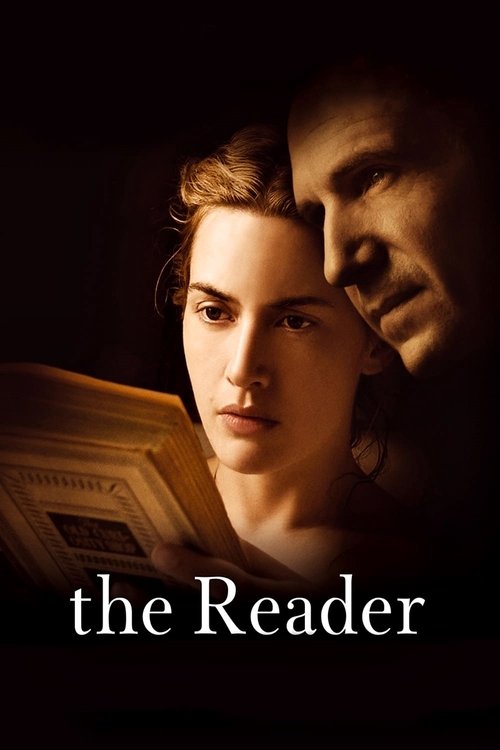
Not just any old fling, though, but the kind where intense physicality is coupled with reserve of feeling to signify profound unspoken anguish (Last Tango in Paris), and where a character is forever emotionally withered by an early encounter (The Go-Between).
Advertisement
The late Joseph Losey might have shaped this material as successfully as he did other Pinter scripts like The Go-Between, Accident, and best of all, The Servant.