

Atonement (2007)
Directed by Joe Wright
A young girl irrevocably changes the course of several lives when she accuses her older sister's lover of a crime he did not commit.
21 connections found
View:
21 films that influenced Atonement
What critics say influenced Atonement
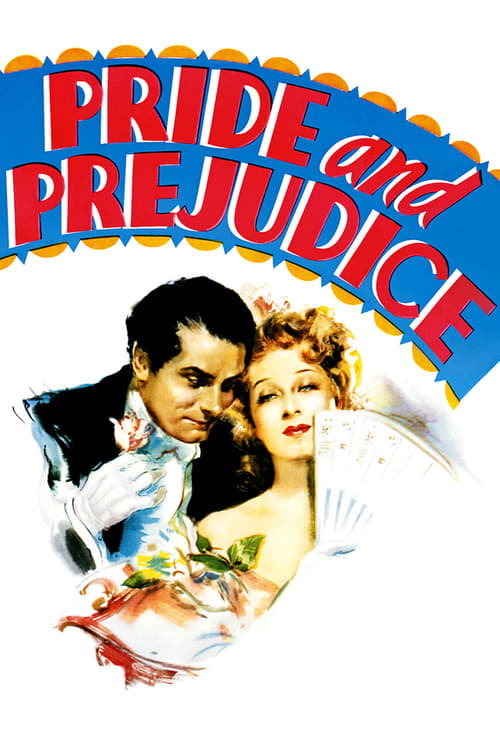


If one is to judge the new film version of Ian McEwan’s award-winning novel — brought to the screen by writer Christopher Hampton (“Dangerous Liaisons”) and director Joe Wright (“Pride and Prejudice”) — for its fidelity to the source material, “Atonement” is certainly a success.
Here she reunites with director Joe Wright, who helmed the 2005 version of "Pride and Prejudice," for which she received an Academy Award nomination.
Director Joe Wright (“Pride and Prejudice”) gives the film an elegant sheen and constructs scenes sturdy enough to bear the philosophical weight assigned to them.
Bottom line: Although this should've been the film on which director Joe Wright stepped up to the big leagues, it's actually less successful than his surprisingly satisfying debut "Pride and Prejudice."
Big question: Can director Joe Wright adapt Ian McEwan's novel to replicate the lush period sensibility and critical acclaim of his last movie, "Pride and Prejudice"?
The last time Keira Knightley and director Joe Wright tackled a beloved British novel, they hit the jackpot with "Pride and Prejudice."
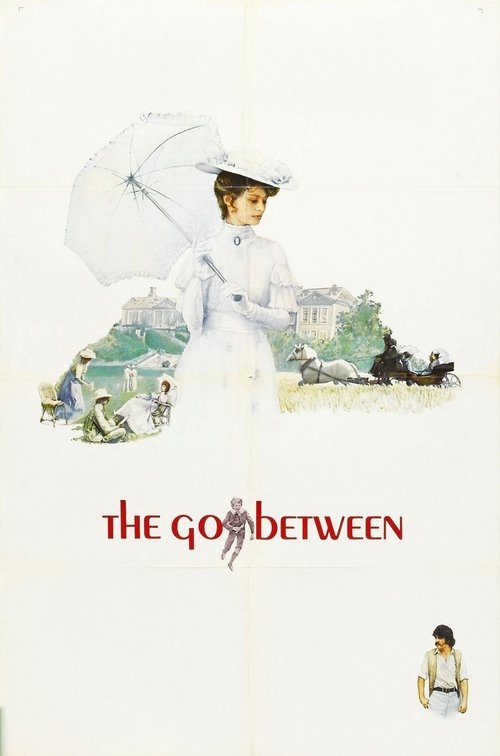
Like L.P. Hartley's The Go-Between, Atonement is a genteel horror story contemplating how an innocent, Briony (played by the startlingly fine Saoirse Ronan), serves as an instrument of destruction and how this trauma defines her life.
The opening sequence is heritage cinema with a vengeance: Merchant-Ivory meets The Go-Between, lush details ladled on for the nostalgic as much as the satiric market.
Atonement opens on a little girl's doll-house and ends on an old woman's vision, and in between shuffles from The Go-Between to Brideshead Revisited to A Very Long Engagement before settling, naturally, on Titanic.
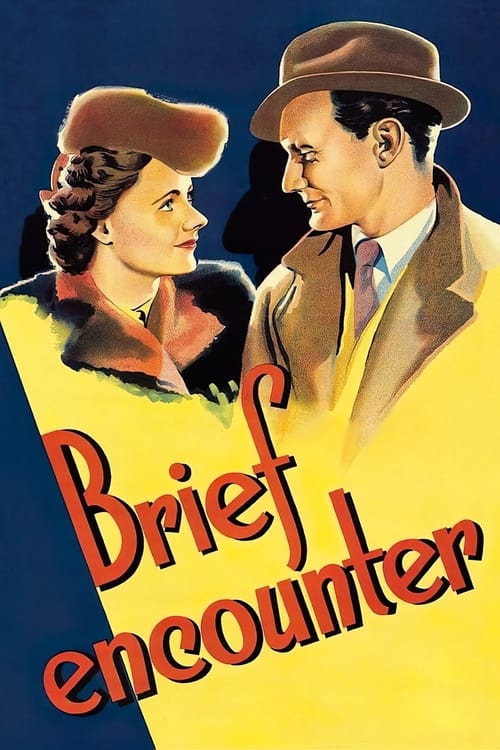
His scene with Knightley in a London cafe recalls "Brief Encounter" in the sound it evokes of hearts breaking over teacups.
Wright urged him and Knightley to look at mid-century British romances like "Rebecca" and "Brief Encounter," and these actors apparently took those movies, and the restrained but deeply emotional style of acting within them, into their hearts.
One scene in Atonement, when the unjustly separated young couple, bursting with grief, desire and eagerness, meet in a café, teeters on the brink of caricature as their polite, faltering self-control evokes the station restaurant of Brief Encounter.
The story no doubt plays better on the page, where, as in Fyodor Dostoevsky's "Crime and Punishment," the burning sins of the past can haunt the protagonist — and the reader — for hours and days between reading sessions.
Advertisement
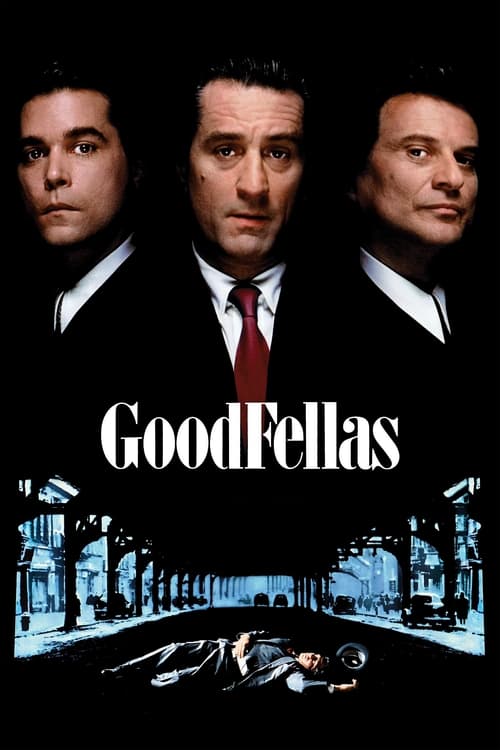
You find yourself marking off the surreal details as they are ushered into view; compare it with another long take, Ray Liotta’s famous procession through the club in “GoodFellas,” and you feel that, where Scorsese was dramatizing the pomp of the empowered wiseguy, with his pontifical swagger, Wright is sowing the frame with incident for fear that it might lie fallow, and the result is that he risks merely drawing attention to his own style.
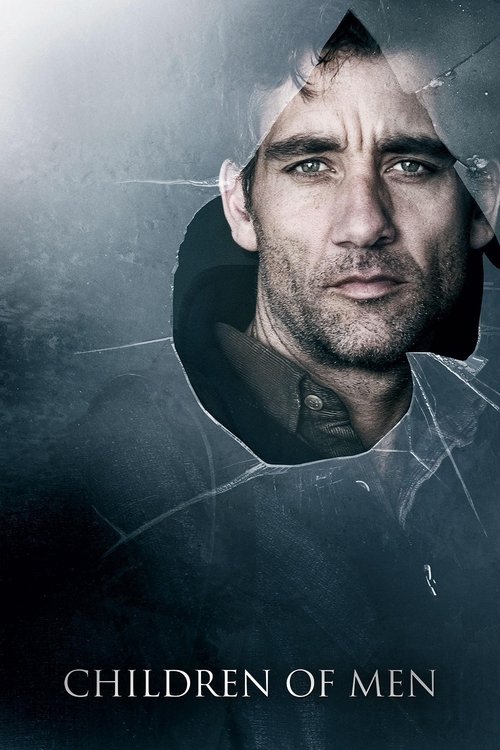
Recalling a similar sequence in last year's "Children of Men," Wright's bravura characterization of the desperation of British forces proves not just his prowess in executing such a technically difficult scene, but his ability to capture a far more subtle emotional echo having to do with the strategic importance of stories, whether personal or historical.
The carefully composed sequence is awe-inspiring, and easily challenges Alfonso Cuaron’s direction in “ Children of Men ” as one of the greatest cinematic achievements of the decade.
Dunkirk happens, mostly via a seamless, five-minute take that will take many breaths away (including, one suspects, Alfonso Cuarón's, who pulled off something similar at least thrice in "Children of Men").
Thus, the veddy British 1935 opening is laid out like the preamble to a Rouben Mamoulian musical number, "cunt" is typed in screen-filling letters out of Citizen Kane, and the British evacuation at Dunkirk beach during WWII's darkest hours is staged as an ostentatious tracking shot for no better reason than for Wright to try to outdo Children of Men .

If one is to judge the new film version of Ian McEwan’s award-winning novel — brought to the screen by writer Christopher Hampton (“Dangerous Liaisons”) and director Joe Wright (“Pride and Prejudice”) — for its fidelity to the source material, “Atonement” is certainly a success.
Although a film can never take us as deep into an individual psyche as a novel, the screenplay by Christopher Hampton ("Dangerous Liaisons") makes a noble effort and the seamless work of the actresses stands out.
Treacheries committed in the name of art and expiation sought are McEwan's themes at their grandest, but director Joe Wright (Pride & Prejudice) and screenwriter Christopher Hampton (Dangerous Liaisons) are convinced that what a moviegoer wants from a literary adaptation is refinement and good breeding.
While watching Joe Wright's intensely cinematic interpretation of McEwan's book (co-executive-produced by McEwan and written by Christopher Hampton, best known for adapting "Dangerous Liaisons," "The Honorary Consul"/"Beyond the Limit," "The Quiet American," "The Good Father), I kept wondering how far into the story I had actually read.
It's dealing with very tricky subject matter, like trying to grasp smoke, and it slips and slides through Wright and screenwriter Christopher Hampton's ("Dangerous Liaisons") fingers.
Wright and screenwriter Christopher Hampton (“Dangerous Liaisons”) understand implicitly that Ian McEwan’s material is already suffused with all the necessary elements to move the human heart.

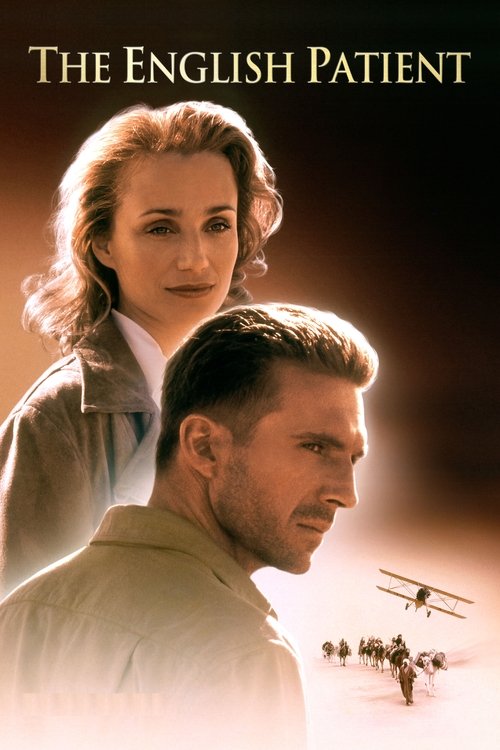
Briony is interviewed by director Anthony Minghella, whose "The English Patient" somewhat resembles "Atonement" in its scope, subject matter and literary ambitions.
Atonement has garnered comparisons to The English Patient, and that's very apt.
Unlike, say, "The English Patient," which possessed an uncanny inner fire, "Atonement," has a dutiful, noble air.
A rich, old-fashioned love story spun out of modern psychology and postmodern storytelling, this film's decades-long, war-torn examination of love, pain, betrayal and, yes, atonement has the kind of expansive sweep that brings "The English Patient" to mind.
There's little doubt that Atonement is destined to receive comparisons to The English Patient, as both films feature a slow, deliberate pace and an epic romance that transpires over the course of several years.
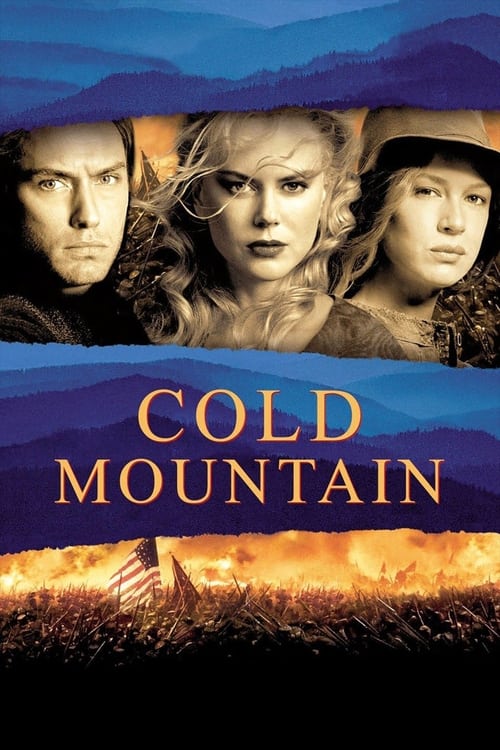
…fully worked out than many other prestige literary adaptations, like Cold Mountain.
Advertisement

With Pride & Prejudice and now Atonement , director Joe Wright may have just established himself as the new James Ivory (of Merchant/Ivory fame).
Joe Wright ( Pride & Prejudice ) directs this expansive and beautifully edited film with its shifting timelines and rich ethical themes.
Ian McEwan's beautiful novel, masterfully adapted for the screen by Christopher Hampton and directed by Joe Wright ("Pride & Prejudice"), is at its heart about language and its power: about the way a lie told by a child — inspired by a letter not intended for her eyes — changes the lives of those who hear it; and how that child later longs to make things right again, to restore the indolent simplicity of that summer afternoon with its clicking keys.
Wright, who is following up his promising 2005 debut, "Pride & Prejudice," here proves to be as much a master of his medium as McEwan is of his, using the full cinematic palette of sound, image and performance to create a film that works both as a heady, old-fashioned wartime romance and as a subtle, almost postmodern meditation on narrative, truth and the by turns treacherous and consoling power of art.
Wright (Pride & Prejudice) gets partial credit for "Atonement's" sweeping cinematic appeal.
I haven't read Ian McEwan's novel of the same name, and approached the film as director Joe Wright's follow-up to his 2005 debut -- the beautiful, tender, wonderful-in-every-way Pride & Prejudice.
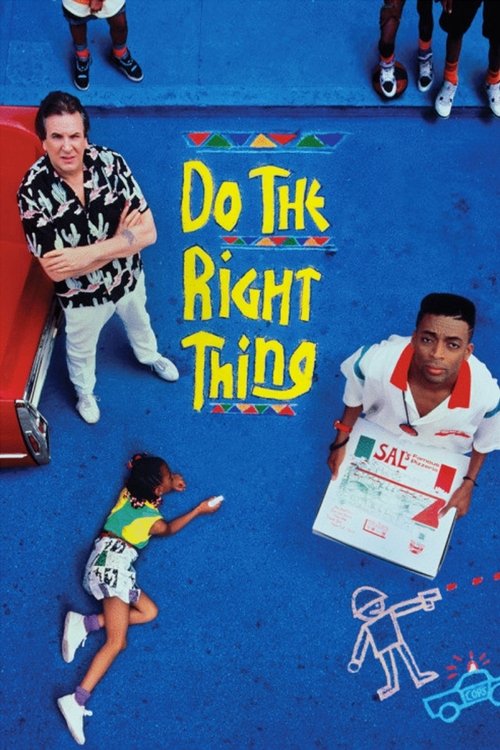
"Atonement" may describe its subject as acutely as "Do the Right Thing" describes what Spike Lee's movie is about....