
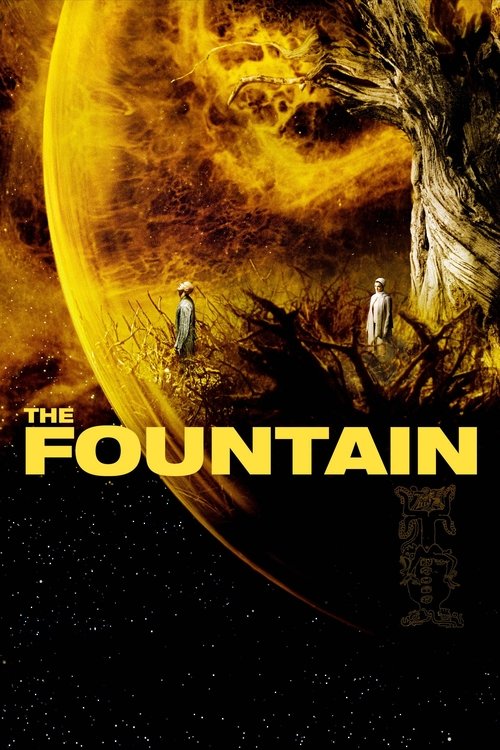
The Fountain (2006)
Directed by Darren Aronofsky
Spanning over one thousand years, and three parallel stories, The Fountain is a story of love, death, spirituality, and the fragility of our existence in this world.
28 connections found
View:
28 films that influenced The Fountain
What critics say influenced The Fountain
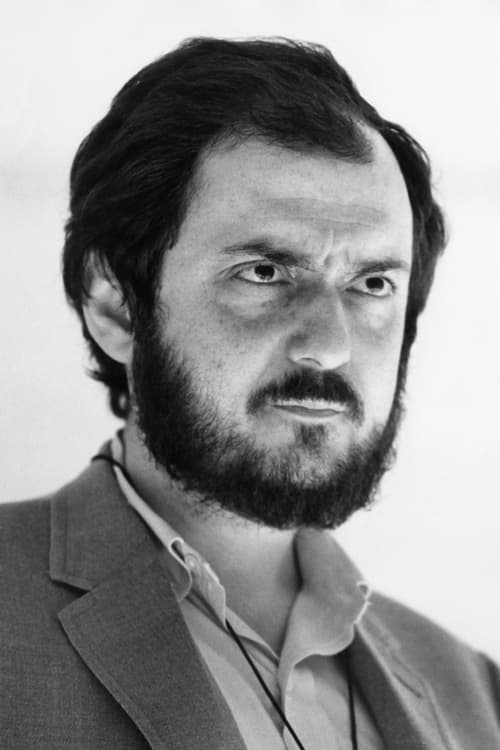
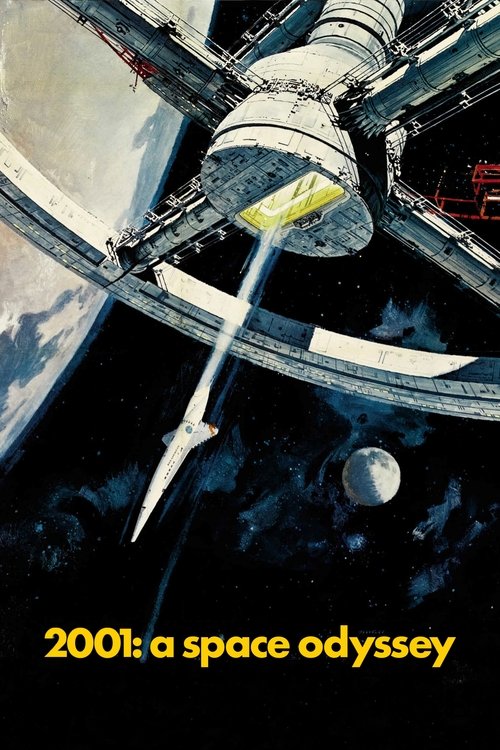


This may all sound kind of dry and cerebral, and the fact that Aronofsky is currently being compared to Stanley Kubrick (and this film in particular to 2001: A Space Odyssey) no doubt adds to that impression.
But suffice it to say that, if this Faust hasn't succeeded in usurping the knowledge of God himself, I don't know who has (with the possible exception of Keir Dullea in 2001: A Space Odyssey; and look what happened to him).
If Stanley Kubrick’s “2001: A Space Odyssey” was a cold and ultimately confusing sci-fi epic, “The Fountain” is a feel-good head-scratcher of a sci-fi epic that places death and rebirth directly at the doorstep of love.
What may seem at first glance like a 2001: A Space Odyssey quickly reveals itself to be something more emotionally rich: A profoundly personal depiction of grief and its effects on the human psyche.
Only a fool would liken it to 2001: A Space Odyssey – hold Kubrick’s masterpiece up to Aronofsky’s work, and it will expose the film’s flaws tenfold.
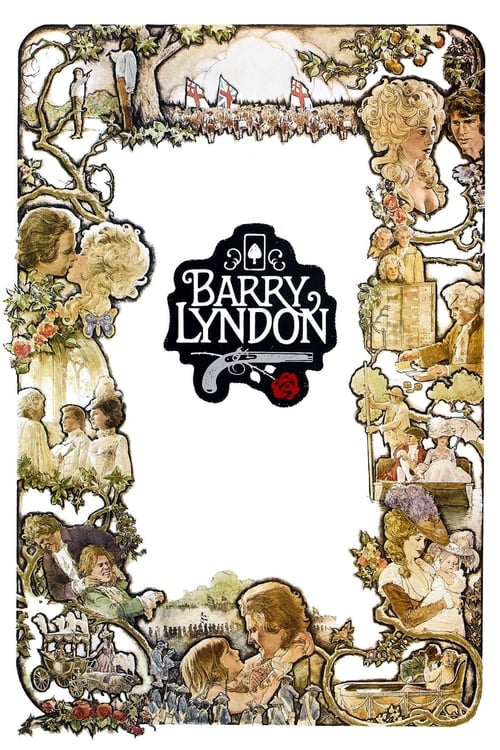
I might add, too, that Kubrick tried his "2001" approach a few years later, transposing it to eighteenth-century Europe; but without the weight of a meaningful thematic thread behind it, "Barry Lyndon" never measured up to its more-ambitious predecessor.
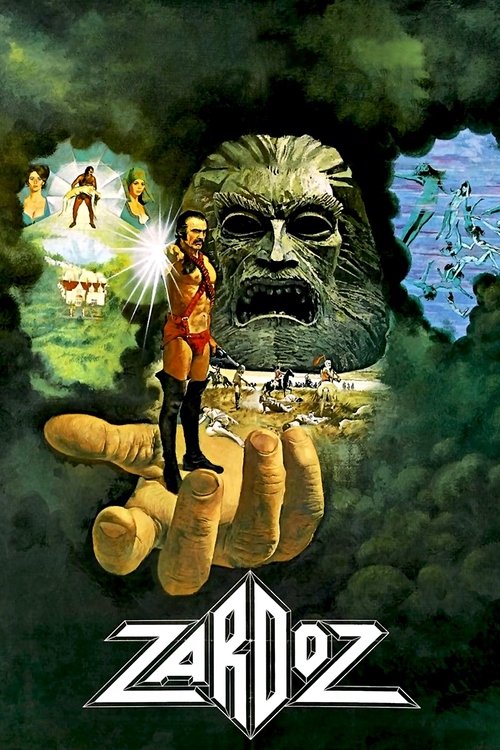
…since The Fountain‘s wide release recalls the days (roughly 1968-1975) when it wasn’t uncommon to find some pretty heady fare — like John Boorman’s Zardoz (1974) — booked into regular theaters.
But it may not transcend the world of cult sci-fi as with other slightly out-of-step oddities like John Boorman's Zardoz (1974), David Lynch's Dune (1984) and Tarkovsky's Stalker (1979).
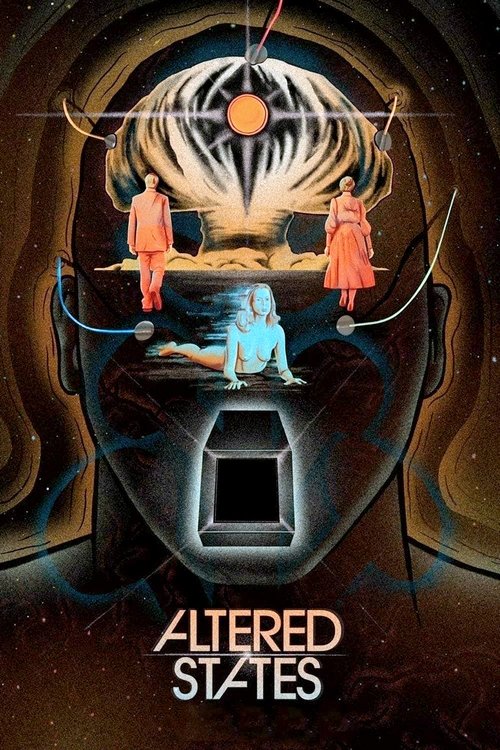
An Inquisition torturer reminds the solemnly receding camera that bodies are prisons for the soul, the climax aims for 2001 but settles for Altered States, fades to white are wantonly abused -- Aronofsky's hushed respect for his own holy absurdity rivals George Lucas's and M. Night Shyamalan's, yet the continuous sense of deeply felt discovery tempers the movie's overreaching pretentiousness, just as the director's earnest emotional confession tempers his arrogance.
And I suppose there’s a little Zardoz in The Fountain — along with some of Kubrick’s 2001 (1968), Ken Russell’s Altered States (1980), Andrei Tarkovsky’s Solaris (1972) and perhaps even a smattering of George Dunning’s Yellow Submarine (1968).
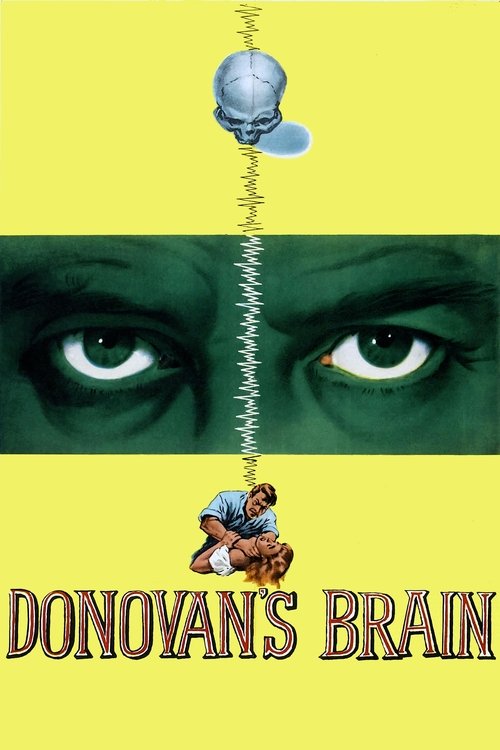
He has been injecting Mayan medicine into the tumorous brain of a monkey named Donovan (a tribute to the 1953 surgical science-fiction movie Donovan's Brain) to find a cure for the cancer that threatens the life of his novelist wife Izzy, played by Weisz.
Advertisement
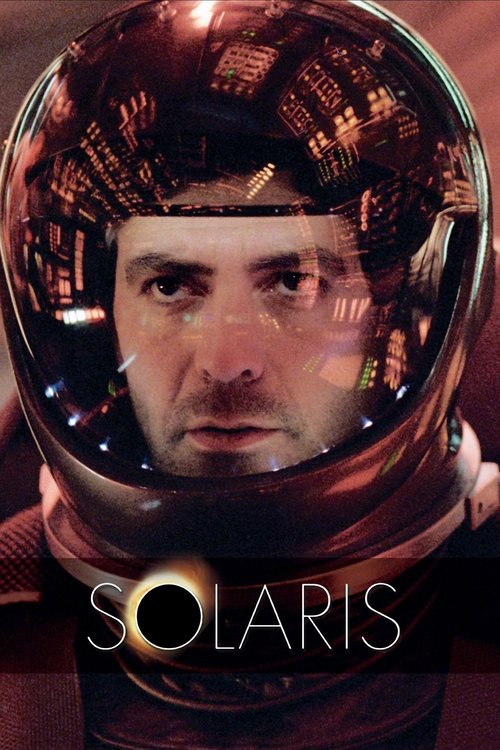
Clearly inspired by "Solaris" and "2001," Aronofsky's great love story is a more organic pondering of the meaning of life, rooted in the past and present as much as the future.
The film will draw comparisons with Steven Soderbergh’s touching “Solaris”, a less polished and simpler film, but one which struck with more of an emotional hammer to it.
And I suppose there’s a little Zardoz in The Fountain — along with some of Kubrick’s 2001 (1968), Ken Russell’s Altered States (1980), Andrei Tarkovsky’s Solaris (1972) and perhaps even a smattering of George Dunning’s Yellow Submarine (1968).
Much like Steven Soderbergh�s take on Solaris, which spoke greater volumes in its silence and truncated length than The Fountain ever does, the repetitious nature of yanking us back and forth and forthback from one time period to the next is destined to frustrate some and anger more just as they�re falling into understanding or appreciating the loaded text.
Every frame hums with passion; like 2001 and Solaris (both versions), this is an art film in sci-fi dress, speaking eternal truths in the language of light shows.
He hasn’t achieved the unsettling resonance of a 2001 or a Solaris, but has managed to leave critics speechless and shaking their heads and staring at each other desperately.
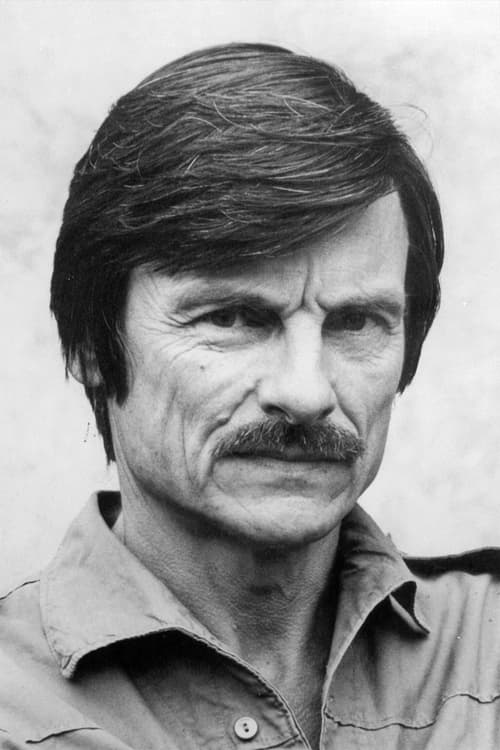
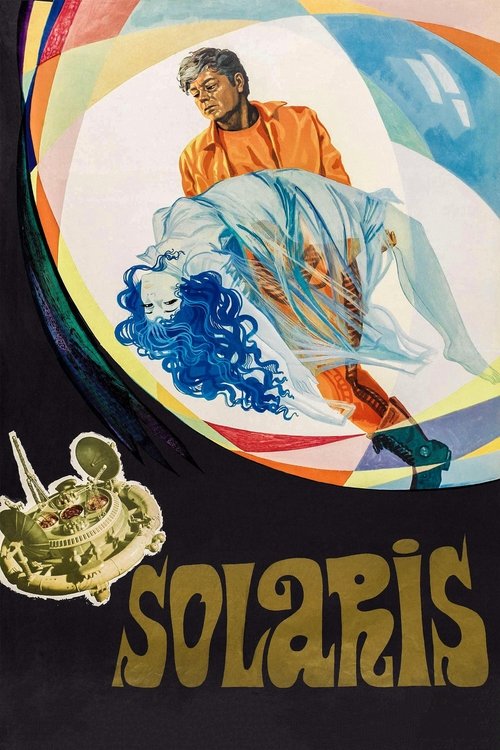
And I suppose there's a little Zardoz in The Fountain along with some of Kubrick's 2001 (1968), Ken Russell's Altered States (1980), Andrei Tarkovsky's Solaris (1972) and perhaps even a smattering of George Dunning's Yellow Submarine (1968).
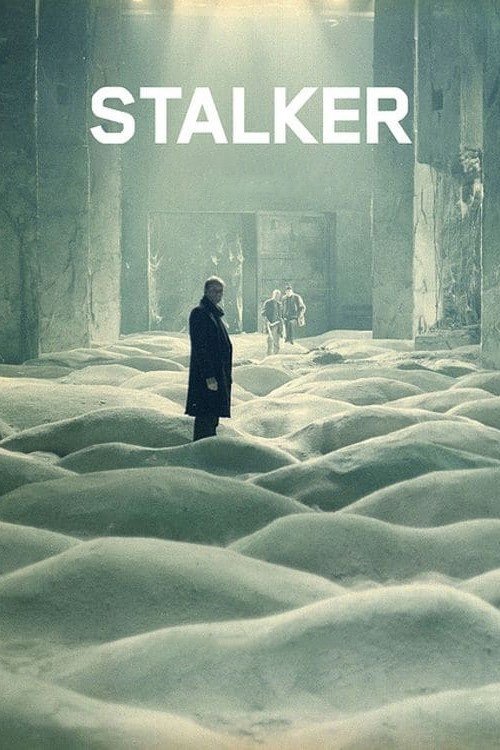
But it may not transcend the world of cult sci-fi as with other slightly out-of-step oddities like John Boorman's Zardoz (1974), David Lynch's Dune (1984) and Tarkovsky's Stalker (1979).
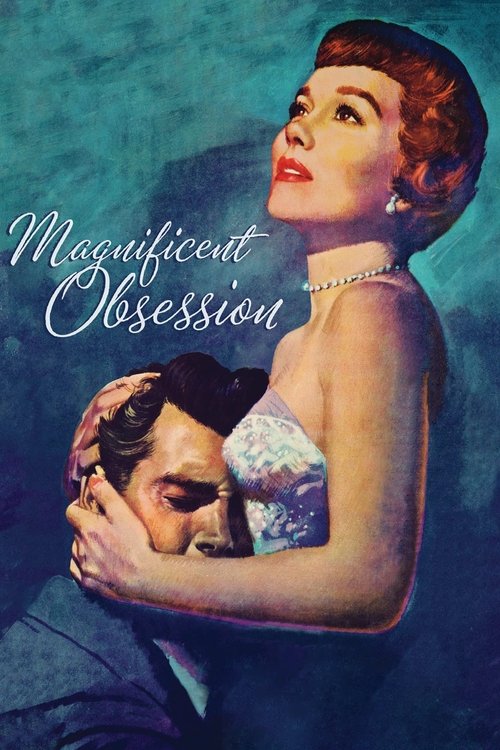
…cross between Stanley Kubrick's "2001" and Douglas Sirk's delicious 1954 soaper, "Magnificent Obsession," "The Fountain" is moving only as a testament to Aronofsky's determination to get his half-baked vision before the public.In all three stories, Hugh Jackman plays the part of the questing male.
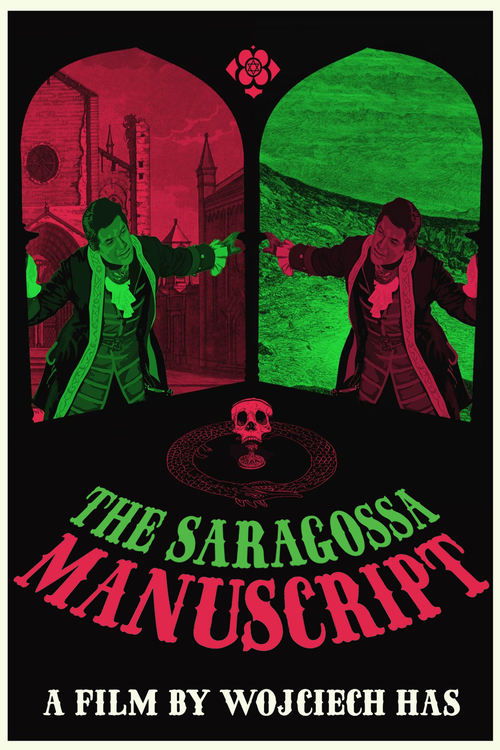
The Fountain is probably the deftest stories-within-stories narrative film I've seen since the very different 1965 Polish film The Saragossa Manuscript (itself based on an early 19th-century novel).
Advertisement
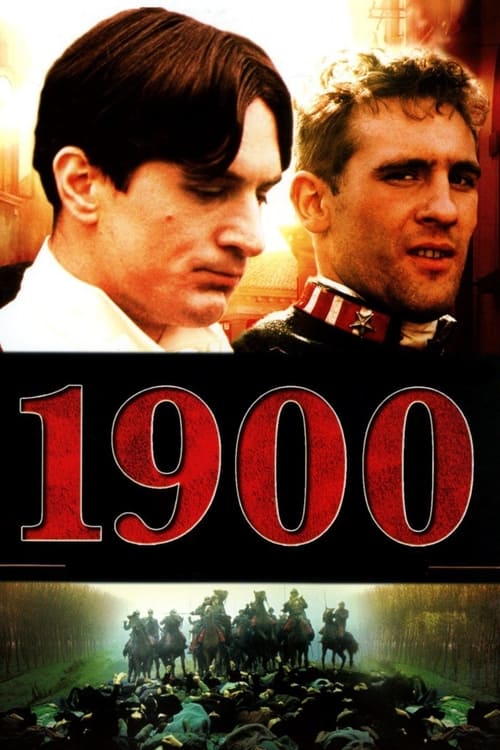
By all means, in the sense that Paul Thomas Anderson's " Magnolia " or Gus Van Sant's " My Own Private Idaho " or Martin Scorsese's " New York, New York " or Bernardo Bertolucci's "1900" are follies.
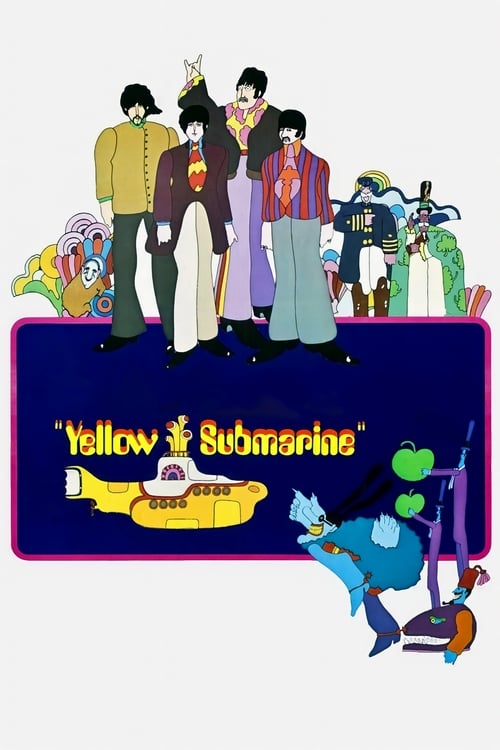
And I suppose there’s a little Zardoz in The Fountain — along with some of Kubrick’s 2001 (1968), Ken Russell’s Altered States (1980), Andrei Tarkovsky’s Solaris (1972) and perhaps even a smattering of George Dunning’s Yellow Submarine (1968).