
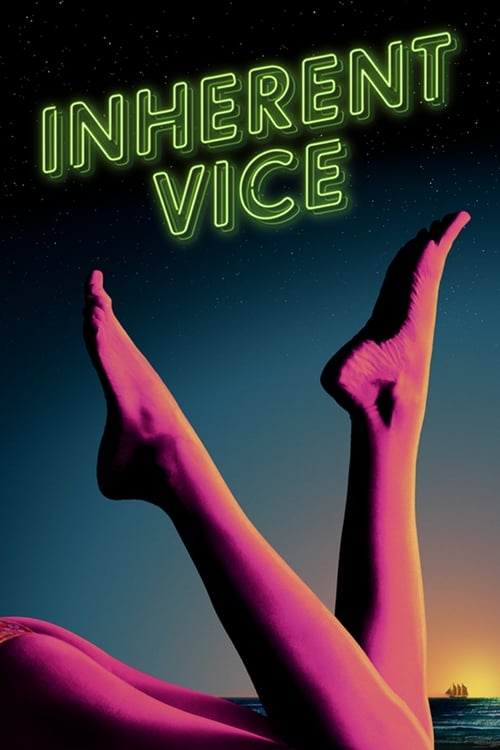
Inherent Vice (2014)
Directed by Paul Thomas Anderson
In Los Angeles at the turn of the 1970s, drug-fueled detective Larry "Doc" Sportello investigates the disappearance of an ex-girlfriend.
40 connections found
View:
40 films that influenced Inherent Vice
What critics say influenced Inherent Vice
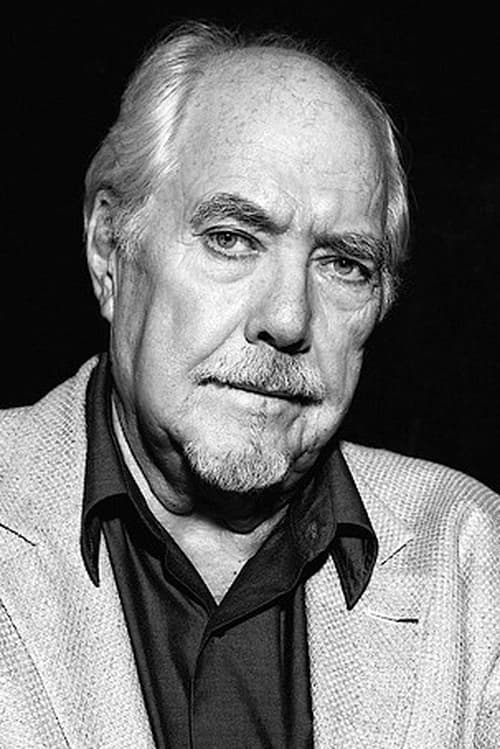



Not only does it continue Anderson’s impossible-to-predict genre shifting, but it feels like a particularly heightened variation on Altman’s The Long Goodbye (1973), which had the radical notion of planting Raymond Chandler’s hardened private dick Philip Marlowe smack in the middle of Southern California hippie culture and having Elliott Gould play him as a languid dolt (one of ’70s Hollywood’s most memorable deconstructions of heroism).
The slow disgust, the moral apathy, the hippie princesses and the louts who victimized them — it was all there first in "The Long Goodbye."
Joaquin Phoenix resists the urge to take the easy way out and plays Doc not as Shaggy from "Scooby-Doo" but as a sadder, scruffier Philip Marlowe from Robert Altman's "The Long Goodbye," the movie Anderson uses as a touchstone.
It’s already a cliché to describe the film as a combination of the Coen brothers’ “The Big Lebowski” and Robert Altman’s “The Long Goodbye,” and while that doesn’t capture everything it’s close enough to be irresistible.
It’s true bones lie more in accordance with Robert Altman’s elegiac “The Long Goodbye” and Roman Polanski’s “Chinatown.”
Freely but faithfully adapted by Anderson from Thomas Pynchon’s 2009 detective novel — the first of the legendary author’s works to reach the screen — Anderson’s seventh feature film is a groovy, richly funny stoner romp that has less in common with “The Big Lebowski” than with the strain of fatalistic, ’70s-era California noirs (“Chinatown,” “The Long Goodbye,” “Night Moves”) in which the question of “whodunit?”
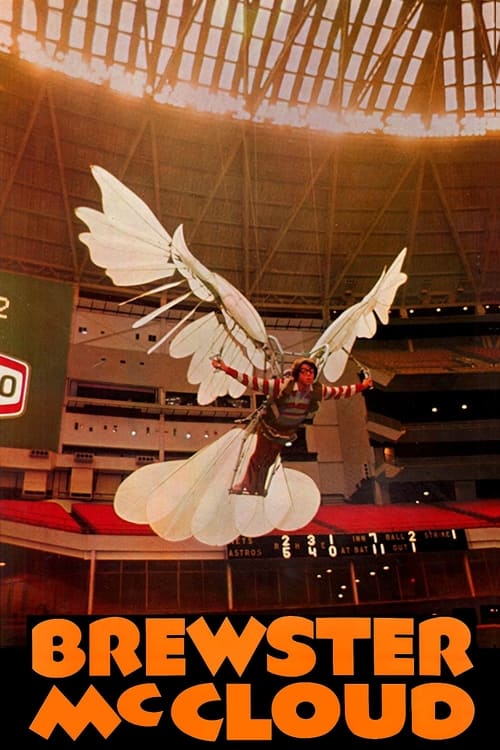
Maverick Robert Altman's was Brewster McCloud (a favorite of mine).
The humor, though, is closer to “Brewster McCloud”: zany, wacky, almost alienatingly eccentric.
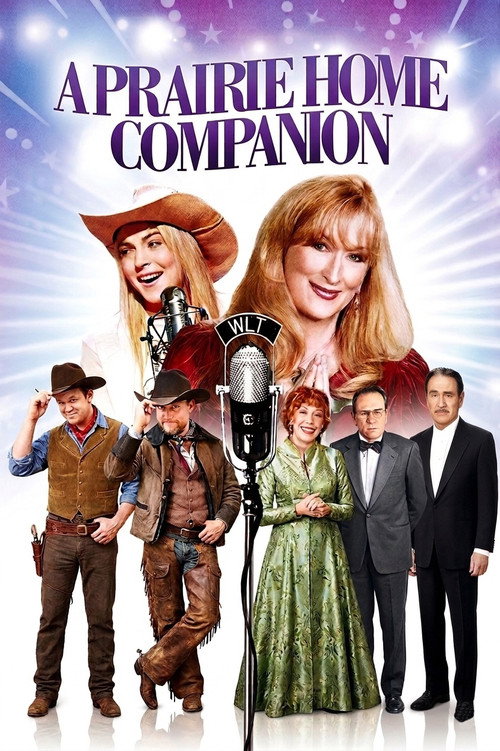
This is unsurprising—Anderson has long cited Altman as one of his influences and was an additional director on Altman's last film, A Prairie Home Companion.
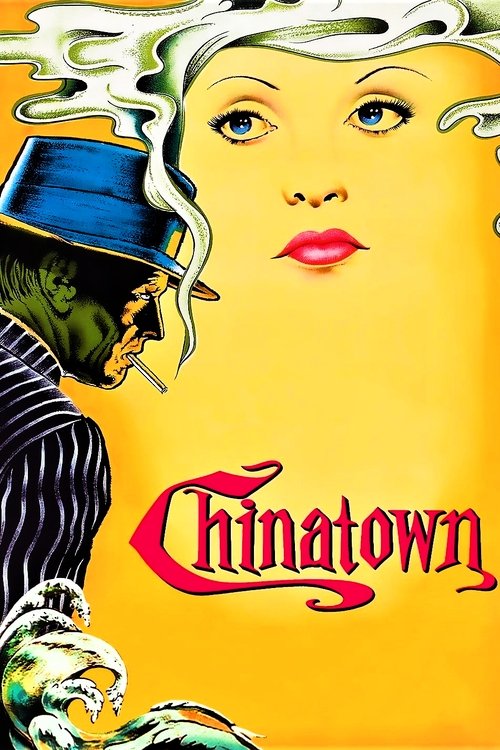
Like many of his contemporaries, Anderson mistakes movie references for ideas — this one recalls those 1970s sunshine noirs “Chinatown” and “The Long Goodbye.”
Tubeside"), to the meandering plot, recalling The Big Sleep , Chinatown , and -- yes -- Lebowski .
Joaquin Phoenix gives a relatively restrained (for him) performance as a substance-loving private eye who gets drawn into a convoluted conspiracy very vaguely reminiscent of “Chinatown’’ involving a real-estate magnate (Eric Roberts).
The land-development angle recalls Chinatown, of course, but the biggest single influence is Robert Altman’s The Long Goodbye, which similarly told the story of a private eye in a ‘70s-era Los Angeles that had left him behind.
If The Master—a better movie, if only by virtue of being one of the best of this decade so far—riffed on some of the major themes of 1940s film noir (the returning veteran, charlatanism, sexual anxiety), Inherent Vice is closer to Chinatown.
Some of the mysteries intersect and resolve — akin to “Chinatown,” with land swapped for water — but most crest and recede rather than coalesce into a clearly delineated conspiracy.
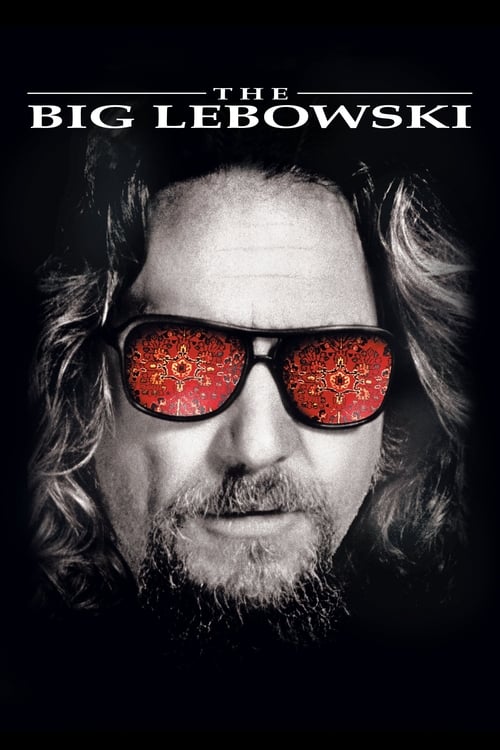
In that way, Inherent Vice will undoubtedly remind younger moviegoers of The Big Lebowski, when in fact they’re both working from the same common set of references and echoes.
Paul Thomas Anderson’s combination energy – equally frantic and laid back, often at the exact same time – will evoke many pleasant memories of The Big Lebowski.
Adapted from Thomas Pynchon's 2009 novel, the movie has been compared by many to the Coen brothers' " The Big Lebowski ," a drug-fueled LA comedy with a similarly labyrinthian mystery (or "mystery") and some shared themes.
It’s already a cliché to describe the film as a combination of the Coen brothers’ “The Big Lebowski” and Robert Altman’s “The Long Goodbye,” and while that doesn’t capture everything it’s close enough to be irresistible.
Even with the added help of an imaginary female sidekick and narrator (Joanna Newsom, slightly vocal-fried and off-period), Inherent Vice dares you to tame it or compare it to similarly shaggy predecessors—to Robert Altman's radical The Long Goodbye or the Coens' The Big Lebowski.
The Big Sleep, which many have referenced as a companion, is full of dry wit and so too are convoluted mysteries like Kiss, Kiss Bang Bang and The Big Lebowski, which are also more fun.
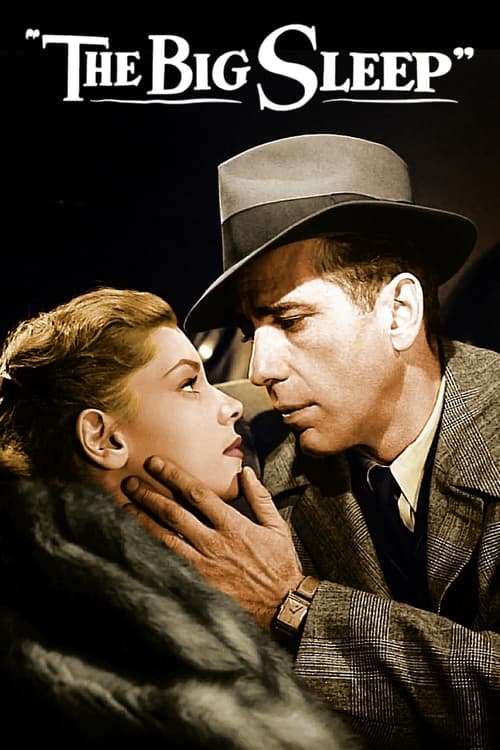
Anderson also admitted that he gave up trying to make sense, using Howard Hawks and Jules Furthman's famous Philip Marlowe movie "The Big Sleep" as his touchstone.
Later, when discussing the very elaborate and oft-discombobulating plot, Anderson referenced the film-noir classic The Big Sleep (1946) as an indecipherable influence.
Watching Paul Thomas Anderson’s wonderfully textured and intricate LA-set Inherent Vice, you are easily reminded of the famous story about Howard Hawks’ version of The Big Sleep (1946).
Drifting in the netherworld between The Big Sleep and The Big Lebowski (with Altman’s The Long Goodbye providing significant spiritual guidance), Inherent Vice does an extraordinary job of translating Pynchon’s prose to the screen; for all its free-fall feel and apparently scattershot structure, Anderson’s Oscar-nominated screenplay (which lifts much of its dialogue directly from the book) and open-hearted direction effectively distil the author’s distinctive literary aesthetic, even when occasionally diverging from the source material.
The film, which takes place in 1970, follows stoner, sandal-clad private detective Larry “Doc” Sportello (Joaquin Phoenix) as he becomes further and further enmeshed in a mystery that makes Raymond Chandler’s The Big Sleep — or Howard Hawks’ even more impenetrable 1946 film of that novel — look positively straightforward.
During the production of 1946's The Big Sleep , director Howard Hawks and his screenwriters found themselves with an unanswered question about the murder plot that drove the Bogart-Bacall film: Who'd killed the chauffeur?
Advertisement
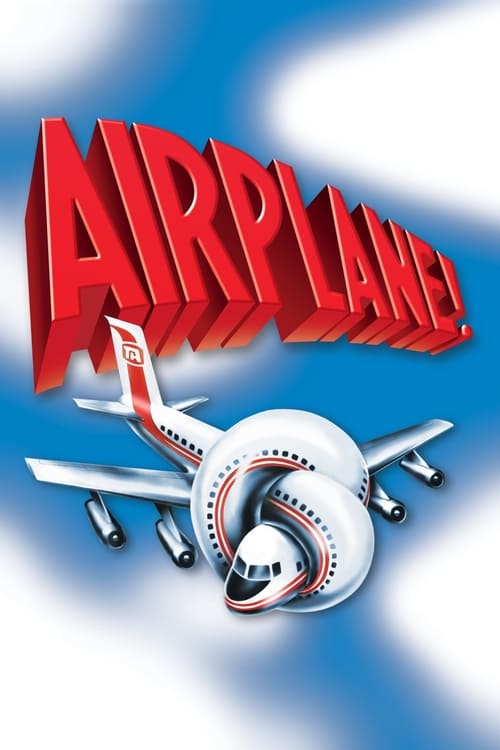
Anderson says his style of directing actors was inspired by the farces — Airplane!
(Anderson claims to have gotten the idea from the Zucker-Abrahams-Zucker comedies Airplane!
Here, people perhaps expected something hard-boiled, and got Paul Thomas Anderson's take on Airplane!
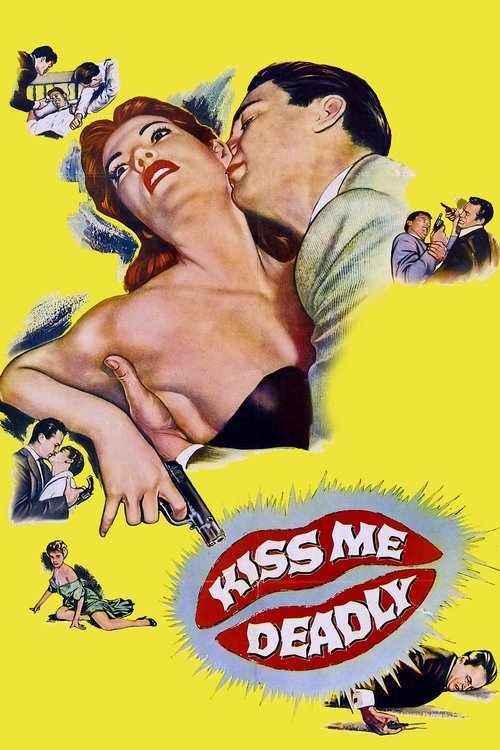
The female schemer is Wolfmann’s English wife (Serena Scott Thomas), whom Doc interviews briefly in a poolside scene lifted from the pulp masterpiece Robert Aldrich made of Mickey Spillane’s Kiss Me Deadly .
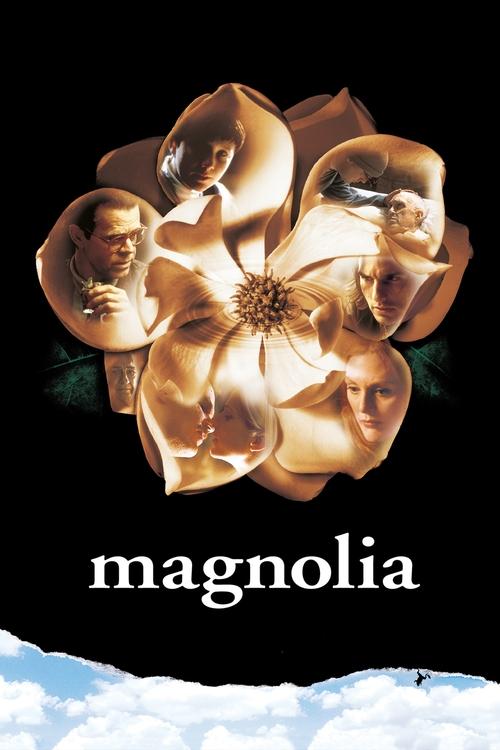
“Inherent Vice,” while not as satisfying as Anderson’s masterpiece “Magnolia,” is a strange, twisting (and sometimes-twisted) tale that reminded me of “Fear and Loathing in Las Vegas” because it shares Hunter Thompson’s “gonzo” vibe.
As with Magnolia and Punch-Drunk Love, the filmmaker has created another vivid Los Angeles, one that doesn't lean too hard on its pop-culture references to TV's Adam-12 or Neil Young's gentle Harvest album.
This is the first time revered and reclusive American author Thomas Pynchon has been adapted for the big screen; you could say he’s found his perfect match in the man behind Magnolia and There Will Be Blood .
As with previous Anderson films, which include “Boogie Nights” and “Magnolia,” the movie contains colorful and questing characters looking for familial or spiritual connection in Los Angeles and thereabouts.
As a director, Anderson painted on the large canvas before he had the material to fill it: Boogie Nights and Magnolia now look drastically overambitious and it wasn’t until There Will Be Blood that he succeeded in matching form with content.
His heir apparent, Paul Thomas Anderson, however, has had success following a similar format of telling complex tales filled with lots of characters, such as occurred in "Magnolia," "Boogie Nights" and "The Master."

As with previous Anderson films, which include “Boogie Nights” and “Magnolia,” the movie contains colorful and questing characters looking for familial or spiritual connection in Los Angeles and thereabouts.
As a director, Anderson painted on the large canvas before he had the material to fill it: Boogie Nights and Magnolia now look drastically overambitious and it wasn’t until There Will Be Blood that he succeeded in matching form with content.
It’s a spiritual prequel to Boogie Nights , depicting a last gasp of idealism before a crackdown.
“Inherent Vice” is an absurdist gag from the occasionally brilliant writer/director Paul Thomas Anderson, whose exquisite filmography runs from “Boogie Nights” to “There Will Be Blood.”
I say this because Inherent Vice , the new film from indisputably great Boogie Nights and There Will Be Blood director Paul Thomas Anderson, is by far 2014's biggest disappointment for me.
…out of Boogie Nights (December 18/07) (December 18/07) With Boogie Nights , Paul Thomas Anderson cements his reputation as one of the most gifted filmmakers of his generation - as the movie comes off as dazzling and utterly hypnotic piece of work that generally holds one's interest for the duration of its 156-minute running time.
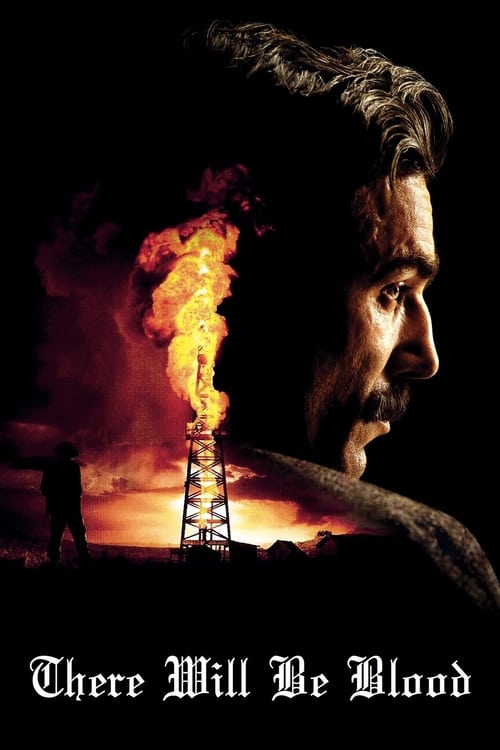
This is the first time revered and reclusive American author Thomas Pynchon has been adapted for the big screen; you could say he’s found his perfect match in the man behind Magnolia and There Will Be Blood .
As a director, Anderson painted on the large canvas before he had the material to fill it: Boogie Nights and Magnolia now look drastically overambitious and it wasn’t until There Will Be Blood that he succeeded in matching form with content.
Reprising the yin-yang antagonism-duality of the main men in There Will Be Blood and The Master, Bigfoot and Doc might share a fraternal vibe — kind of like Cain and Abel — though when Doc absently calls him "bro," Bigfoot snaps back, "I'm not your brother."
“Inherent Vice” is an absurdist gag from the occasionally brilliant writer/director Paul Thomas Anderson, whose exquisite filmography runs from “Boogie Nights” to “There Will Be Blood.”
I say this because Inherent Vice , the new film from indisputably great Boogie Nights and There Will Be Blood director Paul Thomas Anderson, is by far 2014's biggest disappointment for me.
Like a match made in high-minded artistic heaven, filmmaker Paul Thomas Anderson ( The Master, There Will Be Blood ) takes on a novel from elusive author Thomas Pynchon and turns its noir detective tale into a hilariously subversive deconstruction of '60s-era culture (and counter-culture).
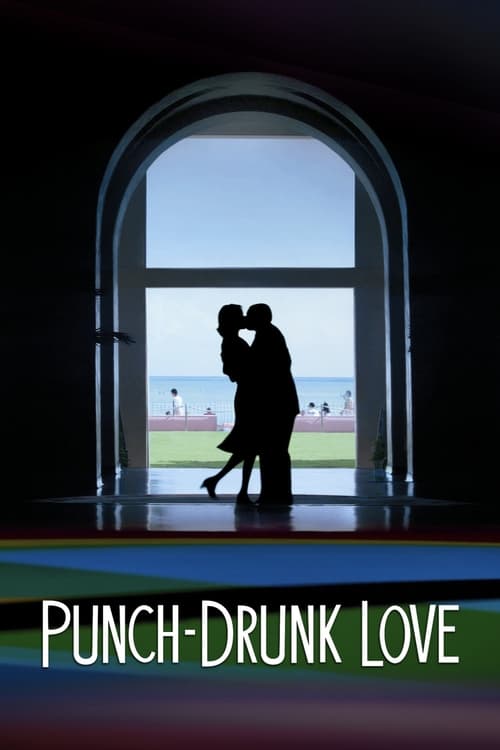
As with Magnolia and Punch-Drunk Love, the filmmaker has created another vivid Los Angeles, one that doesn't lean too hard on its pop-culture references to TV's Adam-12 or Neil Young's gentle Harvest album.
But it’s also freewheeling, breezy and funny in ways we’ve rarely seen Anderson attempt — an unexpectedly delightful detour not unlike his “Punch-Drunk Love,” able to maintain thematic weight while easing back on the intensity a bit.
…out of Punch-Drunk Love (January 1/08) (January 1/08) Though saddled with as slight a storyline as one could imagine, Punch-Drunk Love nevertheless establishes itself as yet another endlessly compelling and intricately layered effort from filmmaker Paul Thomas Anderson.
If any filmmaker working today could possibly crack this riddle, it would seem to be Paul Thomas Anderson, an auteur specializing in multilayered euphoria who proved with 1997's "Boogie Nights," 1999's " Magnolia ," and 2002's " Punch-Drunk Love " that he knows his way around the Californian landscape.
And yet — like Anderson’s “The Master,” as well as “Punch-Drunk Love” — there’s nothing remotely like it.
To date, every Anderson film has been some degree of brilliant -- Boogie Nights , Magnolia , Punch-Drunk Love , There Will Be Blood , and The Master are exceptional works that earned a great deal of well-deserved critical acclaim and award season attention.
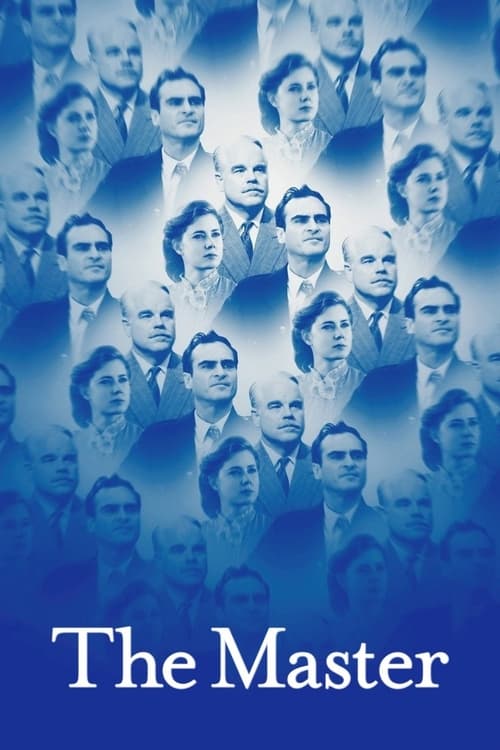
Anderson’s preceding film, “The Master,” split audiences (and fellow critics) because it worked better as a collection of individual moments than as a functional story.
In the lead role of "Doc" Sportello, well-practiced marijuana smoker and surprisingly dogged private eye, Joaquin Phoenix provides a splendid companion piece to his performance in Anderson's last film, The Master , once again capturing a particular moment in the history of American anomie with miraculous precision, this time playing his character's alienation from the mainstream with warmth and self-knowledge rather than as a horrifying blank.
The one which you might call an exception was his last project, “The Master,” which, despite featuring a trio of amazing performances, suffered terribly from what you could refer to as “wandering narrative syndrome,” where it became very evident that Anderson just wasn’t sure what he wanted to do with the story and characters.
However, whereas the Coens infused The Big Lebowski with an indelible drugged-out charm, much of it courtesy of Jeff Bridges’s now-legendary performance as The Dude, which helps the film go down smooth despite its shaggy-dog plot meandering and nonsensical digressions, Inherent Vice feels conspicuously labored in evoking the blissed-out world of its slacker hero, a bumbling private detective named Larry “Doc” Sportello (Joaquin Phoenix, who also headlined Anderson’s previous film, 2012’s The Master).
Coming off the grand, eccentric "There Will Be Blood" and "The Master," a couple of great American movies, Anderson's latest is smaller potatoes.
After exploring cult mentality along the Eastern Seaboard in "The Master," "Inherent Vice" brings us back to Anderson's favorite locale: steamy Southern California's more unsavory sides.
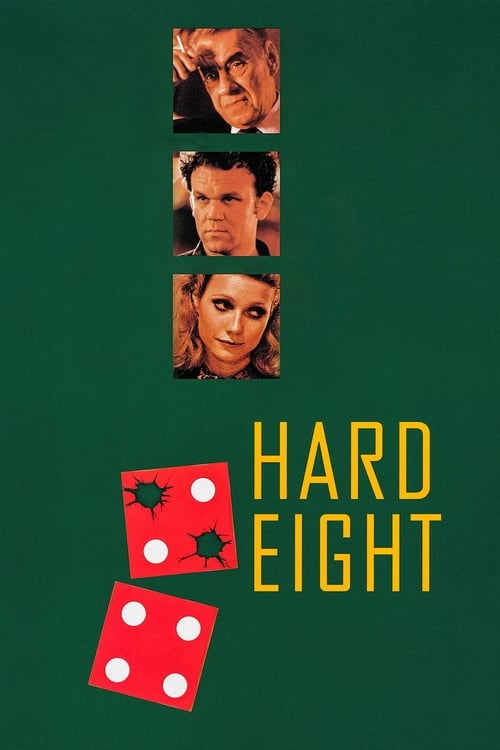
The Films of Paul Thomas Anderson Hard Eight (November 24/07) Paul Thomas Anderson's feature-length debut, Hard Eight is a low-key yet sporadically fascinating drama revolving around Philip Baker Hall's Sydney and John C. Reilly's John.
If his lackluster half-film “The Master” didn’t you put you off the director responsible for such instant classics as “Hard Eight,” “Boogie Nights,” “Magnolia,” and “There Will Be Blood,” then his latest effort will make you doubt if he is capable of ever returning to the height of his former glories.
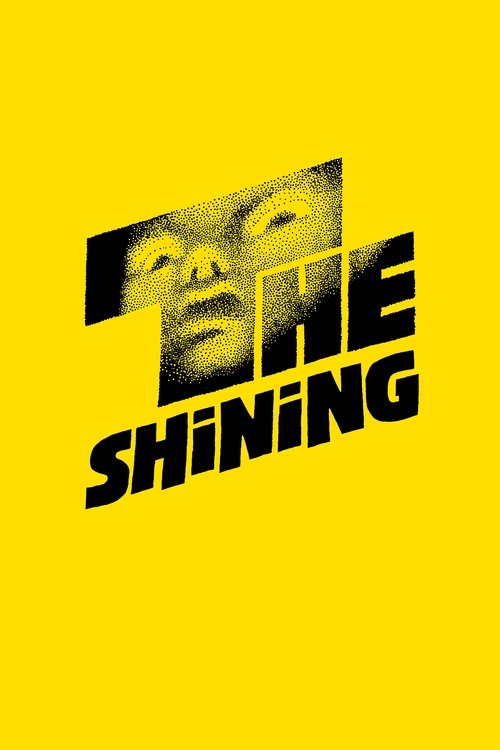
The other extreme takes the approach of a conspiracy theory enthusiast where a nod or a wink from the protagonist tugs on threads leading to a director’s intent on how the moon landing was faked (an actual theory held about Stanley Kubrick and The Shining showcased in the excellent documentary Room 237 ).
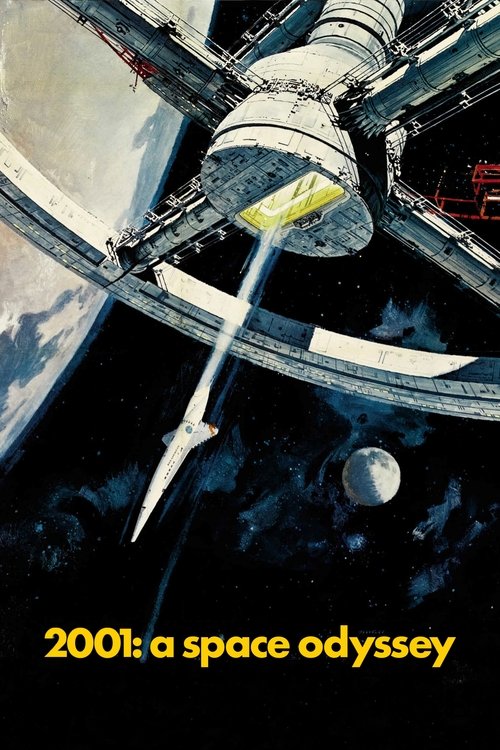
Some people, it’s rumored, enjoy watching films through a drug-induced haze; that was certainly the case back in 1968, when not a few viewers discovered to their delight that the best way of experiencing the last reel of “2001: A Space Odyssey” was in a somewhat altered state.
Anderson called on the opening of 2001: A Space Odyssey for the first scenes of There Will Be Blood .
Advertisement
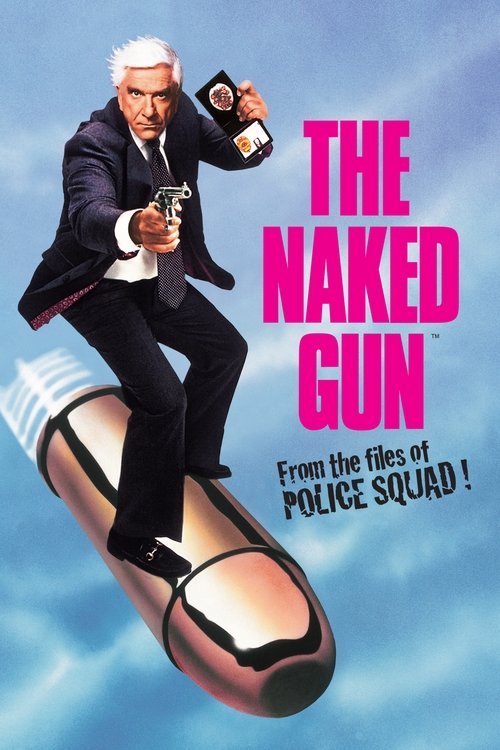
…and The Naked Gun were laugh-a-minute, whereas Inherent Vice is more baffled-guffaw-every-now-and-then.
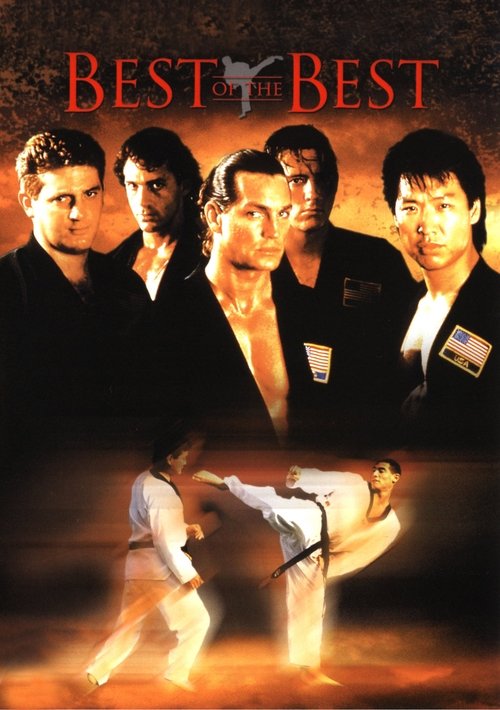
She's now seeing big-shot real estate millionaire Mickey Wolfmann (Eric Roberts, Best of the Best ) and she comes to Doc because Wolfmann's wife and his wife's boyfriend need her to help them get Wolfmann committed to a mental institute and take all his money.