
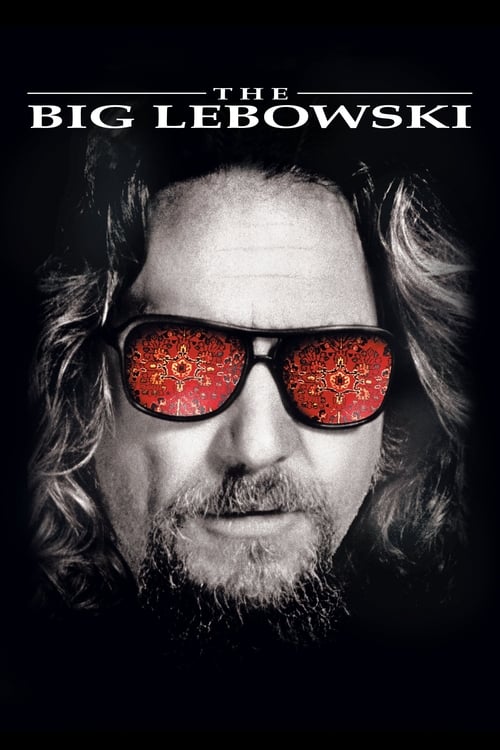
The Big Lebowski (1998)
Directed by Joel Coen
Jeffrey 'The Dude' Lebowski, a Los Angeles slacker who only wants to bowl and drink White Russians, is mistaken for another Jeffrey Lebowski, a wheelchair-bound millionaire, and finds himself dragged into a strange series of events involving nihilists, adult film producers, ferrets, errant toes, and large sums of money.
18 connections found
View:
18 films that influenced The Big Lebowski
What critics say influenced The Big Lebowski
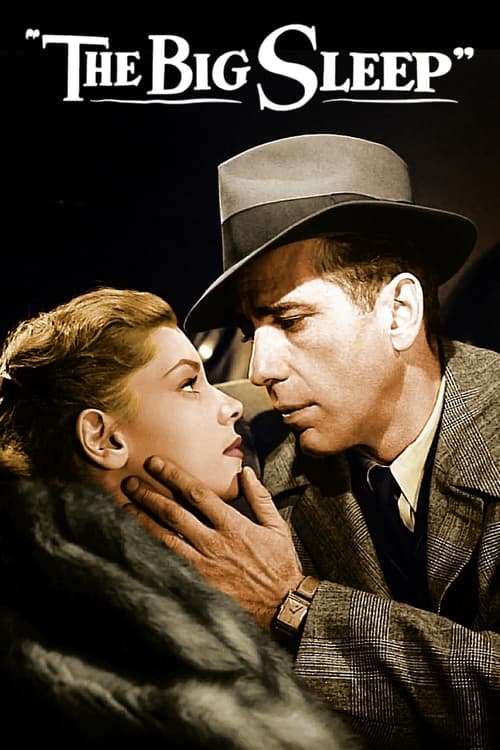


You'd never guess that the movie is loosely based on Raymond Chandler's detective novel "The Big Sleep."
The Coens' ostensible goal is to play with the idea of a Raymond Chandler mystery like The Big Sleep (a sleuth, a millionaire, a good daughter, a bad girl, and a wide spectrum of Los Angeles weirdos), given a contemporary spin à la Robert Altman's The Long Goodbye.
That they would follow it up with O Brother, Where Art Thou? , their take on The Odyssey, speaks to a mission statement of sorts: like it, The Big Lebowski is a distillation of a classic piece of literature (Raymond Chandler's The Big Sleep) that completely understands its simultaneous responsibility to its own medium and to its source material.
But the plot involving kidnapping, extortion and much stupidity is more like "Fargo" or a surreal version of Raymond Chandler's "The Big Sleep."
"Lebowski" boasts a dizzying concentration of elements, from a shambling '90s knockoff of "The Big Sleep" to a tribute to bowling culture, a delightful visual celebration of artificial light and synthetic surfaces, a send-up of art-damaged Euro-pretension, fantasy/dream sequences that would make Busby Berkeley or Michael Powell proud, a running gag on the conventions of voice-over narration and a paean to middle-American male sentimentality.
Known for their quirky, off-kilter genre experiments (Blood Simple, Raising Arizona, The Hudsucker Proxy, Fargo), the Coens were sure to give us something as unabashedly weird as their title, a take-off on that of the highly influential Bogart-Bacall vehicle The Big Sleep.

The Coens' ostensible goal is to play with the idea of a Raymond Chandler mystery like The Big Sleep (a sleuth, a millionaire, a good daughter, a bad girl, and a wide spectrum of Los Angeles weirdos), given a contemporary spin à la Robert Altman's The Long Goodbye.
That would be like saying John Huston’s The Maltese Falcon (1941)—which along with Howard Hawks’s The Big Sleep (1946), and Robert Altman’s The Long Goodbye (1973) comprise the holy trinity of noirs the Coens pillaged to piece together their own plot and dramaturgy—is about a guy trying to get his hands on a statue.
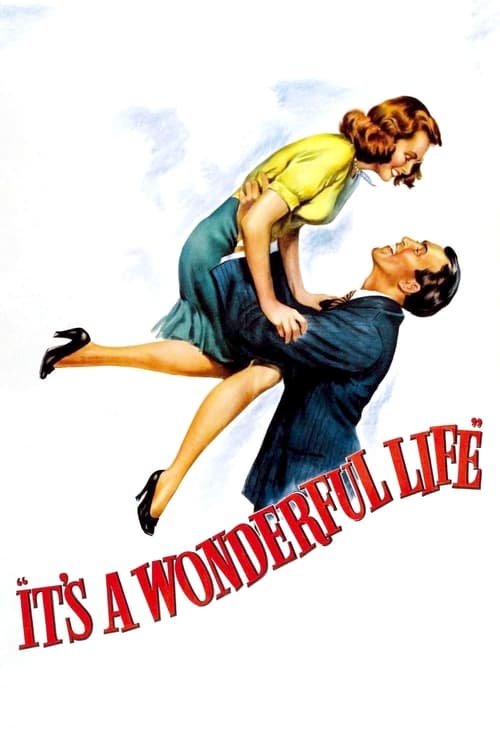
Bridges is at his best here in his moments of addled confusion, as in a hilarious confrontation with the richer (i.e., "The Big") Jeff Lebowski, played at punchy Full Rant by David Huddleston (sort of a pissed-off Lionel Barrymore from It's a Wonderful Life), or an even more uproarious scene in which a gaggle of hapless thugs try to pump the Dude for information by dropping a live, shrieking marmot into his bathwater.
And David Huddleston plays Lebowski like Mr. Potter from It's a Wonderful Life , wheelchair and all.
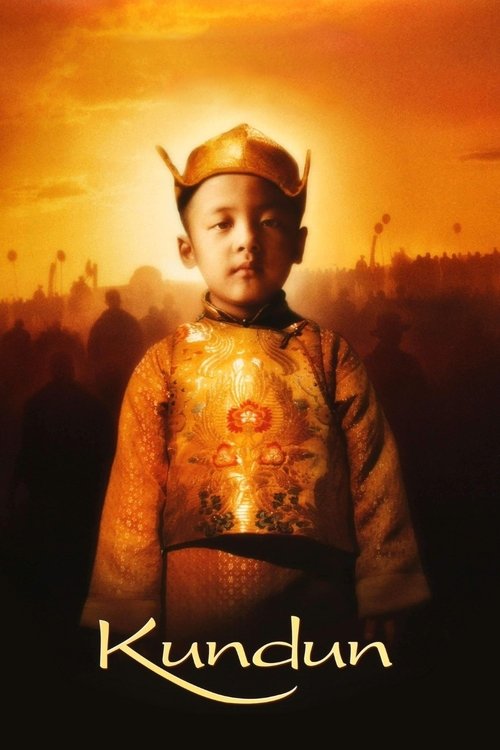
Ace cinematographer Roger Deakins (Fargo, Kundun ) shoots a bowling lane the way Martin Scorsese shot pool tables in The Color of Money.
Saving graces include the photography by Roger Deakins ("Kundun"), the music by Carter Burwell and most of the performances.
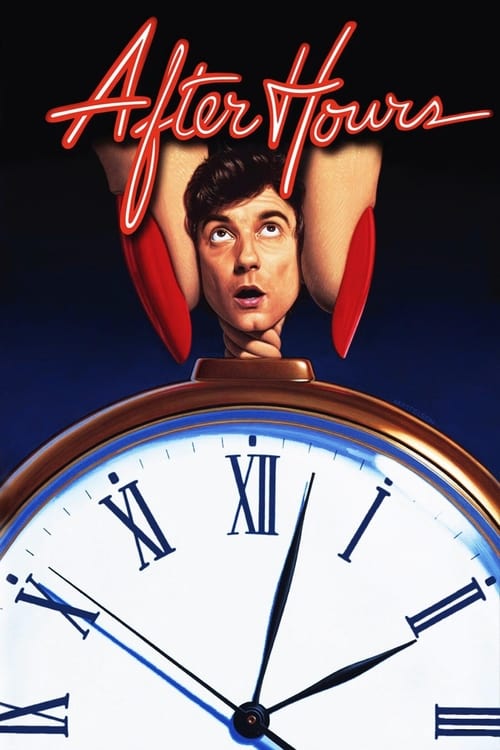
I'll continue to believe that Lebowski is like After Hours as scripted by Raymond Chandler.
Advertisement
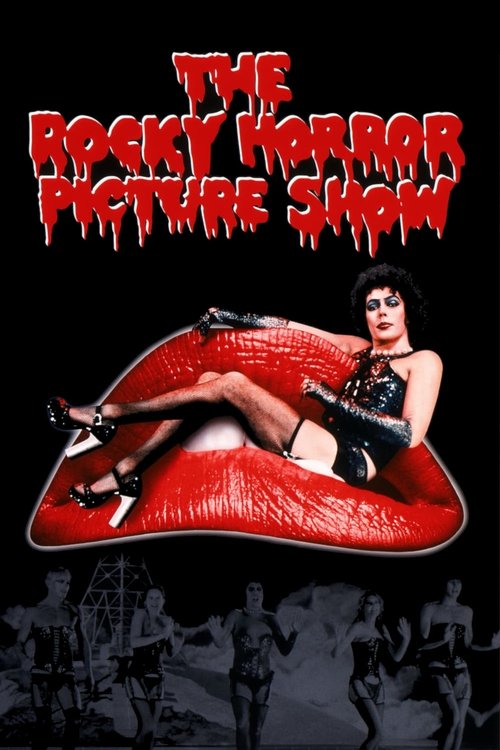
It’s not surprising that the Coens would produce the most memorable cult hit since The Rocky Horror Picture Show (1975).
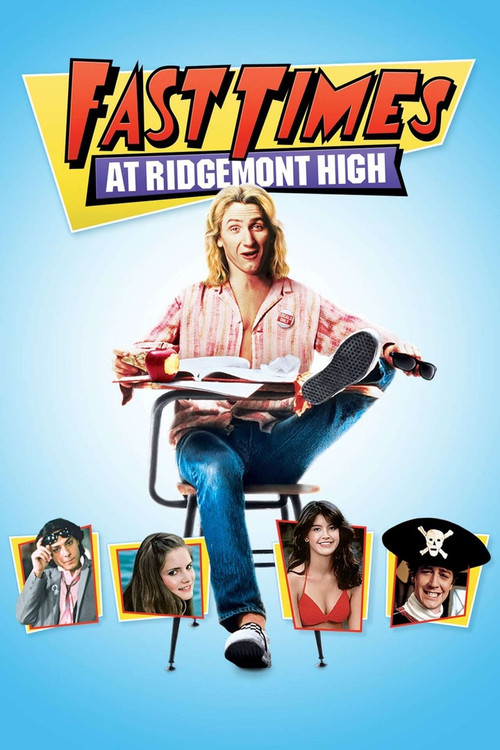
Think back to "Fast Times at Ridgemont High," the 1982 comedy, and you'll remember Spicoli, the surfer dude played by Sean Penn.
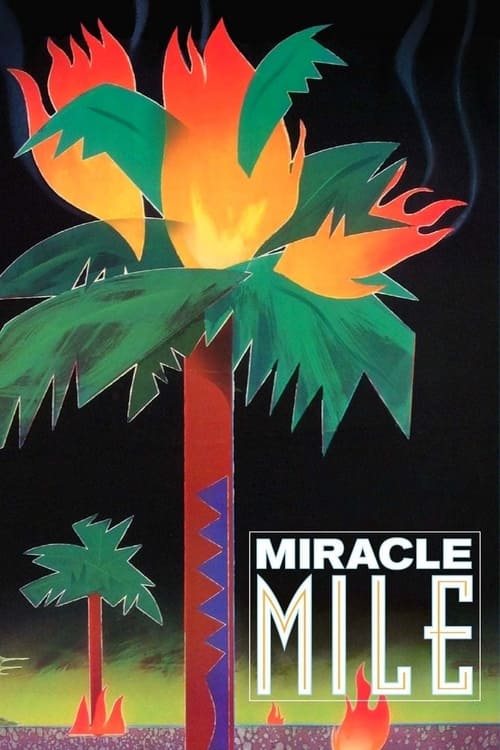
A scene set in Wilshire's legendary coffee shop Johnie's, in fact, celebrates the tenth anniversary in 1998 of Steve De Jarnatt's similarly Pynchon-indebted Miracle Mile.
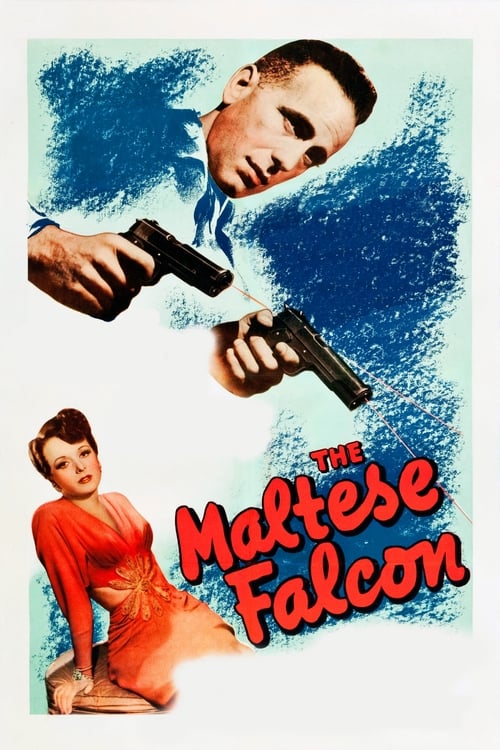
That would be like saying John Huston’s The Maltese Falcon (1941)—which along with Howard Hawks’s The Big Sleep (1946), and Robert Altman’s The Long Goodbye (1973) comprise the holy trinity of noirs the Coens pillaged to piece together their own plot and dramaturgy—is about a guy trying to get his hands on a statue.
Advertisement
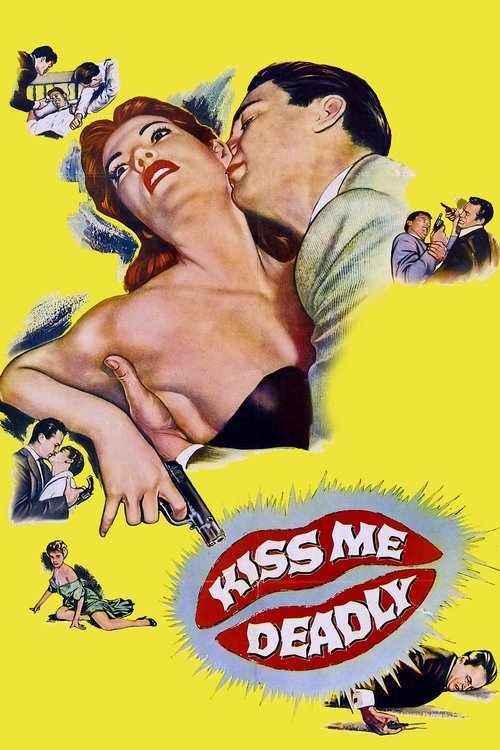
Indeed, "Lebowski" is something more surprising than a masterpiece -- it's a genuine big-screen entertainment for ordinary people, a hilarious, sweet-tempered comedy that you'll enjoy tremendously even if you can't quote a word of dialogue from "Kiss Me Deadly."
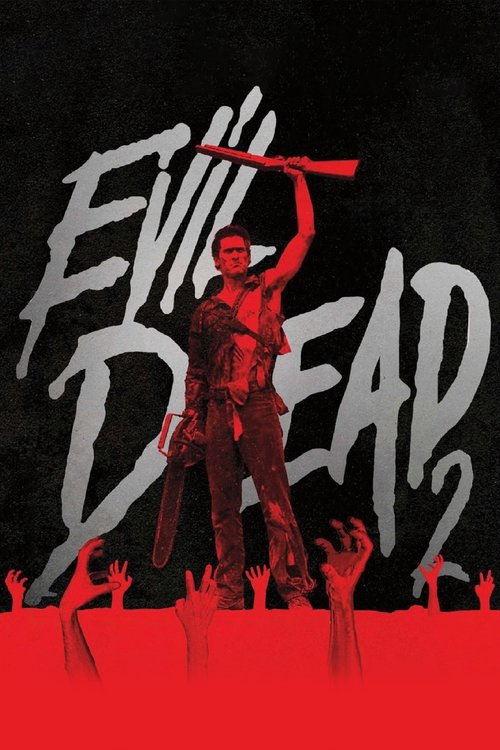
Perhaps it's a stretch to bring sociology into it, but at the least Evil Dead II inspires dissection--by the theorist, by the stylist, by the fan of The Stooges and the Marx Brothers (who, with their appearance in Rob Zombie's films, seem to have inspired a lot of discomfort in their barely-contained anarchic explosions), and by the legion of fanatics who treat public screenings with the enthusiasm reserved for The Rocky Horror Picture Show and The Big Lebowski.