
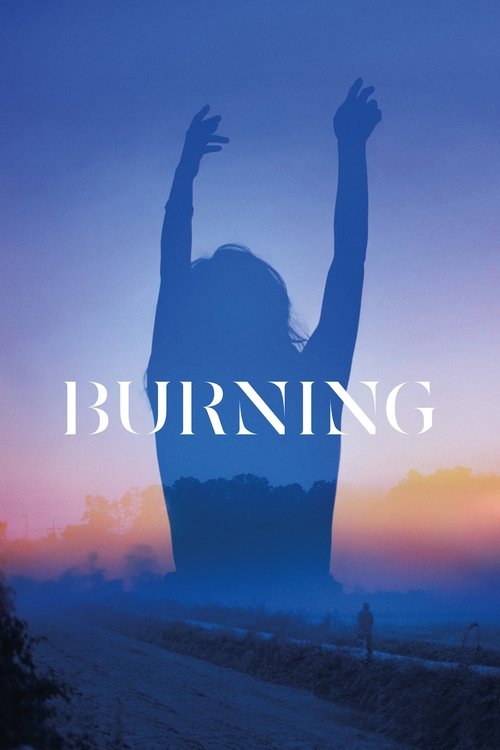
Burning (2018)
Directed by Lee Chang-dong
Deliveryman Jong-su is out on a job when he runs into Hae-mi, a girl who once lived in his neighborhood. She asks if he'd mind looking after her cat while she's away on a trip to Africa. On her return, she introduces to Jong-su an enigmatic young man named Ben, who she met during her trip. One day Ben tells Jong-su about his most unusual hobby.
28 connections found
View:
28 films that influenced Burning
What critics say influenced Burning

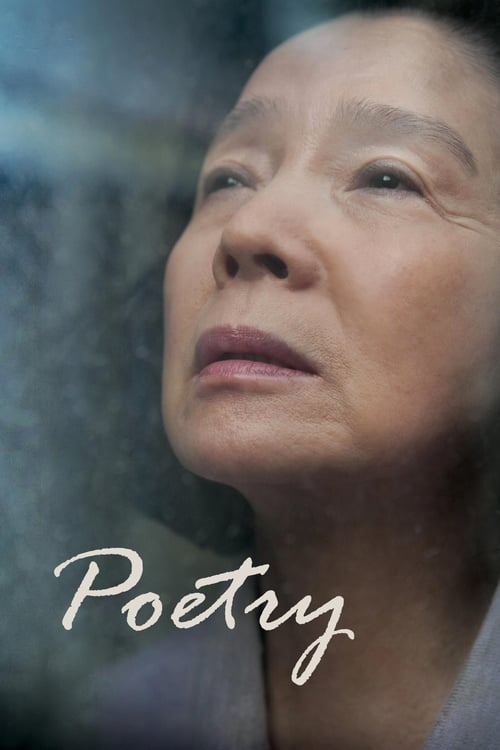


Director Lee Chang-dong (Poetry) and his pitch-perfect leads navigate an anxious romantic triangle that pours tragic fuel on a slow burn that’s one of the best movies of the year.
Much like his last two films, Secret Sunshine (2007) and Poetry (2011), both lyrical examinations of women attempting to cope with tragedy, Korean filmmaker Lee Chang-Dong's Burning is a kind of anti-mystery, a film where murder is the catalyst for a much larger exploration of Korean society.
Both Lee Chang-dong’s previous films see tragedy trail women young and old; his last effort, Poetry (2010), opens with the corpse of a schoolgirl floating downstream in the sun.
Bursting with a novelistic richness spiked with political awareness, Lee specializes in empathetic stories about ordinary people caught up in emotional extremes, be it the doomed hero of the wrenching Peppermint Candy, which begins with his suicide and traces his life backwards, to the aging heroine of his exquisite last film, Poetry, who finds refuge from the onset of Alzheimer’s and a family crime by enrolling in a poetry class.
Lee Chang-dong’s (Poetry) first film in eight years is most definitely worth the wait, a haunting mystery drama that slowly burrows its way under the viewer’s skin and is likely to remain there for days.
A simmering potboiler, Chang-dong, who revels in complex character driven narratives, as evidenced by previous efforts such as 2007’s phenomenal Secret Sunshine and 2010’s Poetry (both which depend exclusively on female driven perspectives), fashions his first significant masculine protagonist in this woebegone study on class issues, loneliness, and the moral bankruptcy of society’s wealthy elite.
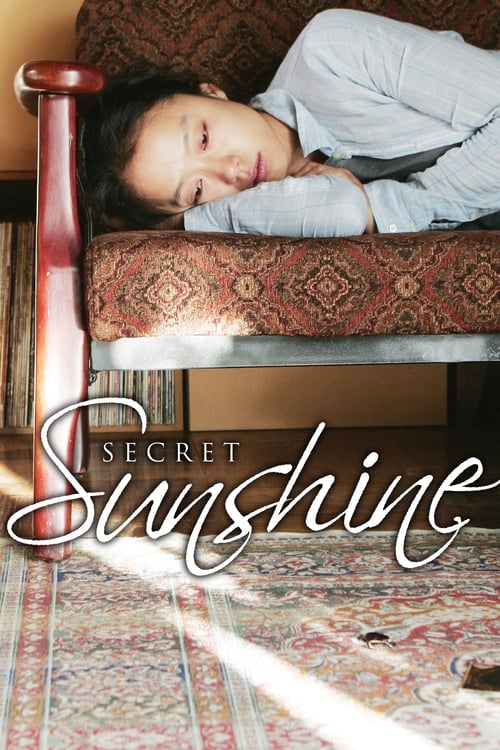
Only a true artist could have made films such as Secret Sunshine (2007) and Oasis (2002), filled with scenes that have stayed lodged in my mind.
Much like his last two films, Secret Sunshine (2007) and Poetry (2011), both lyrical examinations of women attempting to cope with tragedy, Korean filmmaker Lee Chang-Dong's Burning is a kind of anti-mystery, a film where murder is the catalyst for a much larger exploration of Korean society.
Korean filmmaker Lee Chang-dong ( Secret Sunshine ) directed and co-wrote the screenplay with Oh Jung-mi, adding another layer of cultural interpretation.
A simmering potboiler, Chang-dong, who revels in complex character driven narratives, as evidenced by previous efforts such as 2007’s phenomenal Secret Sunshine and 2010’s Poetry (both which depend exclusively on female driven perspectives), fashions his first significant masculine protagonist in this woebegone study on class issues, loneliness, and the moral bankruptcy of society’s wealthy elite.
Director Lee’s previous works include the dramas “Secret Sunshine” (2007) and “Poetry” (2010).
Boasting a fitting title considering the film’s slow burning metaphorical narrative, the latest and best from Chang-dong (Poetry, Secret Sunshine) might seem self-indulgent from the outset, but once a mystery begins to form and a game is afoot, it’s clear that every seemingly inconsequential detail that had been previously doted upon will form key pieces of a masterful mental puzzle where some answers will remain forever out of reach.
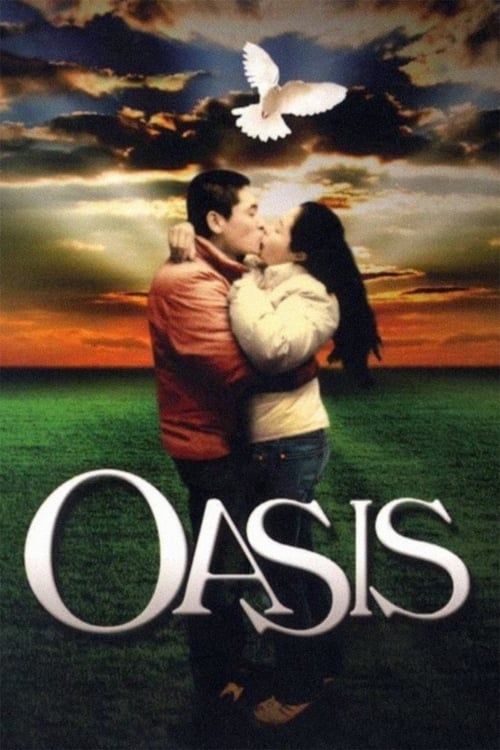
Only a true artist could have made films such as Secret Sunshine (2007) and Oasis (2002), filled with scenes that have stayed lodged in my mind.
The films of Lee Chang-dong (“ Peppermint Candy ”, “ Oasis ”, “ Poetry ”), one of the most esteemed filmmakers from South Korea, are usually layered in a way that requires some patience from the viewer.
His previous four films—Peppermint Candy (1999), Oasis (2002), Secret Sunshine (2007), and Poetry (2010)—represent the crown jewels of modern South Korean cinema, exhibiting such rich investment in psychology and milieu that one gains tremendous insight not only into the characters, but into the society they inhabit.
A slow-burn masterful adaptation by South Korean writer-director Chang-dong Lee (“Poetry”/”Oasis”) of Haruki Murakami’s absorbing mystery short story entitled “Barn Burning.”
In this sense, Jongsu seems to live in the same liminal headspace as the protagonists of Lee’s earlier films: the daydreamers in Oasis (2002), the grief-stricken Christian convert in Secret Sunshine (2007), and the demential grandmother in Poetry (2010).
But he does maybe put up a real fight to be considered one of the most important filmmakers from that nation - he directed 2002's Oasis, the individual film most responsible for thrusting Korean cinema into the international spotlight.
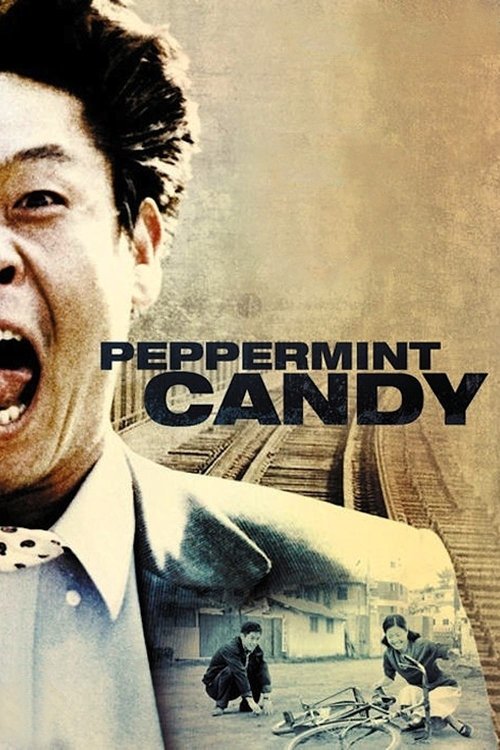
Bursting with a novelistic richness spiked with political awareness, Lee specializes in empathetic stories about ordinary people caught up in emotional extremes, be it the doomed hero of the wrenching Peppermint Candy , which begins with his suicide and traces his life backwards, to the aging heroine of his exquisite last film, Poetry , who finds refuge from the onset of Alzheimer’s and a family crime by enrolling in a poetry class.
The films of Lee Chang-dong (“ Peppermint Candy ”, “ Oasis ”, “ Poetry ”), one of the most esteemed filmmakers from South Korea, are usually layered in a way that requires some patience from the viewer.
His previous four films—Peppermint Candy (1999), Oasis (2002), Secret Sunshine (2007), and Poetry (2010)—represent the crown jewels of modern South Korean cinema, exhibiting such rich investment in psychology and milieu that one gains tremendous insight not only into the characters, but into the society they inhabit.
Sin concreción en las acciones ni en los personajes, en un estilo elíptico y con subtextos enigmáticos, rozando el existencialismo, Quemar graneros parece presto para la llegada de un autor como Lee, que en obras como Peppermint Candy (1999) y Secret Sunshine (2007) se había adentrado con sobresaliente personalidad en las complejidades del espíritu y de la pérdida con singular hermetismo.
Son licencias que con su infidelidad le permiten al director de Peppermint Candy ser fiel al autor de Tokio Blues.
Lee loves indeterminacy nearly as much as he loves dramatic bloodletting—each of his films, including the 1999 generational totem-epic Peppermint Candy (forever unreleased in the U.S.), is built out of fracturing subjectivities and missing information.
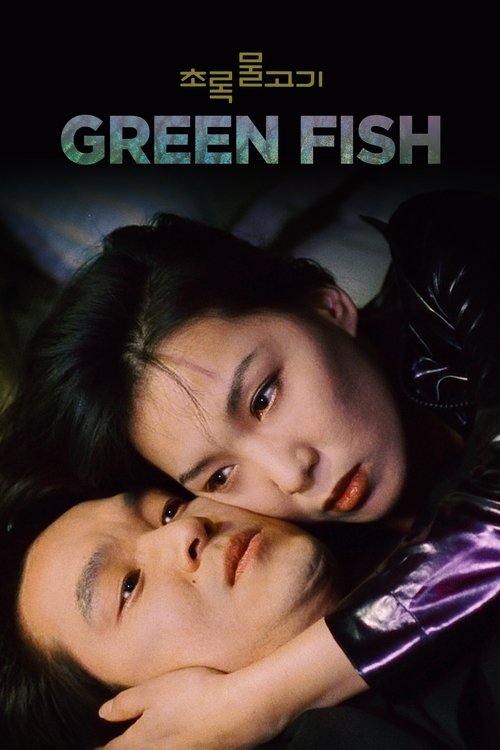
Back at the Vancouver International Film Festival in 1997, I was on a jury that gave this South Korean auteur top prize for his first film, Green Fish , a funny, unsettling crime picture that was like an X-ray of Korean culture.
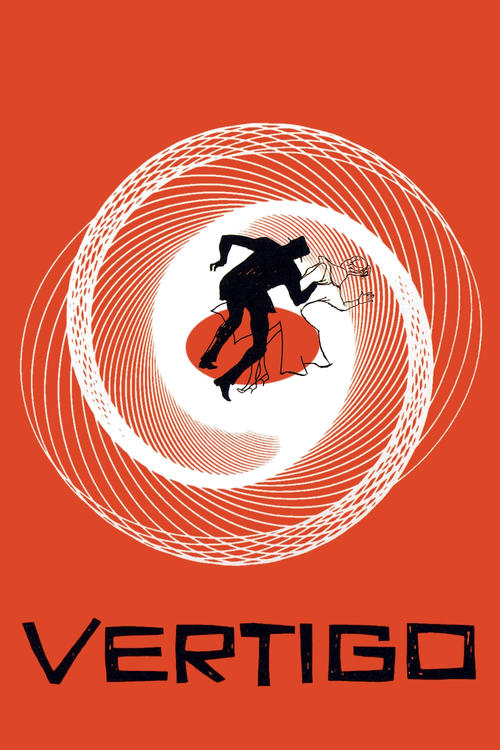
Lee is adapting a short story, “Barn Burning,” by Haruki Murakami, which, of course, echoes William Faulkner’s story of the same name, and he also layers in references to such films as “Vertigo” and “L’Avventura.”
These unnerving periods of dialogue-free exposition approach “Vertigo” in their poetic eeriness, and it’s some of Lee’s best filmmaking to date — as the narrative arrives at the culmination of Murakami’s story, it launches into unknown terrain.
Lee seems to pay homage to classics like L’Avventura and Vertigo here, with his own choice inversions that give the tale homoerotic undertones that are not unwelcome.
After an enigmatic turning point, Jong-su’s obsession with Ben gets cranked up, leading to Vertigo -like scenes of cars following cars, with Jong-su’s clapped-out truck trailing Ben’s sleek Porsche.
There are traces of Martin Scorsese’s “Taxi Driver” and Alfred Hitchcock’s “Vertigo,” among other classic references, in Jong-su’s slow descent into madness.
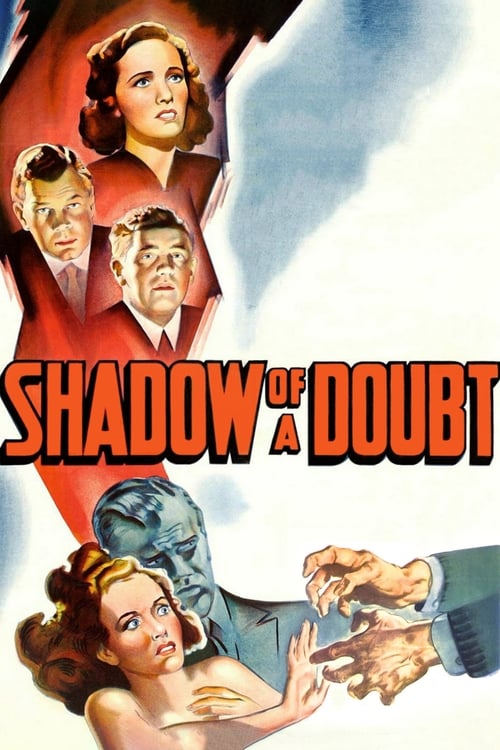
It also provides a real breakthrough for Yeun, who in one monologue bears eerie resemblance to Joseph Cotten in "Shadow of a Doubt."
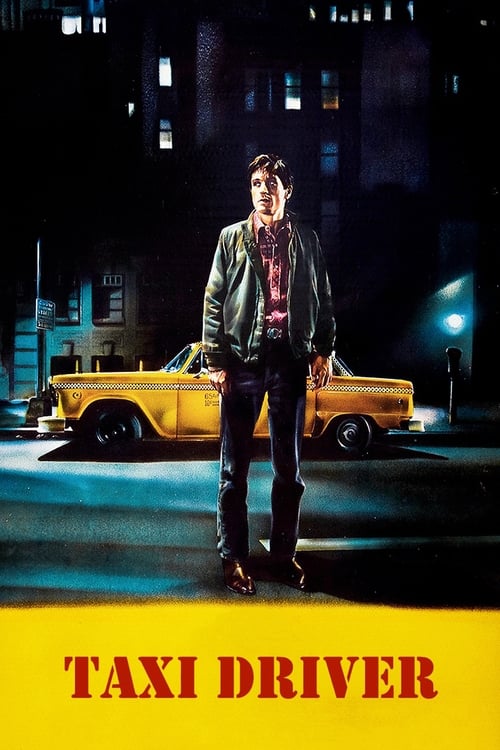
But maybe that’s because I had too much invested in these characters; not unlike Taxi Driver, Burning pulls us into the inner world of a relatable central character, then pulls the rug out from under us.
Taxi Driver’s Travis Bickle is a particularly famous example of the same typethough Lee’s treatment is far more reserved than that of Martin Scorsese’s immersively expressionistic film, and after Hae-mi’s stoned topless idyll, there isn’t another moment where the film really swoons.
There are traces of Martin Scorsese’s “Taxi Driver” and Alfred Hitchcock’s “Vertigo,” among other classic references, in Jong-su’s slow descent into madness.
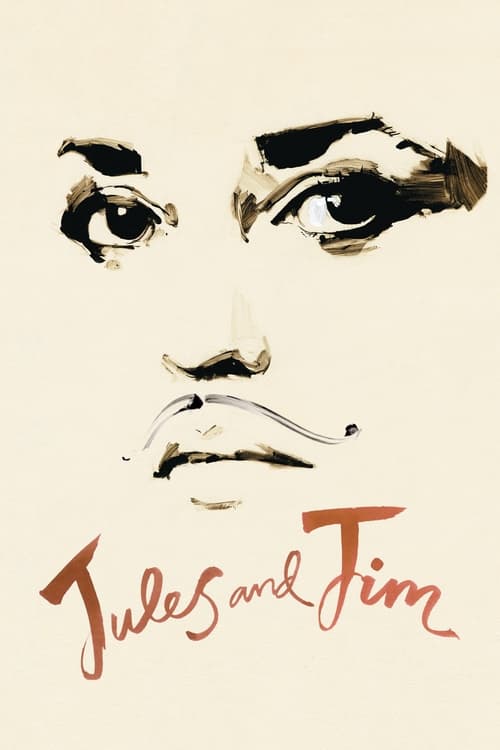
For a while the trio sustains a friendship that has pleasing echoes of the romantic triangle in François Truffaut’s “Jules and Jim,” but Jongsu is seized by inevitable jealousy.
Advertisement
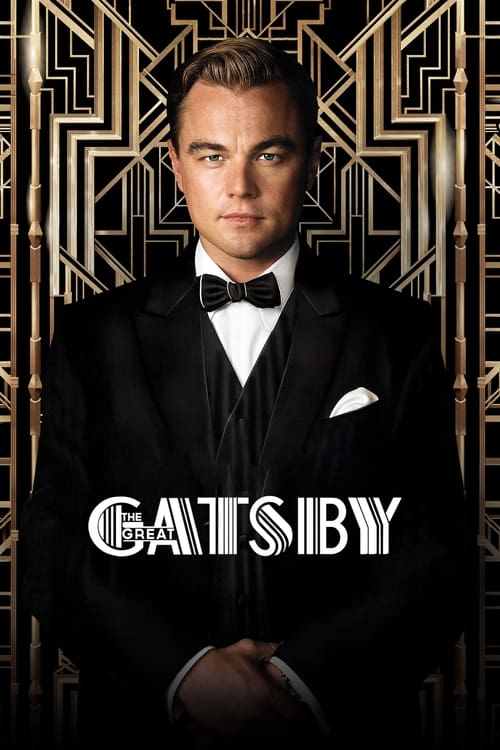
It’s not clear where Ben gets his wealth, and Jong-su comes to call him “The Great Gatsby,” but however he makes his money, he unceremoniously wins Hae-mi’s affection.
Given the class-conflicted trio at the center of Burning, perhaps The Great Gatsby was inspiration for Japanese novelist Haruki Murakami, who wrote the short story on which the movie is based.
He refers to Ben as “the Great Gatsby” which holds a ton of thematic weight re: money/class, as well as the fact Ben’s a mysterious character not unlike Jay Gatsby.
Burning begins to take on shades of The Great Gatsby but, soon enough, Jong-su begins to put together clues that suggest Ben is a danger to more than just his romantic prospects.
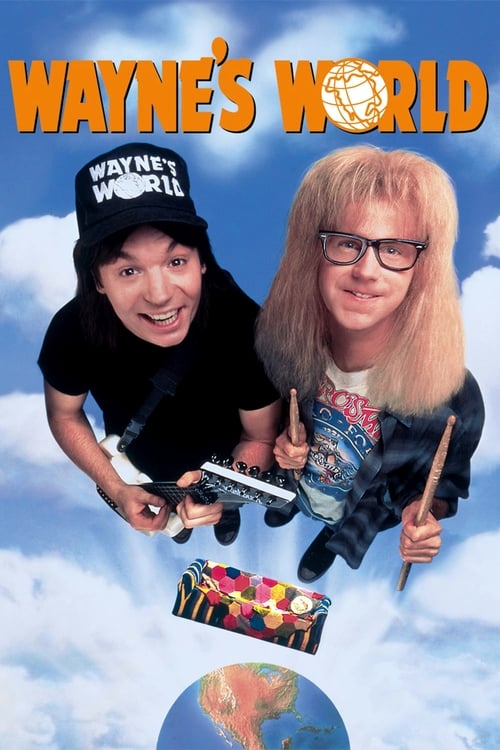
Most of the laughs come from Hae-mi’s idiosyncratic air of quiet fearlessness (she’s a student of mime who’s always happy to show off her skills in front of people she barely knows) or from Ben’s ridiculousness pretentiousness (as an archetype, he’s not unlike Rob Lowe’s character in Wayne’s World ).
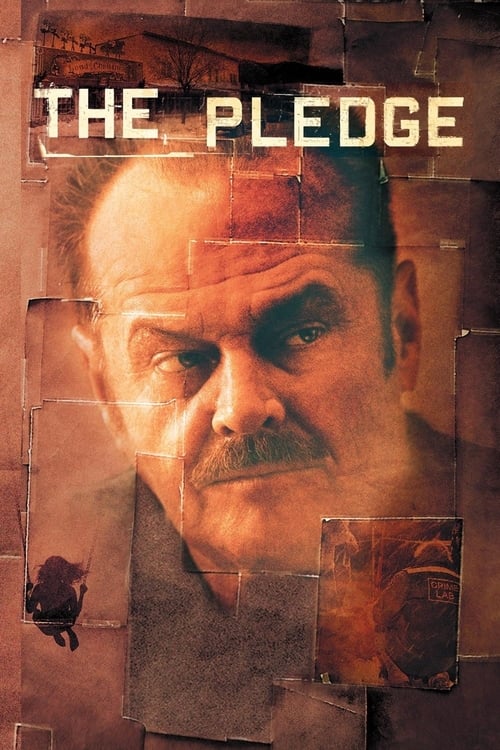
Yoo Ah-in’s Jongsu is in a state of crippling inaction that with each mounting clue echoed Jack Nicholson’s tremendous performance in “The Pledge.”

When Ben confides to Jongsu one night that he burns down greenhouses as a hobby (while Haemi dances naked in the sunset before them, a kind of embodiment of the fantasy the two men have constructed between them, sublimely and portentously scored to Miles Davis jazzy improvisations from Elevator to the Gallows), it isn't clear if he's speaking literally or metaphorically.
The dance is accompanied by Miles Davis’s score for “ Elevator to the Gallows ” (1958), and deepened still further by the light—or, rather, by the failing of the light, which turns Hae-mi into a semi-silhouette.
The film’s standout scene sees Jongsu and Ben share a joint as Haemi strips to the waist and dances to Miles Davis’ jazzy score for Elevator To The Gallows , not for the men’s pleasure but lost in her own reverie.
And after the film’s most remarkable sequence, at Jong-su’s farm—with Hae-mi doing a seminude sunset dance to Miles Davis’s crepuscular music from Louis Malle’s Elevator to the Gallows —the rich but gainfully unemployed Ben confesses that he occasionally burns down abandoned greenhouses for fun.
Advertisement
Kore-eda is one of history’s best filmmakers at analyzing what the word “family” even means—it’s a theme of this, “Like Father, Like Son,” “Our Little Sister,” “After the Storm,” and more—and I’m so happy that the world seems to be embracing his Master status.
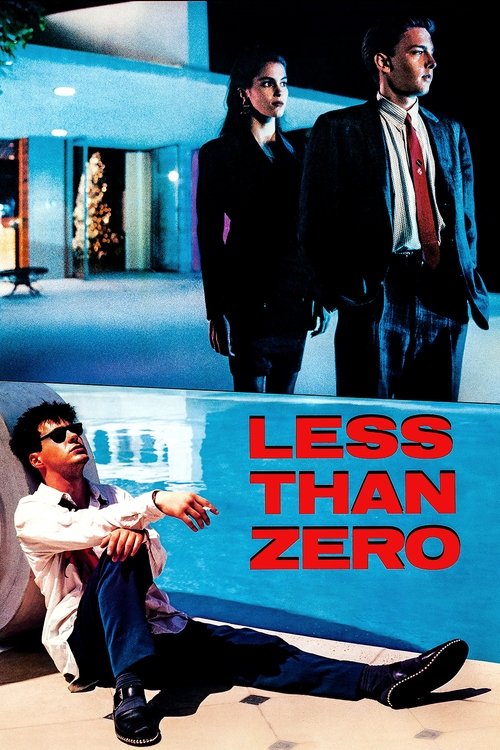
So far, it seems like a fairly mundane tale of cool, alienated young-adulthood, in the vein of Less Than Zero or a hundred other novels and movies.