
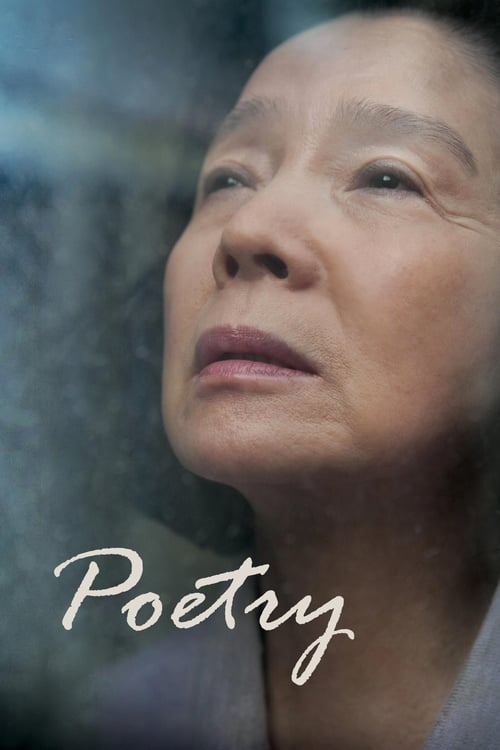
Poetry (2010)
Directed by Lee Chang-dong
A South Korean woman in her sixties enrolls in a poetry class as she grapples with her faltering memory and her grandson's appalling wrongdoing.
1 connection found
View:
1 connections, in both directions
What critics compared Poetry to
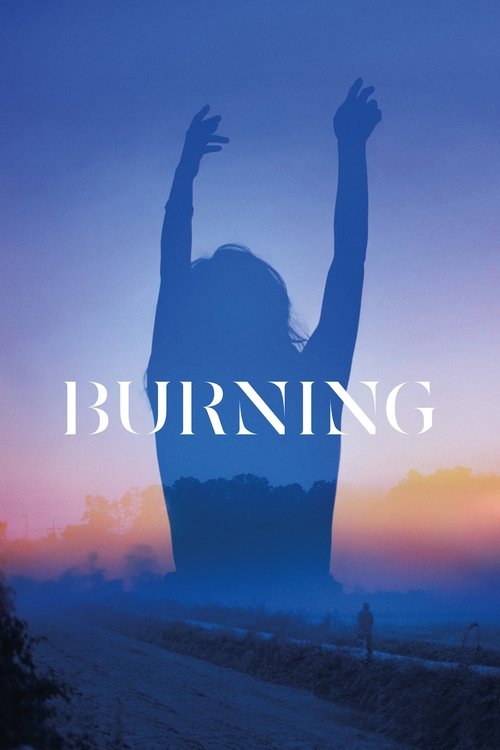


Director Lee Chang-dong (Poetry) and his pitch-perfect leads navigate an anxious romantic triangle that pours tragic fuel on a slow burn that’s one of the best movies of the year.
Much like his last two films, Secret Sunshine (2007) and Poetry (2011), both lyrical examinations of women attempting to cope with tragedy, Korean filmmaker Lee Chang-Dong's Burning is a kind of anti-mystery, a film where murder is the catalyst for a much larger exploration of Korean society.
Both Lee Chang-dong’s previous films see tragedy trail women young and old; his last effort, Poetry (2010), opens with the corpse of a schoolgirl floating downstream in the sun.
Bursting with a novelistic richness spiked with political awareness, Lee specializes in empathetic stories about ordinary people caught up in emotional extremes, be it the doomed hero of the wrenching Peppermint Candy, which begins with his suicide and traces his life backwards, to the aging heroine of his exquisite last film, Poetry, who finds refuge from the onset of Alzheimer’s and a family crime by enrolling in a poetry class.
Lee Chang-dong’s (Poetry) first film in eight years is most definitely worth the wait, a haunting mystery drama that slowly burrows its way under the viewer’s skin and is likely to remain there for days.
A simmering potboiler, Chang-dong, who revels in complex character driven narratives, as evidenced by previous efforts such as 2007’s phenomenal Secret Sunshine and 2010’s Poetry (both which depend exclusively on female driven perspectives), fashions his first significant masculine protagonist in this woebegone study on class issues, loneliness, and the moral bankruptcy of society’s wealthy elite.