

Lee Chang-dong
32 connections found
View:
Connections, in both directions


Lee is adapting a short story, “Barn Burning,” by Haruki Murakami, which, of course, echoes William Faulkner’s story of the same name, and he also layers in references to such films as “Vertigo” and “L’Avventura.”
These unnerving periods of dialogue-free exposition approach “Vertigo” in their poetic eeriness, and it’s some of Lee’s best filmmaking to date — as the narrative arrives at the culmination of Murakami’s story, it launches into unknown terrain.
Lee seems to pay homage to classics like L’Avventura and Vertigo here, with his own choice inversions that give the tale homoerotic undertones that are not unwelcome.
After an enigmatic turning point, Jong-su’s obsession with Ben gets cranked up, leading to Vertigo -like scenes of cars following cars, with Jong-su’s clapped-out truck trailing Ben’s sleek Porsche.
There are traces of Martin Scorsese’s “Taxi Driver” and Alfred Hitchcock’s “Vertigo,” among other classic references, in Jong-su’s slow descent into madness.
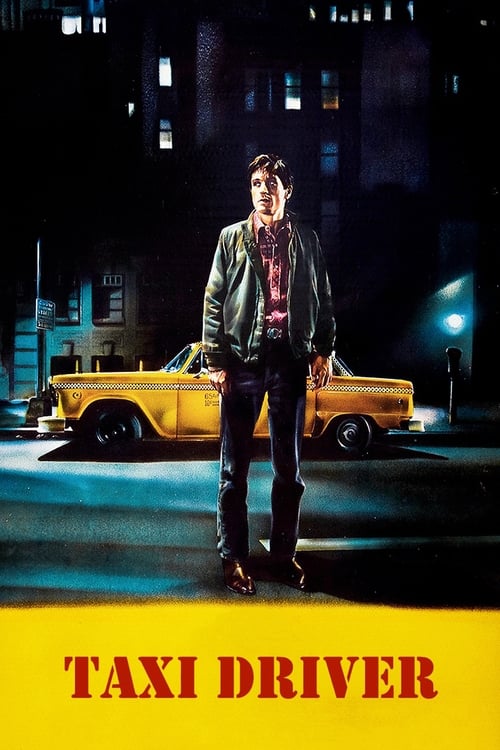
But maybe that’s because I had too much invested in these characters; not unlike Taxi Driver, Burning pulls us into the inner world of a relatable central character, then pulls the rug out from under us.
Taxi Driver’s Travis Bickle is a particularly famous example of the same typethough Lee’s treatment is far more reserved than that of Martin Scorsese’s immersively expressionistic film, and after Hae-mi’s stoned topless idyll, there isn’t another moment where the film really swoons.
There are traces of Martin Scorsese’s “Taxi Driver” and Alfred Hitchcock’s “Vertigo,” among other classic references, in Jong-su’s slow descent into madness.
For a while the trio sustains a friendship that has pleasing echoes of the romantic triangle in François Truffaut’s “Jules and Jim,” but Jongsu is seized by inevitable jealousy.
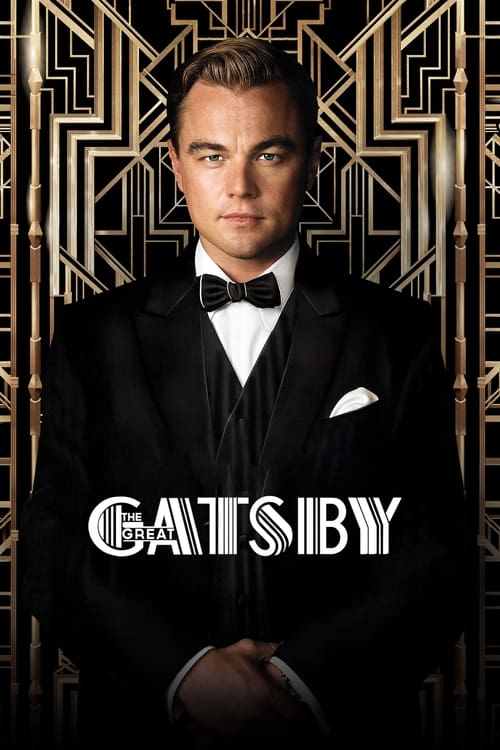
It’s not clear where Ben gets his wealth, and Jong-su comes to call him “The Great Gatsby,” but however he makes his money, he unceremoniously wins Hae-mi’s affection.
Given the class-conflicted trio at the center of Burning, perhaps The Great Gatsby was inspiration for Japanese novelist Haruki Murakami, who wrote the short story on which the movie is based.
He refers to Ben as “the Great Gatsby” which holds a ton of thematic weight re: money/class, as well as the fact Ben’s a mysterious character not unlike Jay Gatsby.
Burning begins to take on shades of The Great Gatsby but, soon enough, Jong-su begins to put together clues that suggest Ben is a danger to more than just his romantic prospects.
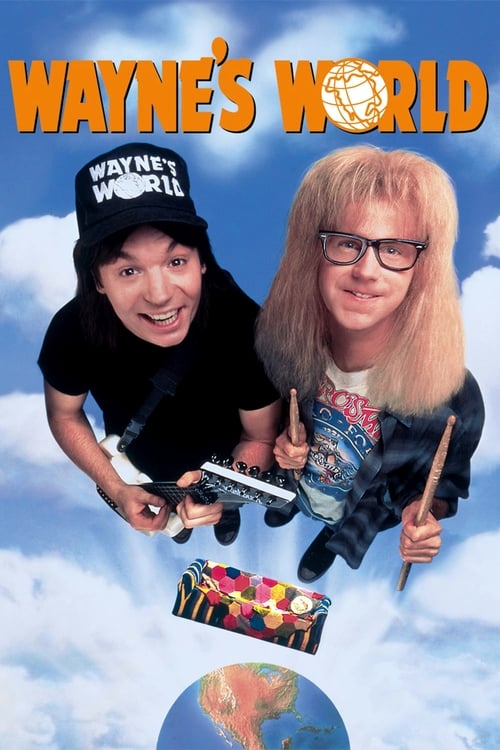
Most of the laughs come from Hae-mi’s idiosyncratic air of quiet fearlessness (she’s a student of mime who’s always happy to show off her skills in front of people she barely knows) or from Ben’s ridiculousness pretentiousness (as an archetype, he’s not unlike Rob Lowe’s character in Wayne’s World ).
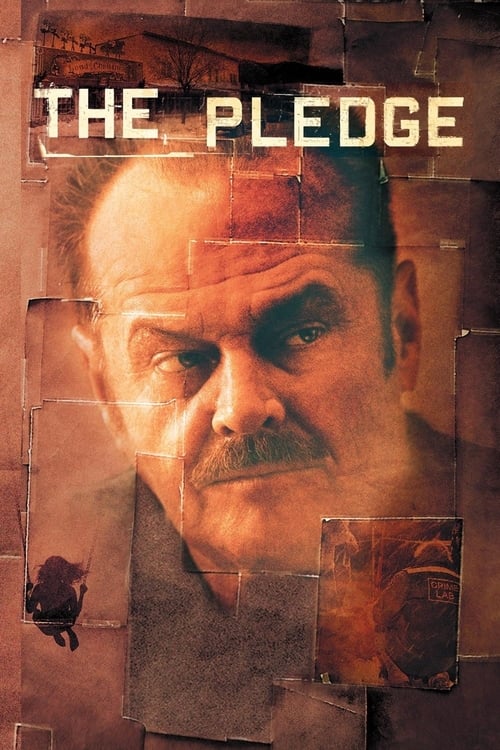
Yoo Ah-in’s Jongsu is in a state of crippling inaction that with each mounting clue echoed Jack Nicholson’s tremendous performance in “The Pledge.”

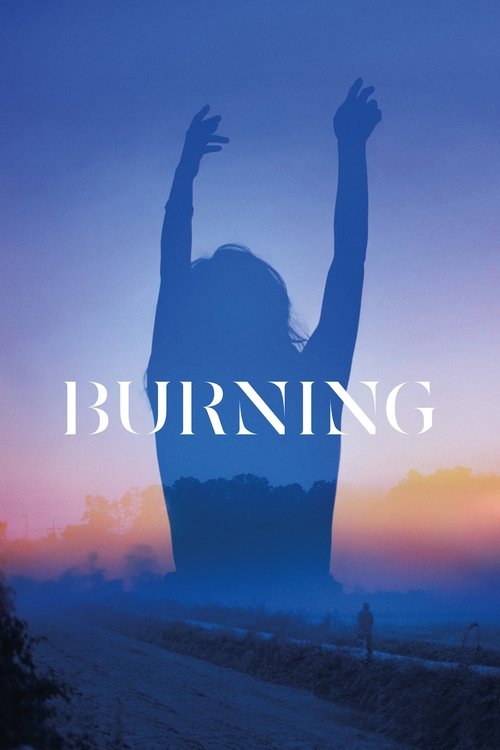
When Ben confides to Jongsu one night that he burns down greenhouses as a hobby (while Haemi dances naked in the sunset before them, a kind of embodiment of the fantasy the two men have constructed between them, sublimely and portentously scored to Miles Davis jazzy improvisations from Elevator to the Gallows), it isn't clear if he's speaking literally or metaphorically.
The dance is accompanied by Miles Davis’s score for “ Elevator to the Gallows ” (1958), and deepened still further by the light—or, rather, by the failing of the light, which turns Hae-mi into a semi-silhouette.
The film’s standout scene sees Jongsu and Ben share a joint as Haemi strips to the waist and dances to Miles Davis’ jazzy score for Elevator To The Gallows , not for the men’s pleasure but lost in her own reverie.
And after the film’s most remarkable sequence, at Jong-su’s farm—with Hae-mi doing a seminude sunset dance to Miles Davis’s crepuscular music from Louis Malle’s Elevator to the Gallows —the rich but gainfully unemployed Ben confesses that he occasionally burns down abandoned greenhouses for fun.
There are moments in this film (just wait for the marble quarry in Carrara) that I will carry with me in much the same way I carry the sunset dance from Lee Chang-dong's Burning or the great wave in Pacifiction: the kind of things that help you remember you why you fell in love with this thing in the first place.
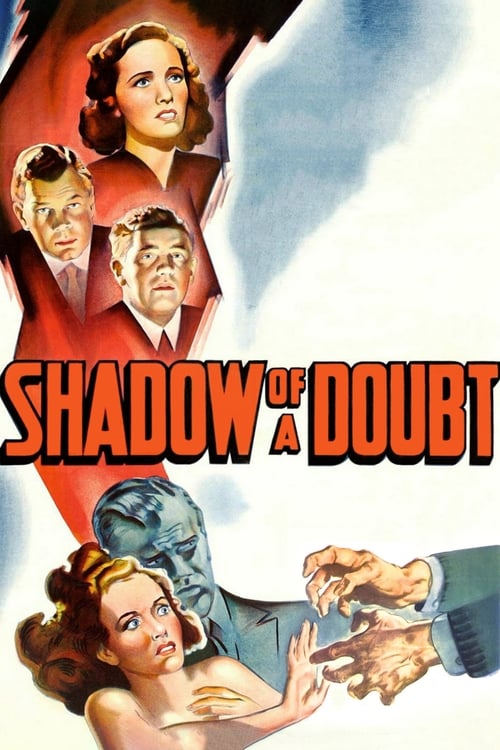
It also provides a real breakthrough for Yeun, who in one monologue bears eerie resemblance to Joseph Cotten in "Shadow of a Doubt."
Kore-eda is one of history’s best filmmakers at analyzing what the word “family” even means—it’s a theme of this, “Like Father, Like Son,” “Our Little Sister,” “After the Storm,” and more—and I’m so happy that the world seems to be embracing his Master status.
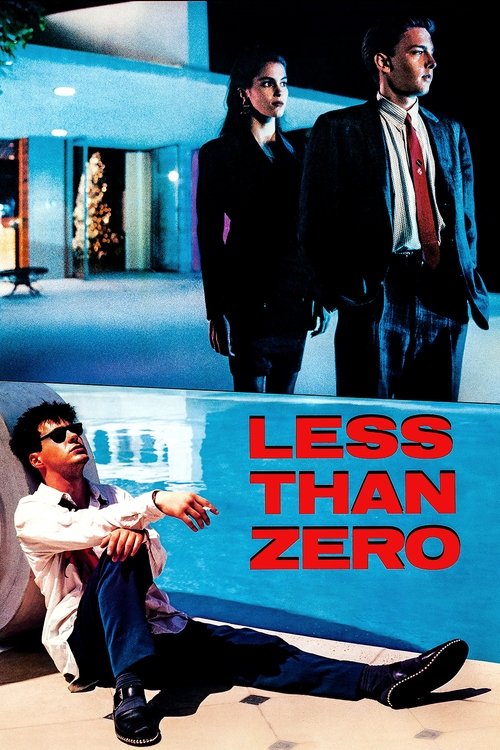
So far, it seems like a fairly mundane tale of cool, alienated young-adulthood, in the vein of Less Than Zero or a hundred other novels and movies.
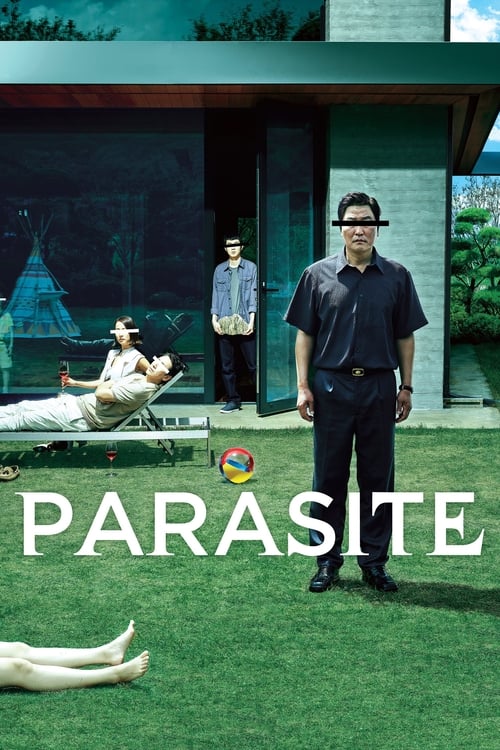
Parasite (2019)
Directed by Bong Joon Ho
influenced by Burning (2018), Oasis (2002), Peppermint Candy (2000)
Themes
Bong Joon-ho and his landmark film “Parasite” (2019) made Oscar history with his Best Picture Oscar win on Feb. 9, 2020, the first foreign language movie to win the award.
Lee Chang-dong’s Burning studies the deep-seated resentments and the notable psychological differences between rich and poor, and last year’s Palme d’Or winner, Hirokazu Koreeda’s Shoplifters , which paints a raw, profound portrait of poverty and how adversities shape family loyalty.
Its subject matter––the gap between the rich and the poor in contemporary Asian society––had been covered by two acclaimed productions at Cannes last year, Japanese director Hirokazu Kore-eda’s Palme d’Or winner “Shoplifters”, and “Burning”, which brought South Korean Lee Chang-dong a Best Director win.
Parasite shares its grifting, struggling family with Hirokazu Kore-eda's Shoplifters, its tonal flips and wiliness with Lee Chang-dong's Burning, and its malevolent tone with Jordan Peele's Us, adding to a blossoming field of urgent, intense and diverse cinema that interrogates the societal status quo with a rightfully scathing eye.
But I, personally, saw more of Lee Chang-dong’s Burning in the DNA of Bong’s latest, given that it is about the deep divisions between social and economic strata, and how irreconcilable extreme wealth and extreme poverty can be in the same society.
There’s arguably no better way to encapsulate the intent, experience, and the effect of Parasite, an acidic horror comedy that points a sharpened knife to the biggest parasite of them all – modern society.Like Lee Chang-dong’s masterful Burning (2018), Parasite is heavily invested in disguising the turbulence of class warfare and the undercurrents of a societal segregation-induced isolation in the form of an enigmatic, nightmarish thriller.

Not since Michelangelo Antonioni’s Blow-Up and L’Aventura has there been such a mesmerizing tale of the more you look, the less you find out.
This is by no means a new approach – Michelangelo Antonioni was probably the first to successfully distend an 'art film murder mystery' in Blow-Up (1966), and Roman Polanski tried his hand at the form in his little-seen Based on a True Story (2017).
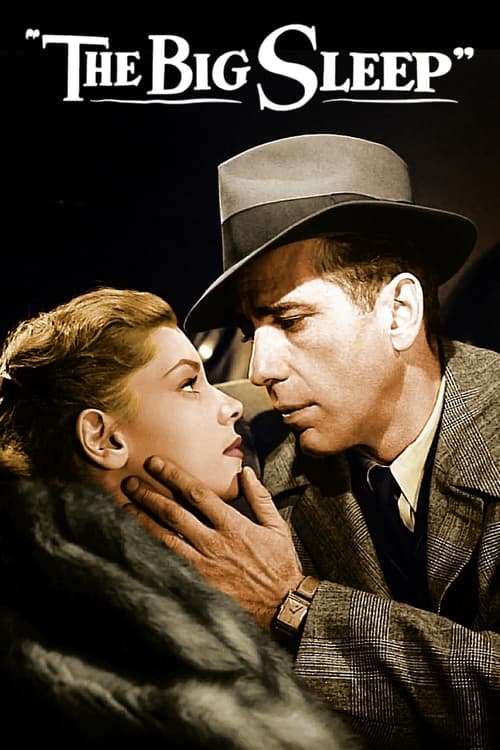
“The Big Sleep” and “Touch of Evil” don’t care about tidy solutions to knotty questions of who killed who.
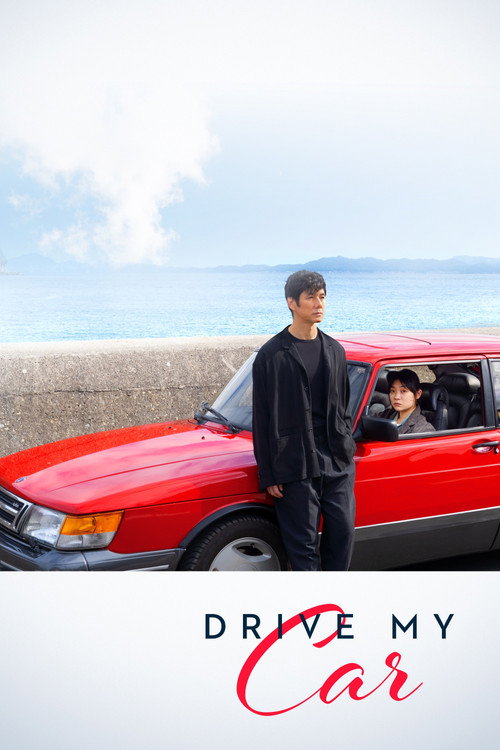
Collapsing elements of several short stories from Haruki Murakami's 2017 collection Men Without Women (but mainly the tale from which the title is derived, merely an essence compared to Hamaguchi's complexity), it's as heady a blending of authorial intentions as Lee Changdong's 2018 Murakami adaptation Burning, which reconstituted the fumes of William Faulkner.
Directed and co-written by Ryusuke Hamaguchi and based on a short story by Haruki Murakami (whose work also inspired Burning), Drive My Car frequently relies on things unspoken.
Alongside Burning, it’s the most successful cinematic Murakami to date.
Like Lee Chang-dong's 2018 film Burning, itself a beloved part of that year's Cannes slate, Murakami's storylines seem primed for cinematic translation, embodying both literary sophistication and character exploration without succumbing to a myriad of soliloquies or bloated visual meanderings.
There are pieces pulled into it from Murakami's other work (including Burning in the story Oto tells and can never finish), as well as explorations of issues suggested by the source like questions of transference in Kafuku and Takatsuki–literalized in Kafuku casting Takatsuki in the role that Kafuku “owns.”
Shooting in sumptuous greys and blues, Hamaguchi draws from the deeper wells of Murakami’s text––his sense of melancholy and quiet mystery––and fleshes it out; as in Lee Chang-dong’s Burning, the novella only accounts for a relatively small portion of Hamaguchi’s narrative.
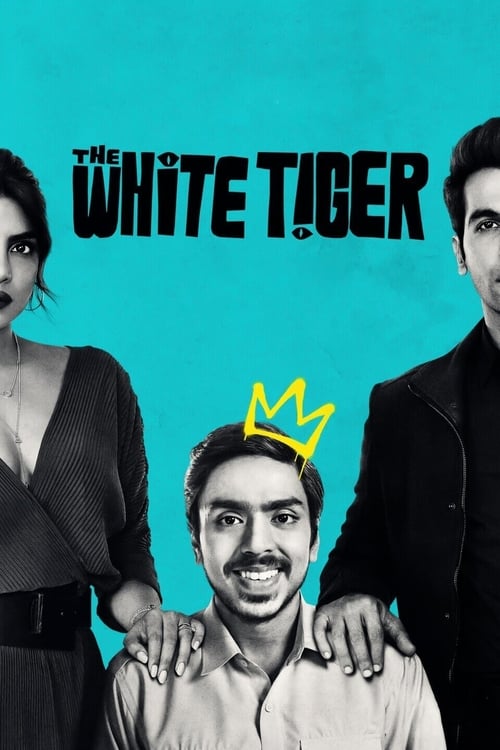
Lee Chang-dong’s Burning (2019), another tale of a fatal class encounter, ends on an unforgettable, overwhelming note — a tragedy that shocks us, in part, because it opts to beguile and stun where another film, a film such as The White Tiger, leans heavily on explanation and exposition, satisfying a need to neaten and explain a form of class rage that needn’t be so neat or explicable to compel or even convince us.
It’s similar to a film such as The Gift or recently Lee Chang-dong’s Burning .
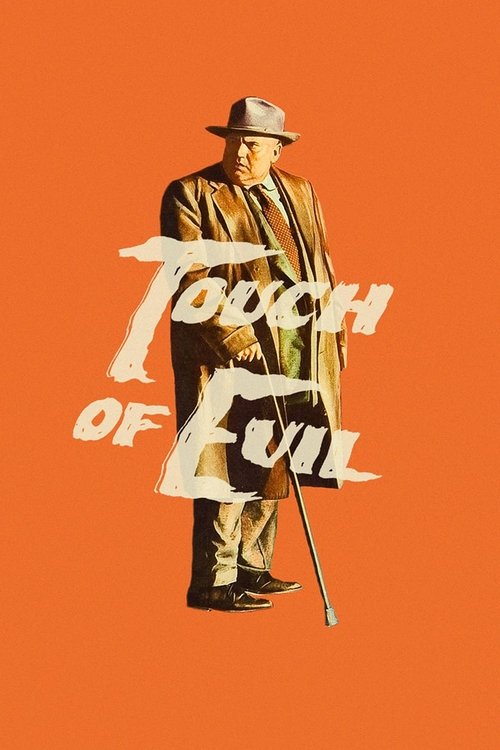
“The Big Sleep” and “Touch of Evil” don’t care about tidy solutions to knotty questions of who killed who.

All-time great psychological thrillers like Burning, Blow Out, or What Ever Happened to Baby Jane? deliver creative imagery communicating one central idea: anything can happen in this world.
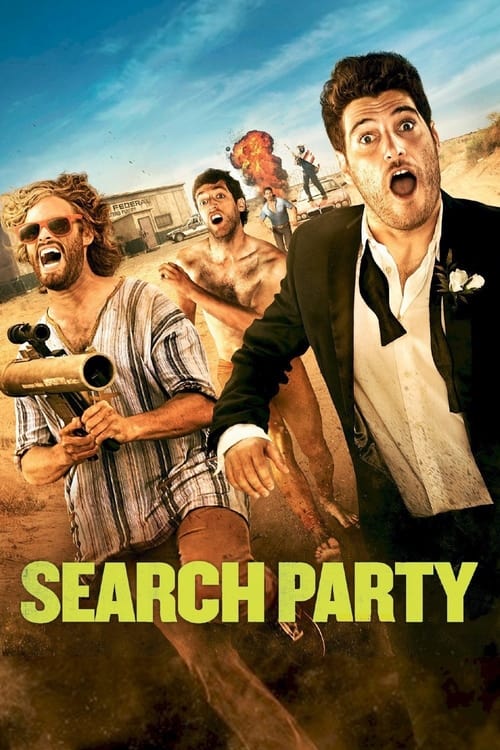
More than anything, it reminded me of an arthouse version of the slacker detective stories like Search Party and Bored To Death that began popping up on TV about a decade ago.

Kore-eda is one of history’s best filmmakers at analyzing what the word “family” even means—it’s a theme of this, “Like Father, Like Son,” “Our Little Sister,” “After the Storm,” and more—and I’m so happy that the world seems to be embracing his Master status.