
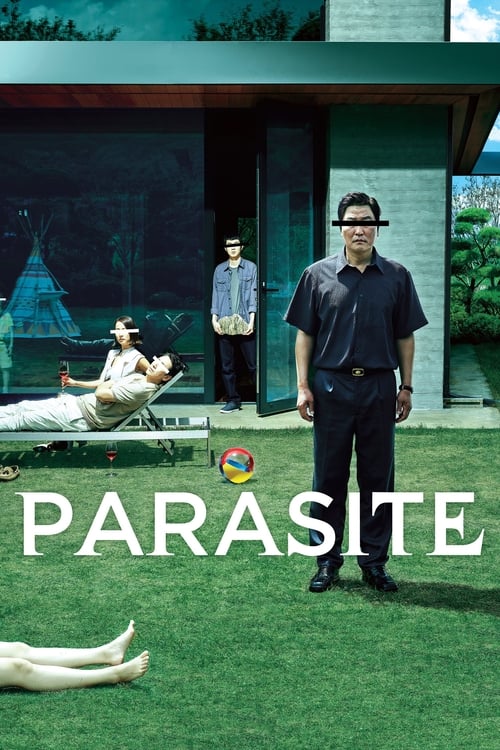
Parasite (2019)
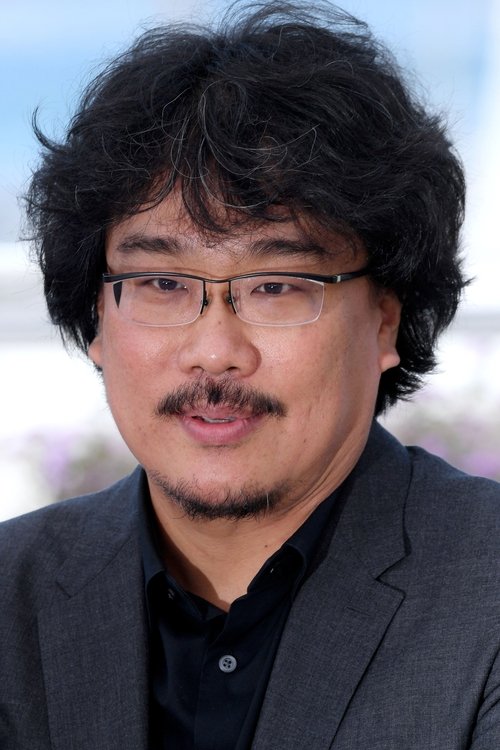
Directed by Bong Joon Ho
All unemployed, Ki-taek's family takes peculiar interest in the wealthy and glamorous Parks for their livelihood until they get entangled in an unexpected incident.
69 connections found
View:
69 films that influenced Parasite
What critics say influenced Parasite
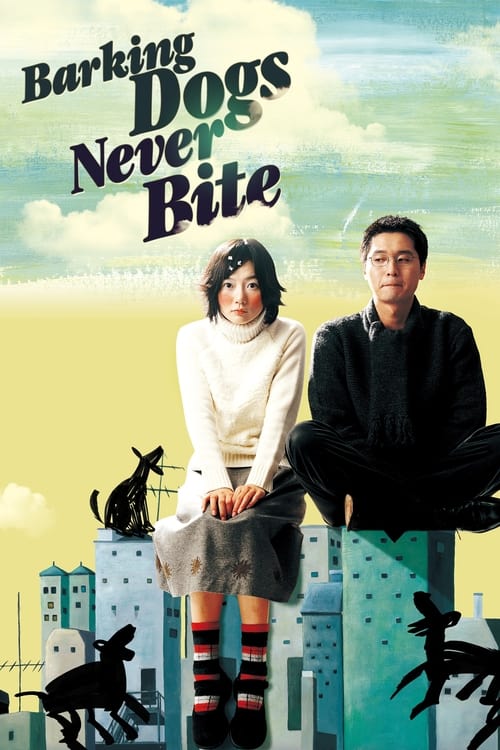


In many ways, this feels like the culmination of inimitably Bongian preoccupations: his obsession with psychologically freighted subterranean spaces, stretching all the way back to his debut, Barking Dogs Never Bite ; immaculately executed whiplash moments that snap from comedy to tragedy; and a predilection for the surreal in his setpieces.
The fifty-year-old South Korean director’s work is impeccable, often absurd but also thrillingly precise; his other features are “Okja,” 2017; “Snowpiercer,” 2013; “Mother,” 2009; “The Host,” 2006; “Memories of Murder,” 2003; and “Barking Dogs Never Bite,” 2000.
Parasite is his seventh feature, following Barking Dogs Never Bite (2000), Memories of Murder (2003), The Host (2006), Mother (2009), Snowpiercer (2013) and Okja (2017).
Bong Joon Ho, the sui generis South Korean auteur behind unclassifiable modern wonders like “Barking Dogs Never Bite” and “The Host,” has always made films that refuse to fit the narrow parameters of any particular genre.
It feels like the culmination of his ideas and his technical mastery, workshopped in excellent-in-their-own-right films like Snowpiercer, The Host, and Barking Dogs Never Bite.
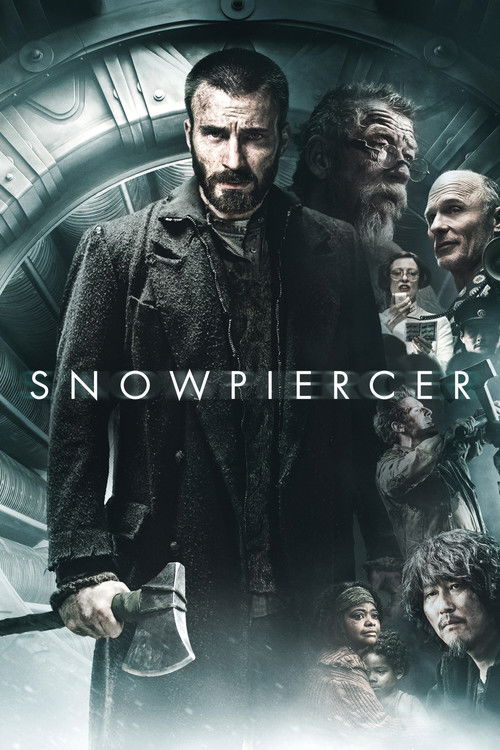
The South Korean director Bong Joon-ho took the festival’s top prize for his virtuosic social satire Gisaengchung (Parasite), which was welcomed across the board as a return to form and perhaps even a career peak after a pair of conceptually elaborate if somewhat unwieldy international coproductions, Snowpiercer (2014) and Okja (2017).
A Palme d'Or winner from South Korean writer-director Bong Joon-ho of The Host, Snowpiercer, and Okja fame (among others), Parasite is a daringly original work that defies being boxed into a single genre, combining dark social satire with more than a touch of horror, a thriller, and tragedy all in one.
And while Parasite marks South Korean director Bong Joon-ho's third movie in a row to address themes of class, poverty, and capitalism, unlike Okja (2017) and Snowpiercer (2013) before it, Parasite is being billed as a "family tragicomedy" rather than a genre film, and does not star English-speaking Hollywood actors.
Directed and co-written by Joon-ho Bong, whose previous films have always dealt with class disparities (see “Snowpiercer,” where these themes are handled overtly), “Parasite” may be his most subtle and accomplished work to date.
Class divide is a popular topic in films, and it is a theme that director Bong Joon-ho has tackled before, in his sci-fi thriller Snowpiercer (2013).
Class warfare is one of Bong Joon-ho’s pet themes—take Snowpiercer , whose core metaphor is so blatant it’s barely a metaphor at all.
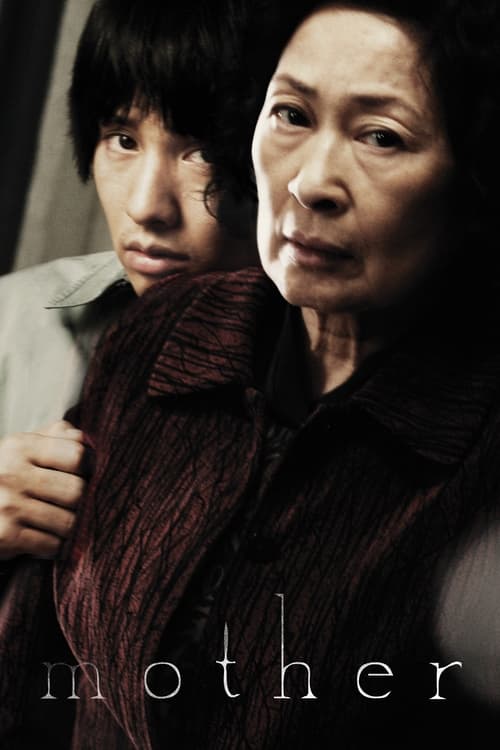
Bong made his name with films like The Host, but I became a fan when I saw Mother in 2009.
Bong Joon-ho's movies, which include Snowpiercer (2013), The Host (2006), and the oft-overlooked Mother (2009), have often danced around this formula, giving you plenty of adrenaline and chuckles to keep everything moving before slapping you with the real shit.
This is Bong’s first film completely in Korean since 2009’s “Mother” and it finds him in typical darkly comedic form, with emphasis on the “dark.”
The joke often goes dark and gets more than a little messy, and as in Bong’s earliest films, such as Memories of Murder (2003) and Mother (2009), comedy and slaughter are never far away from each other.
The fifty-year-old South Korean director’s work is impeccable, often absurd but also thrillingly precise; his other features are “Okja,” 2017; “Snowpiercer,” 2013; “Mother,” 2009; “The Host,” 2006; “Memories of Murder,” 2003; and “Barking Dogs Never Bite,” 2000.
Parasite is his seventh feature, following Barking Dogs Never Bite (2000), Memories of Murder (2003), The Host (2006), Mother (2009), Snowpiercer (2013) and Okja (2017).
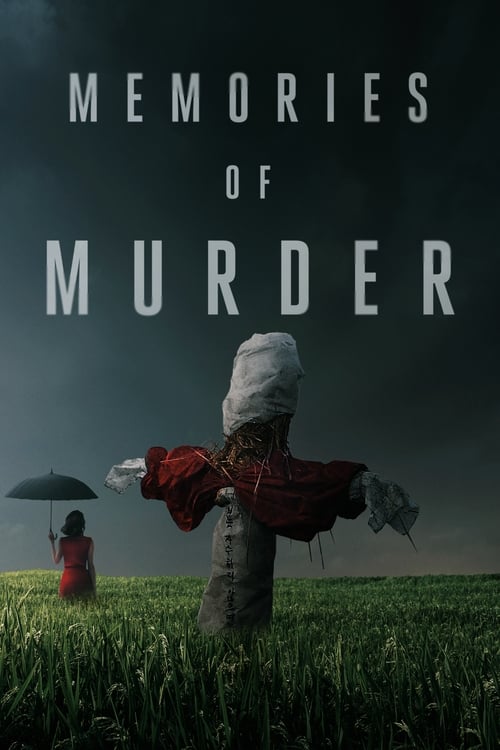
Beyond the deliberate ambiguity of the title (which, like Jordan Peele’s oddly comparable Us , cuts both ways), Bong once again foregrounds a distrust of wealth and authority that has been a recurrent feature of his work since his 2003 breakout Memories of Murder, continuing through films as diverse as The Host, Mother, Okja and, of course, Snowpiercer , to which Parasite contains several knowing nods.
An experience unlike “Memories of Murder,” “The Host,” or the vivid “Snowpiercer,” Korean auteur Bong Joon-ho’s wild and insane cinematic masterpiece “Parasite” is not only the best film I’ve seen in 2019, it’s one of the best films of the decade.
Bong Joon-ho’s Palme d’Or-winning satire is easily the South Korean writer-director’s best film since Memories of Murder (2003), exhibiting the earlier film’s formal control and mounting suspense while incorporating the trenchant insights into class conflict he displayed in Snowpiercer (2013).
Korean director Bong Joon-ho (“Snowpiercer,” “Memories of Murder”) has made a new classic with “Parasite.”
By turns hilarious, harrowing, and horrifying, Parasite may well be Bong Joon-ho’s best film since Memories of Murder .
The latest from South Korean social commenter and genre fusion artist Bong Joon-ho (Mother, Memories of Murder) begins with the hard luck Kims.
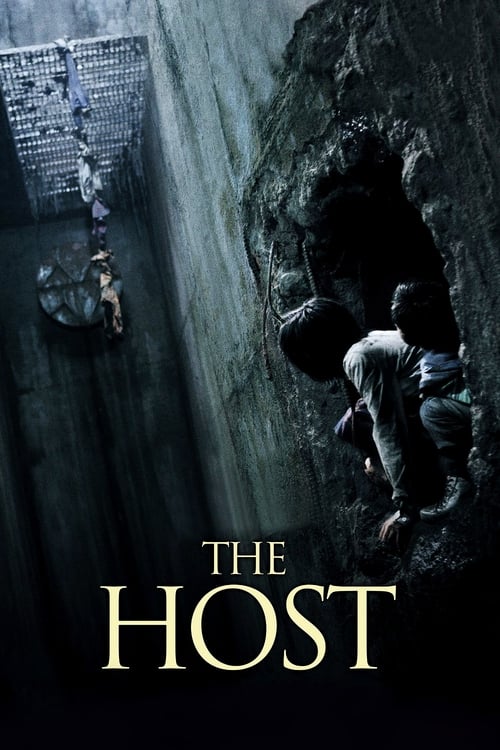
That Bong’s movie succeeds in feeling simultaneously specific to its time and place and finally universal is what could make it a crossover hit akin to his 2006 monster movie The Host, which yoked a critique of authoritarianism (and U.S. interventionism) to a creature-feature narrative almost as simple and elemental as Jaws.
But, as with all of the protagonists in Bong’s films, these people are smart and proud and resourceful; in a nod to Bae Doo-na’s character from “The Host,” Chung-soon even has an impressive background in esoteric sports.
Bong Joon-ho has been a brand-name director among cinephiles since 2006's monster movie-cum-domestic drama The Host , and South Korean cinema's ongoing golden age has been around for even longer, at least as far back as 2002's Oasis, directed by Lee Chang-dong.
There's a recklessness, a ruthlessness, a pettiness to how they insinuate themselves into the Parks' lives that places them in pointed opposition to the loving, supportive Park family of Bong's international breakout, 2006's The Host.
Loading The film is a companion piece to Bong’s 2006 smash hit The Host (host and parasite, get it?)…
Instead, it repositions Joon-ho alum Song Kang-ho as another loveable, sloppy patriarch a la The Host , wherein each of his family members has their own particular contribution for conquering a monster—in the former case it was a fantastical creature terrorizing Seoul while this time their foe is something more systemically toxic.
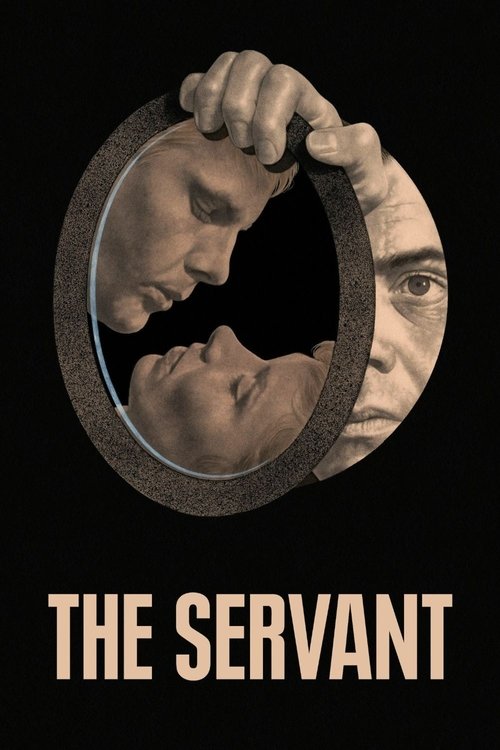
At times the plot teasingly recalls Joseph Losey's The Servant and Pier Paolo Pasoloni’s Theorem , poison-tipped parables about cunning social outcasts staging stealth home invasions against upper-class hosts.
Taking cues from classics of domestic intrigue such as Kim Ki-young’s “The Housemaid” (1960) and Joseph Losey’s “The Servant” (1963), they send this domestic drama vaulting into satire, suspense, terror and full-blown tragedy.
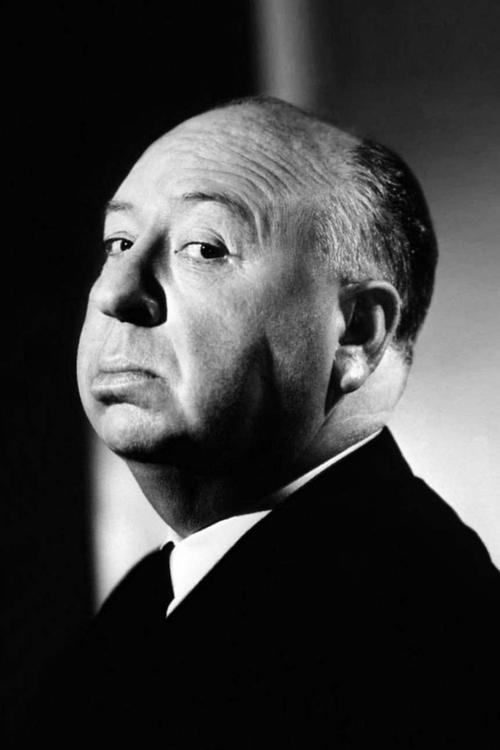
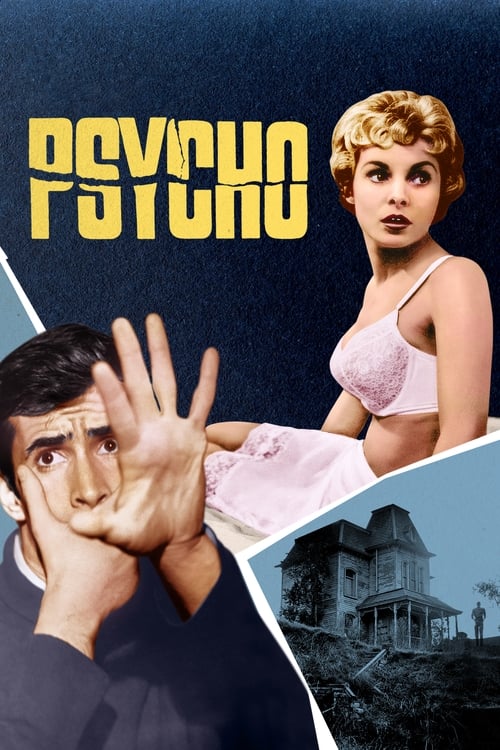
Of those films, the obvious point of reference for Parasite is Alfred Hitchcock’s Psycho , which Bong talked about at length during his BAFTA lecture.
Bong says “Parasite” was influenced by Hitchcock’s “Psycho,” but it had me thinking of the Woody Allen quote ‘If you want to make God laugh, tell him about your plans.’
The effect is similar to Hitchcock’s Psycho, but Parasite has far more characters who drive the plot forward.
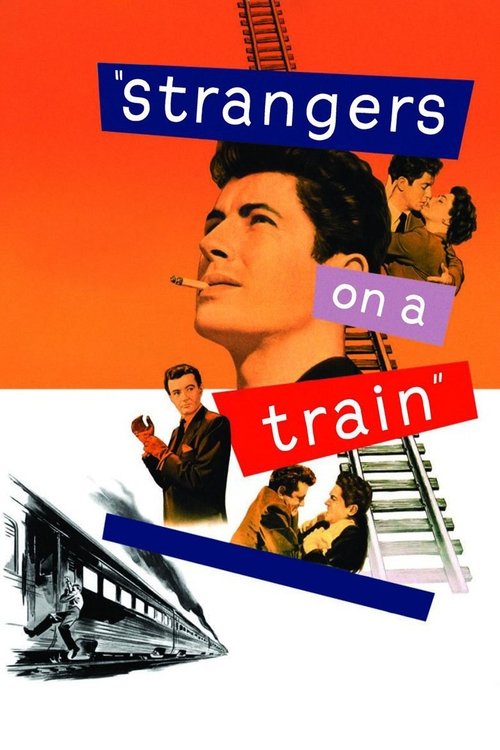
Much like his other works, Parasite navigates human morality in an interesting way that is not dissimilar to Patricia Highsmith’s stories, particularly those about Tom Ripley (though Hitchcock, who actually adapted Highsmith’s Strangers on a Train, would be an apt cinematic parallel).
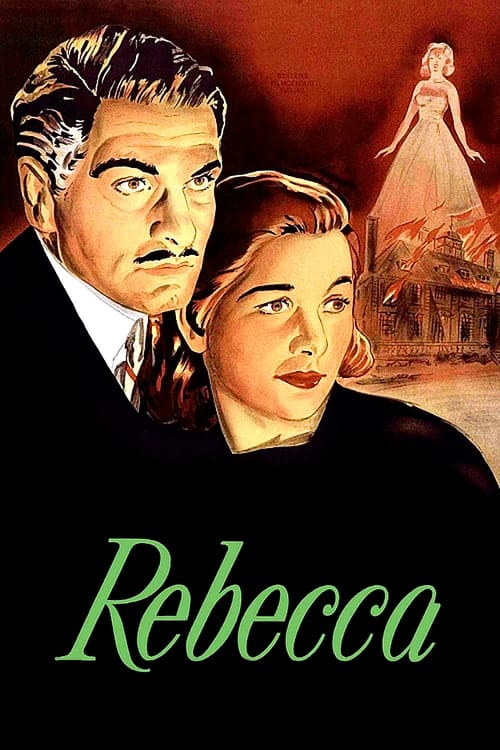
Moon-Gwang gives the impression of a Mrs. Danver type of character as in Hitchcock’s “Rebecca”.
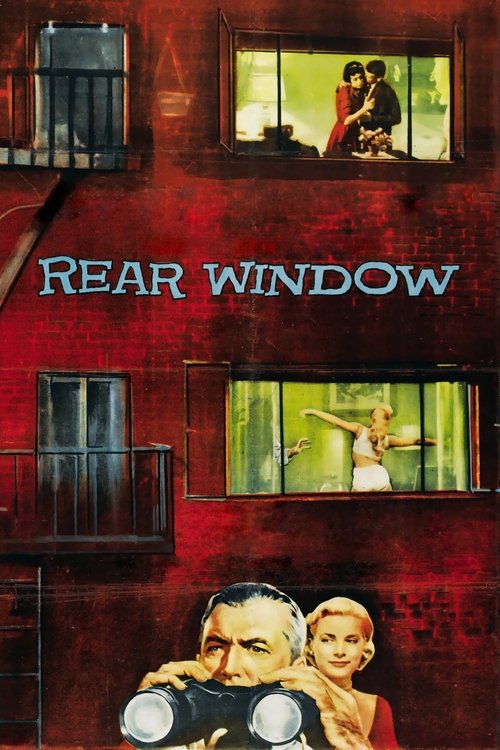
It’s hard to imagine Rear Window or Vertigo without the full-colour spectrum.
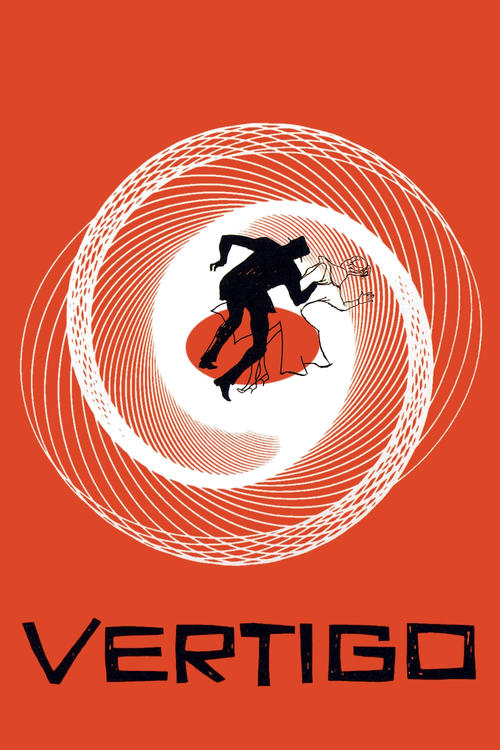
It’s hard to imagine Rear Window or Vertigo without the full-colour spectrum.
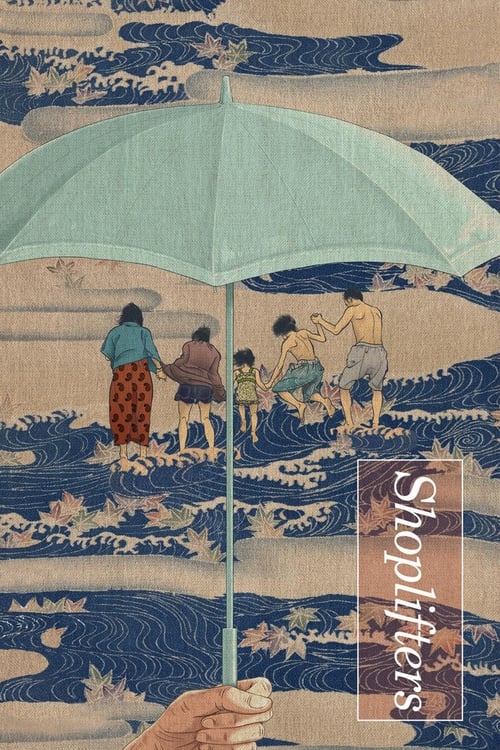
But I’d be surprised if Bong Joon ho didn’t see 2018’s Japanese Cannes Film Festival entry “Shoplifters,” and wasn’t inspired to whip up a funnier and more ambitious take on an underworld of low-rent grifters struggling to survive in the Golden Age of Income Inequality.
Early scenes of Parasite echo the beginning of Hirokazu Kore-eda’s Shoplifters (which was my #1 film for 2018) by focusing on a family eking out an existence just above poverty-level by resorting to scams and dead-end odd-jobs (like folding hundreds of pizza delivery boxes).
But if much of the first part of the movie recalls the sweetness of the 2018 Japanese film “Shoplifters,” which also focused on a poor family doing anything to get by, “Parasite” — which taps into the fears and frustrations of class friction — ultimately goes for something darker and more twisted.
But while Hirokazu Kore-eda approached Shoplifters with an observational and intimate look at family and unconditional love, Bong Joon-ho aggressively careens towards us with an intoxicating twist of ideas and metaphors on social and economic inequality.
There is nothing much here that your reviewer can discern to frighten the horses, much like the Japanese director Hirokazu Koreeda's Shoplifters , which won the Palme d'Or in 2018.
If last year’s Shoplifters, from Hirokazu Kore-eda, featured a Japanese family in similarly dire economic straits and gave them a hug, Parasite does the opposite.
Advertisement
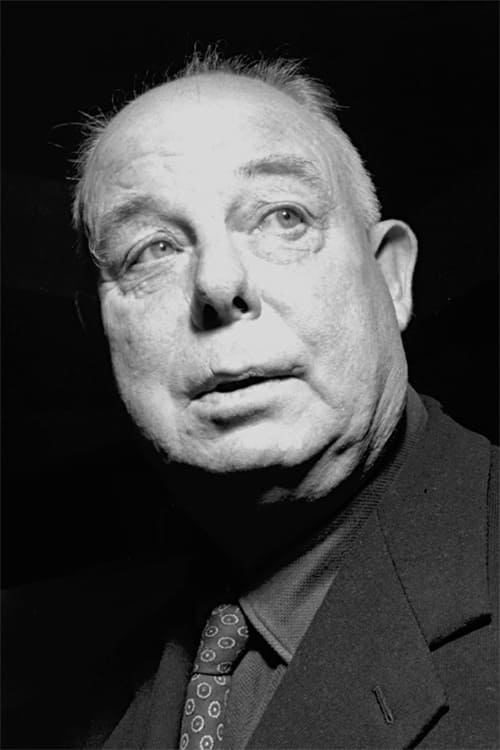

This farce is an unsparing (though not uncompassionate) portrait of so many levels of South Korean society, reminiscent of Jean Renoir’s The Rules of the Game.
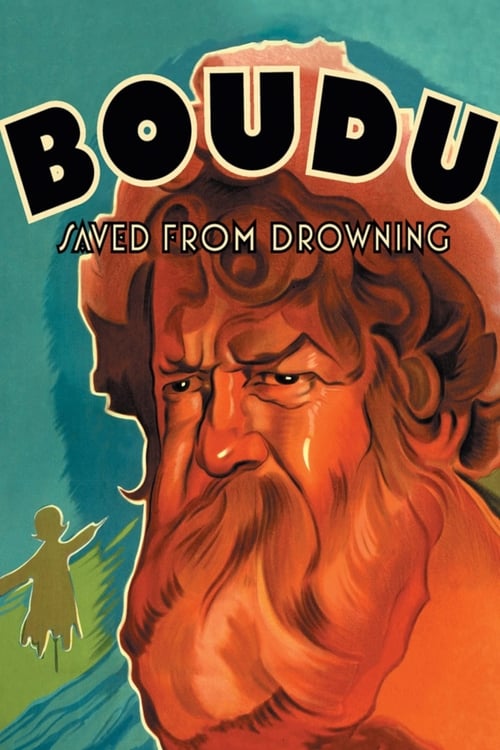
It’s not a comedy of social upheaval, like “Boudu Saved from Drowning” (1932), though it does have wit to spare.

Economic disparity may be the greatest subject of the twenty-first century for intimate horror, and Watch a lot of Kurosawa you haven’t seen lately, especially “High & Low,” “Dodes’ka-den,” “I Live In Fear,” “The Lower Depths” and “The Bad Sleep Well.”
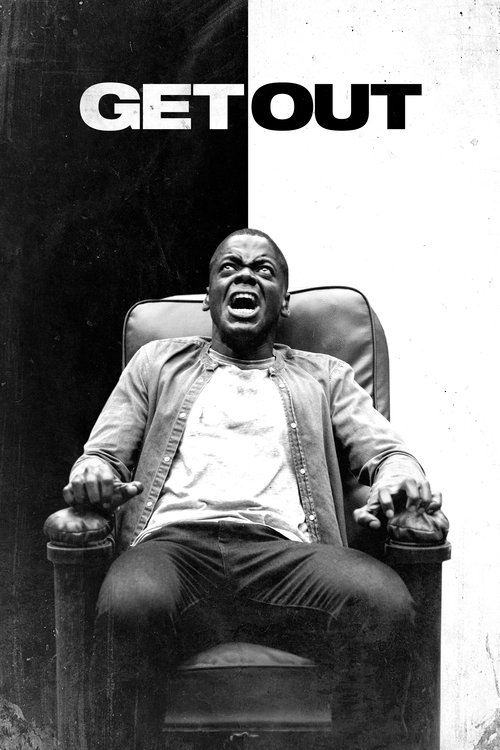
And the latter innings could remind some of Jordan Peele’s Get Out and Us , especially regarding the transmutability of identity as it relates to money and class.
Its brilliant middle section pivots on the best reveal since Get Out’s invocation of the “sunken place,” and Bong’s sociology is no less potent than Jordan Peele’s.
In Get Out, it’s systemic racism; in Us, it’s privilege; in Midsommar, it’s grief.
Parasite goes from Shoplifters to Get Out to Sorry to Bother You in a breakneck way so unsettling you don't notice it happening.

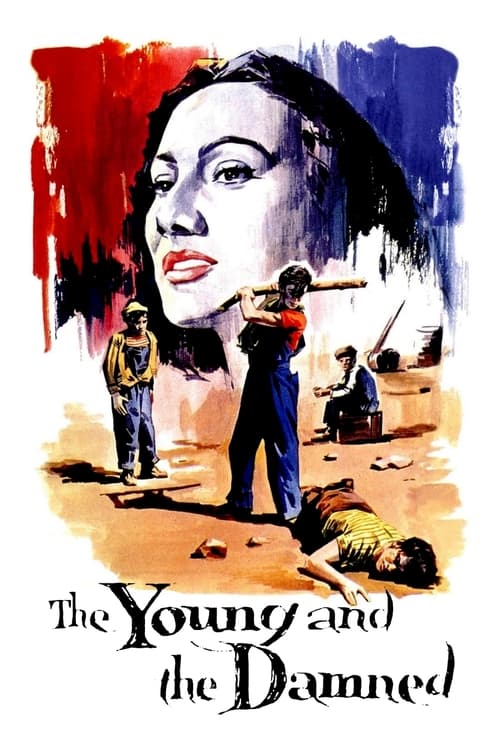
Así como Buñuel presentaba la versión del submundo de los pobres en Los Olvidados, Bong Joon Ho va un poco más allá para personalizar su respuesta en manos de una familia que merece más que el reconocimiento y el dinero.

He wants to poke fun at the wealthy and lightly satirize our social divides, in the tradition of Luis Buñuel’s The Discreet Charm of the Bourgeoisie .
The clever, suspenseful Parasite , from Korea’s much-acclaimed director Bong Joon-Ho ( Snowpiercer ), is on roughly the same satiric wavelength as Luis Buñuel’s The Discreet Charm of the Bourgeoisie and Jordan Peele’s Us .
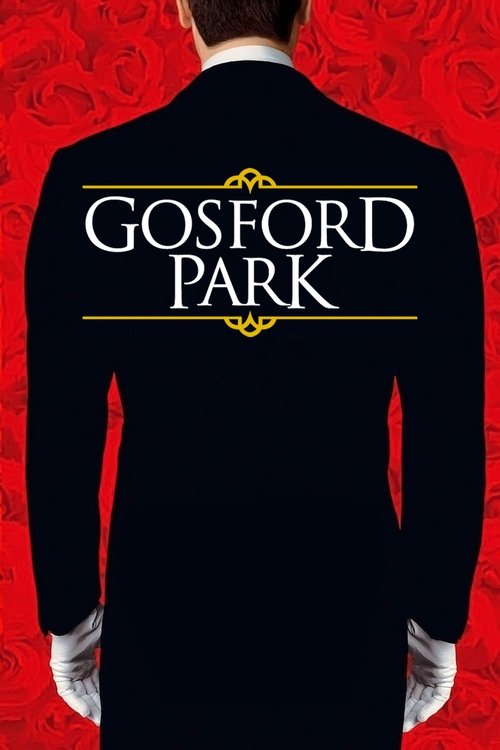
From the underground dwelling of Ki-Woo’s family, their window always a target for drunken public urination, to the Park’s incredible designed chateau of glass and stone, to the petty grievances that grow on each family’s psyches, all is very reminiscent of Robert Altman’s Gosford Park in a thematic way.
Advertisement
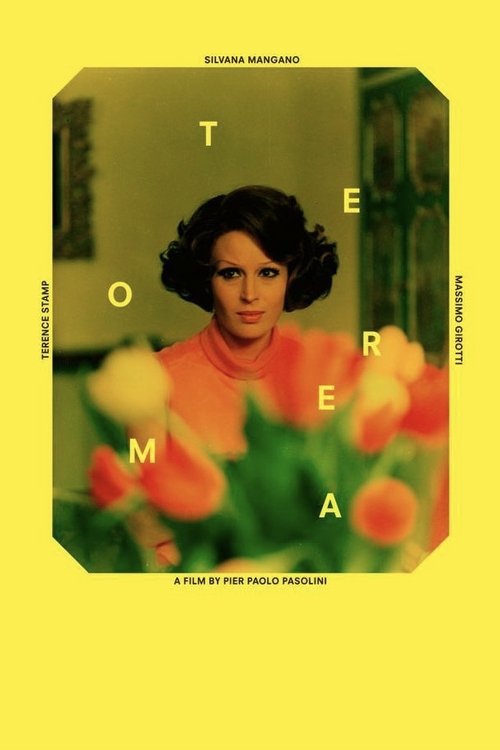
At times the plot teasingly recalls Joseph Losey's The Servant and Pier Paolo Pasoloni’s Theorem , poison-tipped parables about cunning social outcasts staging stealth home invasions against upper-class hosts.
Si bien es cierto que su representación clásica ha cambiado en el cine (papá, mamá, hijo, hija y mascota), son pocos los largometrajes que se atreven genuinamente a desnudarla y exponer los monstruos que existen en ella cuestionando al público directamente (verbigracia, Teorema, Ordinary People, Festen o August Osage County).
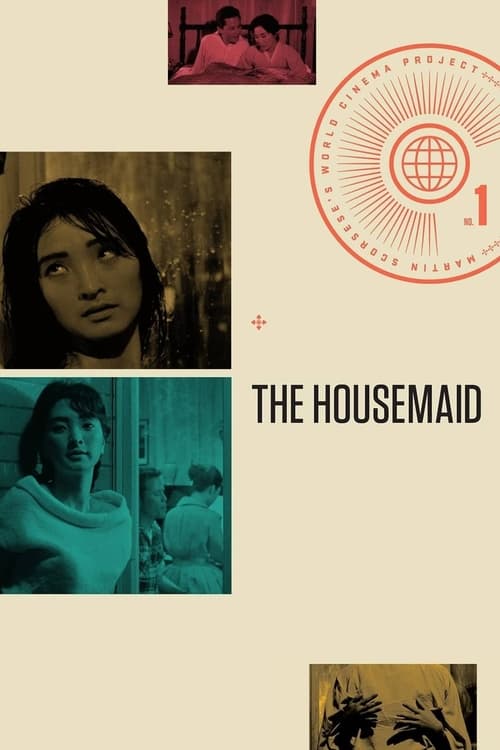
It’s a film the owes much to Kim Ki-young’s classic 1960s feature The Housemaid: a home invasion film inverted where the man of the house brings in a low-class woman to take care of his family’s day to day.
Taking cues from classics of domestic intrigue such as Kim Ki-young’s “The Housemaid” (1960) and Joseph Losey’s “The Servant” (1963), they send this domestic drama vaulting into satire, suspense, terror and full-blown tragedy.