
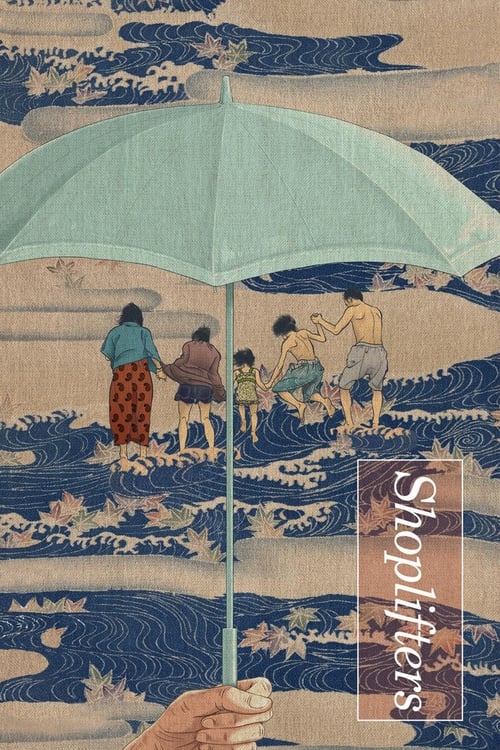
Shoplifters (2018)
Directed by Hirokazu Kore-eda
In the outskirts of Tokyo, a poor but close-knit group living on the fringes of society survives through shoplifting and odd jobs. When Osamu and his son take in a neglected young girl, their already fragile existence begins to unravel. As the family grows attached to her, buried secrets surface, forcing them to confront the true meaning of love, belonging, and what makes a family.
5 connections found
View:
5 connections, in both directions
What critics compared Shoplifters to
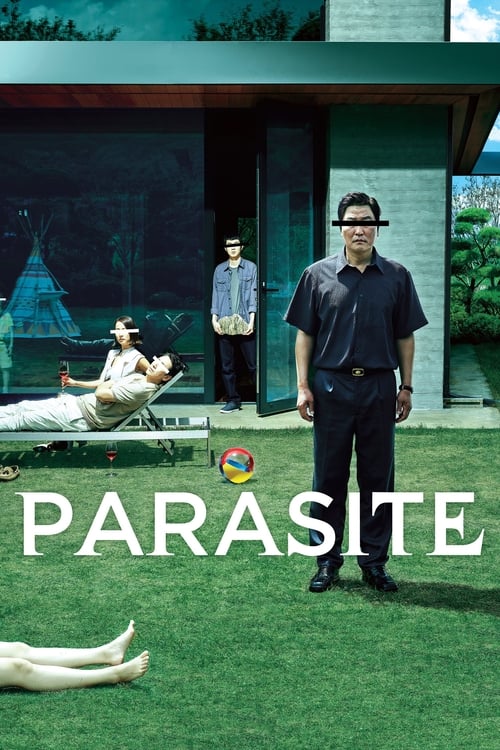


But I’d be surprised if Bong Joon ho didn’t see 2018’s Japanese Cannes Film Festival entry “Shoplifters,” and wasn’t inspired to whip up a funnier and more ambitious take on an underworld of low-rent grifters struggling to survive in the Golden Age of Income Inequality.
Early scenes of Parasite echo the beginning of Hirokazu Kore-eda’s Shoplifters (which was my #1 film for 2018) by focusing on a family eking out an existence just above poverty-level by resorting to scams and dead-end odd-jobs (like folding hundreds of pizza delivery boxes).
But if much of the first part of the movie recalls the sweetness of the 2018 Japanese film “Shoplifters,” which also focused on a poor family doing anything to get by, “Parasite” — which taps into the fears and frustrations of class friction — ultimately goes for something darker and more twisted.
But while Hirokazu Kore-eda approached Shoplifters with an observational and intimate look at family and unconditional love, Bong Joon-ho aggressively careens towards us with an intoxicating twist of ideas and metaphors on social and economic inequality.
There is nothing much here that your reviewer can discern to frighten the horses, much like the Japanese director Hirokazu Koreeda's Shoplifters , which won the Palme d'Or in 2018.
If last year’s Shoplifters, from Hirokazu Kore-eda, featured a Japanese family in similarly dire economic straits and gave them a hug, Parasite does the opposite.
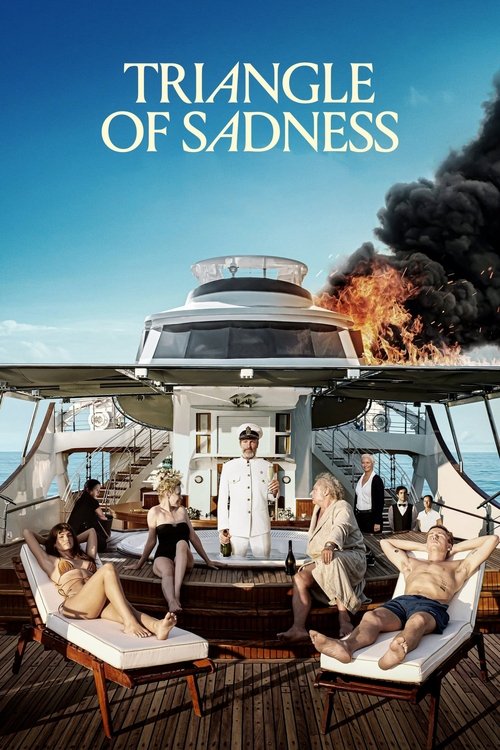
Αν όμως ρίξουμε μια ματιά στους πρόσφατους Χρυσούς Φοίνικες («Εγώ, ο Ντάνιελ Μπλέικ», «Κλέφτες Καταστημάτων», και το συγγενικό «Τετράγωνο»), η θεματική των ανισοτήτων είναι ο κοινός παρονομαστής.
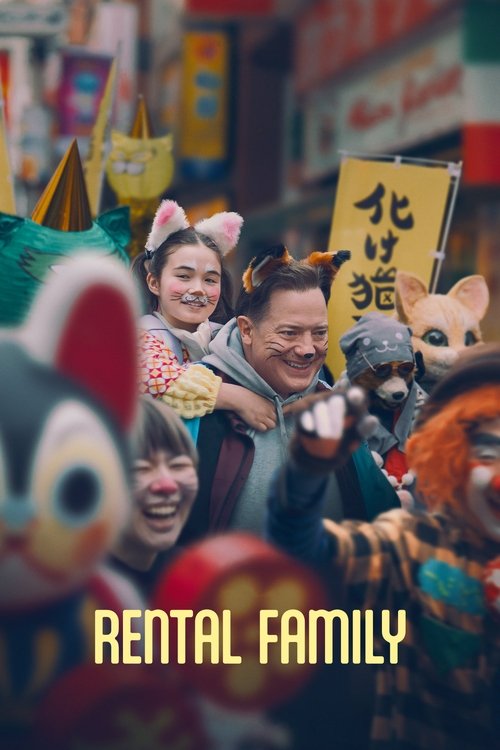
Where Lost in Translation romanticised cultural distance and something like Hirokazu Kore-eda’s Shoplifters interrogated the meaning of family through crime and survival, Rental Family situates itself somewhere between.
Akira Emoto, Shoplifters…
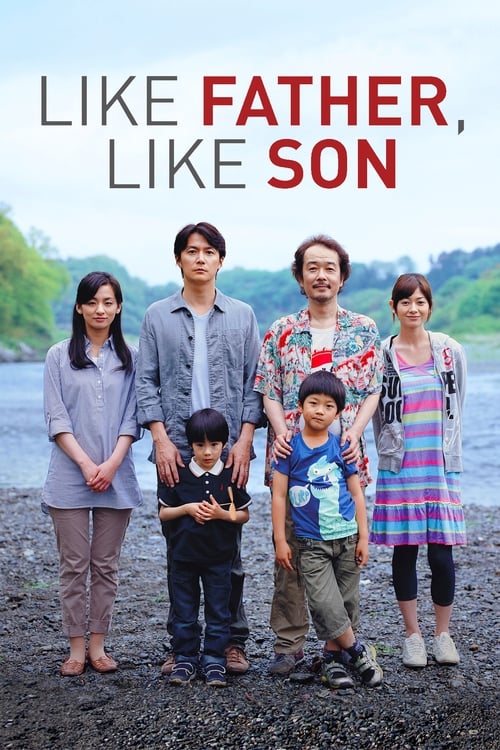
The film also has echoes of Like Father, Like Son as it explores the morality of raising a family in this way.
Yet such soft films have me searching for an edge, and while the core of Shoplifters is not much different in in affect than, say, Like Father, Like Son (2013), the underlying subject of the film is actually quite provocative—indeed it is a subtle twist on this conventional aspect of Kore-eda.
A poet laureate of family and morality, his humanist triumphs include Like Father, Like Son, a meditation on the meaning of parenthood that picked up the jury prize at Cannes in 2013.
While much of its first half continues the easygoing vibe of “Our Little Sister,” and the heartrending melodrama of the second half is enough to trigger whatever lingering trauma viewers might still have from the ending of “Like Father, Like Son,” you’d have to go all the way back to the haunted social-realism of 2004’s “Nobody Knows” to find another Kore-eda film that stings like this one — that so lucidly vivisects the loneliness of not belonging to anyone, and the messiness of sticking together.
Kore-eda has confronted the definition of family before in films like “ Like Father, Like Son ” and “ Nobody Knows ,” but this is one of his most nuanced, layered examinations of the concept.
In fact, the theme is more of a piece with the more recent “Like Father, Like Son,” which also stars Franky as a rough-around-the-edges working class father who believes that love rather than expensive grooming is the way to raise children.
Advertisement
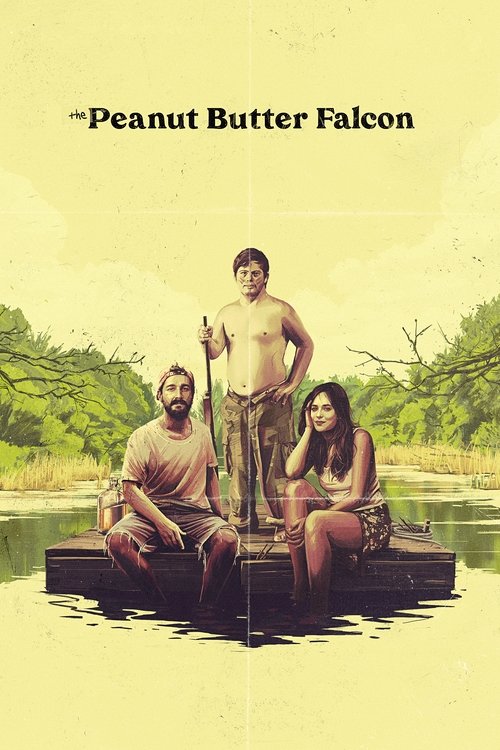
Not unlike Hirokazu Kore-eda’s recent and beloved “Shoplifters,” Tyler Nilson and Mike Schwartz’s deeply-moving “The Peanut Butter Falcon” tackles the idea of finding beautiful familial relationships in unexpected places to fill that void in the heart.