
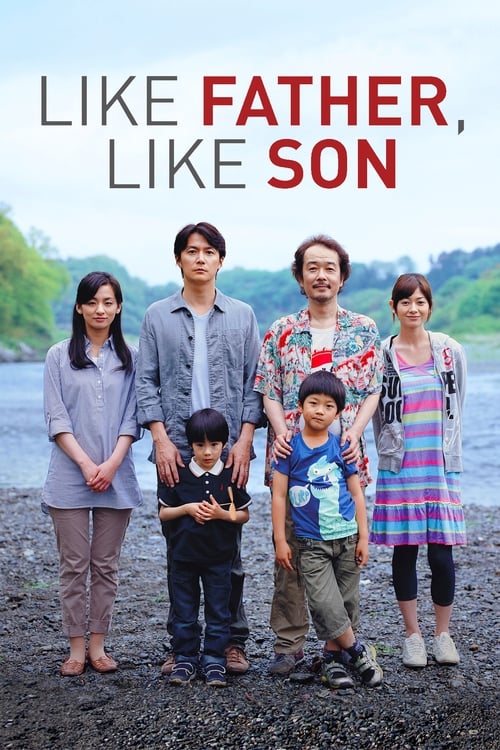
Like Father, Like Son (2013)
Directed by Hirokazu Kore-eda
Ryota Nonomiya is a successful businessman driven by money. He learns that his biological son was switched with another child after birth. He must make a life-changing decision and choose his true son or the boy he raised as his own.
7 connections found
View:
7 films that influenced Like Father, Like Son
What critics say influenced Like Father, Like Son
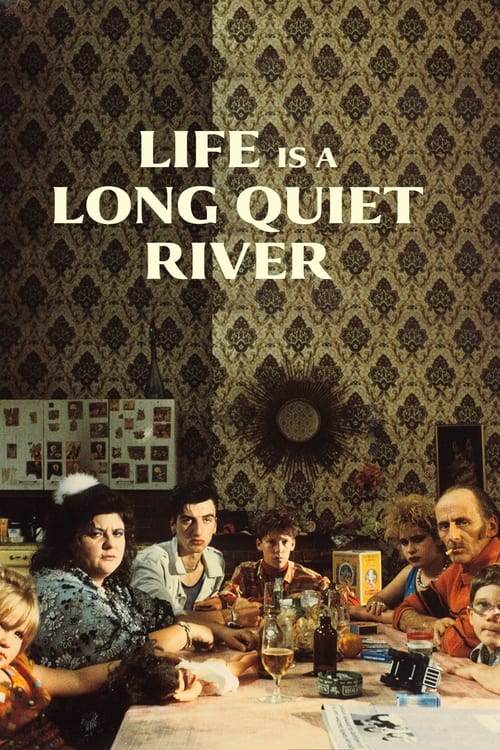


Kore-eda has chosen a subject with no lack of precedents, notably in Etienne Chatillez’s “Life Is a Long, Quiet River” (1988).
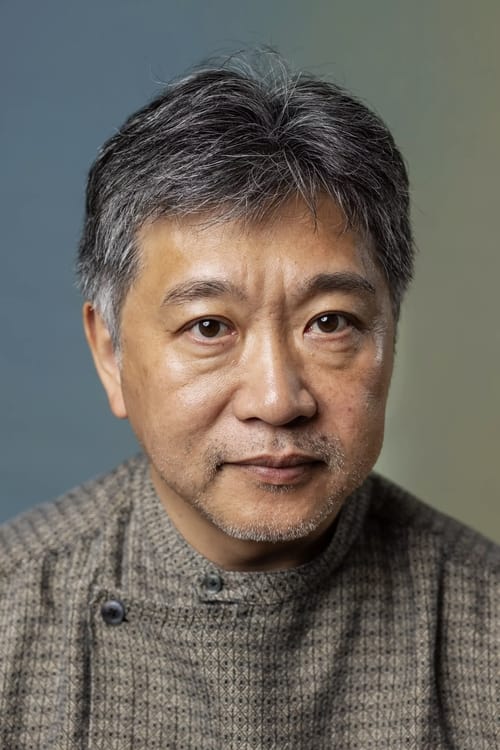
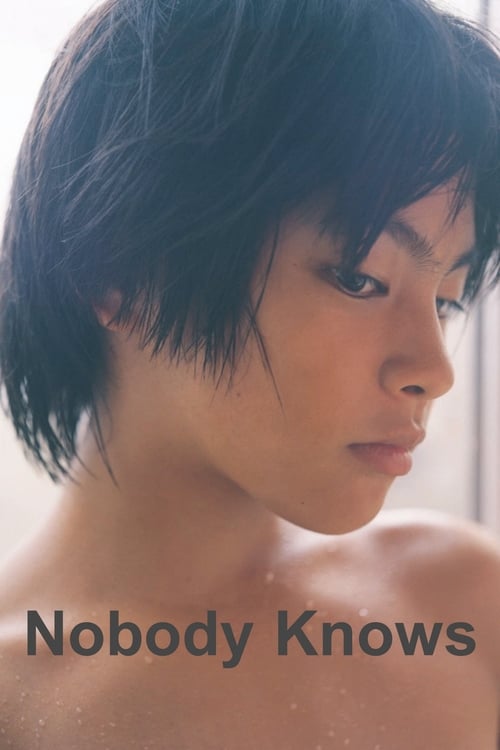
It's surprising, since Kore-eda has in the past crafted some of the most poignant and delicate of Japanese films, including "Maborosi" and "Nobody Knows."
The film also shows the director's fascination with the family unit and preoccupation with children on their own -- in "Nobody Knows" (2004), he told the fact-based story of an abandoned quartet of siblings surviving on their own in Tokyo.
Previously Kore-Eda has made movies about rived families that have centered on children, such as “Nobody Knows,” in which a mother abandons her kids, and “I Wish,” about parental divorce.
Kore-eda portrayed family themes in his earlier “I Wish” (2011), where two young brothers separated by divorce seek to unite, and “Nobody Knows” (2004), a drama based on a news story about four kids living with no parents around.
His most memorable dramas always seem to be built around families: Maborosi (a wife deals with her husband's suicide); After Life (departed souls remember their loved ones); I Wish (a pair of brothers are separated but try to reconnect); Still Walking (a poignant visit to grandparents in the countryside); and the heartbreaking Nobody Knows, in which four young Tokyo kids are abandoned by their mother.

But how dismaying to see the man who made “Still Walking”, with its rich characters and gently shifting emotional dynamics, rely on tear-jerking narrative arcs (the career-oriented father played by Masaharu Fukuyama learns to accept his underachieving non-biological son), trite clash-of-the-classes schtick (one of the families is bourgeois, the other working-class), and perhaps the most overused piece of classic music in film history (Bach’s “Goldberg Variations”).
His most memorable dramas always seem to be built around families: Maborosi (a wife deals with her husband's suicide); After Life (departed souls remember their loved ones); I Wish (a pair of brothers are separated but try to reconnect); Still Walking (a poignant visit to grandparents in the countryside); and the heartbreaking Nobody Knows, in which four young Tokyo kids are abandoned by their mother.
Korea-Eda combines his usual Oshima-like, microscopic eye for the fault-lines and power structures of family (see Still Walking) with a looser appreciation of how multiple families interact as groups and individuals.
Unlike Ozu-tinged Still Walking or Nobody Knows and I Wish, however, concentration is not on adult children and their parents or on children deserted by or trying to reunite their parents.
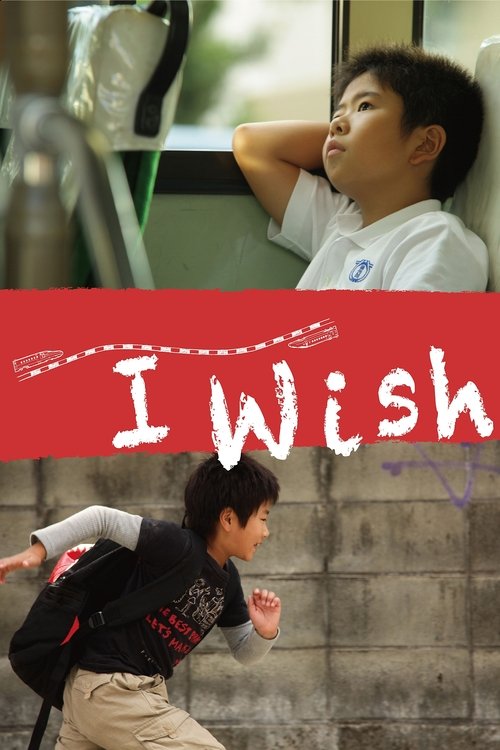
Not a remake of the 1987 Dudley Moore body-swap-com, this is another intimate, slow-burning exploration of Japanese family life from writer-director Hirokazu Koreeda ( I Wish ).
Previously Kore-Eda has made movies about rived families that have centered on children, such as “Nobody Knows,” in which a mother abandons her kids, and “I Wish,” about parental divorce.
Kore-eda portrayed family themes in his earlier “I Wish” (2011), where two young brothers separated by divorce seek to unite, and “Nobody Knows” (2004), a drama based on a news story about four kids living with no parents around.
His most memorable dramas always seem to be built around families: Maborosi (a wife deals with her husband's suicide); After Life (departed souls remember their loved ones); I Wish (a pair of brothers are separated but try to reconnect); Still Walking (a poignant visit to grandparents in the countryside); and the heartbreaking Nobody Knows, in which four young Tokyo kids are abandoned by their mother.
Kore-eda’s films, including “I Wish,” “Air Doll,” “Nobody Knows,” and “After Life,” are characterized by gentleness and sentimentality around family issues and often feature children.
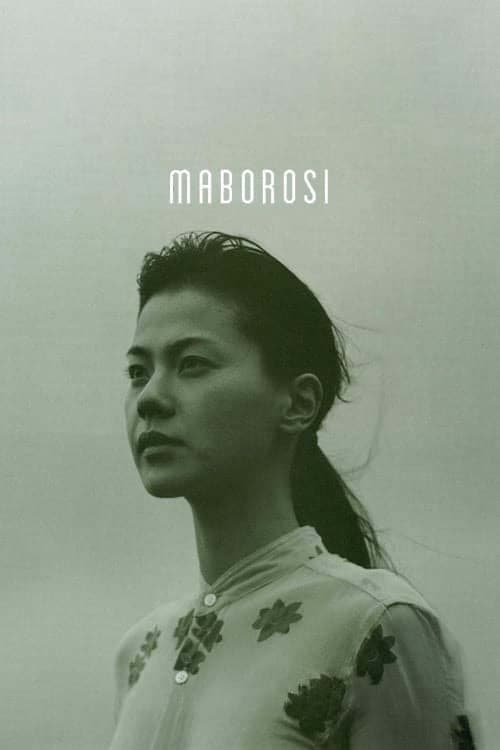
It's surprising, since Kore-eda has in the past crafted some of the most poignant and delicate of Japanese films, including "Maborosi" and "Nobody Knows."
His most memorable dramas always seem to be built around families: Maborosi (a wife deals with her husband's suicide); After Life (departed souls remember their loved ones); I Wish (a pair of brothers are separated but try to reconnect); Still Walking (a poignant visit to grandparents in the countryside); and the heartbreaking Nobody Knows, in which four young Tokyo kids are abandoned by their mother.
Writer/director Kore-eda Hirokazu ("Nobody Knows," "I Wish") has examined the dynamics of families split apart since 1995's "Maborosi," but this time, as the father of a 5 year-old himself, the project's more personal.
While family dramas like Still Walking and Like Father, Like Son have established Kore-eda as seemingly the heir apparent to Yasijiro Ozu, Maborosi is something of a different animal.
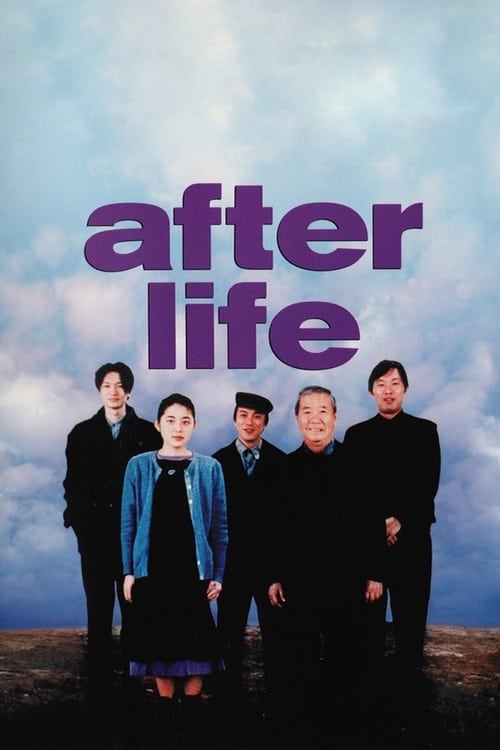
His most memorable dramas always seem to be built around families: Maborosi (a wife deals with her husband's suicide); After Life (departed souls remember their loved ones); I Wish (a pair of brothers are separated but try to reconnect); Still Walking (a poignant visit to grandparents in the countryside); and the heartbreaking Nobody Knows, in which four young Tokyo kids are abandoned by their mother.
Because he’s such a precise observer of family micro-dynamics and sublime director of children, Japanese director Hirokazu Koreeda (After Life, Nobody Knows) gets away with much in Like Father, Like Son, a credibility-challenging story about two Tokyo couples dealing with the revelation that their six-year-old sons were switched at birth.
Kore-eda’s films, including “I Wish,” “Air Doll,” “Nobody Knows,” and “After Life,” are characterized by gentleness and sentimentality around family issues and often feature children.
The Japanese filmmaker Hirokazu Kore-eda has the talent for taking deep and irresolvable anxieties – death (“After Life”), abandonment (“Nobody Knows”), grief and guilt (“Still Walking”), and broken families (“I Wish”) — and turning them into odd, understated parables that teeter between the mawkish and the profound.
Falling somewhere in between the two, though leaning more toward the pointless self-critique of After Life, is the director's latest, Like Father, Like Son.
Yudai and Yukari Saiki (Rirî Furankî and Yôko Maki, "The Grudge") are, like Midori's mother, not urban sophisticates.