
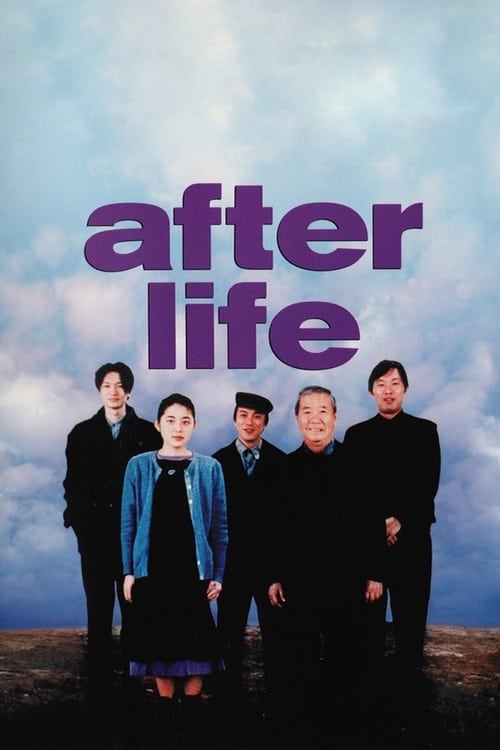
After Life (1999)
Directed by Hirokazu Kore-eda
On a cold Monday morning, a group of counselors clock in at an old-fashioned social services office. Their task is to interview the recently deceased, record their personal details, then, over the course of the week, assist them in choosing a single memory to keep for eternity.
3 connections found
View:
3 connections, in both directions
What critics compared After Life to
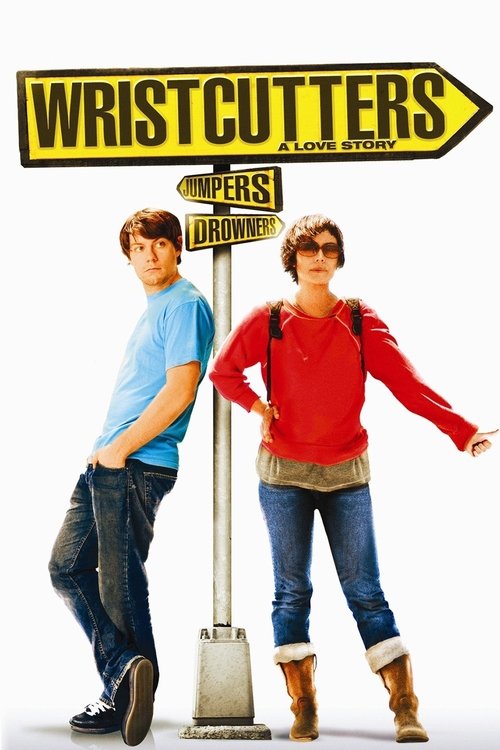


Like Hirokazu Koreeda's After Life, Tim Burton's Beetlejuice, Shinya Tsukamoto's Vital and Christoffer Boe's Allegro , Wristcutters: A Love Story depicts limbo as a place of dreary banality occasionally touched by the transcendent - and despite working with a very low budget, newbie director Goran Dukic manages to find romance, pathos and wildly oddball humour in the drabbest of settings and bleakest of materials.
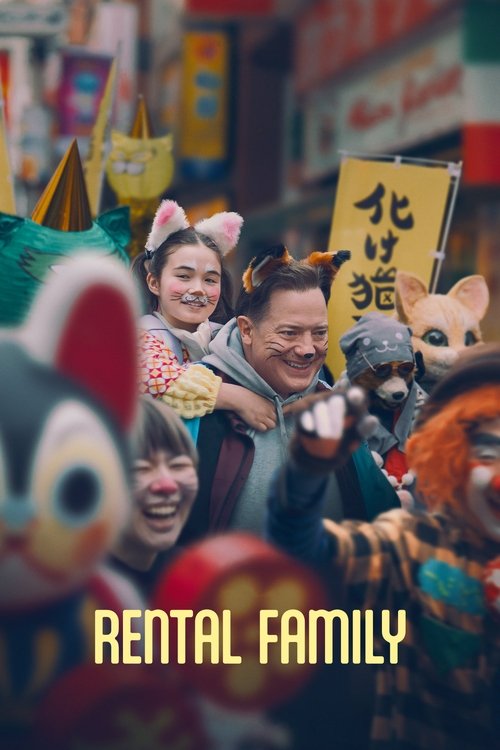
Like the Japanese auteur’s brilliant After Life, or Nathan Fielder’s strange series, this Brendan Fraser-fronted film follows an acting troupe committed to helping people on a bigger scale through their craft.
His most memorable dramas always seem to be built around families: Maborosi (a wife deals with her husband's suicide); After Life (departed souls remember their loved ones); I Wish (a pair of brothers are separated but try to reconnect); Still Walking (a poignant visit to grandparents in the countryside); and the heartbreaking Nobody Knows, in which four young Tokyo kids are abandoned by their mother.
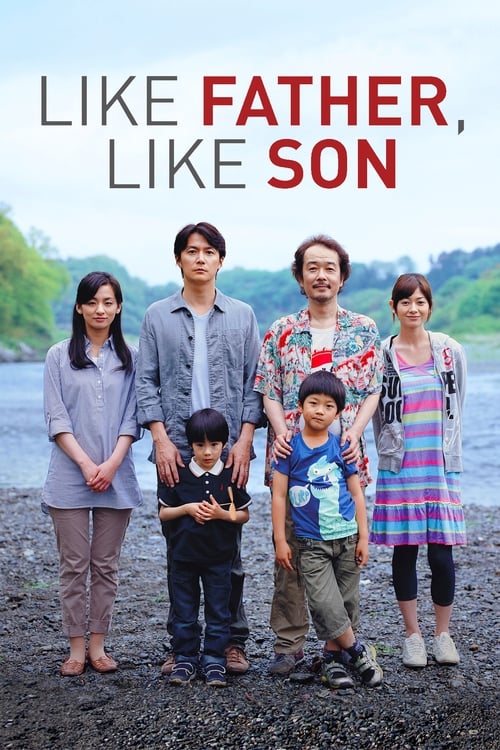
Because he’s such a precise observer of family micro-dynamics and sublime director of children, Japanese director Hirokazu Koreeda (After Life, Nobody Knows) gets away with much in Like Father, Like Son, a credibility-challenging story about two Tokyo couples dealing with the revelation that their six-year-old sons were switched at birth.
Kore-eda’s films, including “I Wish,” “Air Doll,” “Nobody Knows,” and “After Life,” are characterized by gentleness and sentimentality around family issues and often feature children.
The Japanese filmmaker Hirokazu Kore-eda has the talent for taking deep and irresolvable anxieties – death (“After Life”), abandonment (“Nobody Knows”), grief and guilt (“Still Walking”), and broken families (“I Wish”) — and turning them into odd, understated parables that teeter between the mawkish and the profound.
Falling somewhere in between the two, though leaning more toward the pointless self-critique of After Life, is the director's latest, Like Father, Like Son.