

Still Walking (2008)
Directed by Hirokazu Kore-eda
A family gathers together for a commemorative ritual whose nature only gradually becomes clear.
1 connection found
View:
1 connections, in both directions
What critics compared Still Walking to
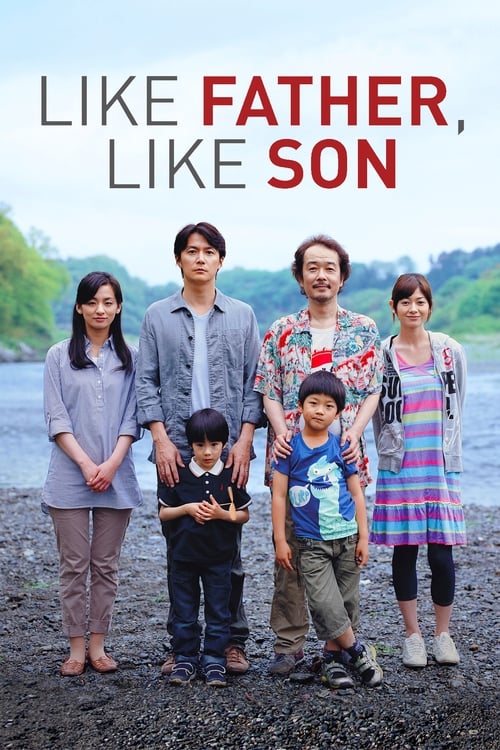


But how dismaying to see the man who made “Still Walking”, with its rich characters and gently shifting emotional dynamics, rely on tear-jerking narrative arcs (the career-oriented father played by Masaharu Fukuyama learns to accept his underachieving non-biological son), trite clash-of-the-classes schtick (one of the families is bourgeois, the other working-class), and perhaps the most overused piece of classic music in film history (Bach’s “Goldberg Variations”).
His most memorable dramas always seem to be built around families: Maborosi (a wife deals with her husband's suicide); After Life (departed souls remember their loved ones); I Wish (a pair of brothers are separated but try to reconnect); Still Walking (a poignant visit to grandparents in the countryside); and the heartbreaking Nobody Knows, in which four young Tokyo kids are abandoned by their mother.
Korea-Eda combines his usual Oshima-like, microscopic eye for the fault-lines and power structures of family (see Still Walking) with a looser appreciation of how multiple families interact as groups and individuals.
Unlike Ozu-tinged Still Walking or Nobody Knows and I Wish, however, concentration is not on adult children and their parents or on children deserted by or trying to reunite their parents.