
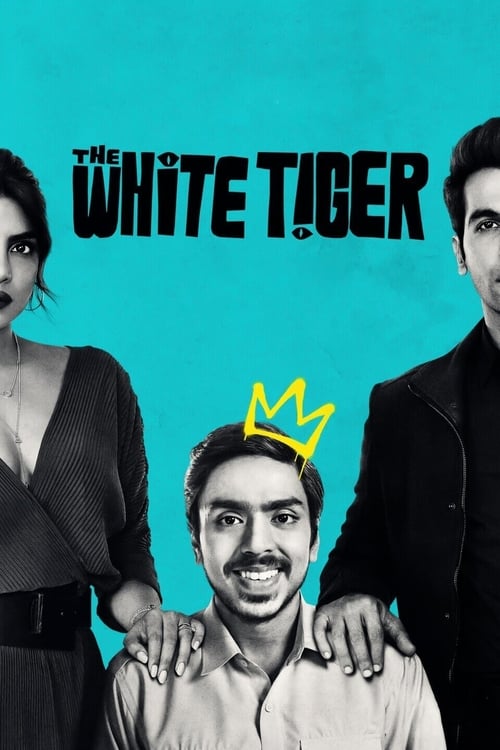
The White Tiger (2021)
Directed by Ramin Bahrani
An ambitious Indian driver uses his wit and cunning to escape from poverty and rise to the top. An epic journey based on the New York Times bestseller.
6 connections found
View:
6 films that influenced The White Tiger
What critics say influenced The White Tiger
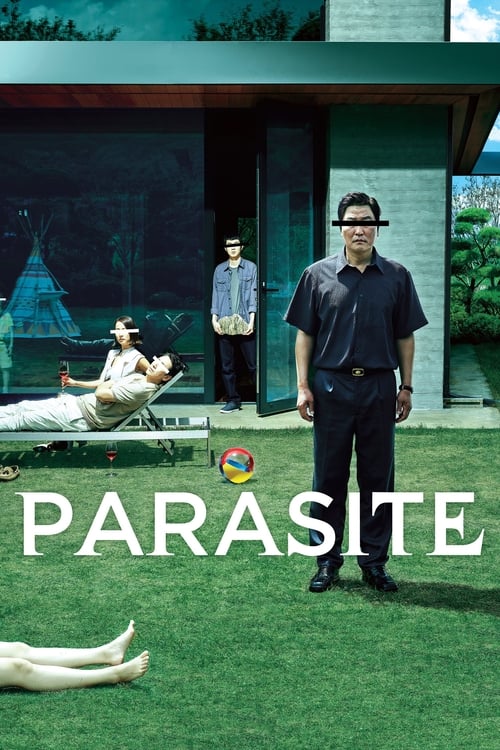


There is a striking parallel between Bong Joon-ho’s “Parasite”, which received an Oscar last year for best picture, and this year’s “The White Tiger” that opens this Friday on Netflix.
“The White Tiger” would make a very pointed double bill with 2019′s Oscar-winning “Parasite,” and its lessons apply to cultures even closer to home.
And that’s the quality that sets the film apart from something like Bong Joon-ho’s Parasite, which contained its commentary in a more straightforward format: on the surface, it was a genre piece, a thriller.
It’s something of “Slumdog Millionaire” (2008) if infused by Bong Joon-ho’s “Parasite” (2019), haunting and brutal in its reveal by taking the ideal high life and status quo and turning it inside out with an uncompromising hand.
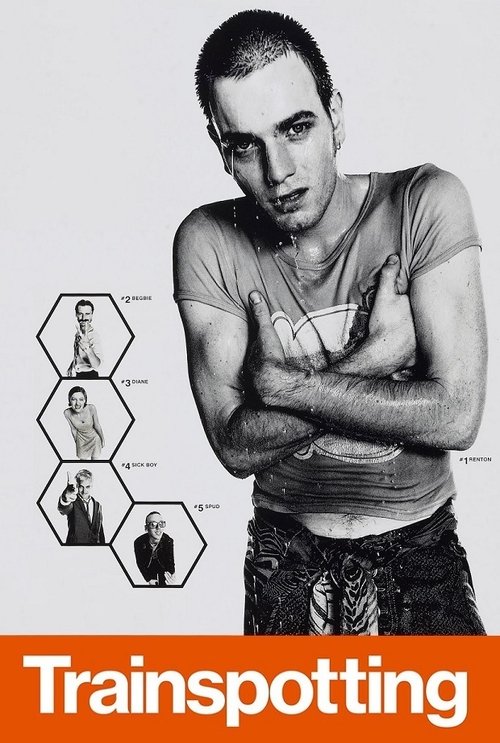
All of this is beautifully conveyed by Bahrani's fast-paced and snarkily self-aware narrative (if one has to compare it to a Danny Boyle film, it comes much closer to approximating "Trainspotting" than "Slumdog Millionaire") and the strong lead performance from Gouray, who nails all the complexities of Balram so that you are simultaneously rooting for him to succeed and appalled by the lengths that he is willing to go to get ahead.

I could not help but be reminded of “Gunga Din”, Kipling’s awful poem that was made into an even more awful film.
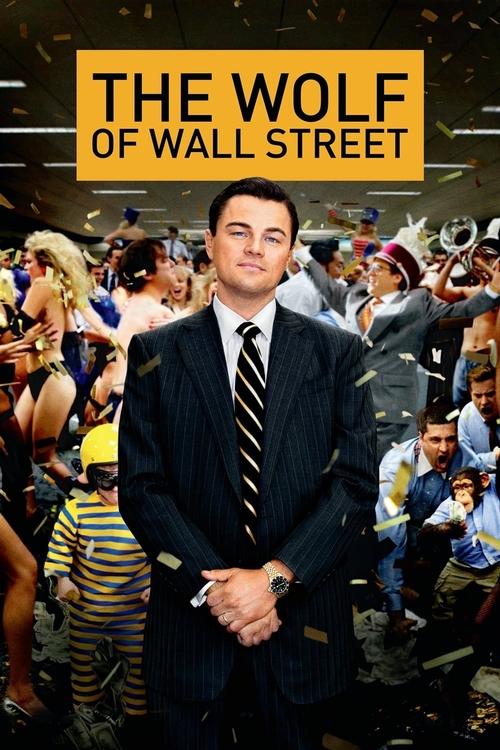
What you have instead is something more akin to the meteoric rise to the top seen in The Wolf of Wall Street , combined with the razor sharp political edge of Parasite .
There’s only two with a narrator that come to mind that work: Goodfellas and The Wolf of Wall Street .
Like Stone's Wall Street movies and Scorsese's The Wolf of Wall Street, The White Tiger seems to enjoy the gluttonous desire for excess, and becomes intoxicated on it.
Advertisement
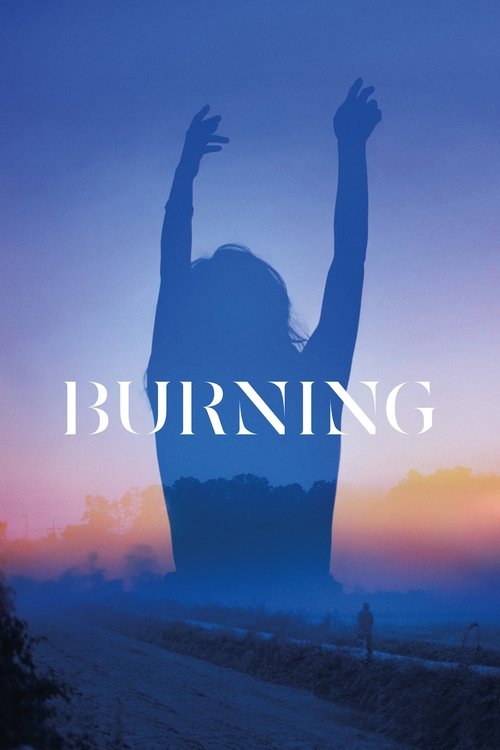
Lee Chang-dong’s Burning (2019), another tale of a fatal class encounter, ends on an unforgettable, overwhelming note — a tragedy that shocks us, in part, because it opts to beguile and stun where another film, a film such as The White Tiger, leans heavily on explanation and exposition, satisfying a need to neaten and explain a form of class rage that needn’t be so neat or explicable to compel or even convince us.
It’s similar to a film such as The Gift or recently Lee Chang-dong’s Burning .
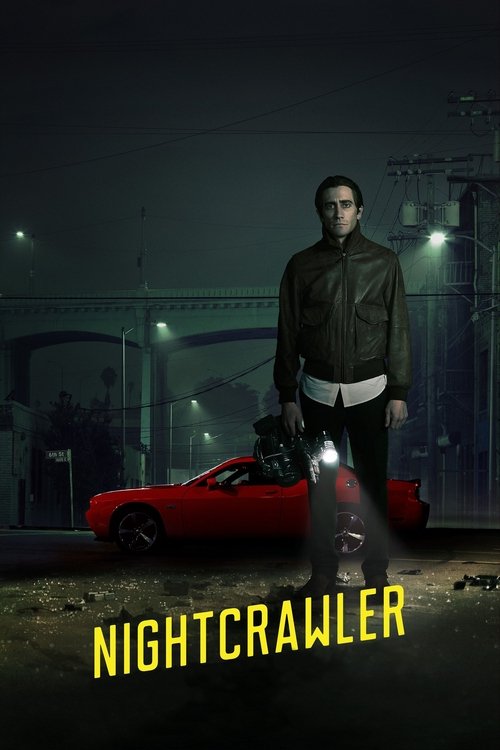
He’s cut from the same cloth as Patricia Highsmith’s Tom Ripley or Louise Bloom from Nightcrawler (2014).
Both are "eat the rich" stories, though The White Tiger shares more structural commonalities with Nightcrawler than last year’s Best Picture winner.