
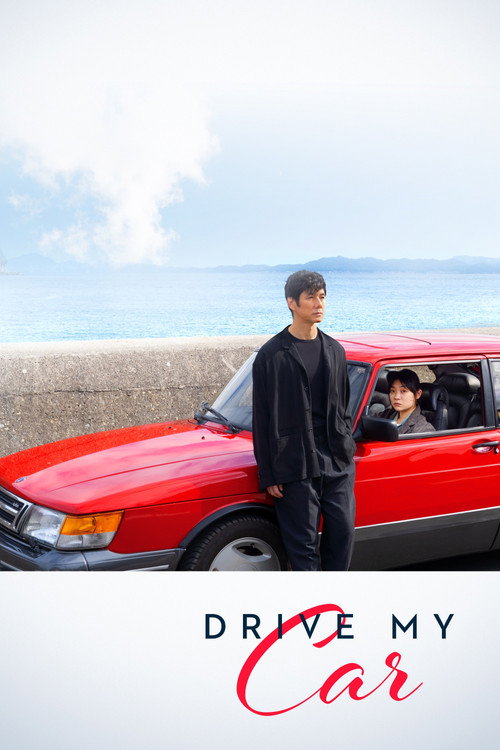
Drive My Car (2021)
Directed by Ryusuke Hamaguchi
Yusuke Kafuku, a stage actor and director, still unable, after two years, to cope with the loss of his beloved wife, accepts to direct Uncle Vanya at a theater festival in Hiroshima. There he meets Misaki, an introverted young woman, appointed to drive his car. In between rides, secrets from the past and heartfelt confessions will be unveiled.
2 connections found
View:
2 connections, in both directions
What critics compared Drive My Car to
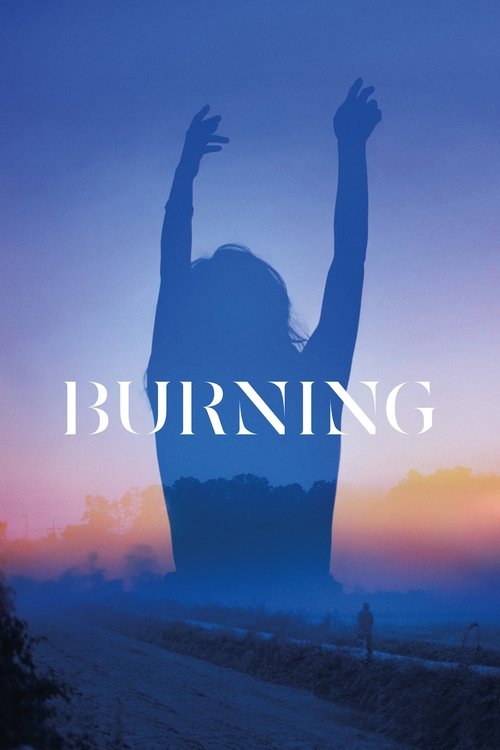


Collapsing elements of several short stories from Haruki Murakami's 2017 collection Men Without Women (but mainly the tale from which the title is derived, merely an essence compared to Hamaguchi's complexity), it's as heady a blending of authorial intentions as Lee Changdong's 2018 Murakami adaptation Burning, which reconstituted the fumes of William Faulkner.
Directed and co-written by Ryusuke Hamaguchi and based on a short story by Haruki Murakami (whose work also inspired Burning), Drive My Car frequently relies on things unspoken.
Alongside Burning, it’s the most successful cinematic Murakami to date.
Like Lee Chang-dong's 2018 film Burning, itself a beloved part of that year's Cannes slate, Murakami's storylines seem primed for cinematic translation, embodying both literary sophistication and character exploration without succumbing to a myriad of soliloquies or bloated visual meanderings.
There are pieces pulled into it from Murakami's other work (including Burning in the story Oto tells and can never finish), as well as explorations of issues suggested by the source like questions of transference in Kafuku and Takatsuki–literalized in Kafuku casting Takatsuki in the role that Kafuku “owns.”
Shooting in sumptuous greys and blues, Hamaguchi draws from the deeper wells of Murakami’s text––his sense of melancholy and quiet mystery––and fleshes it out; as in Lee Chang-dong’s Burning, the novella only accounts for a relatively small portion of Hamaguchi’s narrative.
From the process of grief through theater in Drive My Car or how artistic pursuits can have life wash by you, such as is the case in the devastating Synecdoche, New York.