
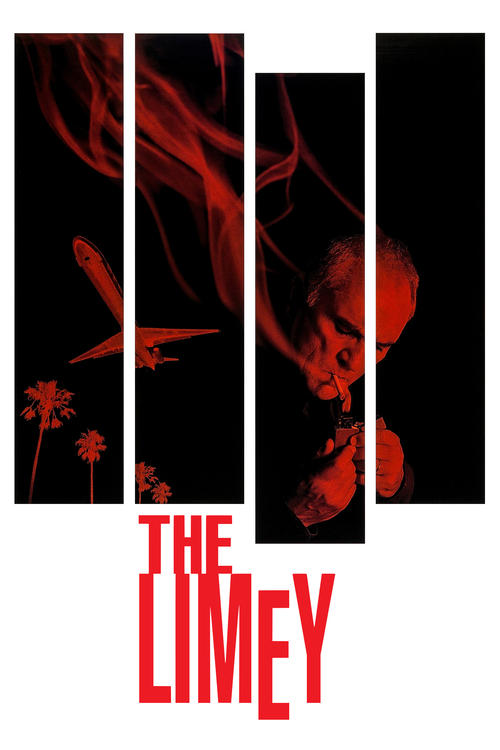
The Limey (1999)
Directed by Steven Soderbergh
The Limey follows Wilson, a tough English ex-con who travels to Los Angeles to avenge his daughter's death. Upon arrival, Wilson goes to task battling Valentine and an army of L.A.'s toughest criminals, hoping to find clues and piece together what happened. After surviving a near-death beating, getting thrown from a building and being chased down a dangerous mountain road, the Englishman decides to dole out some bodily harm of his own.
9 connections found
View:
9 films that influenced The Limey
What critics say influenced The Limey
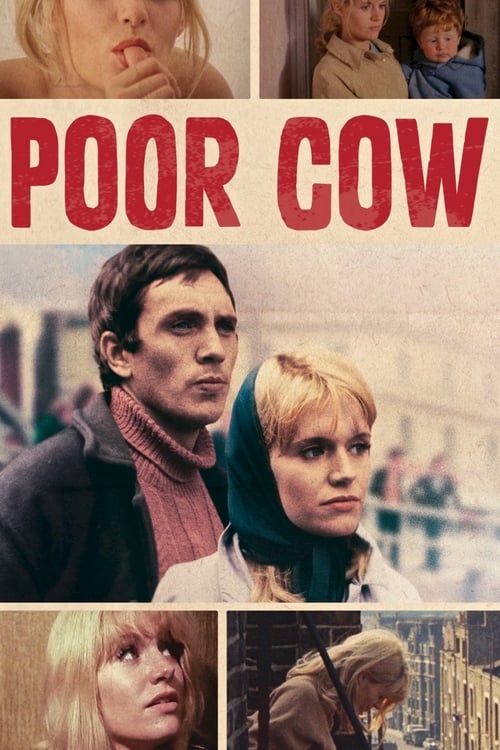


Likewise we see clips of Stamp in the 1967 Poor Cow, which show a younger Wilson as a budding thief.
Another ingenious idea that Soderbergh and Dobbs came up with was to incorporate footage from an old Stamp movie called Poor Cow (1967, directed by Ken Loach) and evolve Stamp into an older version of that character.
A sly film ploy also adds realism to Stamp's character by inserting clips from Poor Cow, a 1967 Ken Loach movie starring Stamp that is used to reflect Wilson's flashbacks to his earlier days.
For parts of the character's history, Soderbergh lifts footage from a 1967 film called "Poor Cow," in which Stamp played a young thief, implying that "The Limey" is in some ways a sequel.
Flashbacks of Wilson in his youth are actually scenes from one of Stamp's movies of the '60s, Poor Cow, and they remind us how devastatingly handsome he was as a younger man.
The character is the older, more contemplative incarnation of the thug Stamp played in Ken Loach's "Poor Cow" from 1967.
The film feels refracted through its protagonist's mind, with chronological logic blurred by a narrative free association that finds particular sounds, colors and images subconsciously intertwined (a technique Steven Soderbergh would ape in 1999's The Limey).
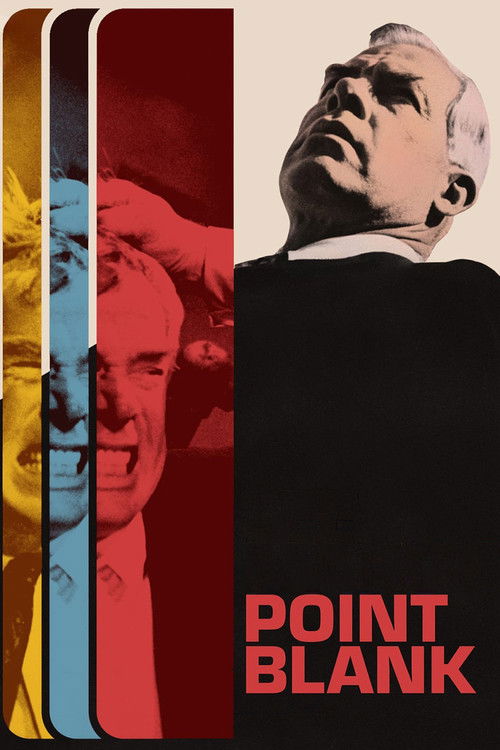
I only know for sure that this is a revenge type of film and that it plays much like many a classical Western, but is shot in the '60s style of "Point Blank," and is scripted by Lem Dobbs, most probably, for the entertainment value it provides.
Steven Soderbergh's The Limey, for example, is a wholehearted homage to such movies of the '60s as Point Blank and Petulia (with a nod to Sergio Leone's spaghetti Westerns as well).
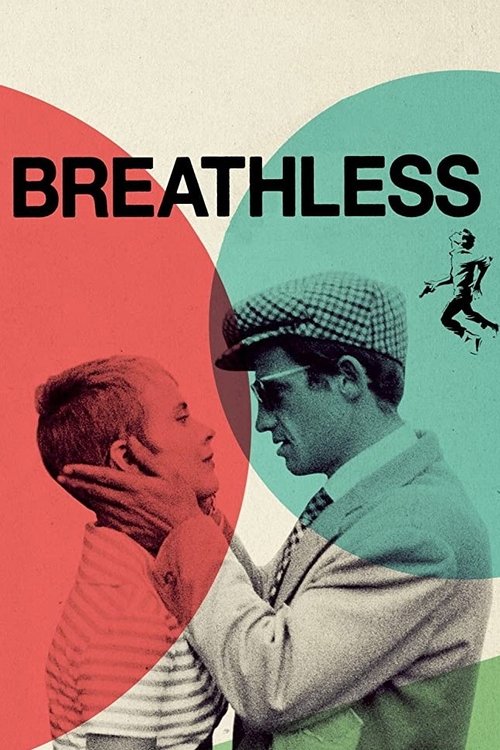
Not unlike the early French New Wave movies like Breathless (1960), The Limey uses lots of flashbacks, flash-forwards, and jump cuts.
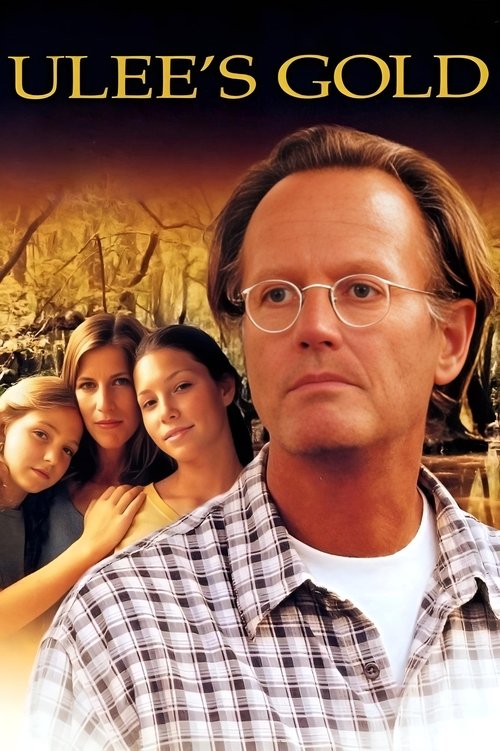
He finds out that a big-time record producer with mob ties, Valentine (Peter Fonda of "Ulee's Gold") may be the one behind her death.
Fonda, however, is barely believable in a performance that makes his lovely, understated work in "Ulee's Gold" look like an aberration.
Advertisement
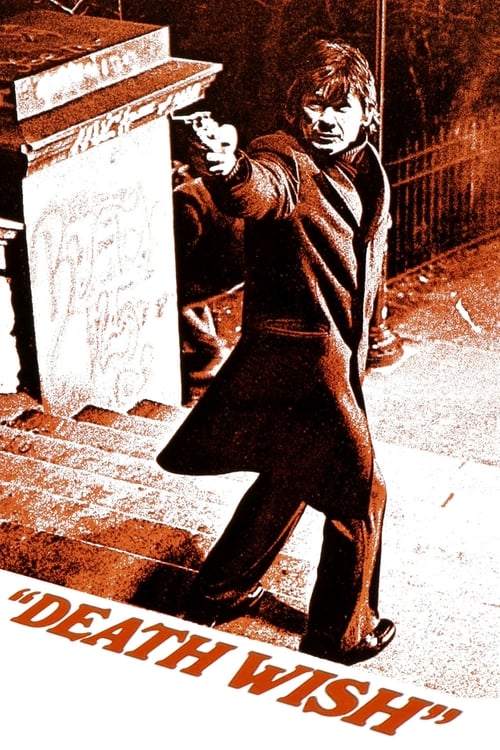
Call it the art film version of Death Wish.


Always innovative but not always involving, they range from the sublime ("sex, lies and videotape," "King of the Hill," "Out of Sight") to the disappointing ("Kafka").
After his huge Sundance success sex, lies & videotape (1989), he turned to a black-and-white surreal mystery story, Kafka (1991), from a screenplay by the legendary Lem Dobbs, which quickly disappeared.
When broken down, The Limey's story (written by Lem Dobbs, who also wrote the screenplay for Soderbergh's Kafka) is a simple revenge tale that Soderbergh uses as the spine for his narrative reassemblage.
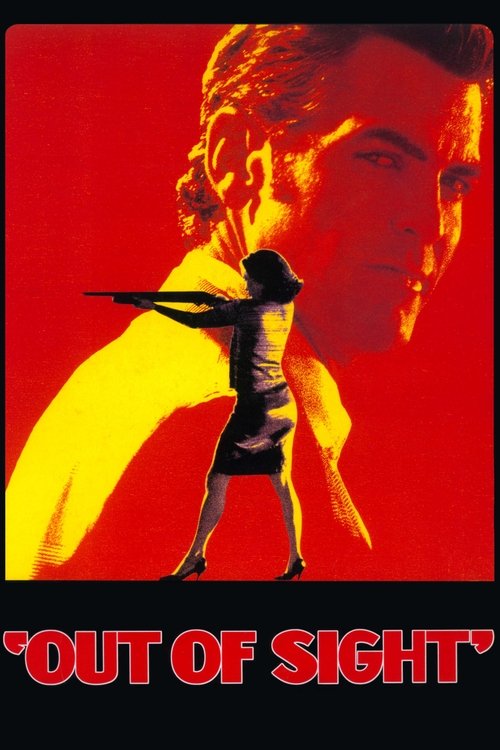
In his follow up to Out of Sight, director Steven Soderbergh has come up with a moody five-finger exercise about loss.
Director Steve Soderbergh (who last directed "Out of Sight") this time gets carried away with the flashbacks and flashforwards.
Always innovative but not always involving, they range from the sublime ("sex, lies and videotape," "King of the Hill," "Out of Sight") to the disappointing ("Kafka").
Back in the mainstream, he directed one of last year's best movies, the Elmore Leonard crime story Out of Sight, which made far less money than it deserved.
The Limey continues in the vein he established with his previous film Out of Sight -- straightforward genre pieces that he treats as anything but straightforward.
Coming off of his own big studio production, "Out of Sight," Soderbergh shows he hasn't sold out by making such an audaciously contemplative film out of a script (by Len Dobbs, who co-wrote "Dark City" ) that Hollywood would have watered down to a scowl on a $20 million star and a spray of bullets.

But King Of The Hill is more than just the movie that straightened out Soderbergh’s career; it’s also one of his best films, albeit very different from higher-profile Soderberghs like Out Of Sight, The Limey, Traffic, and Ocean’s Eleven.
Always innovative but not always involving, they range from the sublime ("sex, lies and videotape," "King of the Hill," "Out of Sight") to the disappointing ("Kafka").
His rather mainstream King of the Hill (1993) was another critical hit, and his The Underneath (1995) quickly disappeared.
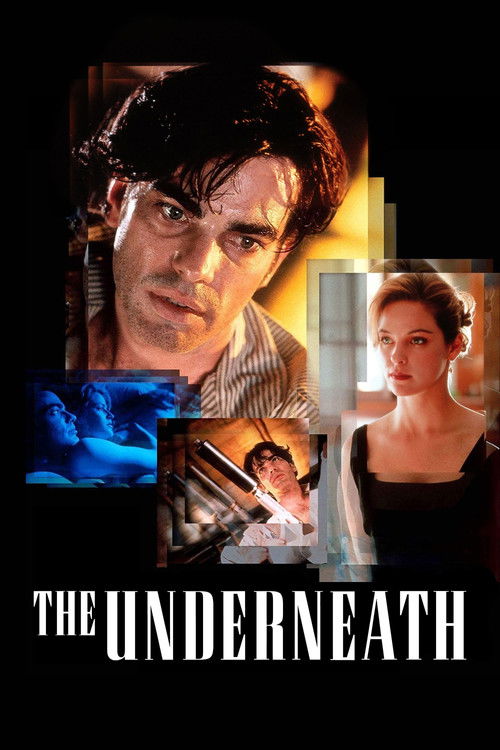
His rather mainstream King of the Hill (1993) was another critical hit, and his The Underneath (1995) quickly disappeared.
When he made 1994's "The Underneath," an under-seen remake of 1949's "Criss Cross," the fulgent palette and stylistic devices seemed like a break in form.