
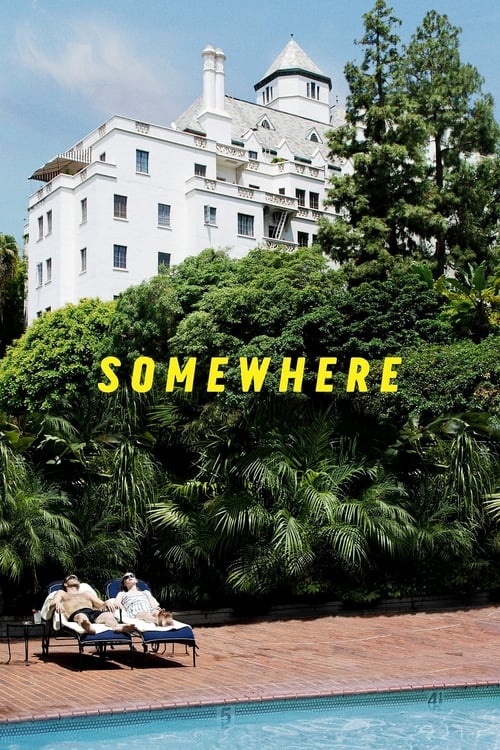
Somewhere (2010)
Directed by Sofia Coppola
After withdrawing to the Chateau Marmont, a passionless Hollywood actor reexamines his life when his eleven-year-old daughter surprises him with a visit.
6 connections found
View:
6 films that influenced Somewhere
What critics say influenced Somewhere

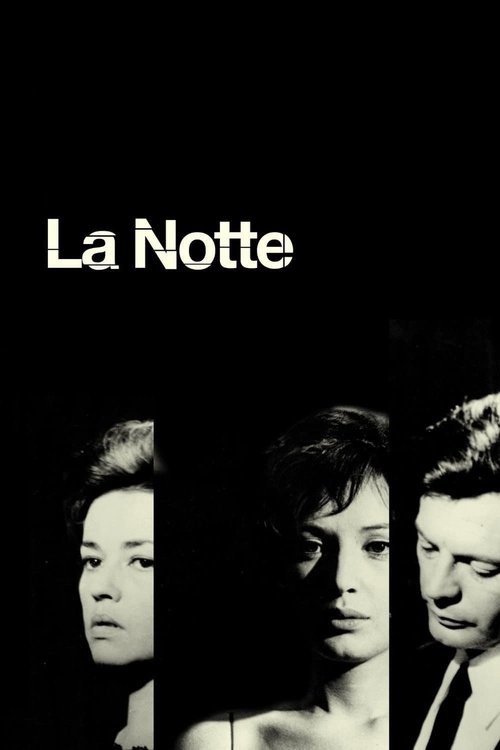


The ever-acerbic Kael was referencing the existential drear that so glamorously afflicted characters in '60s foreign films like " La Notte " and " 8 1/2 ."
It’s easy to see borrowed influences from Michelangelo Antonioni films (particularly L’avventura, and La Notte), perhaps inspired by a short trip Cleo and Johnny take to Italy for a ridiculous awards show.
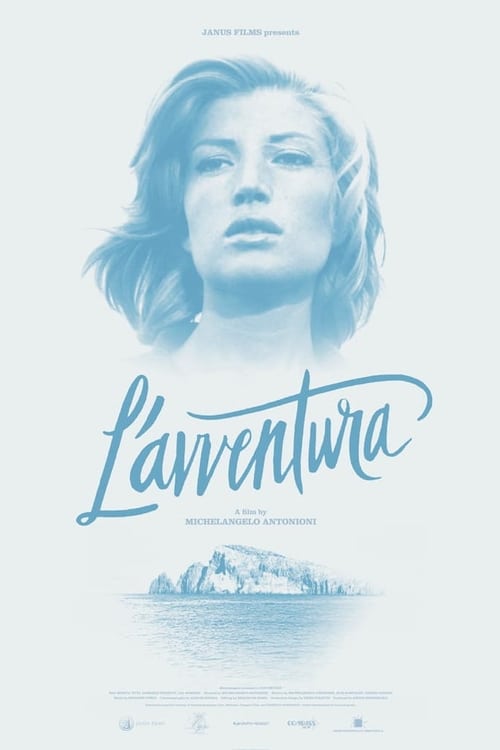
It’s easy to see borrowed influences from Michelangelo Antonioni films (particularly L’avventura, and La Notte), perhaps inspired by a short trip Cleo and Johnny take to Italy for a ridiculous awards show.
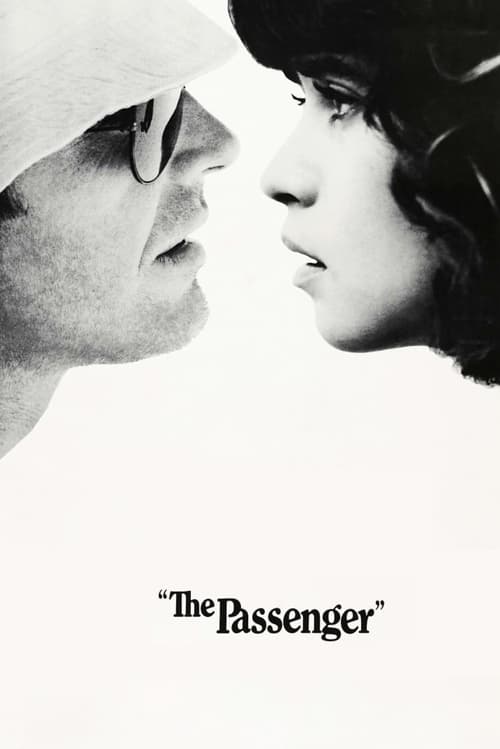
Dorff is more Mark Frechette in Zabriskie Point (1970) than Jack Nicholson in Antonioni's The Passenger (1975).


Sofia Coppola's film “Somewhere” involves, as did her “ Lost in Translation ” (2003), a man separated from his family and sitting alone in a hotel room.
That's not the sort of thing you can disagree with - nor can one really do anything to disprove the fairly obvious fact that Somewhere (which won the 2010 Golden Lion at the Venice Film Festival) takes a hell of a lot of narrative details from Coppola's best-known work, Lost in Translation .
Like Coppola's previous "Lost in Translation," "Somewhere" deals with themes of adult dislocation and free-floating ennui, and like that film it is set largely in a hotel, this time Los Angeles' clubby Chateau Marmont, the Sunset Boulevard establishment that functions as a de facto home away from home for movie business types.
The offering marks writer/director Sofia Coppola's fourth film and is clearly something of a companion piece to "Lost in Translation," her far superior sophomore outing from 2003.
There's not nearly as much there to find as there was in Lost in Translation, though, and retreading many of the same themes as Coppola's 2003 film, Somewhere feels more like a director's experiment with her own filmmaking past than an effort that stands up on is own.
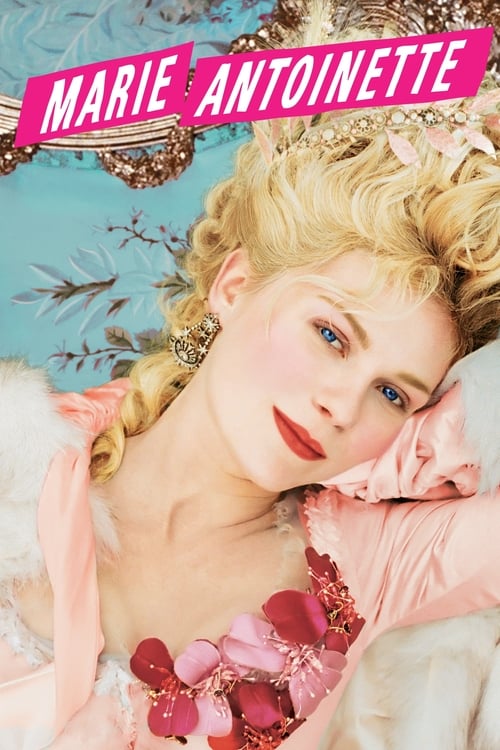
Her subsequent movies as writer-directorâLost in Translation (2003), Marie Antoinette (2006), and now Somewhereâhave all been meditations on the quiet suffering of the superrich, in this case a scruffy, divorced, ennui-ridden movie star (played by the perpetually underrated Stephen Dorff).
I'm guessing it was precisely because the tiny, tender "Lost In Translation" became much bigger than expected that there was so much attention on her follow-up, 2006's " Marie Antoinette ."
The notion that lives glamorous on the surface may be an unsightly mess is one Coppola has pursued through "Lost in Translation" and "Marie Antoinette."
It seems impossible that this heavy-handed, self-serious movie comes from writer-director Sofia Coppola , who cleverly captured the surreality of celebrity life in 2003's "Lost in Translation" and 2006's " Marie Antoinette ."
The film is written and directed by Sofia Coppola, and it’s the third time she has centered a movie on a hotel, after “Life Without Zoe,” the chapter of 1989’s “New York Stories” which she co-wrote with her father, Francis Ford Coppola, and the Oscar-winning 2003 “Lost in Translation” (we might also count her 2006 “Marie Antoinette” if we allow that the palace at Versailles was a kind of luxury hotel, which isn’t a stretch).
After a mixed reception for the eccentric period romp Marie Antoinette, she spends most of this film retreating to the hotel rooms that defined her signature feature Lost In Translation.
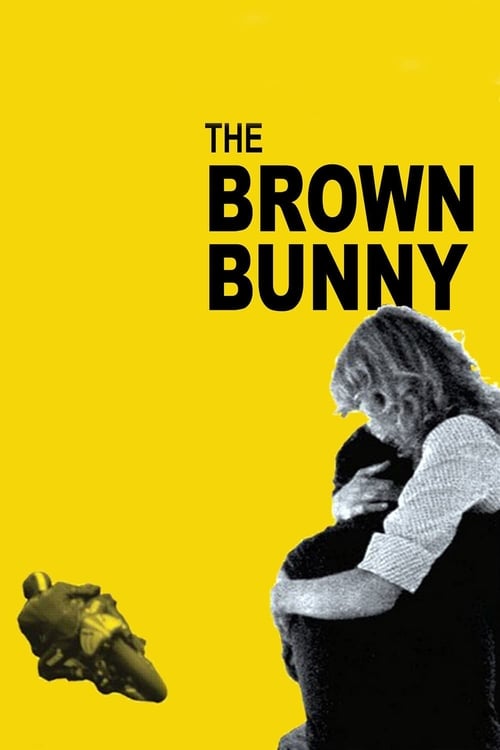
Its opening resembles Vincent Gallo's “ The Brown Bunny ” (2003): a long shot of a vehicle tearing around a track.
It’s a Monte Hellman moment; it’s a Vincent Gallo moment (as in “The Brown Bunny”).