
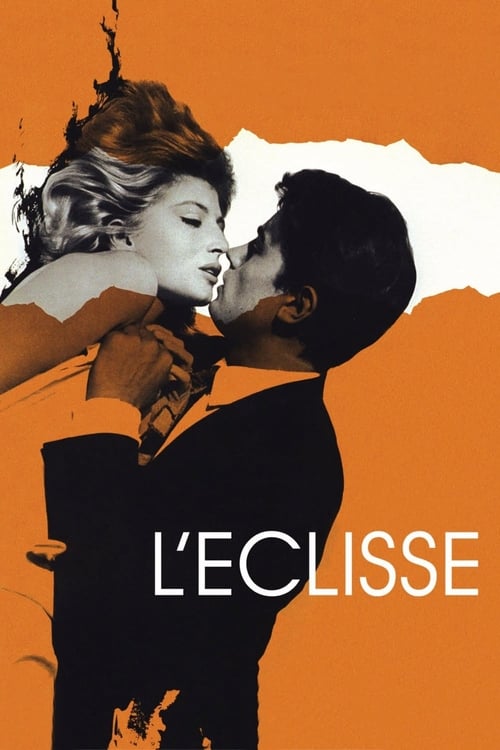
L'Eclisse (1962)
Directed by Michelangelo Antonioni
Vittoria is a beautiful literary translator living in Rome. After splitting from her writer boyfriend, Riccardo, Vittoria meets Piero, a lively stockbroker, on the hectic floor of the Roman stock exchange. Though Vittoria and Piero begin a relationship, it is not one without difficulties, and their commitment to one another is tested during an eclipse.
4 connections found
View:
4 connections, in both directions
What critics compared L'Eclisse to
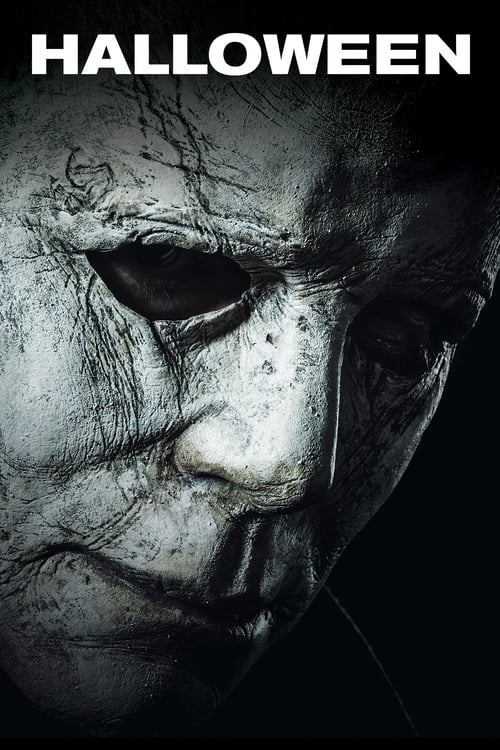


It was the best ending of its kind since Antonioni’s “ L’Eclisse ” (1962), which showed us the details of the trysting place where two lovers, now absent, used to meet in Rome: a fence, an unfinished building, a street lamp guttering to life.
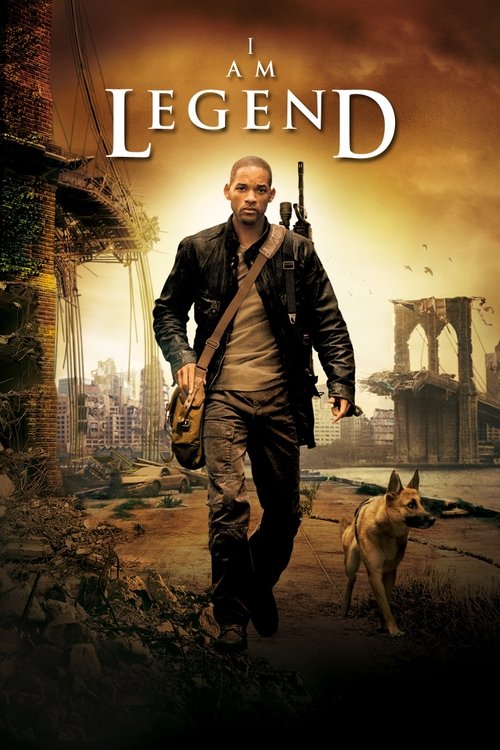
Then, my favorite part, the inevitable montage of deserted cityscapes that look like the end of Michelangelo Antonioni’s L’eclisse except with abandoned cars and weed-cracked pavement and herds of deer sprinting through Times Square.

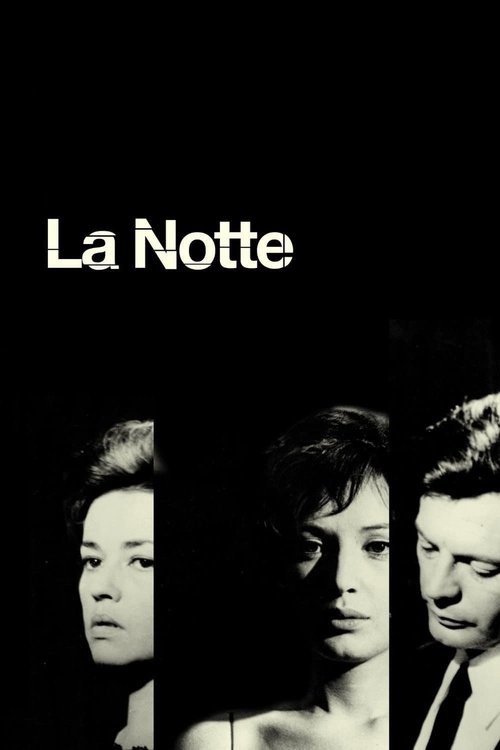
Of course, his classic trilogy of isolationism - "L'Avventura" (1959, which put Antonioni on the international map), "La Notte" (1961) and "L'Eclisse" (1961) - as well as his trio of English-language films - his biggest international hit in "Blow-Up" (1966), the much-maligned "Zabriskie Point" (1969) and the Jack Nicholson-starrer "The Passenger" (1975) - will be screened.
Like L'Avventura and La Notte , it once again stars Antonioni's lover at the time Monica Vitti, whose attention-grabbing, pale, quite un-Italian beauty and delicately expressed turmoil renders her a captivating anomaly.
The conclusion of Michelangelo Antonioni's loose trilogy (preceded by L'Avventura and La Notte), this 1961 film is conceivably the best in Antonioni's career, but significantly it has the least consequential plot.
For those who are familiar with Antonioni's body of work, L'Eclisse (1962) can be seen as an indirect sequel to his masterpiece, La Notte (1960), which portrayed the long dark night where a husband and wife (Marcello Mastroianni and Jeanne Moreau) drown in their lack of respect and adoration for each other at a bourgeois party.
As in L'Avventura and La Notte, Monica Vitti is at the centre of events, here ending a passionless affair with the bookish Francisco Rabal to indulge in a fling with her mother's stockbroker, Alain Delon.
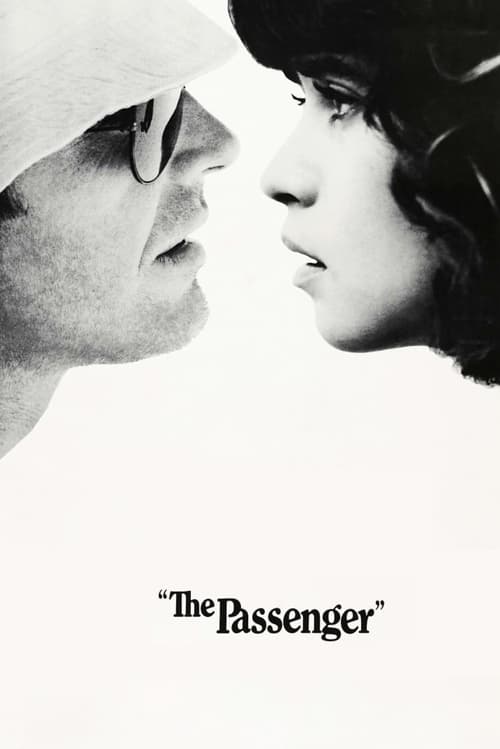
Antonioni, who established his own identity with landmark films such as "L'Avventura," "L'Eclisse" and "Blow-Up" in the 1960s, returned to form in "The Passenger."