
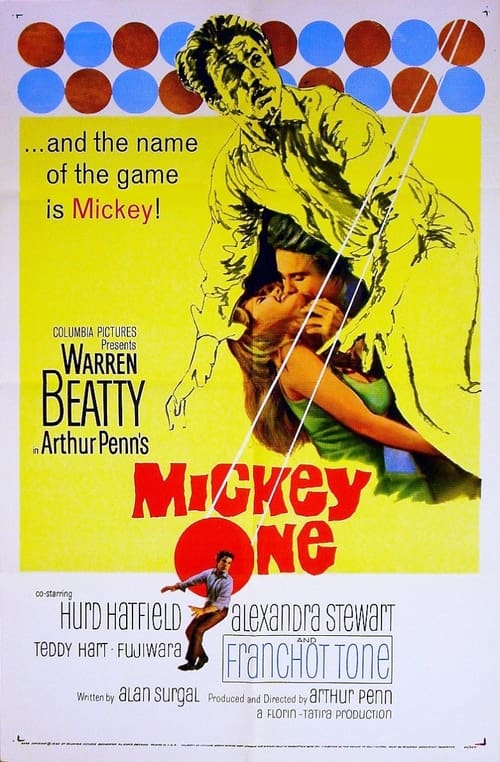
Mickey One (1965)
Directed by Arthur Penn
A former comic is on the run from the mob.
1 connection found
View:
1 connections, in both directions
What critics compared Mickey One to
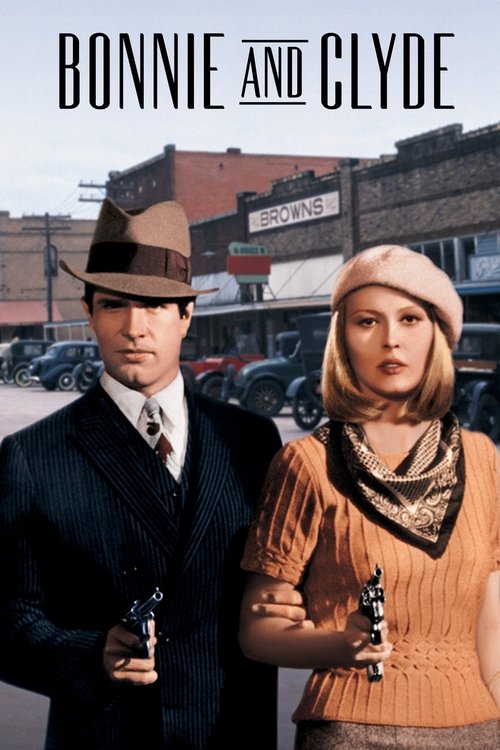


It almost single-handedly dragged Hollywood into the aggressive stylistic modernism that Europe had been enjoying for most of the 1960s; there had been scattered earlier efforts to incorporate the attitude of the French New Wave into an American movie (among them, in fact, was 1965's Mickey One , which shared Bonnie and Clyde's director, Arthur Penn, and lead actor, Warren Beatty), but none that had clicked in a big way with audiences and critics.
So it’s fortunate that Warren Beatty (who was producing Newman and Benton’s script) had a good time with Penn on 1965’s Mickey One, and thus brought him on board.
Bonnie and Clyde developed the aesthetic that marked Penn's high-visibility period: slyly accented, harmonica-hootin', harvest-gold-patchwork Americana; ever-poised violence; and an open invitation to apply the story as a flexible allegory for the issues of the day.