
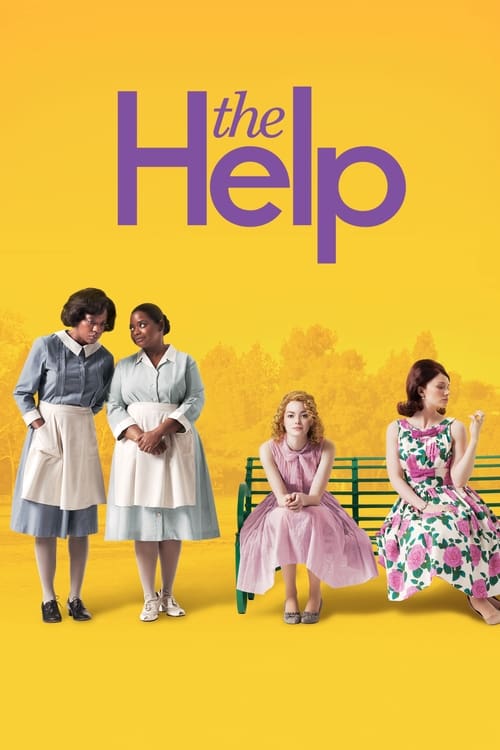
The Help (2011)
Directed by Tate Taylor
Aibileen Clark is a middle-aged African-American maid who has spent her life raising white children and has recently lost her only son; Minny Jackson is an African-American maid who has often offended her employers despite her family's struggles with money and her desperate need for jobs; and Eugenia "Skeeter" Phelan is a young white woman who has recently moved back home after graduating college to find out her childhood maid has mysteriously disappeared. These three stories intertwine to explain how life in Jackson, Mississippi revolves around "the help"; yet they are always kept at a certain distance because of racial lines.
31 connections found
View:
31 films that influenced The Help
What critics say influenced The Help
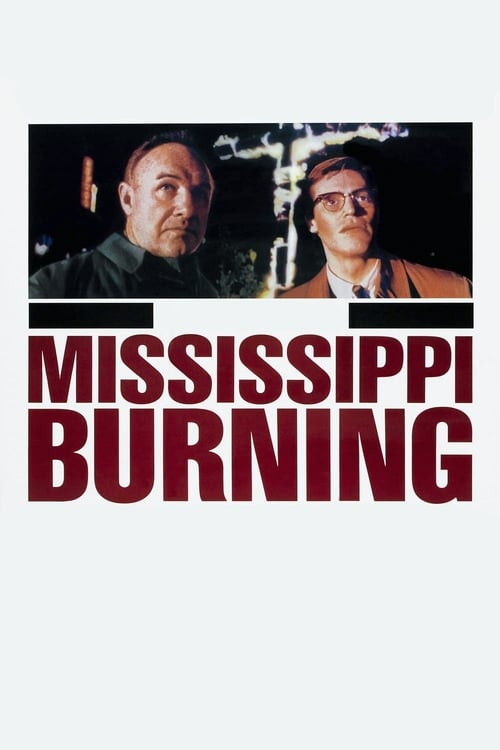


Those who loved the novel will probably enjoy the film but anyone expecting a stirring, powerful drama in the vein of Alan Parker’s Mississippi Burning will be disappointed.
It's certainly not Mississippi Burning (1988); it's Mississippi on Low Heat.
But this film is a far cry from, say, “ Mississippi Burning ,” which made white FBI agents into civil rights heroes.
But not Davis, whose monologues – for example, recounting the death of Aibileen’s son – give the script a depth it otherwise lacks, Yet her contributions also seem oddly out of place, as if she just stepped in from the set of Mississippi Burning.
Unlike most "civil rights" films, from "Guess Who's Coming to Dinner" to "Mississippi Burning," "The Help" doesn't function primarily as a security blanket for white viewers who want to feel good about themselves for not sharing the overtly racist attitudes of the white characters onscreen.
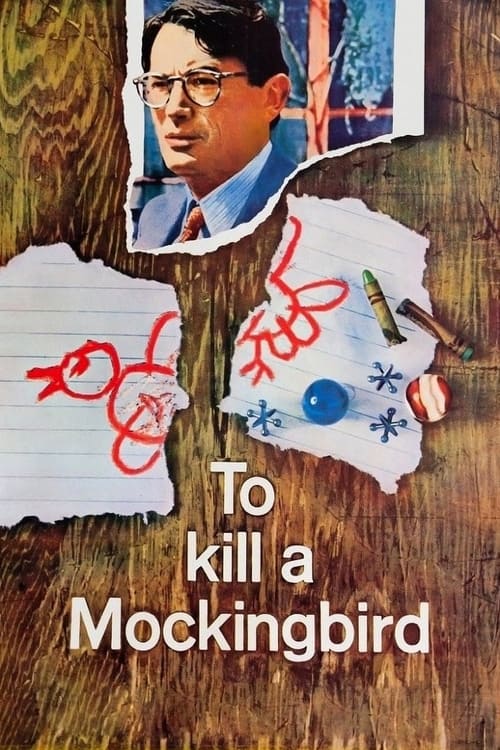
She makes you imagine that this might be how Scout from Harper Lee’s To Kill a Mockingbird might have turned out had she become a journalist: Too inquisitive, sensitive and empathetic not to brush aside the common wisdom of the day to see eternal truths about human beings.
Skeeter's book, when it arrives, is credited to "Anonymous," which makes it a group effort as well as a Skeeter ego-boost, and emphasizes the notion that Skeeter is a collaborator and partner rather than a superior (such as Sandra Bullock in "The Blind Side" or even taciturn Gregory Peck in "To Kill a Mockingbird").
This is the kind of heartfelt liberal picture that Robert Mulligan (“To Kill a Mockingbird”) or Martin Ritt (“Sounder”) would have made forty or fifty years ago, but with a different subject—what black women working for wealthy white families in Mississippi in the early nineteen-sixties (and, by extension, at any time and place) felt about their lives and about their female employers.
This flawed adaptation of Kathryn Stockett’s best-selling novel about black maids and their white employers in early-1960s Jackson, Miss., aims for “To Kill a Mockingbird” significance, but lands in “Steel Magnolias” territory.
Skeeter’s exposé is meant to empower both the subjects and the author, but “The Help’’ joins everything from “To Kill a Mockingbird’’ to “The Blind Side’’ as another Hollywood movie that sees racial progress as the province of white do-gooderism.
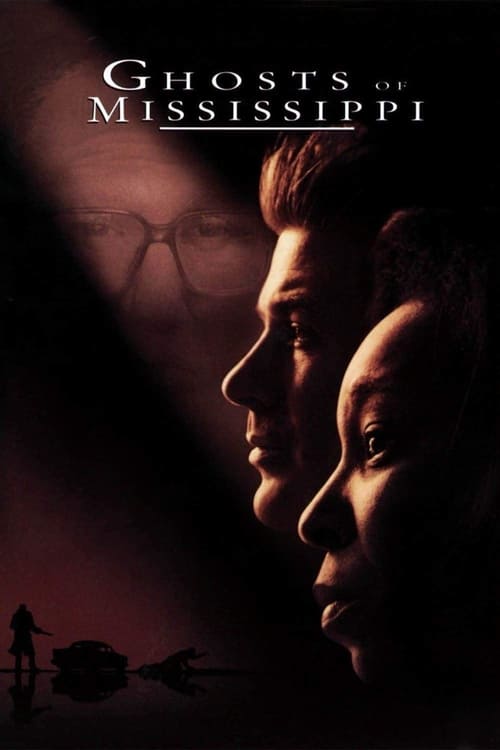
Or Ghosts of Mississippi, which makes Medgar Evers’ widow, Myrlie, a supporting player in her own story?
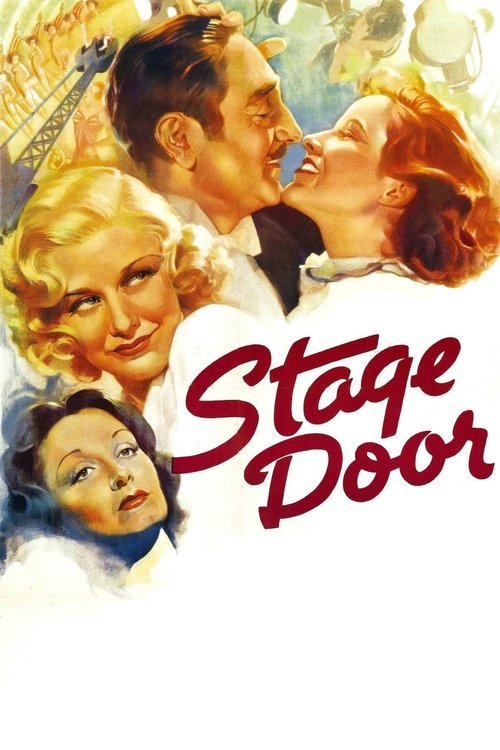
The ensemble is so delightful, it recalls the 1930s heyday of Hollywood women's pictures, when the contributions of actresses were genuinely prized and such movies as "The Women" and "Stage Door" crowded their casts with Ginger Rogers, Eve Arden, Katharine Hepburn and other remarkable female performers.
Advertisement
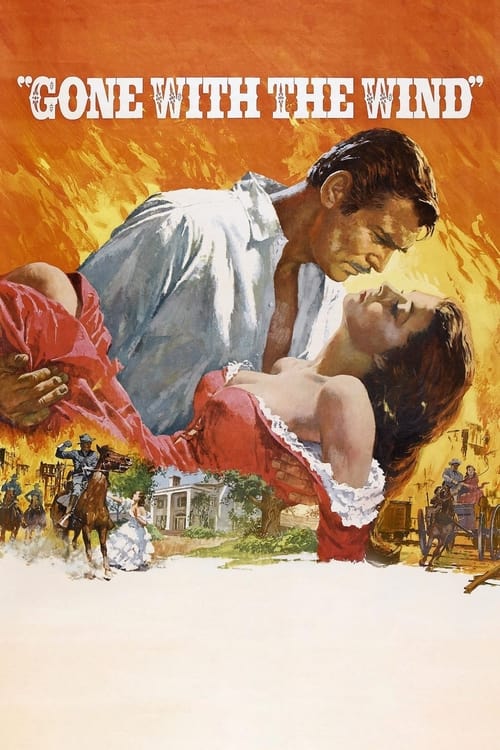
Despite being a southern belle, the inspiration for her character seems to be Butterfly McQueen’s turn as Prissy, the maid in Gone With the Wind who goes to pieces just before uttering the words “I don’t know nothin’ ’bout birthin’ babies!”
Seventy-one years ago, Hattie McDaniel became the first African-American to win an Academy Award when she took home the Best Supporting Actress Oscar for her role as the house servant, Mammy, in "Gone With the Wind."
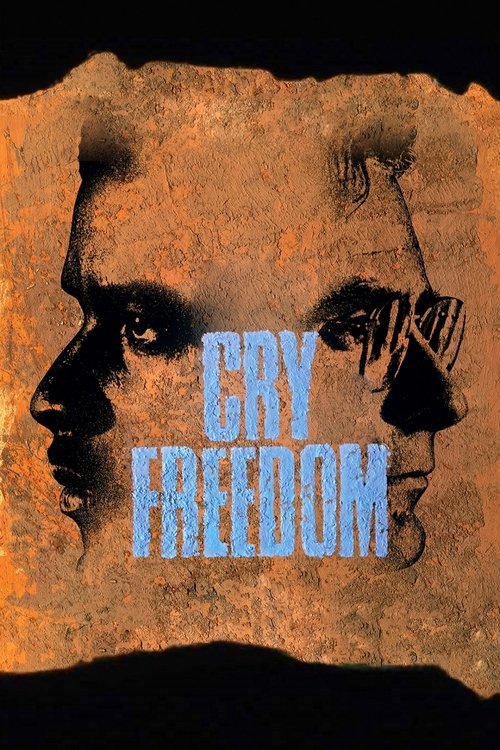
Frequently, race-issue films act as if black victims of racism don’t matter at all; Richard Attenborough’s Cry Freedom (1987), about South African leader Stephen Biko, is focused almost entirely on Kevin Kline’s fleeing journalist.
Based on the bestest-seller by Kathryn Stockett, The Help joins Glory , Cry Freedom , Driving Miss Daisy , and many other noble adaptations in filtering the black experience through the white experience, but credit Stockett (and the film) for conceiving a sneaky end-around.
It's also familiar because Hollywood stories of racism usually skew to the white character leading the charge against injustice (Mississippi Burning, Glory, Cry Freedom).

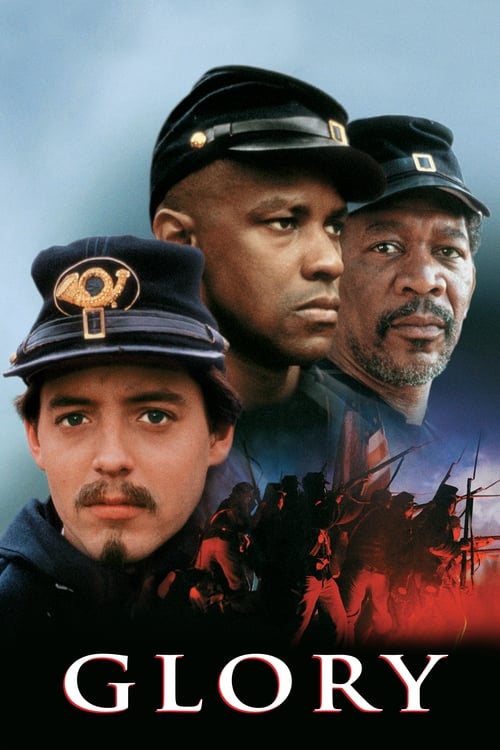
Like "Glory," the film about the African-American fighting men of the Civil War that was really about Matthew Broderick's character becoming a more liberal humanitarian, "The Help" positions Stone's character — the budding journalist who undertakes a clandestine book project gathering stories from the African-American housekeepers and child-raisers of Jackson — front and center.
Based on the bestest-seller by Kathryn Stockett, The Help joins Glory , Cry Freedom , Driving Miss Daisy , and many other noble adaptations in filtering the black experience through the white experience, but credit Stockett (and the film) for conceiving a sneaky end-around.
It's also familiar because Hollywood stories of racism usually skew to the white character leading the charge against injustice (Mississippi Burning, Glory, Cry Freedom).

Director Edward Zwick scored a hat trick over the years, with Glory, The Last Samurai and Blood Diamond.

There are better films about racism in the south (In the Heat of the Night, Mississippi Burning), yet none have taken on the woman’s perspective.
Yes, it contains the kind of cathartic, crowd-pleasing moments we remember from “In the Heat of the Night,” “Driving Miss Daisy” and other Oscar-winners about a time when African Americans sat at the back of the bus and suffered the daily humiliation of drinking fountains and toilets “For Whites Only.”
Advertisement
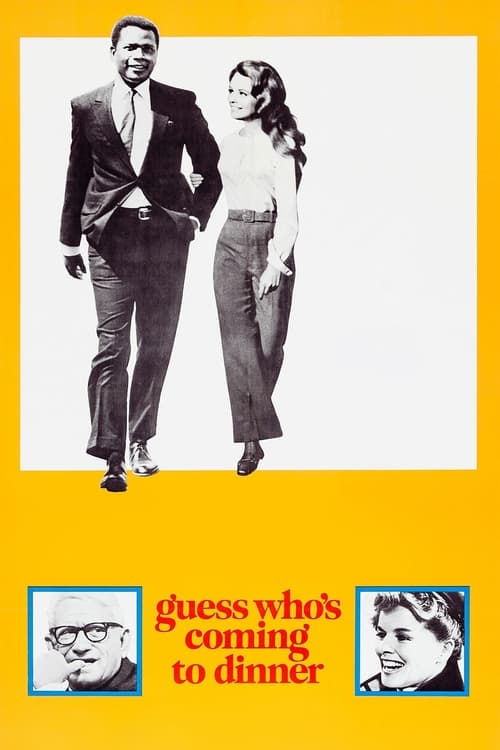
We’re not talking about pioneering race-relation dramas like the Sidney Poitier trilogy–The Defiant Ones (1958), In the Heat of the Night (1967) and Guess Who’s Coming to Dinner (1967)–which, for good or ill, wrangle directly with their white protagonists’ racial rancor.
Unlike most "civil rights" films, from "Guess Who's Coming to Dinner" to "Mississippi Burning," "The Help" doesn't function primarily as a security blanket for white viewers who want to feel good about themselves for not sharing the overtly racist attitudes of the white characters onscreen.
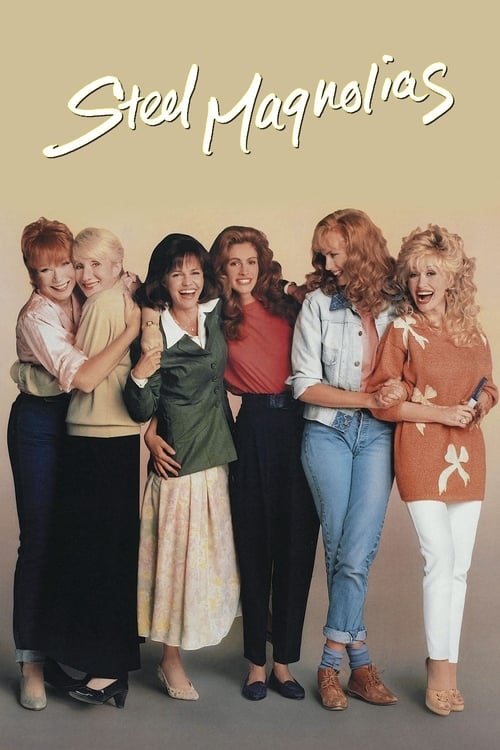
Now, Spacek has been given a role that feels like a holdover from Steel Magnolias (1989) as a tragi-comic figure that the film is interested in more for the comic than the tragic.
This is the role that will graduate her from teen-heavy fare like "Zombieland" and "Easy A" to more adult roles the same way "Steel Magnolias" gave Julia Roberts her pick of grown-up parts years ago.