
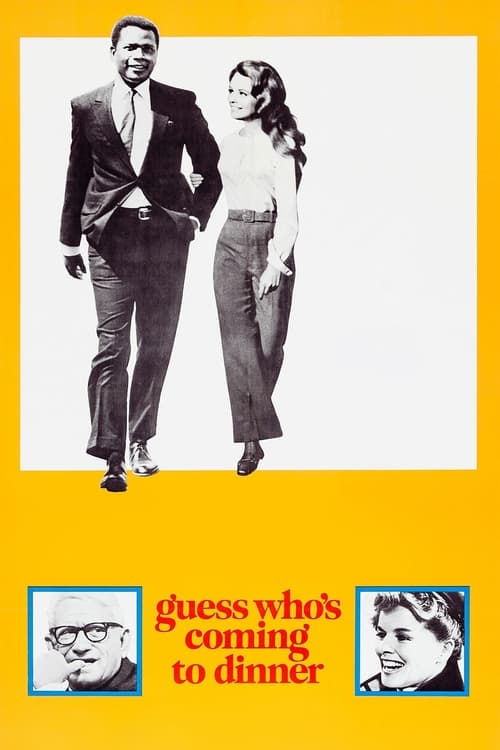
Guess Who's Coming to Dinner (1967)
Directed by Stanley Kramer
A couple's attitudes are challenged when their daughter brings home a fiancé who is black.
15 connections found
View:
15 connections, in both directions
What critics compared Guess Who's Coming to Dinner to
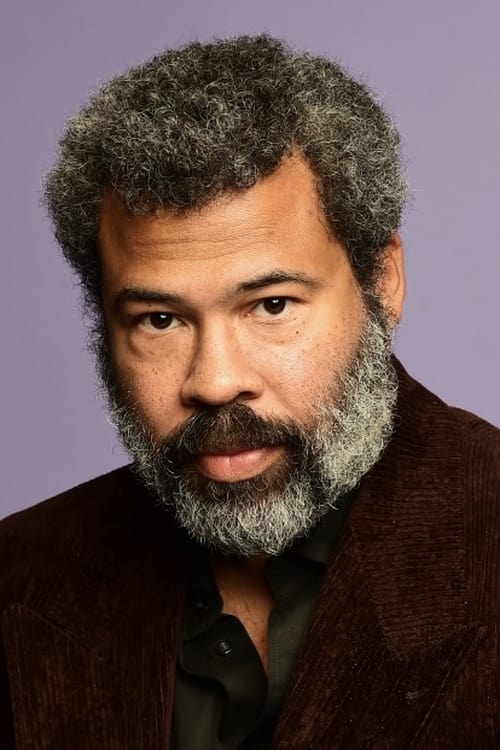
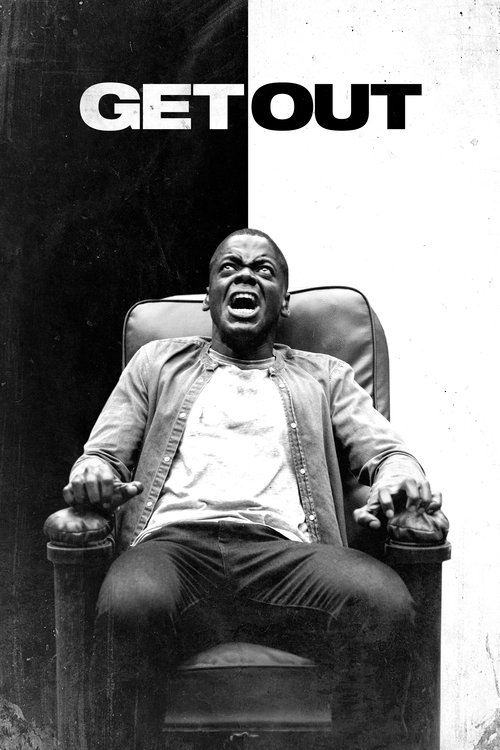


Get Out takes the initial premise of Guess Who’s Coming to Dinner and then twists it with The Stepford Wives to create a compelling, thoughtful critique of white power.
That is part of Get Out ’s problem and the joy of the film: the work is its own “thinkpiece,” while borrowing genre notes from Guess Who’s Coming to Dinner , The Stepford Wives, and Being John Malkovich .
“Guess Who’s Coming to Dinner” meets “The Stepford Wives” in “ Get Out ,” in which a white girl brings her black boyfriend home to meet her parents, whose superficially warm welcome masks an unthinkably dark secret.
Suffice it to say that Peele has created his own horror-fied version of Guess Who’s Coming to Dinner that fearlessly goes for broke in a third act that ratchets up the insanity of Chris’ predicament.
A popular reference I’ve seen pointed out is Guess Who’s Coming to Dinner (1967), though I would update its mention by acknowledging The Dinner Game (1998) in the same breath.
It certainly takes cues from cinematic history, and could be elevator pitched as "The Stepford Wives meets Guess Who's Coming To Dinner," but with a playful sense of tone, amazing performances, and a sharp bite, it resonates with you long after you've left the theater.
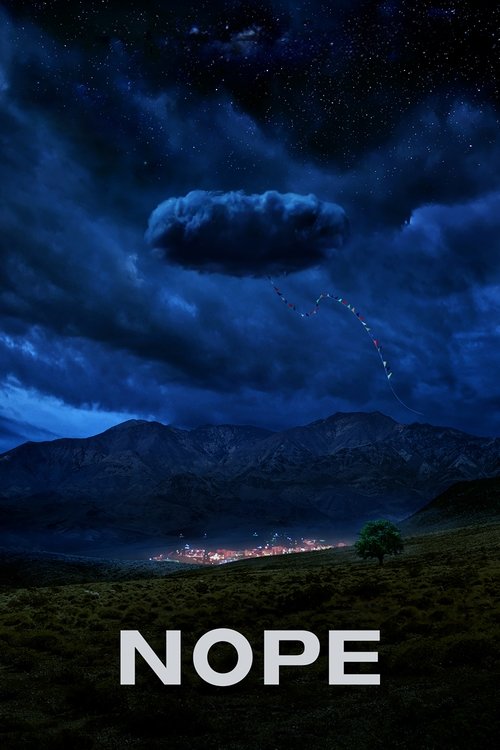
Peele is no stranger to turning American pathologies into demonic monsters: Get Out found uncanny frights in white liberal racism via Guess Who’s Coming To Dinner and The Stepford Wives ; while Us reimagined C.H.U.D. as a reflection on class warfare and displacement.
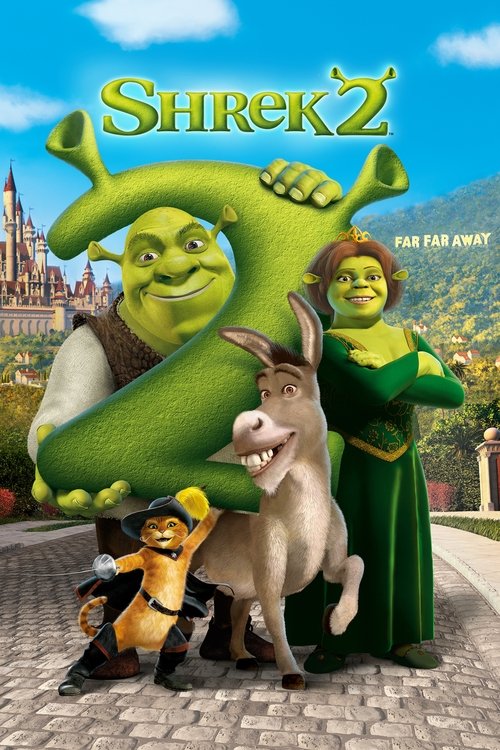
Co-writer/co-director Adamson has said it was inspired by "Guess Who's Coming to Dinner," and there is something of the plodding nature of that film in this one's initial exposition.
Concocting a magical potion -- part "Guess Who's Coming to Dinner" and part popular culture with sprinkles of pixel dust -- Pacific Data Images/DreamWorks has created one of the year's most entertaining movies.
Over their first evening meal en famille— either Guess Who’s Coming to Dinneror Meet the Parents, depending on when you grew up — King Harold (voiced by a querulous John Cleese ) and Queen Lillian ( Julie Andrews , reprising her regal dignity in The Princess Diaries) try to overcome their shock at their daughter’s altered appearance and her new husband’s table manners.
No less than the butt-ugly, digitally animated version of Guess Who’s Coming to Dinner , Shrek 2 continues its predecessor’s facile race and gender thematics while stubbornly playing to the rabble in the pit.
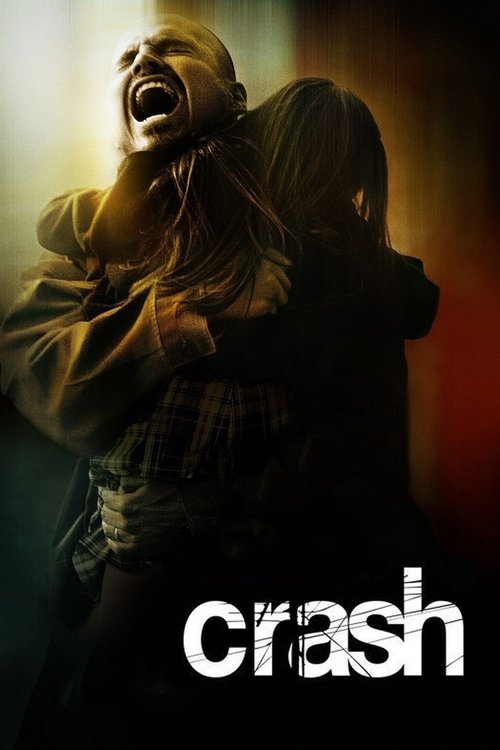
Despite its stylistic debt to Robert Altman's films, the true inspiration for "Crash" are the liberal "problem" dramas of the late 1950s and early 60s like "Guess Who's Coming to Dinner" and "The Defiant Ones."
For all its daring and intermittent power, Crash seems destined to join other films like Gentleman's Agreement, Guess Who's Coming To Dinner, and Grand Canyon among well-intentioned social dramas in which message becomes reality.
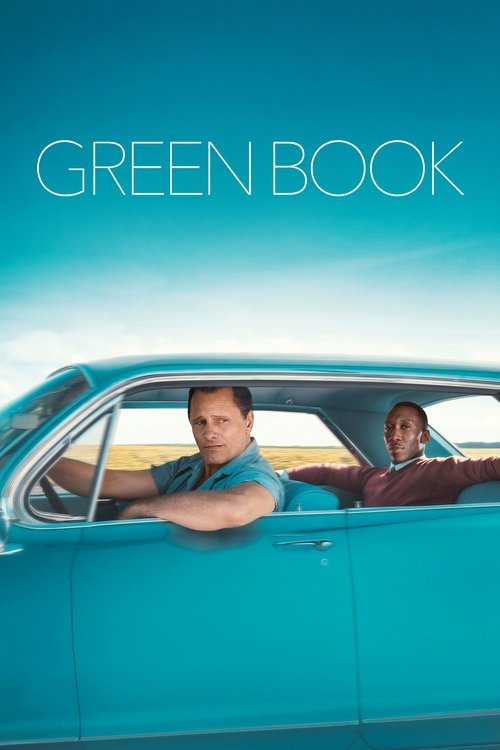
Similar figures can be identified in Guess Who’s Coming to Dinner and The Defiant Ones, where Sidney Poitier’s characters go to unreasonable lengths to console and save bigoted white folk, assuring the addressed (white) viewer that no matter how hateful their actions, no matter how unspeakable the history of their country’s racism, the established order will not come under threat.
The new movie “Green Book” sets up, with a pristine precision, a scenario that was already ridiculous when it was presented in “Guess Who’s Coming to Dinner,” more than half a century ago: the acceptance by white people of a black protagonist whose talents and achievements are exceptional, whose manners are elegant, whose record is spotless, and whose résumé and connections are stamped “high-class.”
Advertisement

That's just one bit of generational humor that's present in "Why Him?" a comedy that follows in the footsteps -- sort of -- of the parents-meet-boyfriend films ranging from 1967's "Guess Who's Coming to Dinner" to the more recent "My Big Fat Greek Wedding" and "Meet the Parents."
Cowritten and directed by John Hamburg, who wrote Meet the Parents, Meet the Fockers, and Little Fockers, Franco's movie gleefully parodies that earlier franchise, along with classics like Vincente Minnelli’s Father of the Bride and Stanley Kramer’s Guess Who's Coming to Dinner.
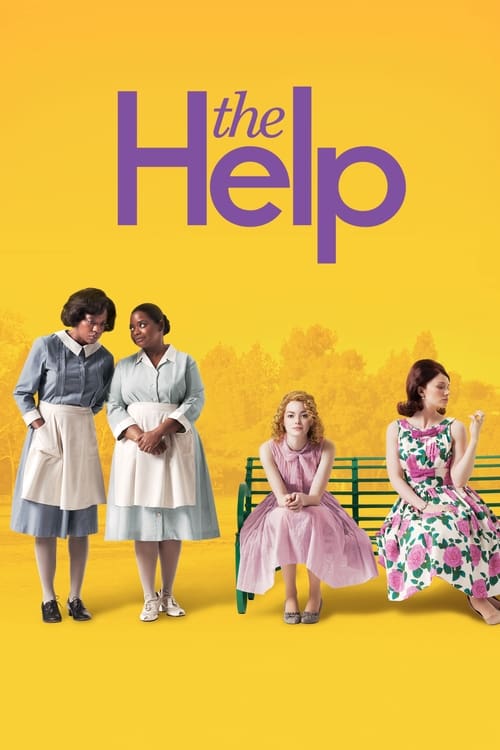
We’re not talking about pioneering race-relation dramas like the Sidney Poitier trilogy–The Defiant Ones (1958), In the Heat of the Night (1967) and Guess Who’s Coming to Dinner (1967)–which, for good or ill, wrangle directly with their white protagonists’ racial rancor.
Unlike most "civil rights" films, from "Guess Who's Coming to Dinner" to "Mississippi Burning," "The Help" doesn't function primarily as a security blanket for white viewers who want to feel good about themselves for not sharing the overtly racist attitudes of the white characters onscreen.

With its clever, gorgeously textured evocations of everything from early American newsreels to misty, sub-tropical vistas, Up is every bit as ambitious and amazing as Pixar’s animation milestones as it spins its fable about retired balloon-seller and curmudgeonly widower, Carl Frederickson (voiced with gravelly gusto by Ed Asner), who looks the spitting image of the latter-day Spencer Tracy (think Guess Who’s Coming to Dinner).
…or Guess Who's Coming to Dinner (dir. Stanley Kramer, 1967) and beyond…
Advertisement
Are liberals like the characters in a better movie like “Get Out” and “Guess Who’s Coming to Dinner,” who profess their love of everybody, black, white or polka dot, but who are as phony as our present U.S. cabinet?
…when Eedy (Kathryn Hunter) pulls a Guess Who’s Coming to Dinner? and the couple immediately goes into sitcom mode…