
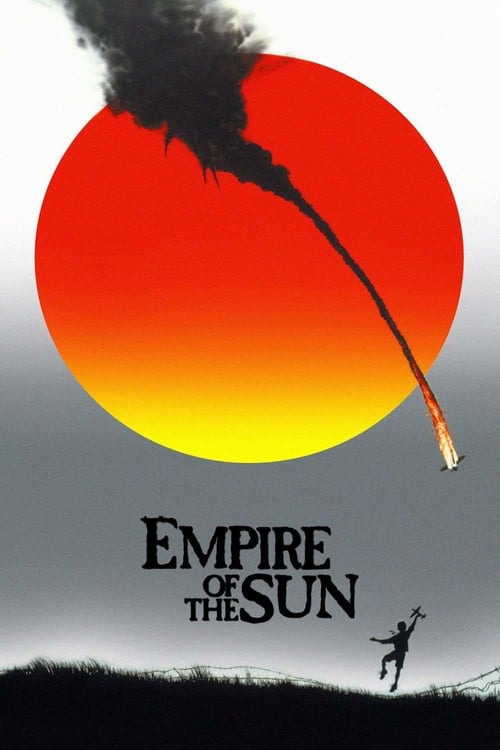
Empire of the Sun (1987)
Directed by Steven Spielberg
Jamie Graham, a privileged English boy, is living in Shanghai when the Japanese invade and force all foreigners into prison camps. Jamie is captured with an American sailor, who looks out for him while they are in the camp together. Even though he is separated from his parents and in a hostile environment, Jamie maintains his dignity and youthful spirit, providing a beacon of hope for the others held captive with him.
12 connections found
View:
12 connections, in both directions
What critics compared Empire of the Sun to
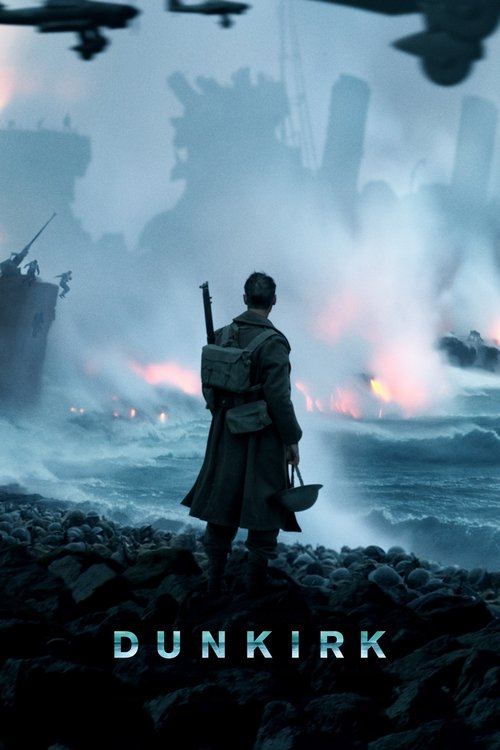


A teenage kid named Tommy (newcomer Fionn Whitehead, whose wide-eyed performance channels Christian Bale in “Empire of the Sun”) barely makes it to the shore with his life intact — rejoining the rest of the troops, he spots a fellow Brit (Aneurin Barnard) and the two boys wordlessly agree that their only hope for survival is to earn passage aboard the hospital ship that’s about to set sail for England, so close but so far away.
…the conclusion, which refuses sentimentality, and recalls the deep ironies and sadness of Spielberg’s Empire of the Sun.
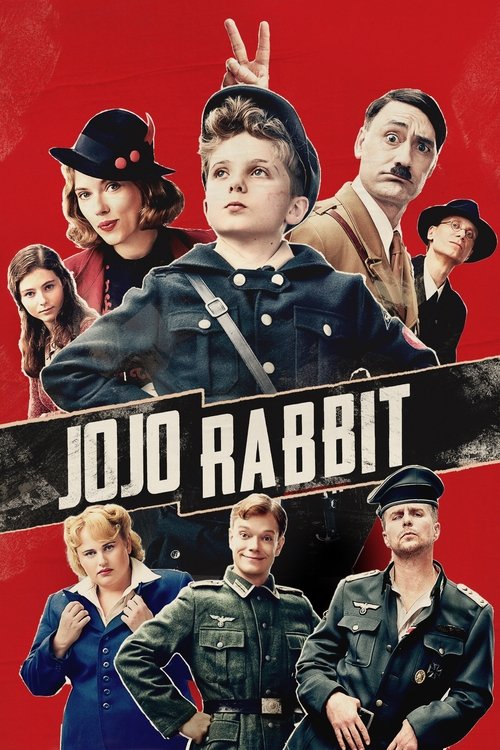
Oh sure, there have been a couple of examples of this particular brand of filmmaking that I have admired—John Boorman’s “Hope and Glory” and Steven Spielberg’s “Empire of the Sun” (especially its astounding first hour or so) immediately spring to mind—but those hardly begin to make up for such utter grotesqueries as “The Tin Drum,” “The Boy in the Striped Pajamas” and, of course, the more-appalling-than-ever “Life is Beautiful,” films that take the most horrific event of the 20th century and attempt to milk it for cheap sentiment and, hopefully, Oscar nominations from people who mistakenly assume that just because a movie involves a serious subject like the Holocaust, it must be serious as well and therefore worthy of consideration.
There’s a long tradition of movies seeing war through the eyes of a child – heck, John Boorman’s “Hope and Glory” and Steven Spielberg’s “Empire of the Sun” even came out the same damn year – while Federico Fellini’s “Amarcord” depicted the rise of fascism in Italy as an extended adolescence, authoritarianism as a fart-filled wank.
Desde la visión heroica del campo de batalla ( Fury, Dunkirk, Hacksaw Reach, Saving Private Ryan, The Thing Red Line o Patton ), las pequeñas y poderosas historias de las víctimas de los conflictos ( Empire of the Sun , Roma ciudad abierta, La infancia de Iván, Schindler´s List, The Pianist, Son of Saul, The Tim Drum o The Boy in the Striped Pyjamas ), hasta un género que pareciera imposible de desarrollar en un contexto tan cruel: la comedia ( Inglourious Basterds, The Great Dictator, La Vida es bella, Operation Petticoat o Biloxi Blues ).
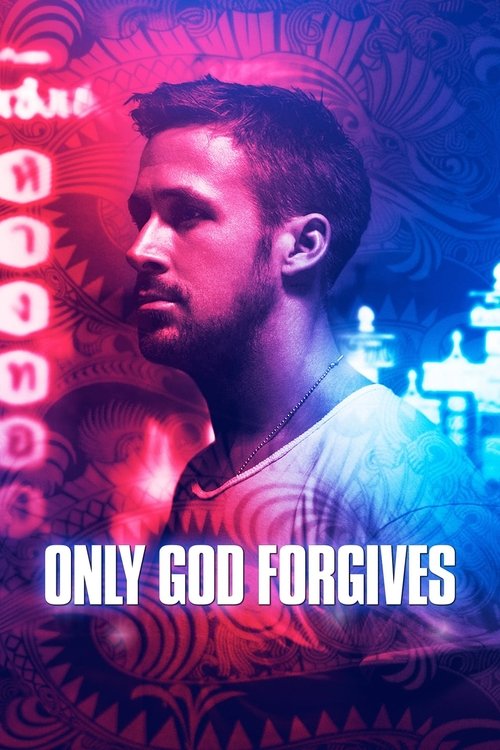
Only God Forgives is in some ways reminiscent of the fashionable obsession with eastern religions, rituals and colourful social practices that some American film-makers exhibited a few years ago in films such as Paul Schrader's Mishima , Steven Spielberg's Empire of the Sun , Martin Scorsese's Kundun and Jim Jarmusch's Ghost Dog: The Way of the Samurai .
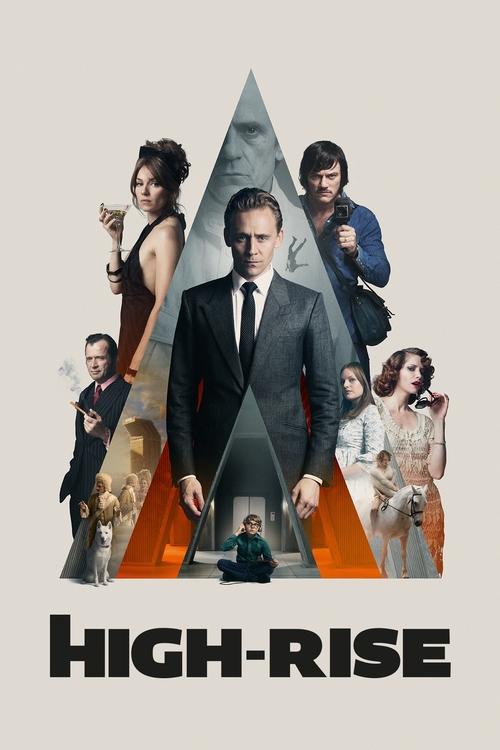
Spielberg’s Empire Of The Sun and Cronenberg’s Crash are the most well-known, but there’s also Jonathan Weiss’s rarely screened 1999 adaptation of The Atrocity Exhibition, and Aparelho Voador a Baixa Altitude – a Portuguese-Swedish co-production based on a short story, Low-Flying Aircraft.
The 1970s motif oddly makes sense because that’s when J.G. Ballard (“Empire of the Sun”) wrote the source novel that’s been adapted by Wheatley’s partner, Amy Jump, into a thoroughly modern screenplay that feels vital and current.
While High-Rise lacks the scale of Spielberg’s “Empire of the Sun,” it parallels a more contained adaptation, the sleek, perverse invention (and intention) of Cronenberg’s “Crash.”
Advertisement

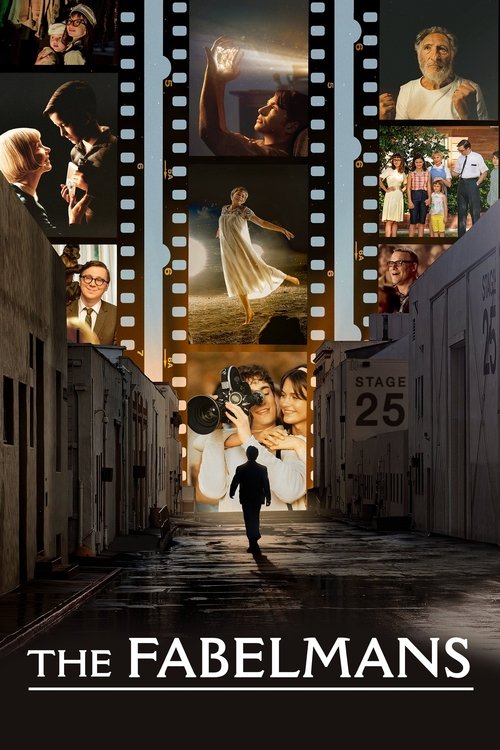
It’s one of the most piercing passages in all of Spielberg—up there with the finale of “Empire of the Sun” (1987), when another boy, marooned by war, is reunited with his parents.
Sure, he made movies that focused on children in extraordinary situations ("Empire of the Sun," "E.T. the Extra-Terrestrial") but they weren't about growing up.

Just some examples have been the boy in "Close Encounters of the Third Kind," the siblings in "Jurassic Park," young Christian Bale in "Empire of the Sun," the animated boy in "The Adventures of Tintin," the kids in "War of the Worlds" and, of course, young Drew Barrymore in "E.T."
He first offered him a role in Empire of the Sun (released in 1987) but Rylance turned it down and accepted a part with the Royal Shakespeare Company in Warwickshire.
But there’s not the kind of grand emotional arc that made Spielberg’s best kids films like E.T. or Empire of the Sun so memorable.

The covert hostility he's shown toward this type of popcorn material ever since the critical failure of "The Color Purple" and "Empire of the Sun" dashed his hopes of graduating to "serious" themes is largely absent from "Jurassic Park," except for some wry, slyly subversive jabs at the lawyers and licensing departments that have become such a negative force in contemporary mass entertainment (thanks to merchandising-obsessed filmmakers like Steven Spielberg, of course).
Spielberg is genuinely ruthless in his thrills, and he saves some of the film’s most traumatizing moments for Tim and Lex, thus making them fraternal brother and sister to Spielberg’s other cinematic children who have faced and survived (maybe) the horrors of the world (both real and fantastical) in Jaws, E.T. (1982), Poltergeist (1982), and Empire of the Sun (1987).
Spielberg's career is littered with extremely well-managed child performances: from Close Encounters of the Third Kind to Empire of the Sun to A.I. Artificial Intelligence .

If Donovan were a painting, he’d be a Norman Rockwell, which is not surprising given that Spielberg is a devout Rockwell collector who has recreated his imagery before on-screen (most importantly in 1987’s Empire of the Sun).
Left to his own devices, he tends to default to a child (or childlike character) trying to get home (“E.T.,” “Empire of the Sun,” “A.I.,” “The Terminal”).
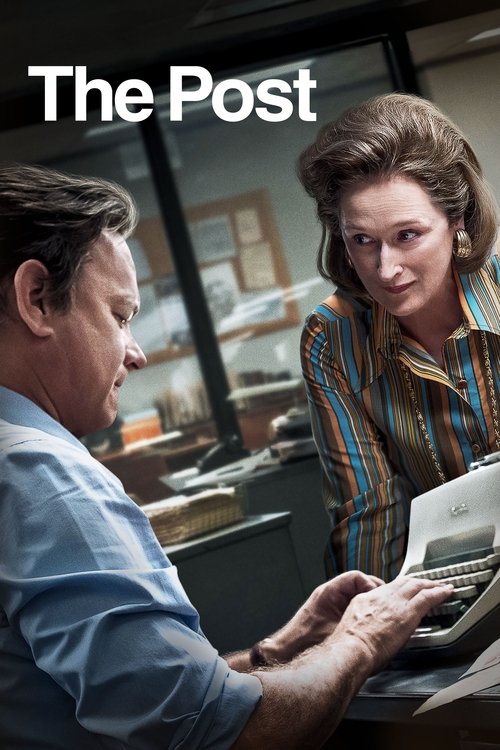
The WWII epic Empire of the Sun takes place after the 1939 release of Gone with the Wind , but the background poster art in the film stems from the 1967 reissue.

Broken families have long been a recurring motif in Spielberg's work: in "E.T.," Henry Thomas' Elliott was depressed about his father running off to Mexico with a girlfriend; Christian Bale's Jim lost his family amid the chaos of war-torn Shanghai in "Empire of the Sun"; Haley Joel Osment's David was an android abandoned by his adoptive mother in "A.I."; cop Tom Cruise used drugs to avoid dealing with the tragedy of his son's murder in "Minority."
Like Bradbury's thief, Spielberg is getting away with murder in most of his films post- Close Encounters of the Third Kind (particularly A.I. , Minority Report , Schindler's List, Empire of the Sun,and Saving Private Ryan) until self-doubt and paranoia consume him, seducing him to a fatal eleventh-hour appeal.
Spielberg's told enough stories of hopelessly broken homes (Close Encounters, The Color Purple), guys proving their worth (Duel, Schindler's List), and innocents making their way in a corrupt adult world (E.T., Empire of the Sun).
His favourite period is WWII (when most of the Raiders films, Empire of the Sun, Schindler's List and Saving Private Ryan are set), followed by the near future (two Jurassic Parks, Artificial Intelligence: A.I. and Minority Report).
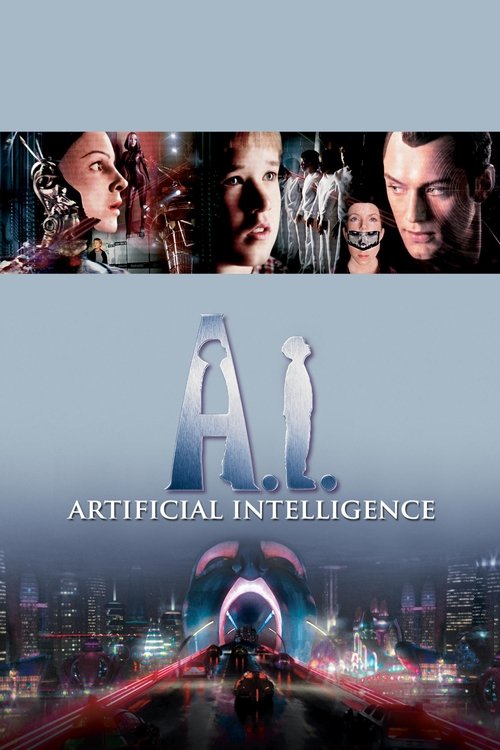
That's the metaphorical closet that Steven Spielberg has been trying to emerge from for the last 16 years, first with "The Color Purple" and "Empire of the Sun," and then with "Schindler's List," "Amistad" and "Saving Private Ryan."
But A.I. makes me think back to what I believe is his most sorely underrated film: Empire of the Sun.
If we grant what he's been trying to assert for the last two decades since Raiders—that behind all the commercial sensibility, he's a Noble and Important artist—I'm most willing to supply such benefit of the doubt based on Empire of the Sun, his dark, kid's-eye-view of World War II brutalities in China, and now A.I. Artificial Intelligence, a movie that even Spielberg's fans seem only half willing to acknowledge as his own.
It's not exactly the case that Empire of the Sun is Steven Spielberg's most "divisive" movie, in any useful sense of that word (that's almost certainly A.I. Artificial Intelligence ).
Both distant and sentimental, it's too cozy for Kubrick and too chilly for Spielberg, who hasn't fashioned a movie this frustrating since 1987's Empire of the Sun.
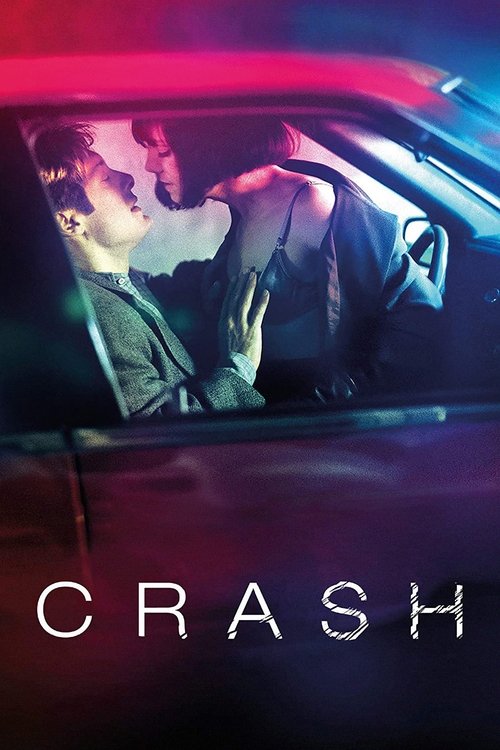
Based on a 1973 cult novel by science-fiction writer J.G. Ballard (whose equally cold but quite different "Empire of the Sun" attracted Steven Spielberg's attention), "Crash" is set in an undefined time frame, half present, half future.
Based on a book by J.G. Ballard (who also wrote Empire of the Sun), Crash tells the story of an adulterous filmmaker named - ha, ha - James Ballard (James Spader) who gets in a head-on car accident driving home from work one night.