

Bridge of Spies (2015)
Directed by Steven Spielberg
During the Cold War, the Soviet Union captures U.S. pilot Francis Gary Powers after shooting down his U-2 spy plane. Sentenced to 10 years in prison, Powers' only hope is New York lawyer James Donovan, recruited by a CIA operative to negotiate his release. Donovan boards a plane to Berlin, hoping to win the young man's freedom through a prisoner exchange. If all goes well, the Russians would get Rudolf Abel, the convicted spy who Donovan defended in court.
39 connections found
View:
39 films that influenced Bridge of Spies
What critics say influenced Bridge of Spies
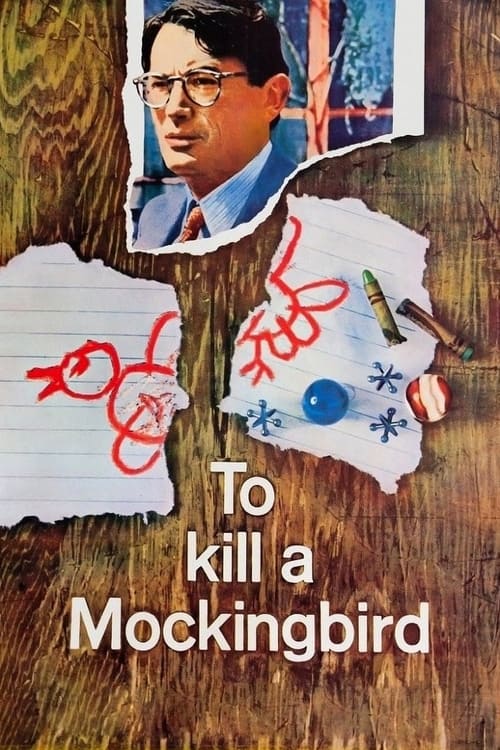


Like many Spielberg movies this harkens to earlier movies, quietly liberal classics like "Judgement at Nuremberg" and "To Kill a Mockingbird" – the idea that everyone deserves justice.
“Bridge of Spies” is rather like a version of “To Kill a Mockingbird” set against the backdrop of McCarthyism, Sputnik and the Bay of Pigs rather than southern racism.
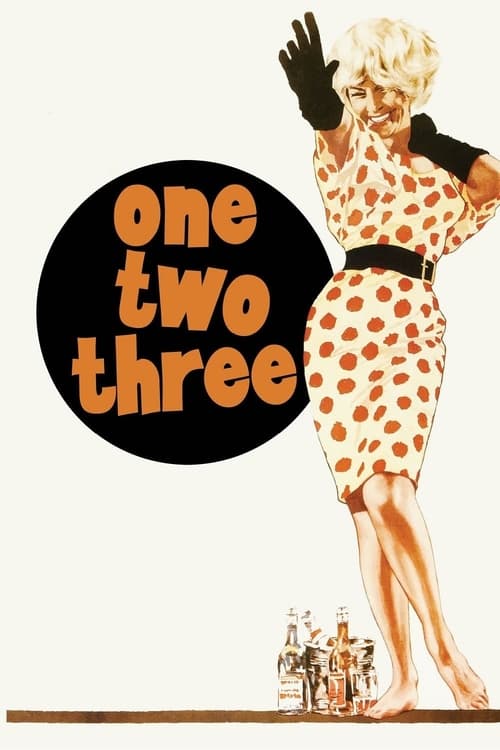
(A revealing reference: Looking for a phone booth in West Berlin, Donovan finds himself in front of a theater that’s playing Billy Wilder’s fast-paced Cold War send-up One, Two, Three.)
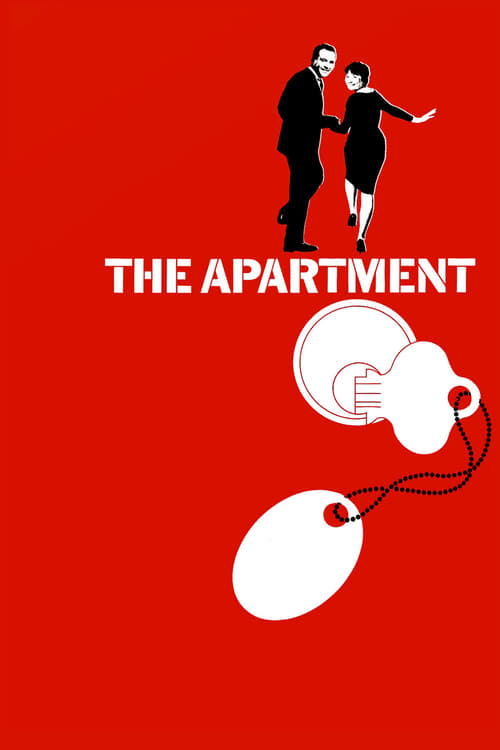
Donovan’s head cold, meanwhile, may have been inherited from Jack Lemmon’s morally compromised corporate climber in Wilder’s The Apartment .

Using a screenplay polished and honed by the Coen Brothers, Spielberg dips into John le Carré territory (you can't help but think of The Spy Who Came in From the Cold when Donovan looks onto the newly erected Berlin Wall, in the searchlights, in the snow).
(The dark, dimly lit interiors and exteriors shot by cinematographer Janusz Kaminski could very well translate as the black-and-white world depicted in The Spy Who Came in From the Cold.)
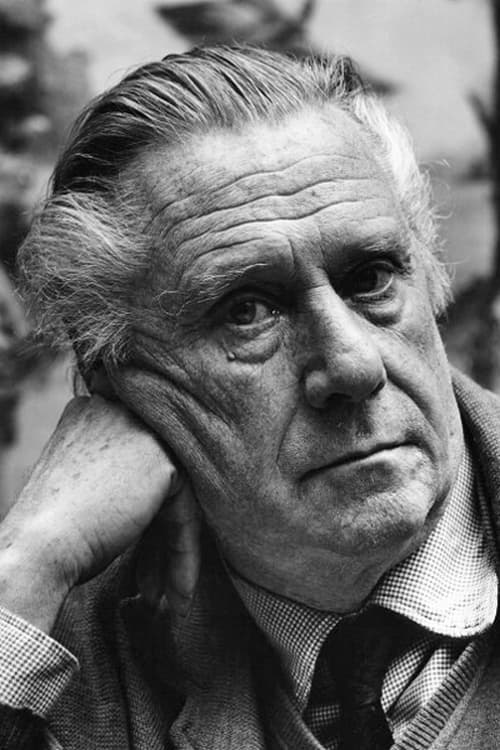

Si bien es cierto que los hechos históricos son convincentes, de manera intencional, Spielberg recurre a algunas cuantas pinceladas del thriller de la vieja escuela –principalmente la influencia de The Third Man (1949) y Night Train to Munich (1940), ambos de Carol Reed– para desplegar un relato eficaz y absorbente.
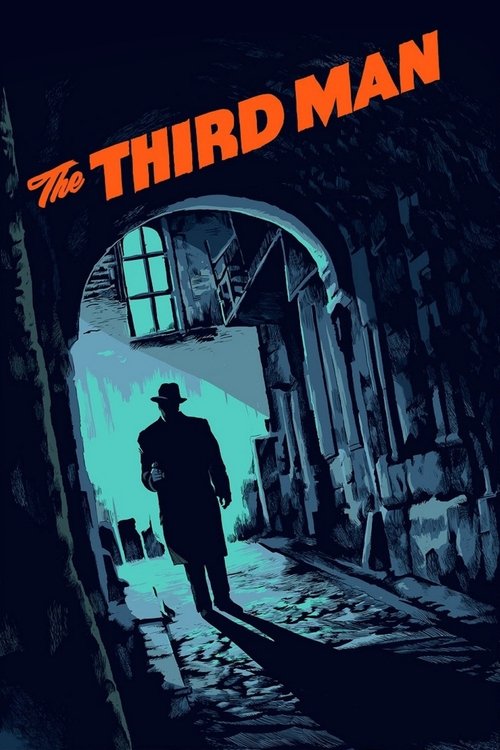
Si bien es cierto que los hechos históricos son convincentes, de manera intencional, Spielberg recurre a algunas cuantas pinceladas del thriller de la vieja escuela –principalmente la influencia de The Third Man (1949) y Night Train to Munich (1940), ambos de Carol Reed– para desplegar un relato eficaz y absorbente.
Advertisement
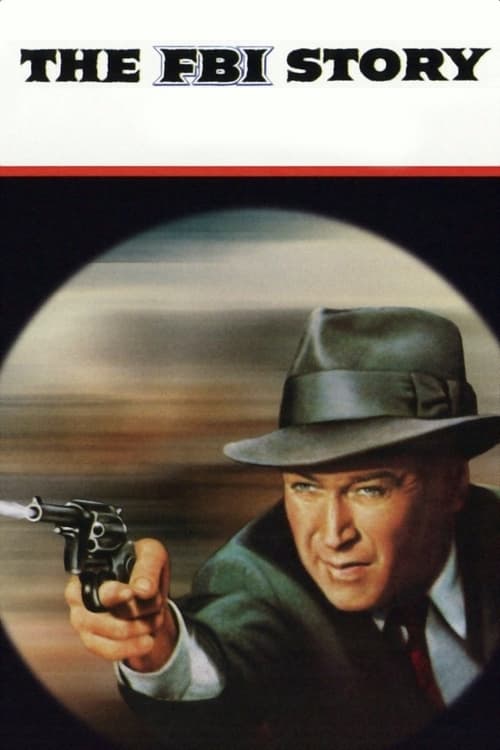
The script, credited to Matt Chapman and Ethan and Joel Coen, is based on the so-called “Hollow Nickel” case that led to the identification of a KGB cell operating in the U.S. in the mid-fifties (it was previously dramatized in highly abbreviated form in the 1959 James Stewart movie “The FBI Story”).
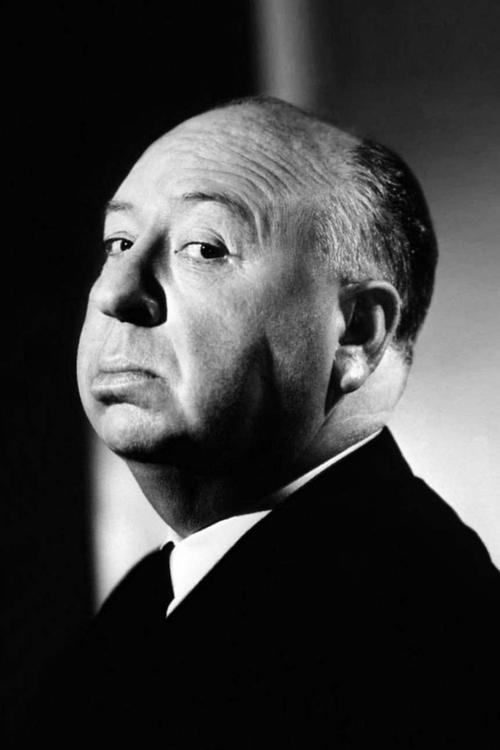
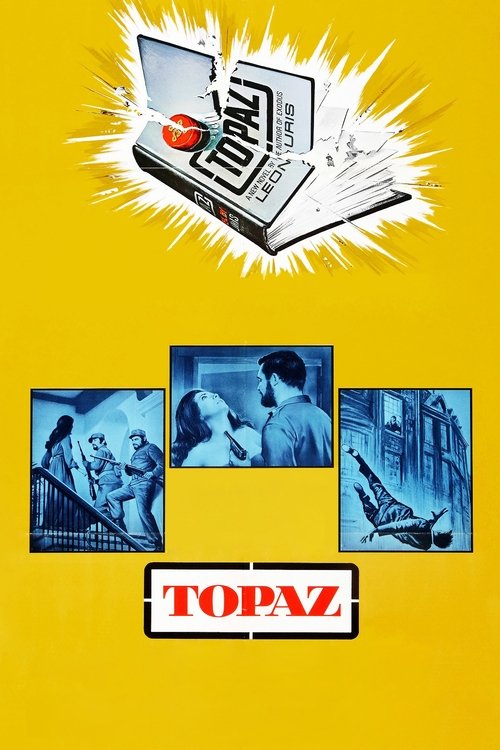
Not one of the Master of Suspense’s classic thrillers, but the top-heavy international late-career Hitch of “Topaz” and “Torn Curtain.”
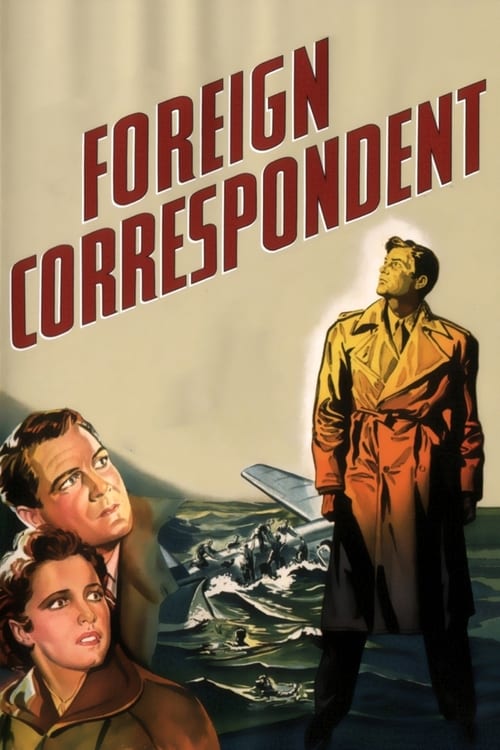
Which gets his family shot at and, in one scene right out of Hitchcock’s “Foreign Correspondent,” dodging a mysterious man wielding an umbrella during a heavy downpour.
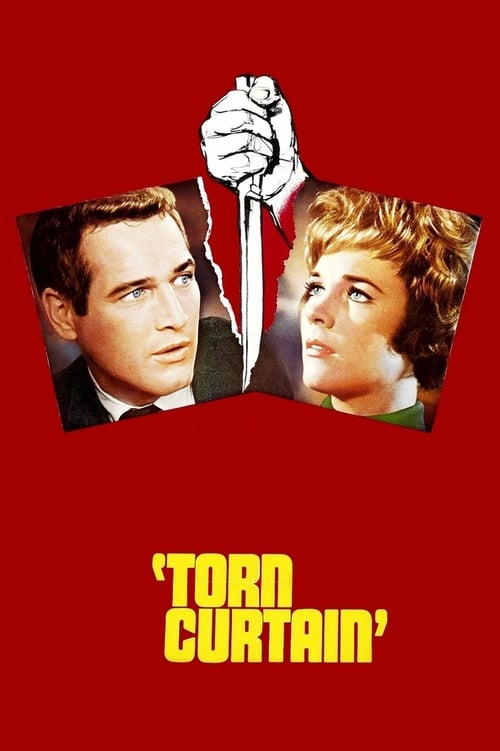
Not one of the Master of Suspense’s classic thrillers, but the top-heavy international late-career Hitch of “Topaz” and “Torn Curtain.”
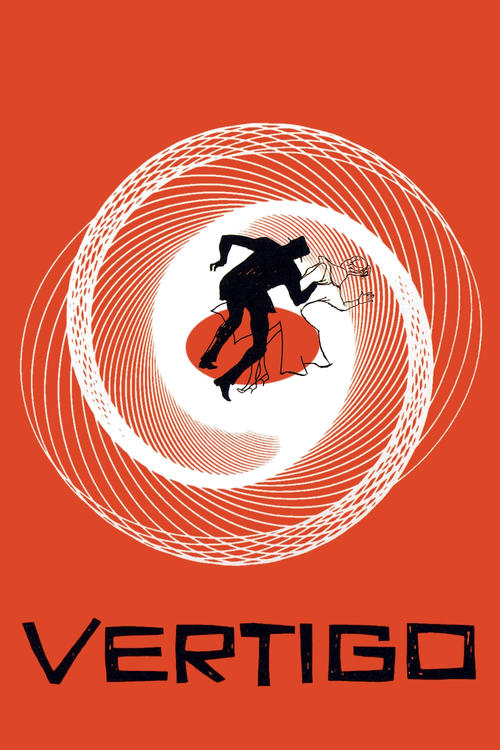
Stewart was bleakly haunted as Scottie in Hitchcock's Vertigo (1958), and Peck was dark as Josef Mengele in The Boys from Brazil (1978) and as Ahab in Huston's Moby Dick (1956).
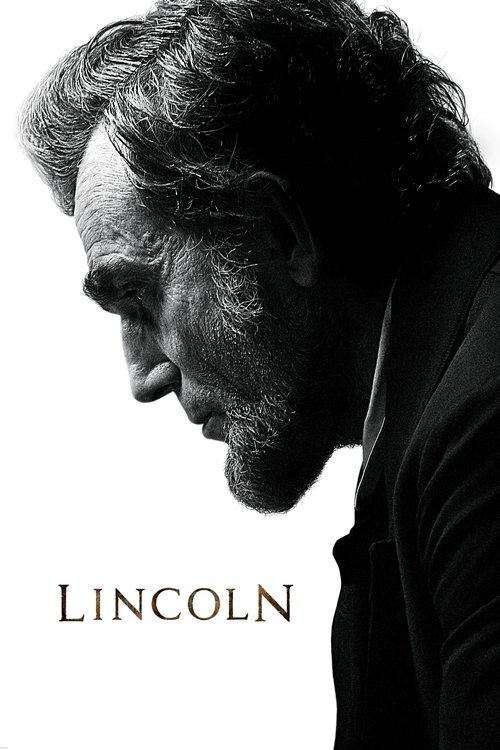
Spielberg's back in even stronger form than he exhibited in "Lincoln," his Cold War thriller with its National Security versus justice and American ideals theme startlingly relevant in a post 9/11 world with the Patriot and Freedom Acts.
But as he did in Lincoln , Spielberg lets any comparison with contemporary politics arise in the viewers’ mind on its own, never signposting the parallels too clearly.
Like Lincoln, Bridge of Spies plays a lively game of hide-and-seek with the American present, sometimes by means of parallels (between the inflamed anti-Communist rhetoric of the late Fifties and the inflamed anti-immigrant/anti-Obama rhetoric of today) and contrasts: neither Donovan nor Abel trumpet, advertise, or “brand” what they do—they simply do it.
However, the inspiration for Bridge of Spies, Spielberg’s latest fable of human conflict carries over from his previous film, Lincoln, more than anything else.
With Bridge of Spies , Spielberg continues the project he started with Lincoln : Using history to illuminate his personal vision of American heroism.
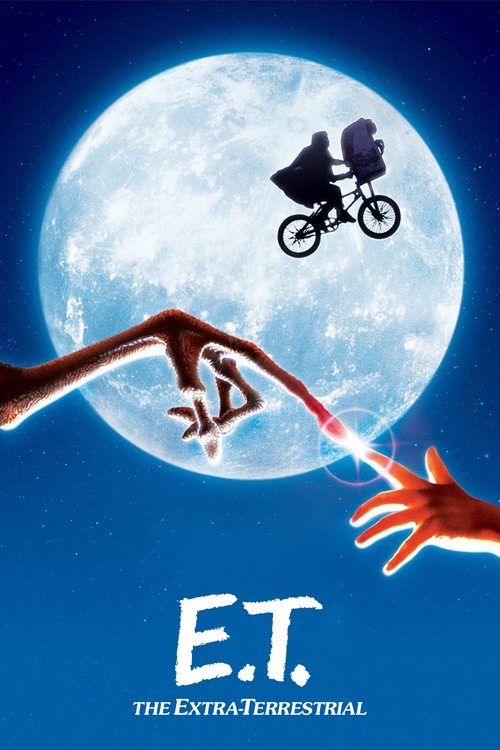
Steven Spielberg’s captivating Cold War drama Bridge of Spies revisits the director’s favoured themes of outsiders and father figures while also recalling one of his classic movies: E.T. the Extra-Terrestrial.
The denouement is second only to ET for outright emotionalism.
Left to his own devices, he tends to default to a child (or childlike character) trying to get home (“E.T.,” “Empire of the Sun,” “A.I.,” “The Terminal”).
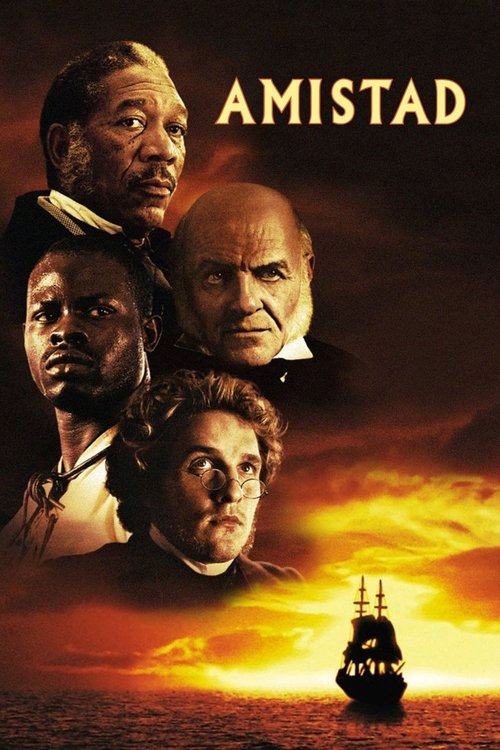
What it is, though, is the most purely expressive workout of a theme Spielberg has tackled before, in Lincoln and the earlier Amistad: the moment when the misty-eyed principles of American democracy get measured against its laws and policies.
When Steven Spielberg rolls up his sleeves and digs into the past to make a serious historical film like Amistad or Lincoln, loaded adjectives like “old-fashioned,” “patriotic,” and “sober” tend to get tossed around.
His “Amistad” told the story of how John Quincy Adams’s successfully defended the slaves who had taken over a ship after killing most of its crew, a film that is marred by its failure to dramatize the abolitionist movement’s efforts on their behalf, a flaw of his “Lincoln” as well.
Unlike "Munich" or "Amistad," the new movie benefits from an ebullient script originally written by playwright Matt Charman and punched up by Joel and Ethan Coen.
If it's true that all films manipulate but we only complain when they do it poorly (and it's more true than not), then let me complain that Spielberg is an absolute visual savant--proof of it in the first ten, wordless minutes of Bridge of Spies (compare it to the wordless section of Amistad)--and an absolute pandering whore in his inability to deliver an ambiguous ending.
Spielberg relishes, too, Donovan’s shrewd lawyering, which links him to the more famous attorneys played by Anthony Hopkins and Daniel Day-Lewis in Amistad and Lincoln respectively.

For the moment the spy plane crashes, the clatter of plunging metal evokes that coach dangling over a cliff in Jurassic Park.
He’s often characterized as a director of the fantastic, and films like “ Jurassic Park ” and “A.I.
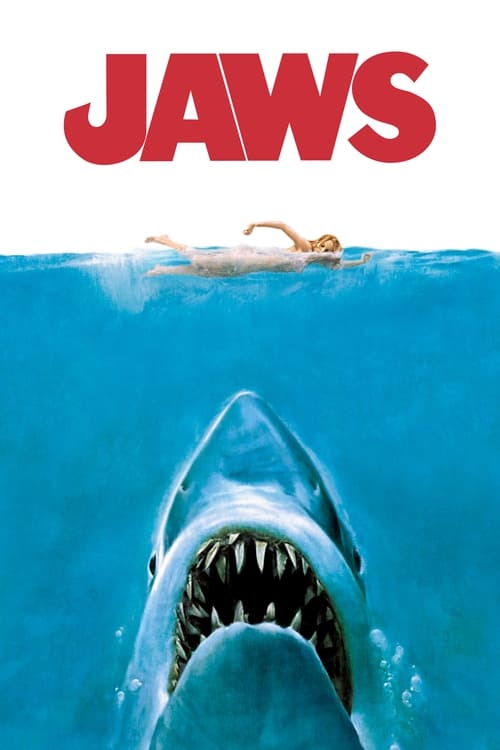
Steven Spielberg has often been likened to Alfred Hitchcock — they’re among the handful of directors who have become household names, with themes and techniques and personality quirks that resonate across their respective filmographies — but “Bridge of Spies” may be the first time since “Jaws” that Spielberg could be accused of doing a Hitchcock.

Of all the movies Spielberg has directed, there’s been a few major bombs (1941, The Terminal, Hook), a couple of films that were OK (Amistad, Always) and a boatload of classics.
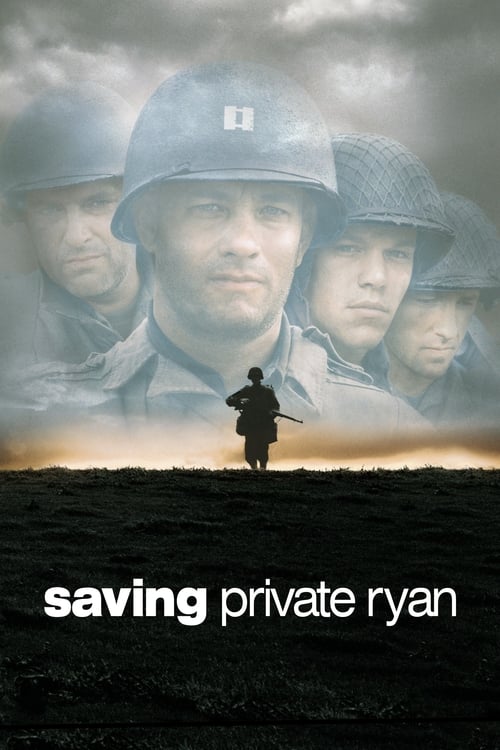
After creating arguably the definitive World War II film with “Saving Private Ryan,” Tom Hanks and Steve Spielberg do it again with the outstanding “Bridge of Spies.”
It features director Steven Spielberg and veteran “Spielbergian” Tom Hanks, after the two previously teamed up for The Terminal, Catch Me If You Can, and Saving Private Ryan.
For their fourth movie and first in over ten years, director Steven Spielberg and actor Tom Hanks tackle a historical drama that probably owes more to Schindler’s List than it does to Saving Private Ryan or even Spielberg’s last political thriller Munich.
With movies like “Apollo 13,” “Saving Private Ryan,” and “Captain Phillips,” Tom Hanks proved himself to be the symbol of historical American heroism.
“Bridge of Spies,” Steven Spielberg’s best film since “Saving Private Ryan,” stars a flawless Tom Hanks in the smart, old-school thriller as James Donovan, a Brooklyn lawyer who risked his life to free an American spy whose plane was shot down over the Soviet Union in 1960.

With the exception of “The Color Purple,” the previous 27 had been scored by John Williams.
In another director’s hands, Bridge of Spies might have a more paranoiac edge, but this is Spielberg, though certainly in minor key, with a jarring Thomas Newman score taking the place of the expected swelling strings of John Williams (it’s the first Spielberg film Williams hasn’t scored since The Color Purple).
And while he's explored social issues before – from the misguided "The Color Purple" to the standout "Schindler's List" – lately he's done it in small, though still important ways, like the way "Lincoln" tried to give President Obama a hard lesson in political deal-making.
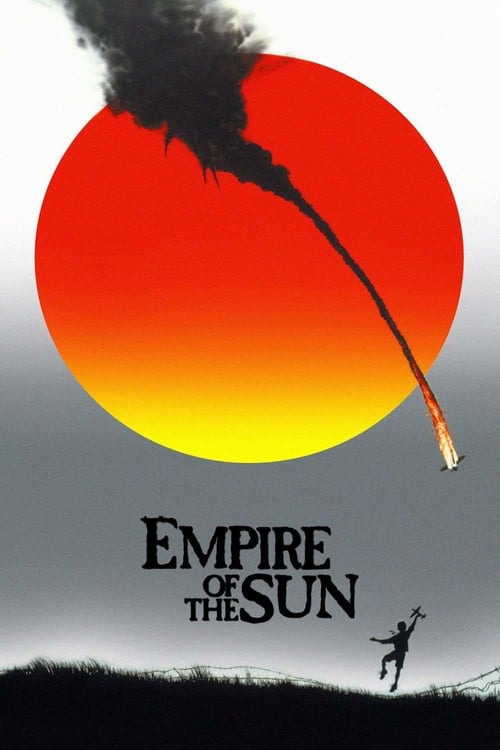
If Donovan were a painting, he’d be a Norman Rockwell, which is not surprising given that Spielberg is a devout Rockwell collector who has recreated his imagery before on-screen (most importantly in 1987’s Empire of the Sun).
Left to his own devices, he tends to default to a child (or childlike character) trying to get home (“E.T.,” “Empire of the Sun,” “A.I.,” “The Terminal”).
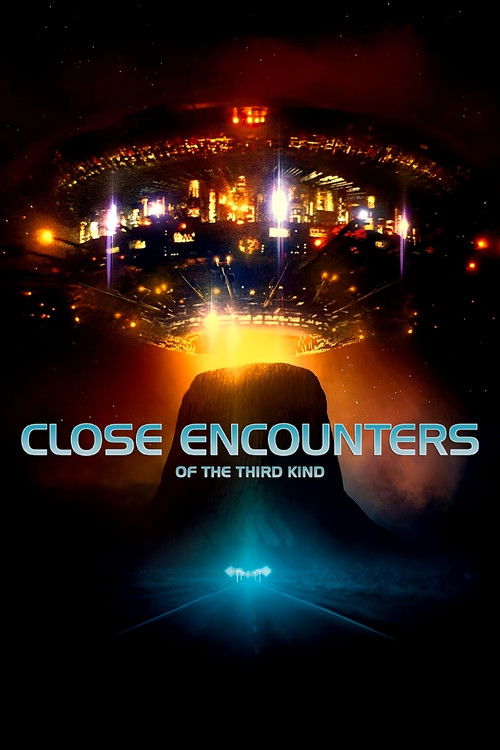
Even Donovan’s wife (Amy Ryan) has no purpose in the movie aside from telling him that what he’s doing is wrong and resisting his goals every step of the way, making this view of domestic life one of Spielberg’s harshest—and that’s saying something considering the views of spouses and parents in pictures like Close Encounters of the Third Kind and A.I.
Donovan is basically Richard Dreyfuss in “Close Encounters of the Third Kind” all over again: an obsessive whose family is there to be abandoned as he pursues his hairbrained dream.
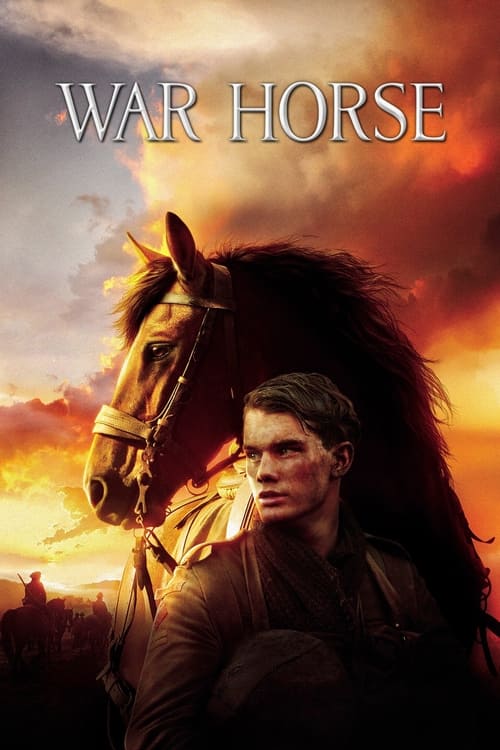
And then something snapped into place, and the whole movie made sense: back in 2011, Spielberg made War Horse, a clear homage to the works of John Ford, and now, in 2015, he’s made his Howard Hawks movie.
Based on true events situated during the height of the Cold War, this historically attentive drama is talky but never stuffy, director Steven Spielberg (2011's " War Horse ") ensuring there is not a shred of narrative fat on its bones (if anything, he could have afforded to better explore his underused supporting players).
The thing is, leaving Bridge of Spies (which premiered Sunday evening at the New York Film Festival) I felt a lot like I felt after leaving War Horse: This is good, but it’s a little disappointing because it’s Spielberg.
He tacked the brutality and atrocity of the second world war in Schindler’s List and Saving Private Ryan, while parading a War Horse through the first.
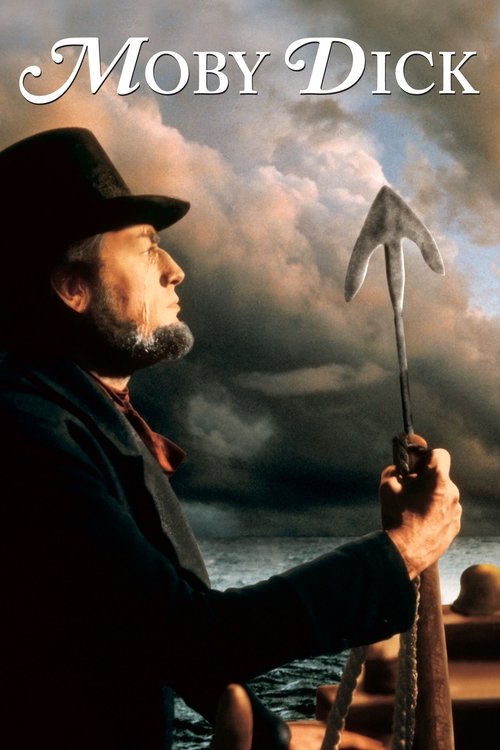
Stewart was bleakly haunted as Scottie in Hitchcock's Vertigo (1958), and Peck was dark as Josef Mengele in The Boys from Brazil (1978) and as Ahab in Huston's Moby Dick (1956).
Advertisement
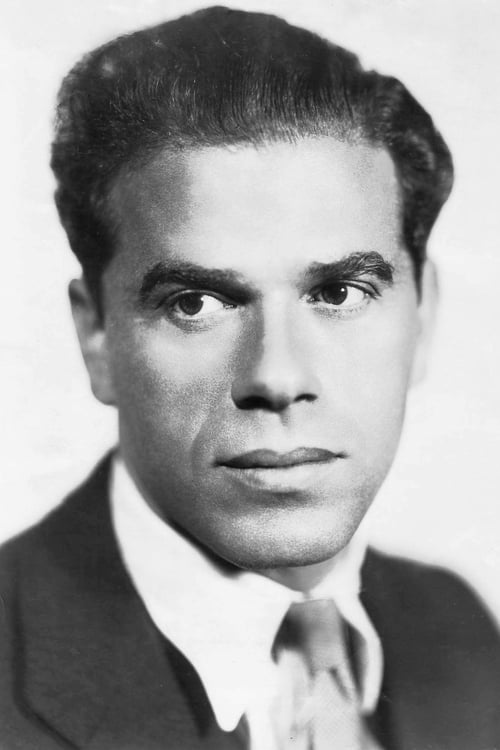

In Bridge of Spies, which was co-written by Matt Charman and Ethan and Joel Coen, Spielberg does quite the opposite by elevating a seemingly ordinary man, a Boston-based insurance lawyer named James Donovan, to the kind of everyman-heroic level associated with James Stewart in his Mr. Smith Goes to Washington (1939) heyday.
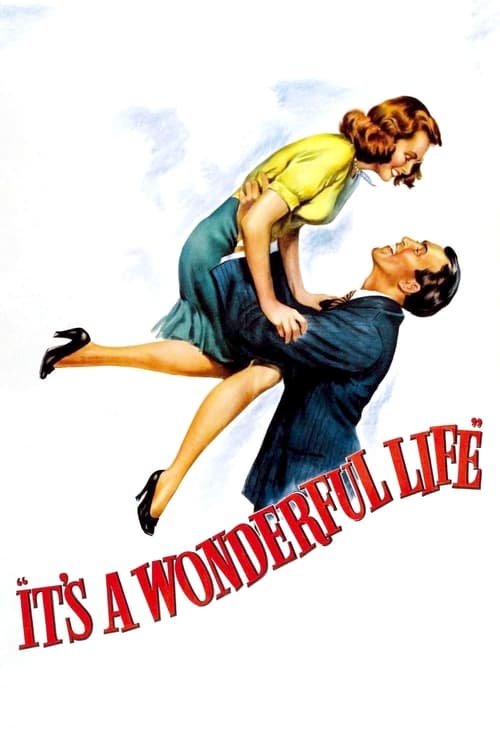
The Sicilian-born filmmaker who gave us the Jimmy Stewart classics "It's a Wonderful Life" and "Mr.
Stewart was bleakly haunted as Scottie in Hitchcock's Vertigo (1958), and Peck was dark as Josef Mengele in The Boys from Brazil (1978) and as Ahab in Huston's Moby Dick (1956).