

The BFG (2016)
Directed by Steven Spielberg
An orphan little girl befriends a benevolent giant who takes her to Giant Country, where they attempt to stop the man-eating giants that are invading the human world.
38 connections found
View:
38 films that influenced The BFG
What critics say influenced The BFG
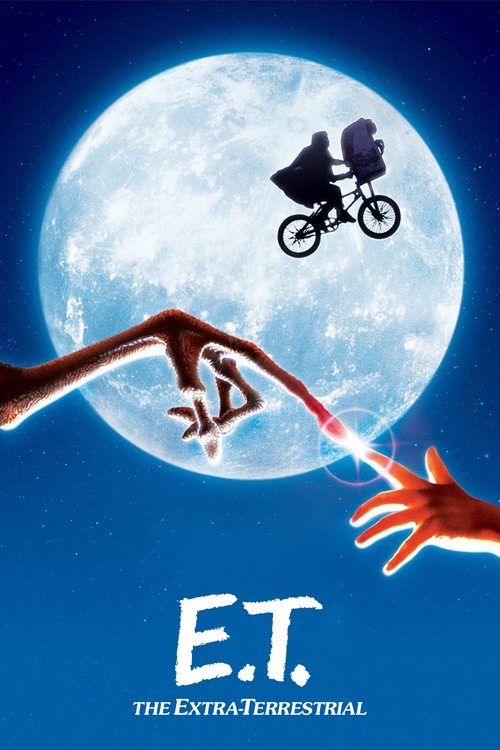


In the same year The BFG was published, Spielberg and Mathison collaborated on E.T. the Extra-Terrestrial, which has endured as one of the most beloved family films in cinema history.
I can't understand why; it seems to me that it's one of his gentlest and most beautiful films, less frenetic than Hook , less grueling than E.T. the Extra-terrestrial and less wispy than War Horse .
Adapted by Melissa Mathison, best known for writing E.T. the Extra-Terrestrial, the script often feels caught in this limbo between literary richness and the demands of a fast-paced blockbuster.
The BFG was written by Melissa Mathison, who died last year, and who wrote the screenplay for Spielberg’s E.T. the Extra-Terrestrial, one of the greatest children’s movies of all time.
Las referencias a E.T. no son antojadizas ni se cierran en la presencia de Mathison (fallecida en noviembre último) en la transposición o en que ambas películas tuvieron su estreno mundial en Cannes .
Steven Spielberg’s “The BFG,” adapted by the late Melissa Mathison from the 1982 Roald Dahl novel, harks back, thematically if not favorably, to “E.T.” It’s about Sophie (Ruby Barnhill), a spunky, bespectacled 8-year-old orphan from central London who is plucked from her forbidding orphanage in the middle of the night by a 26-foot giant with a spindly neck, sharp nose, and floppy ears, played by a special effects-enhanced Mark Rylance.
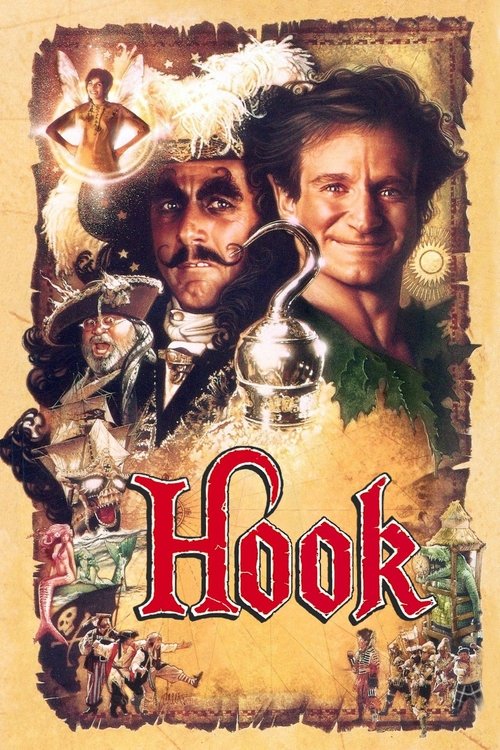
No, I haven’t forgotten about “The Adventures of Tintin” or “Indiana Jones and the Kingdom of the Crystal Skull” or “Hook” or “1941.”
It’s an often-stunning film that makes good use of 3D technology, with gorgeous scenes in Dream Country and moments that bring to mind Spielberg’s very similar “Hook.”
I can't understand why; it seems to me that it's one of his gentlest and most beautiful films, less frenetic than Hook , less grueling than E.T. the Extra-terrestrial and less wispy than War Horse .
(This is also why all those scenes with the Lost Boys fall flat in Hook.)
Off the back of Bridge Of Spies and Lincoln (and even War Horse), The BFG seems like an odd fit for Spielberg until you remember that he directed not only E.T., but also the hugely under-rated Hook and Tintin.
Dahl’s widely read and nearly universally revered novel began its journey to becoming a Spielberg movie some 25 years ago, at roughly the same time the director released one of his few duds, the cacophony that was 1991’s garish Peter Pan rehash, “Hook.”
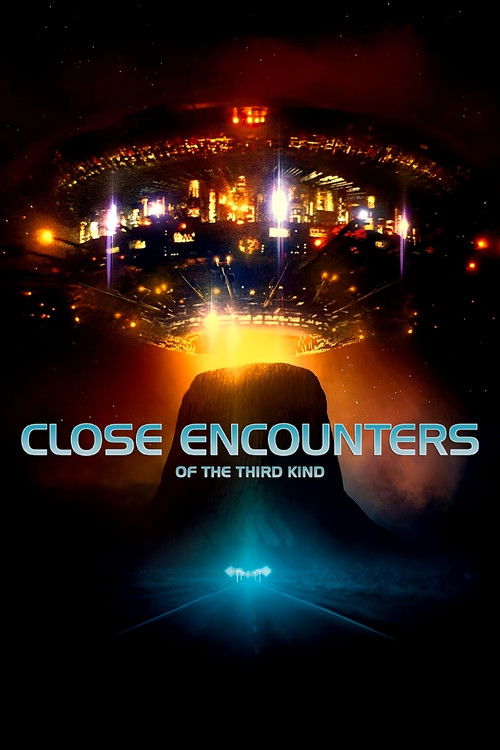
But he might as well have been referring to the narrative itself, imbued with a humanist streak that links it with “Close Encounters of the Third Kind” and, especially, “E.T.,” and stresses exactly why Spielberg’s family movies remain every bit as essential as the films that earned him a new measure of artistic credibility.
Just some examples have been the boy in "Close Encounters of the Third Kind," the siblings in "Jurassic Park," young Christian Bale in "Empire of the Sun," the animated boy in "The Adventures of Tintin," the kids in "War of the Worlds" and, of course, young Drew Barrymore in "E.T."
Gone are the days of "Close Encounters of the Third Kind," when Spielberg dared to render the kidnapping of a child in the dead of the night by otherworldly beings into the terrifying phenomenon one would expect.
Spielberg has long been renowned for his ability to work with child actors (something that the great French director François Truffaut recognized on the set of Close Encounters of the Third Kind, which led him to encourage Spielberg to make a film about children), and we can see it again in his work with Ruby Barnhill.
When his movies are really soaring, as in “E.T.” and “Close Encounters of the Third Kind,” that’s exactly what he is.
The Spielberg who made Jaws and Close Encounters of the Third Kind—and for that matter, E.T.—could still surprise and unnerve an audience, because he was still on the verge of realizing his destiny as a film-critical adjective.
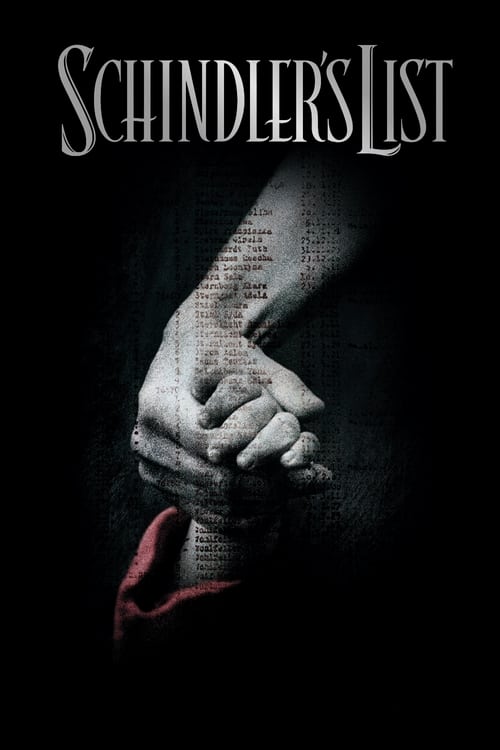
That the man once commonly referred to as Hollywood’s “boy wonder” has shown a propensity for these and other serious topics — to great success in movies from “Schindler’s List” to last year’s “Bridge of Spies” — can have the effect of making a film like “The BFG” seem to be yesterday’s news.
Although he has clearly leaned toward more “serious” and politically minded historical films since the multi-Oscar-winning Schindler’s List back in 1993, he has not abandoned his gift for crafting stories that speak across generations, which is what made E.T. such a phenomenon 34 years ago.
The Extra-Terrestrial, Jaws, Saving Private Ryan, Schindler’s List, The Color Purple, and those Indiana Jones popcorn flicks.
The little girl boldly dons a dead boy’s red uniform jacket, then turns it inside out (to queer gender identity as well as detach her from the little girl in the red coat in Schindler’s List).
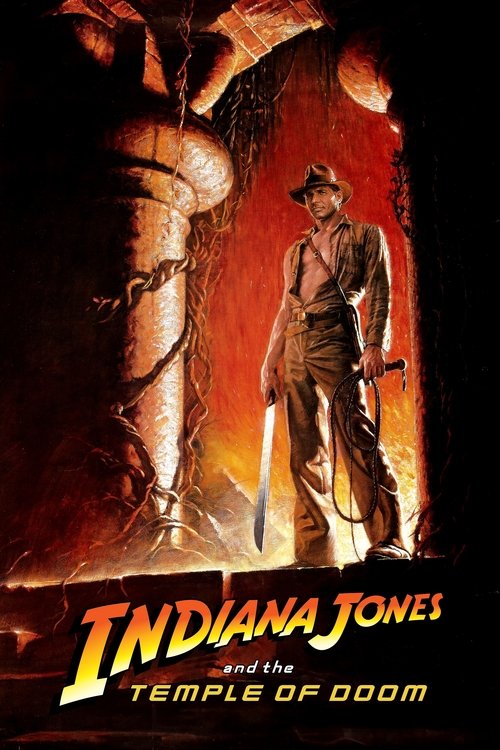
PG-13 didn’t come around until 1984, in response, in part, to another Spielberg movie, “Indiana Jones and the Temple of Doom.”
Some of these sequences feel like an out-of-control roller-coaster built by Rube Goldberg, reminiscent of the mine cart scene in Indiana Jones and the Temple of Doom.
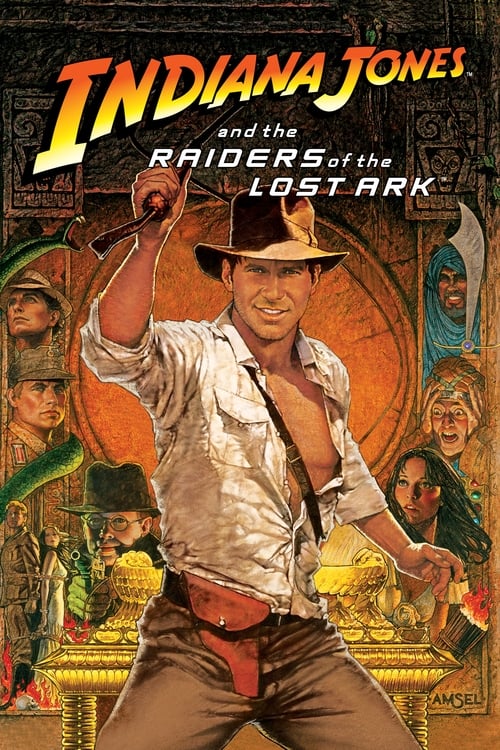
Even the patented Spielberg humor seems off, as the comic highlight (also in the book) is supposed to be a flatulent giant — a letdown when compared to, say, the fate of the swordsman in Raiders of the Lost Ark or Richard Dreyfuss and Robert Shaw comparing scars in Jaws.
The BFG is not nearly the masterwork that E.T. is, despite the fact that both were written by the late Melissa Mathison, who Spielberg met on the set of Raiders of the Lost Ark when she was involved with Harrison Ford.
But there’s also the adventure land of “Raiders of the Lost Ark,” the shell-shocked opening of “Saving Private Ryan,” the Orwellian near-future of “Minority Report” or the ominous ocean in “Jaws.”
He’s the guy who gave us melting Nazis in Raiders Of The Lost Ark (1981), served up chilled monkeys brains as haute cuisine in Temple Of Doom (1984), staged one of the creepiest alien abductions in cinema history (little Barry’s kidnapping in Close Encounters Of The Third Kind , 1977) and he wrote and produced the 1982 horror classic, Poltergeist .

What’s missing, above all, is the wild, palpable sense of excitement that has galvanized so many of Mr. Spielberg’s other juvenile adventures, from “E.T. the Extra-Terrestrial” to “The Adventures of Tintin.”
There’s magic, not just in the spectacle (which recalls the textures of Spielberg’s The Adventures of Tintin in its particular use of digital effects) and silly slapstick (behold the rarity of an actually good fart joke), but also in simple conversations, which make up so much of both Dahl’s wonderfully strange story and this particular take on it.
In this regard "The BFG" is the precise opposite of "The Adventures of Tintin," Spielberg's 2011 motion-capture extravaganza; in that picture, the chases were the only scenes that clicked.
No, I haven’t forgotten about “The Adventures of Tintin” or “Indiana Jones and the Kingdom of the Crystal Skull” or “Hook” or “1941.”
Just some examples have been the boy in "Close Encounters of the Third Kind," the siblings in "Jurassic Park," young Christian Bale in "Empire of the Sun," the animated boy in "The Adventures of Tintin," the kids in "War of the Worlds" and, of course, young Drew Barrymore in "E.T."
But, much like Spielberg's similar 2011 animated youth outing "The Adventures of Tintin," there's a puzzling disconnect between the film's display of craftsmanship and our engagement with it.
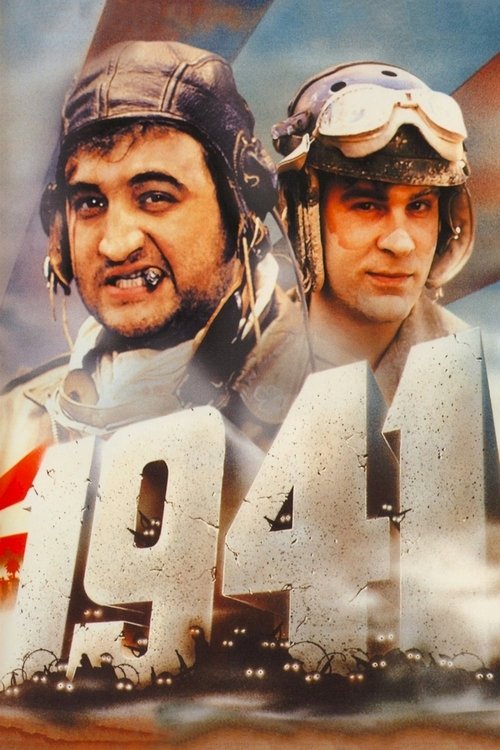
There’s always been a weakness for that kind of thing in Spielberg’s mindset — dare we summon the ghost of his most notable flop, “1941”?
No, I haven’t forgotten about “The Adventures of Tintin” or “Indiana Jones and the Kingdom of the Crystal Skull” or “Hook” or “1941.”
That it ends on what is essentially a giant fart joke would seem juvenile in the worst kind of way, but Spielberg pulls it off (he has always been a deft comedy director, and the perceived disaster of his wartime slapstick farce 1941 has probably been the only thing holding him back from making another outright comedy).
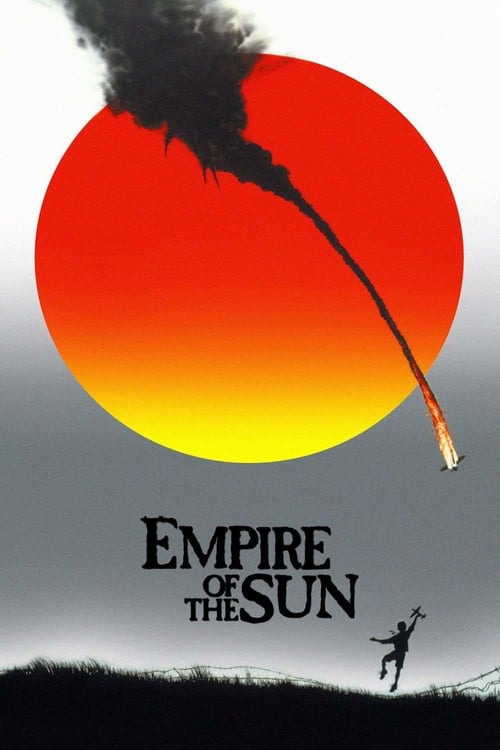
Just some examples have been the boy in "Close Encounters of the Third Kind," the siblings in "Jurassic Park," young Christian Bale in "Empire of the Sun," the animated boy in "The Adventures of Tintin," the kids in "War of the Worlds" and, of course, young Drew Barrymore in "E.T."
He first offered him a role in Empire of the Sun (released in 1987) but Rylance turned it down and accepted a part with the Royal Shakespeare Company in Warwickshire.
But there’s not the kind of grand emotional arc that made Spielberg’s best kids films like E.T. or Empire of the Sun so memorable.
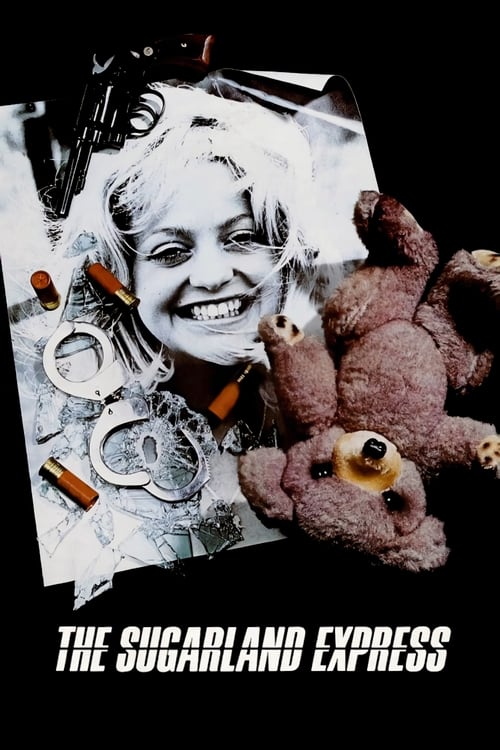
He won a Best Screenplay prize here for The Sugarland Express back in 1974, and E.T. premiered here in 1982.
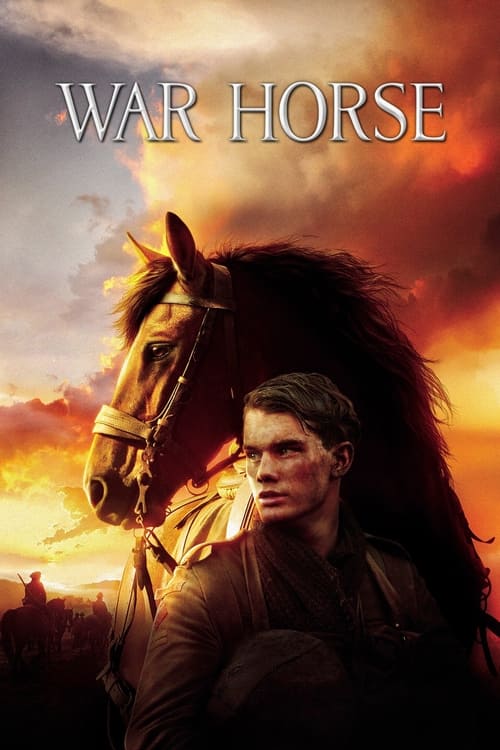
I can't understand why; it seems to me that it's one of his gentlest and most beautiful films, less frenetic than Hook , less grueling than E.T. the Extra-terrestrial and less wispy than War Horse .
Off the back of Bridge Of Spies and Lincoln (and even War Horse), The BFG seems like an odd fit for Spielberg until you remember that he directed not only E.T., but also the hugely under-rated Hook and Tintin.
Spielberg’s still as productive as ever and his films often end up in the running for best picture nods, including Oscar nominations for last year’s Cold War thriller Bridge of Spies, Lincoln (2012), and 2011’s War Horse.
Plus, with Spielberg’s recent works like last year’s acclaimed Bridge of Spies and his underrated 2011 release year, that saw both his version of Hérge series The Adventures of Tintin: The Secret of the Unicorn and Michael Murpurgo adaptation War Horse released (two films this writer very much encourages people to revisit), it is hard to argue that this giant of movies has lost his touch.
The BFG flaunts what Spielberg learned from making his 2010 two-fer War Horse and The Adventures of Tintin.
After making back-to-back historical period dramas ( Lincoln , Bridge Of Spies ), Spielberg returns to the land of family movies for The BFG , although in temperament this is closer to the child-friendly exploits of The Adventures Of Tintin than the more somber, consciously old-fashioned tone of War Horse .

He’s tackling Roald Dahl’s iconic children’s book in his newest, following the award-friendly “Bridge of Spies” in 2015 and bringing back its Mark Rylance as the titular Big Friendly Giant, who roams the land as a catcher of dreams.
The film is built almost entirely on the wonderfully expressive performances by recent Oscar winner Mark Rylance (of Spielberg's "Bridge of Spies") and newcomer Ruby Barnhill.
The exception might be Mr. Rylance, an extravagantly admired stage actor who was the central enigma and the emotional nexus of Mr. Spielberg’s “Bridge of Spies.”
FAST FACT: Mark Rylance earned an Oscar for his work in 2015’s “Bridge of Spies.”
His introduction to the Queen is lots of fun, and Rylance is a perfect match for the character, lending it the same kind of wistful contemplation that won him last year’s Best Supporting Actor Oscar for Spielberg’s spy feature “Bridge of Spies.”
They collaborated on "Bridge of Spies," for which Rylance's performance as Russian spy Rudolf Abel won a supporting actor Oscar.
Just some examples have been the boy in "Close Encounters of the Third Kind," the siblings in "Jurassic Park," young Christian Bale in "Empire of the Sun," the animated boy in "The Adventures of Tintin," the kids in "War of the Worlds" and, of course, young Drew Barrymore in "E.T."
Still, without any bona-fide movie stars or franchise characters to drive worldwide audiences’ desire to see it, “The BFG” won’t have an easy time getting anywhere near the 20 highest-grossing films of all time (a list where Spielberg presently holds last place, with “Jurassic Park”).
El director de Tiburón, Indiana Jones y Jurassic Park regresa al cine de aventuras para toda la familia con una transposición del libro de Road Dahl a cargo de Melissa Mathison (guionista de otro de sus éxitos como E.T., el extraterrestre) y con producción de Disney.
Hailed for his groundbreaking use of CGI in Jurassic Park all those years ago, he has been surpassed over the years by others who have pushed at the edges of the special effects envelope.
Much like the dinosaurs in Spielberg’s Jurassic Park, their largeness feels palpable, corporeal.
But when you have the man who brought dinosaurs back to life 23-years-ago in Jurassic Park (which still hold up to today’s CGI standards) and the incredible nuanced performance from Mark Rylance, you get something that feels authentically believable and human.
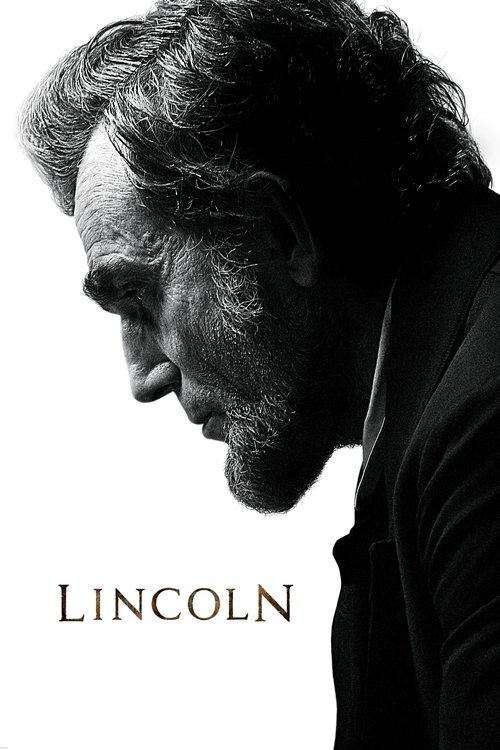
Off the back of Bridge Of Spies and Lincoln (and even War Horse), The BFG seems like an odd fit for Spielberg until you remember that he directed not only E.T., but also the hugely under-rated Hook and Tintin.
But Spielberg of late has become a far less fanciful filmmaker, specializing in adult-oriented projects such as “Bridge of Spies” and “Lincoln.”
With “The BFG,” Spielberg has taken a break from the serious-minded sweep of his recent political procedurals (“Bridge of Spies,” “ Lincoln ”) and attempted to fashion a new classic of childhood wonderment.
Spielberg’s still as productive as ever and his films often end up in the running for best picture nods, including Oscar nominations for last year’s Cold War thriller Bridge of Spies, Lincoln (2012), and 2011’s War Horse.
Así, en su anhelado regreso al cine de aventuras fantásticas para toda la familia luego de títulos para adultos como Lincoln o Puente de espías, esta incursión en el universo literario del admirado Roald Dahl -más allá de que indudablemente le cuesta tomar vuelo- un espectáculo visual extraordinario y, en ese segundo tramo, una demostración más del esplendor de un director de las inmensas dimensiones, facetas, matices y cualidades como Spielberg.
Yet, the Spielberg–Kushner team’s Lincoln (2012) lost all dramatic interest.
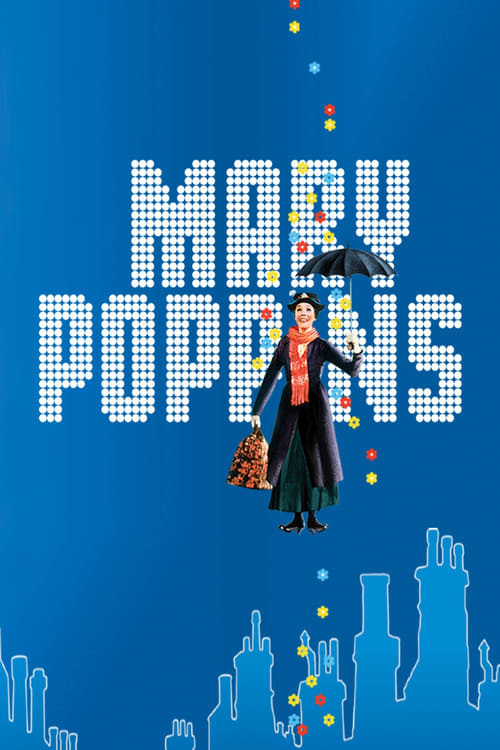
Released by Disney in the US, it feels very close in spirit (and 'oi guv'nor' vision of London) as, say, Bedknobs and Broomsticks and Mary Poppins.
We open in a Mary Poppins-style version of London where past and present seem to intermingle.
Rylance gives the BFG a lanky, loose-limbed quality, not unlike the one Dick Van Dyke gives his dance-hall chimney sweeper in “Mary Poppins.”
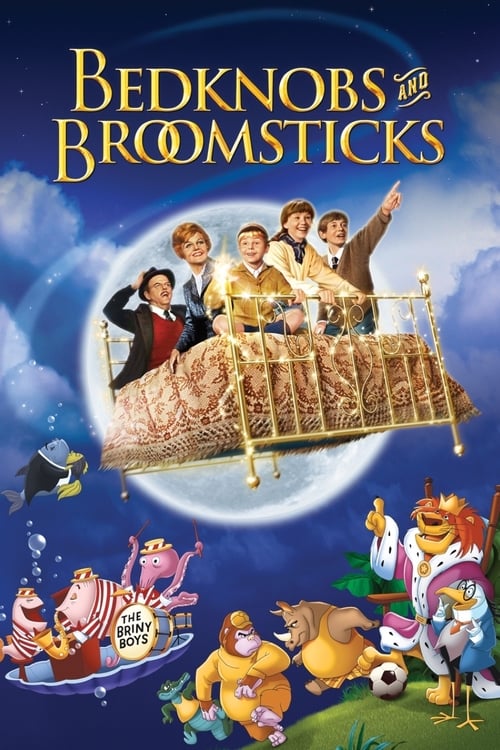
Released by Disney in the US, it feels very close in spirit (and 'oi guv'nor' vision of London) as, say, Bedknobs and Broomsticks and Mary Poppins.
Spielberg also gets to tell one of the most elaborate flatulence jokes since the campfire scene in Blazing Saddles, and it is admirable how much Spielberg embraces the silliness of the source material.
The biggest laughs come at Buckingham Palace where Sophie convinces the Queen (Penelope Wilton) and her retinue to enjoy the BFG's favorite drink, a "frobscottle," which sets off an explosion of "whizzpoppers" — farts that rival of explosion of flatulence in Mel Brooks' Blazing Saddles.
The less said about these sequences, the better, but one detail must be acknowledged: somehow, some way, one of the world’s most acclaimed directors has pulled off the unlikely feat of landing the most enjoyable fart joke since Blazing Saddles .
Kids should really like "BFG" when a meeting between the Queen of England (a game Penelope Wilton) and the BFG breaks into a noisy display of public flatulence that surpasses the classic campfire scene in Mel Brooks' "Blazing Saddles."
Spielberg tips his hat to all sorts of earlier filmmakers, usually on the fly, from Hitchcock (a close-up of Sophie's eyeglasses recalls a shot from "Strangers on a Train") to Kubrick (not one but two musical selections come from the same classical songlist "Barry Lyndon" used).
Advertisement
Spielberg tips his hat to all sorts of earlier filmmakers, usually on the fly, from Hitchcock (a close-up of Sophie's eyeglasses recalls a shot from "Strangers on a Train") to Kubrick (not one but two musical selections come from the same classical songlist "Barry Lyndon" used).
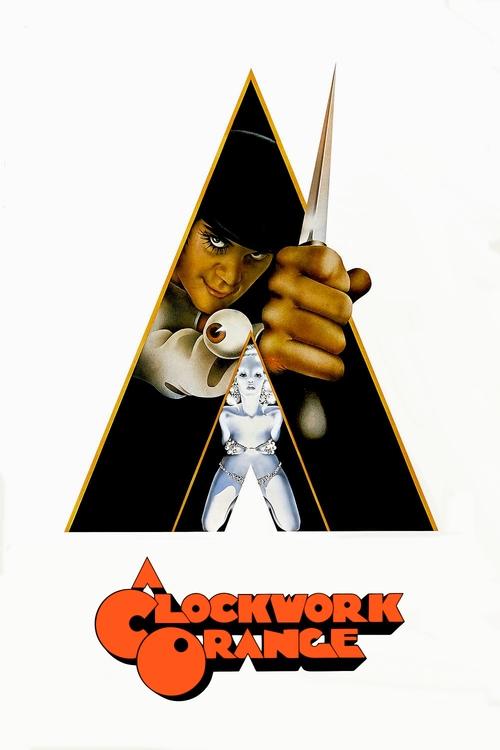
Mark Rylance plays the Big Friendly Giant as big-eared, rustic everyman who garbles his words in a way that makes him sound strangely like one of the Droogs in A Clockwork Orange .
The BFG doesn't believe that a person should gobblefunk around with words, but he does in some of the most inventive language to spice up a movie since the droogies textually assaulted the English language in Stanley Kubrick's "A Clockwork Orange."
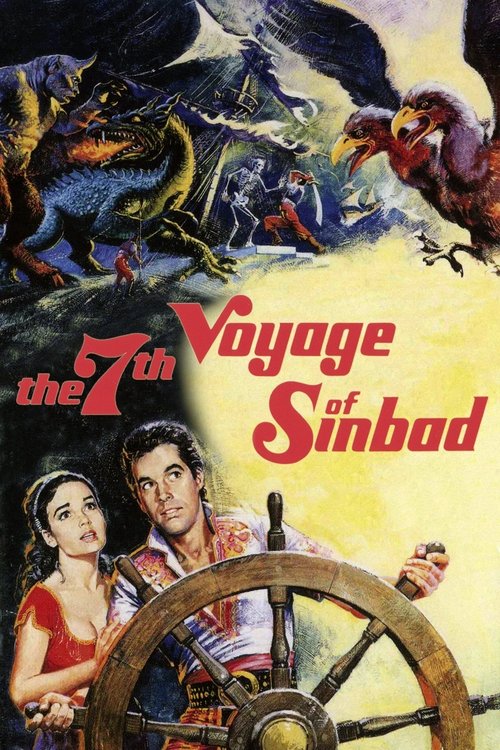
David: As a young moviegoer, I remember being amazed and terrified while watching "The 7th Voyage of Sinbad" (1958) mainly because of the scary cyclops that picked up men and ate them.
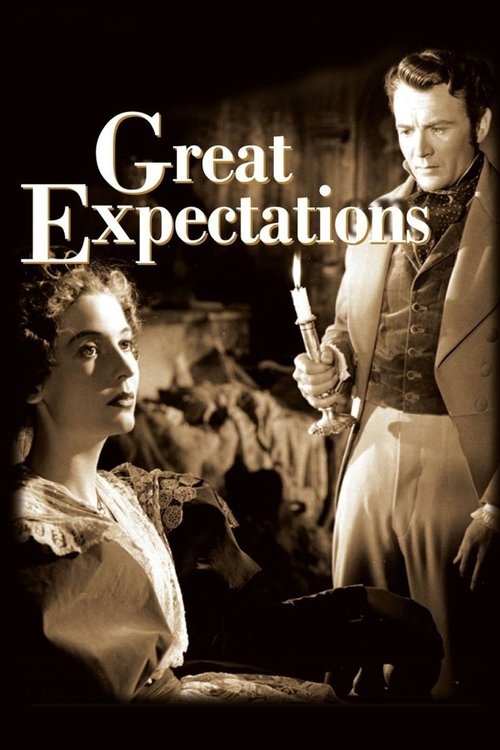
Rylance plays him as if he’’s a supersize version of Bernard Miles’ Joe Gargery in Great Expectations .
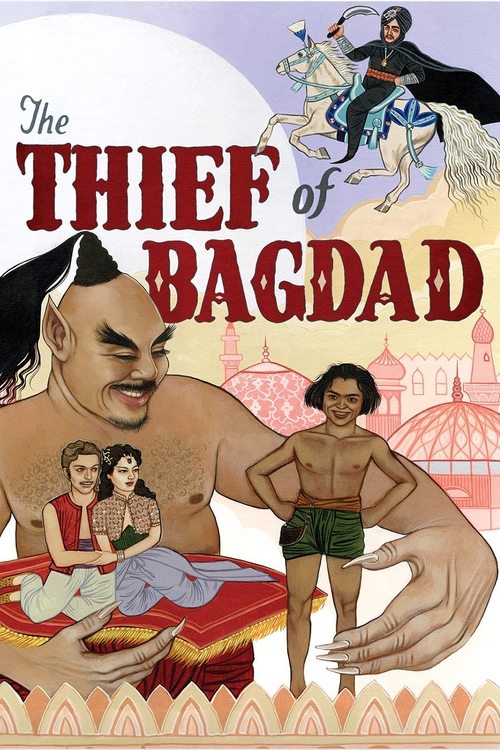
There are echoes of influence of Powell-Pressburger (“The Thief of Bagdad,” “The Red Shoes”) but Spielberg would never be as neurotic as that filmmaking duo.
The BFG has some of the visual magic that you find in old Powell and Pressburger movies or in films like The Thief Of Bagdad .
Advertisement
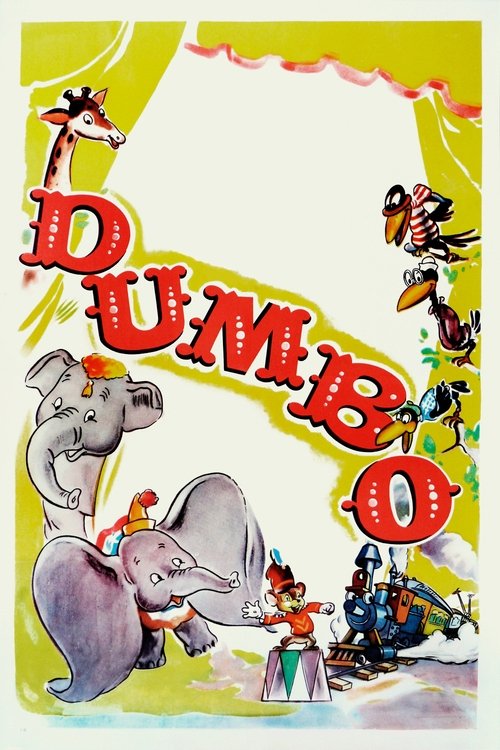
Old-school Disney was obviously a major influence formative on the director—recall the military man bawling at Dumbo way back in 1941— but his aesthetic grew up quite different, even (or especially) in his kid-safe movies.

Unlike Spike Jonze's "Where the Wild Things Are," which tapped into the underlying melancholy driving the child's imaginative vision of menacing beasts, "The BFG" takes its events at face value and rarely manages to give them much depth.
When it comes to films that extend the length of original stories for the benefit of runtime we’ve seen both good examples (“Where the Wild Things Are”) and bad (“The Hobbit” trilogy).
On the other hand, however, the digitally enhanced crags and valleys of Giant Country have none of the reality of the jungle in Spike Jonze's uneven but very daring Where the Wild Things Are .