
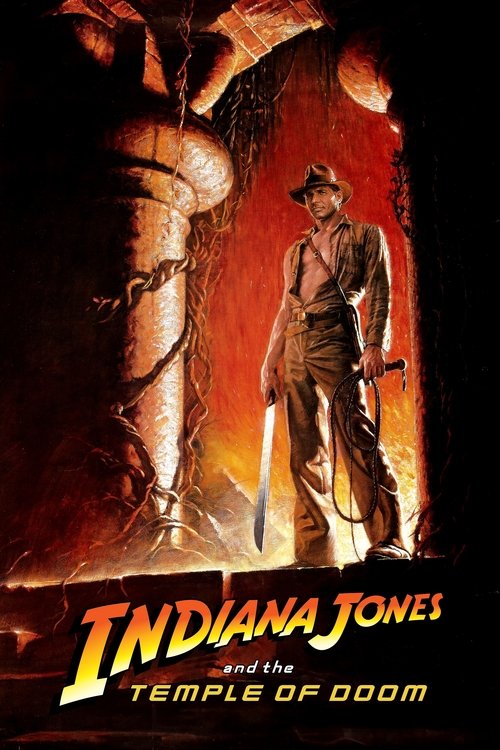
Indiana Jones and the Temple of Doom (1984)
Directed by Steven Spielberg
After arriving in India, Indiana Jones is asked by a desperate village to find a mystical stone. He agrees – and stumbles upon a secret cult plotting a terrible plan in the catacombs of an ancient palace.
5 connections found
View:
5 films that influenced this film
What critics say influenced Indiana Jones and the Temple of Doom
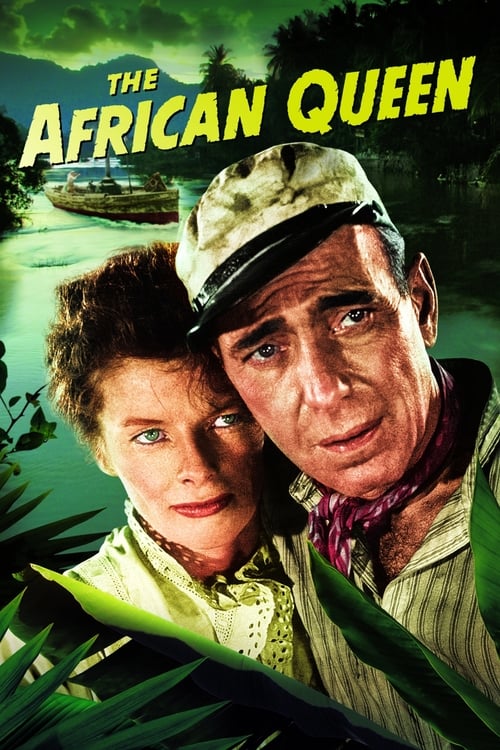


I also love the sexual tension between Indy and Willie, which kind of reminds me of the back and forth between the leads in “The African Queen” (as opposed to how “Raiders” sort of had a “Casablanca” thing going on; now that I think of it, Harrison Ford is pretty much always channeling Bogart in these movies).

The wartime adventure setting is dropped and the main influence is not old serials so much as George Stevens’ film Gunga Din and pulp magazine characters like Doc Savage.
Spielberg and his crew were clearly inspired by the excellent 1939 adventure film “Gunga Din,” as many of “Temple of Doom’s” iconic moments are ripped directly from the film.
A boy's own adventure it may be, but a tremendously good one; the film is an obvious influence on Indiana Jones and the Temple of Doom , a significantly weaker film, and the same spirit that infects the best moments of Lucas and Spielberg's series is found all over Gunga Din.
Based on Rudyard Kipling's poem, Gunga Din has served as the inspiration for countless adventure yarns over the decades, not the least being Indiana Jones and the Temple of Doom.
Steven Spielberg was clearly inspired by this film, as huge chunks, including the collapsing rope bridge, made it into his Indiana Jones and the Temple of Doom (1984).
Gunga Din is no more or less abhorrent in its prejudices than is Indiana Jones and the Temple of Doom (same movie, fewer heroes) or Radio (or pretty much any Cuba Gooding Jr. film, actually), and what that says about us isn't cynical so much as it is perversely optimistic.
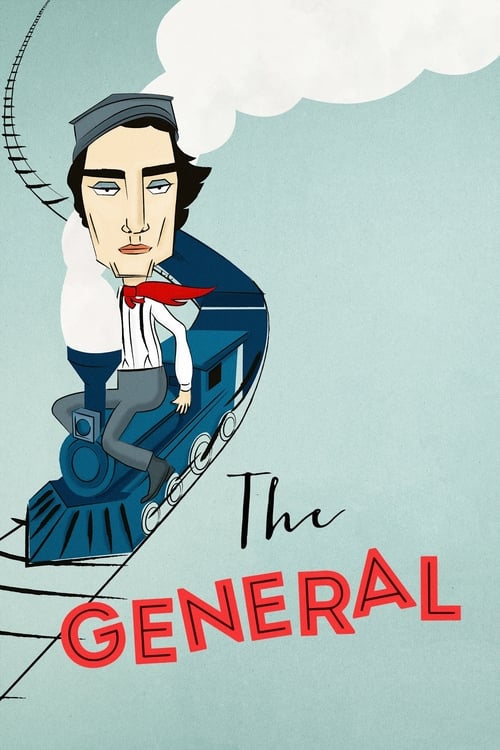
Spielberg has obviously studied Buster Keaton's " The General " (1927), that silent classic that solved the obvious logistic problem of a chase on railway tracks (i.e., what to do about the fact that one train seemingly always has to be behind the other one).
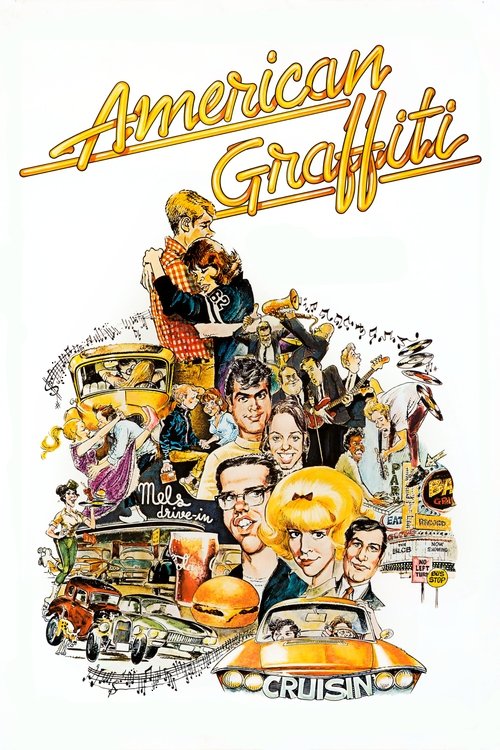
The screenplay, written by Willard Huyck and Gloria Katz (''American Graffiti''), from a story by George Lucas, is serviceable but no match for the witty one by Lawrence Kasdan for ''Raiders.''
Advertisement
…the dark middle films of Lucas and Spielberg’s Indiana Jones trilogy and of Peter Jackson’s The Lord of the Rings films are the weakest in their respective series…