
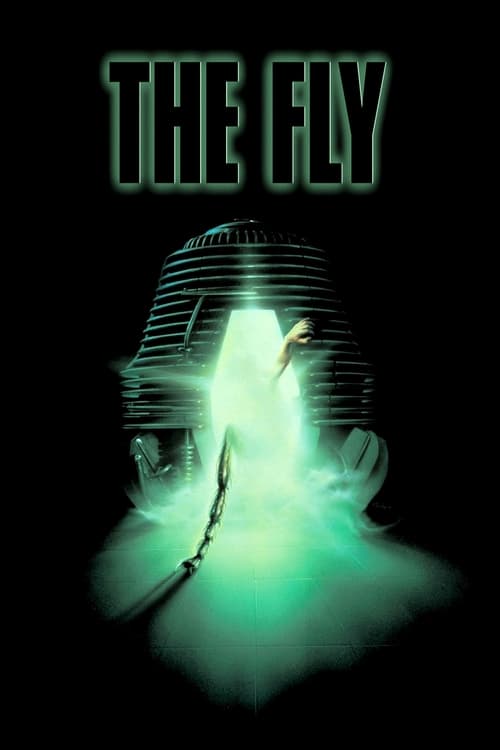
The Fly (1986)
Directed by David Cronenberg
When brilliant, eccentric scientist Seth Brundle makes a huge technological breakthrough in teleportation, he decides to test it on himself. Unbeknownst to him, a common housefly manages to get inside the device and the two become one.
9 connections found
View:
9 films that influenced The Fly
What critics say influenced The Fly
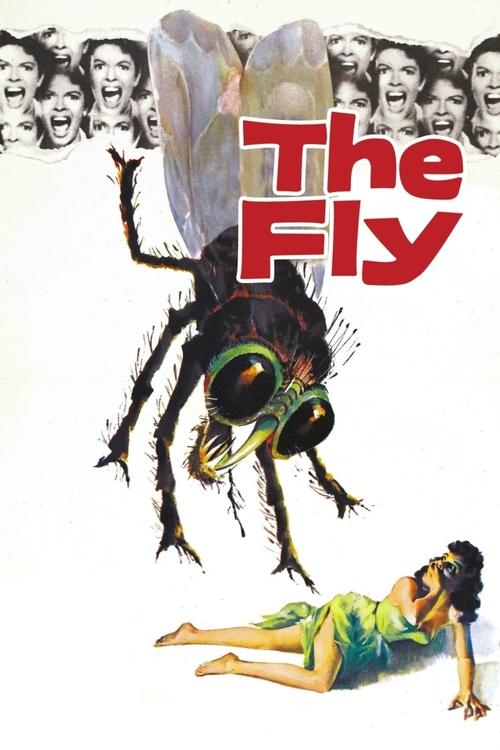


The re-working of the 1958 horror classic The Fly gave him fertile ground to explore this theme.
If any film is deserving of the term "re-imagination" as opposed to "remake," it's David Cronenberg's 1986 The Fly.
Cronenberg's new film, "The Fly" (citywide Friday), plunges deeper into the forbidding realm of genetic dysfunction with genuinely unsettling results.
While 1958’s Universal horror film “The Fly” was in fact a truly creepy and bleak horror drama with little to no story elements that signaled a clear cut resolution for anyone that would ensure a life of sanity, it almost seemed like a film that held unrealized potential.
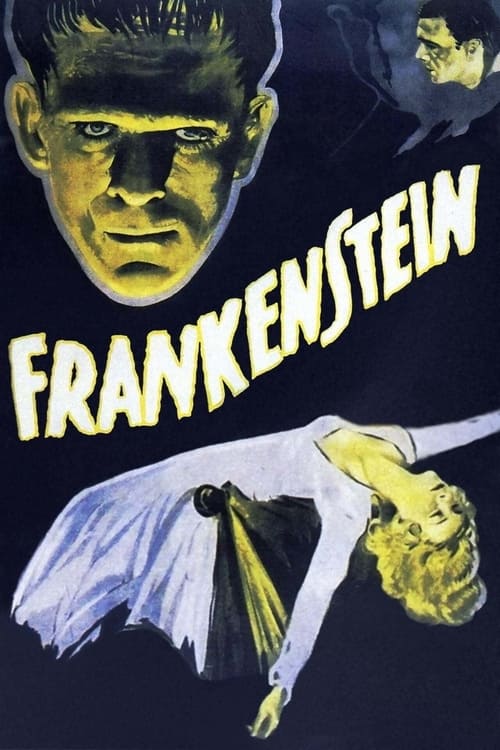
It may be modern, but it is still Cronenberg's retelling of "Frankenstein"; and like the old Mary Shelley classic, it raises the same question: If Man is going to go messing around with Nature, shouldn't Man be ready for the possibly dire consequences?
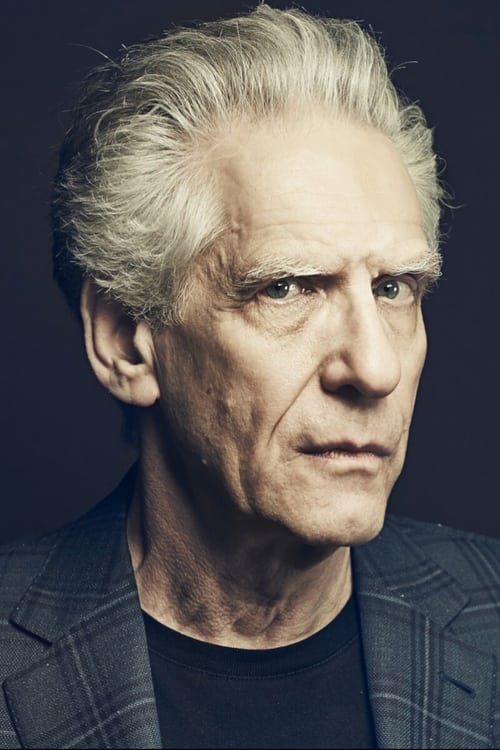
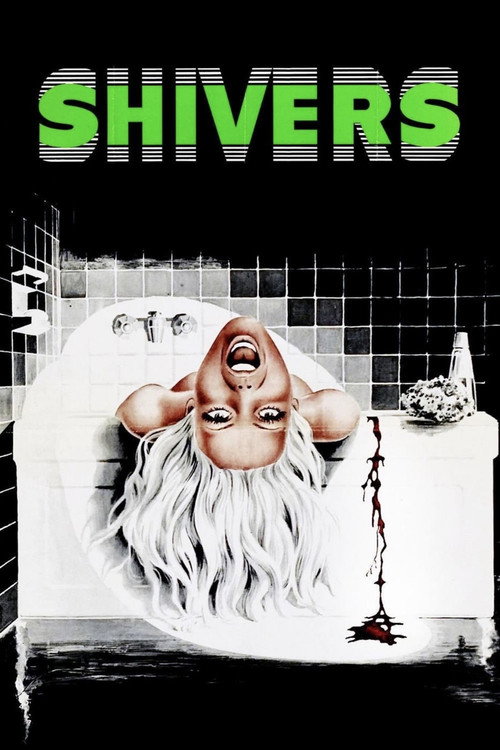
This plunges into the same primal territory he explored in Shivers, Rabid and Videodrome, regurgitating his deep-seated fears of ageing, disease, deformity and the beast within.
Movies like Shivers, Rabid and The Brood were 101 courses; The Fly was Cronenberg’s doctoral thesis, and it turned out to be the biggest hit he would ever have.
While Cronenberg has made a handful of worthwhile films in his career (including "The Dead Zone" and the 1986 remake of "The Fly"), he's made many more awful ones (such as his most recent, 1996's "Crash," and his debut, the 1975 sci-fi/horror flick "Shivers").
David Cronenberg ("Dead Ringers"/"Videodrome"/"Shivers") directs and cowrites with Charles Edward Pogue this considerably more gruesome updated remake of the classic hokum sci-fi film called The Fly (1958), which might buzz more loudly for the less squeamish and those that find a philosophical connection in the identity crisis constructed.
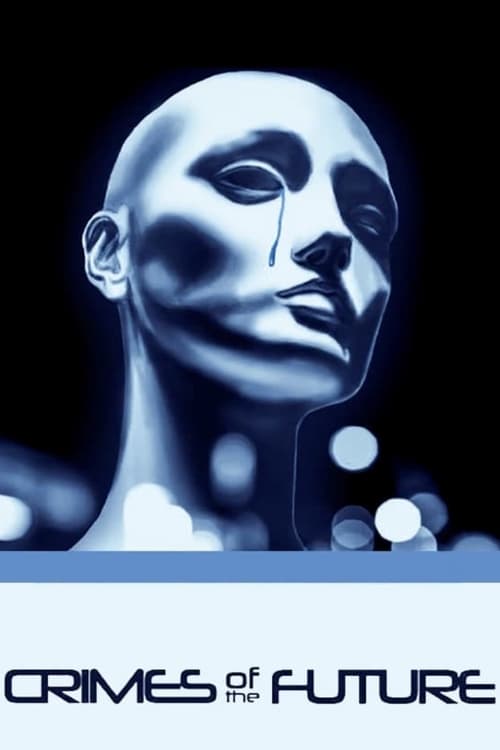
In "Crimes of the Future," the gifted Canadian director showed us a victim of a bizarre malady who tries to gain immunity by merging with a woman into a third sex.
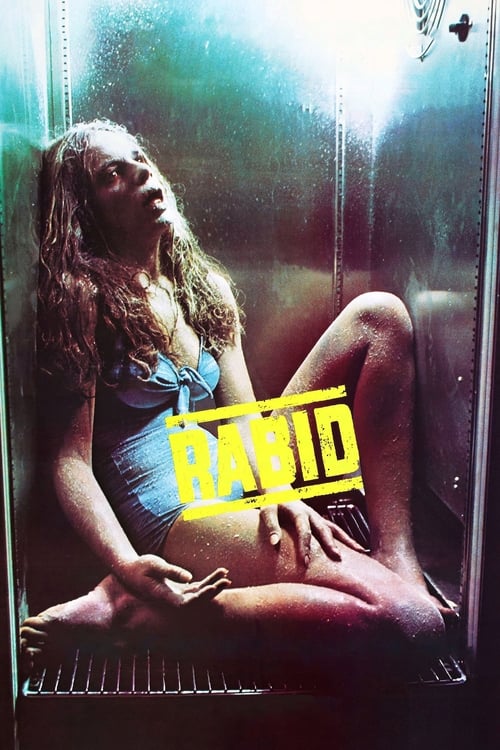
This plunges into the same primal territory he explored in Shivers, Rabid and Videodrome, regurgitating his deep-seated fears of ageing, disease, deformity and the beast within.
Movies like Shivers, Rabid and The Brood were 101 courses; The Fly was Cronenberg’s doctoral thesis, and it turned out to be the biggest hit he would ever have.
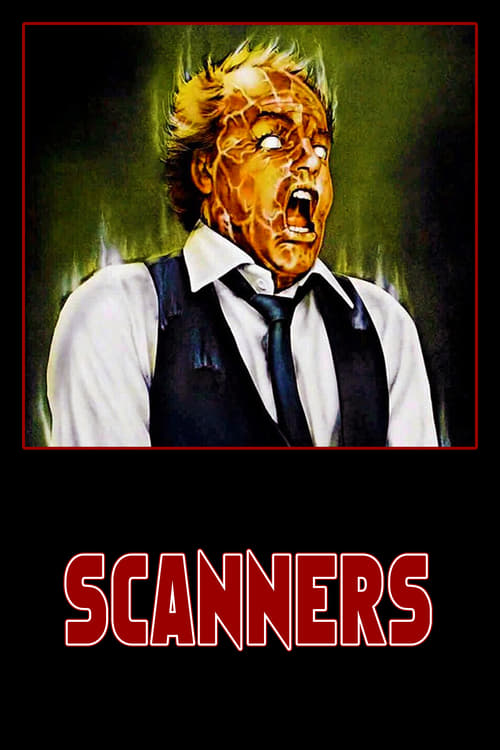
In "Scanners," rival mental giants develop a powerful form of ESP, lethal enough to blow each other's heads off.
Still, it's an interesting experiment Cronenberg's attempted, if ultimately in the wrong direction: almost none of the minimalist alienation of, e.g., Scanners and Videodrome remains, and the stylistic opening out diminishes those films retrospectively, makes them seem less authentic than they are.
His transformation is slow and here Cronenberg ("The Brood," ''Scanners") outdoes himself: Seth's skin grows dirty and scaley, thick, wire-like hairs pop out of his back, his teeth fall out, an ear falls off and then his nose.
Just look at a few of the bizarre things he's made over the years: "Scanners" (1981), "Videodrome" (1983), "Dead Ringers" (1988), "Naked Lunch" (1991), "M.
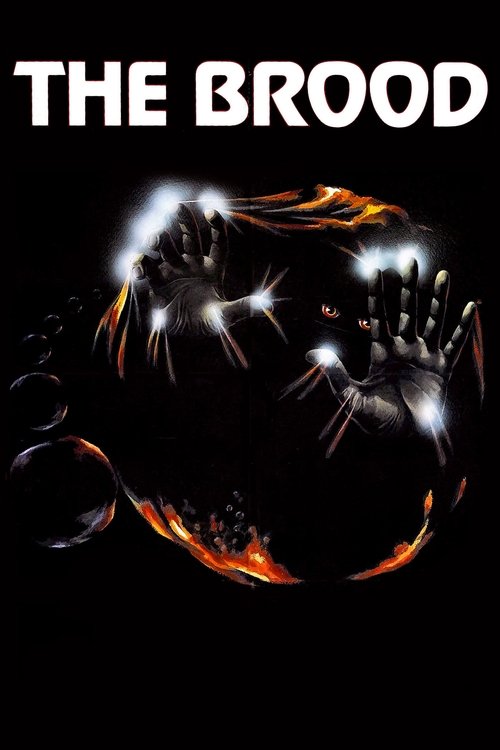
Movies like Shivers, Rabid and The Brood were 101 courses; The Fly was Cronenberg’s doctoral thesis, and it turned out to be the biggest hit he would ever have.
His transformation is slow and here Cronenberg ("The Brood," ''Scanners") outdoes himself: Seth's skin grows dirty and scaley, thick, wire-like hairs pop out of his back, his teeth fall out, an ear falls off and then his nose.
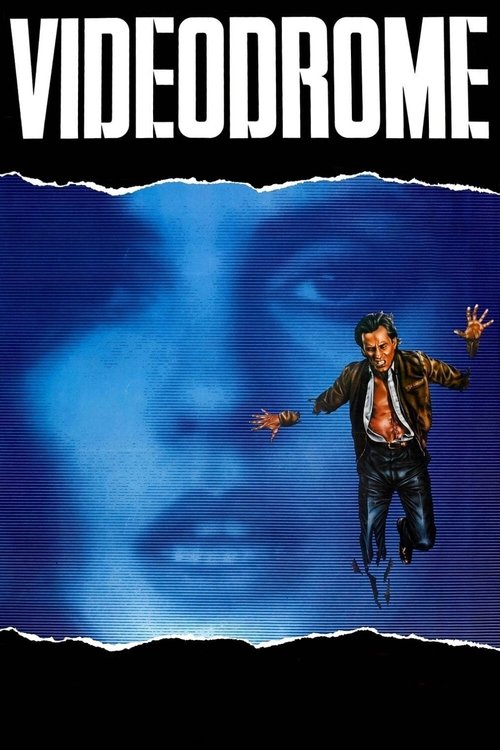
And in "Videodrome," we saw a soft-porn video entrepreneur writhing under the hallucinogenic spell of TV mind control.
Still, it's an interesting experiment Cronenberg's attempted, if ultimately in the wrong direction: almost none of the minimalist alienation of, e.g., Scanners and Videodrome remains, and the stylistic opening out diminishes those films retrospectively, makes them seem less authentic than they are.
This plunges into the same primal territory he explored in Shivers, Rabid and Videodrome, regurgitating his deep-seated fears of ageing, disease, deformity and the beast within.
For every "The Dead Zone", " The Fly " and "Dead Ringers" (all unsettling and dynamic in their own specific ways), there have been horrors (of the unintended kind) in the likes of "Naked Lunch" and "Crash".
As a movie, Videodrome is rough and rushed, displaying little of the sense of style that the auteur would master in such later films as The Fly and Spider.
It only becomes sharper and more resonant with his remake of The Fly, where he charts the transformation in gooey detail that looks like some diseased attack on the human body (it’s been called a metaphor for AIDS) and eXistenZ, a virtual reality game made flesh, where the line between fantasy and reality doesn’t so much blur as dissolve and overpowering artificial stimulus comes back to effect physical reality.

David Cronenberg's 1986 remake of the Vincent Price shocker, though what it reminds you of most, in its uneasy meld of physical deformity and romance, is Peter Bogdanovich's Mask.