
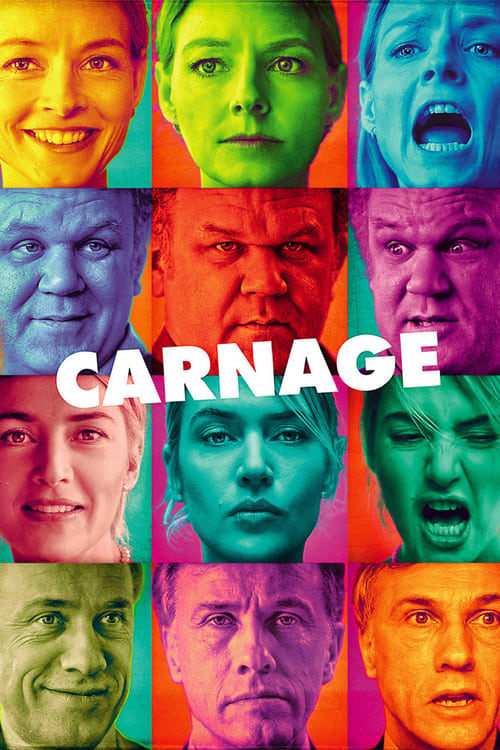
Carnage (2011)
Directed by Roman Polanski
Two pairs of parents hold a cordial meeting after their sons are involved in a fight, though as their time together progresses, increasingly childish behavior throws the discussion into chaos.
36 connections found
View:
36 films that influenced Carnage
What critics say influenced Carnage

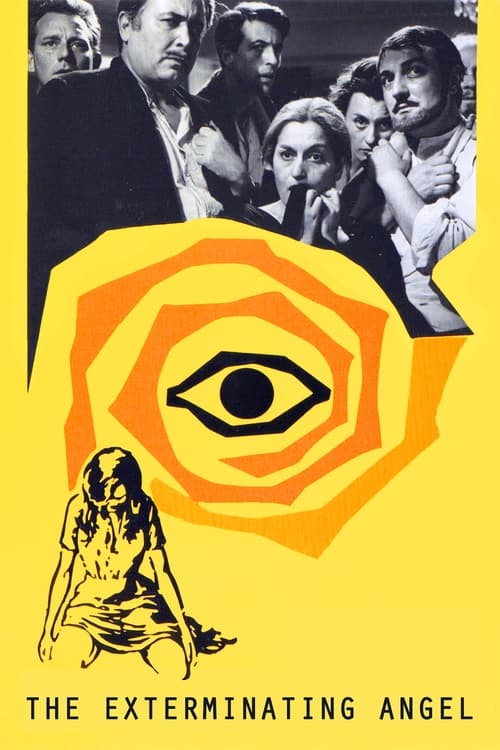


Too bad it gets repetitious, but not in a good way, like, say, Luis Buñuel's The Exterminating Angel.
And strangely—as if the characters were trapped in Luis Buñuel’s The Exterminating Angel (1962)—the Cowans appear to be unable to leave the Longstreets’ apartment.
Watching "Carnage," I couldn't help thinking about, in reverse alphabetical order, "Who's Afraid of Virginia Woolf?," "Six Degrees of Separation," "Lord of the Flies" and "The Exterminating Angel."
As for Polanski, he masterfully orchestrates all the mind-game mayhem — at times, the scenario recalls a more grounded version of Luis Bunuel's surrealist romps The Exterminating Angel and The Discreet Charm of the Bourgeoisie — although he above all filmmakers constantly reminds us how important it is to separate the artist's personal life from his public offerings.
Then they have trouble leaving one another's company — any relation to Luis Buñuel's The Exterminating Angel is worth speculating on.
Nothing gives this trick away (the superb if limited production design is by Dean Tavoularis, of "The Godfather" and "Apocalypse Now"), but the awareness of this illusion likely helped the actors embrace the story's absurd theatrical conceit, which merges the verbal sadomasochism of "Who's Afraid of Virginia Woolf" with the why-don't- they-just-leave-the-room unreality of Buñuel's "The Exterminating Angel."

As for Polanski, he masterfully orchestrates all the mind-game mayhem — at times, the scenario recalls a more grounded version of Luis Bunuel's surrealist romps The Exterminating Angel and The Discreet Charm of the Bourgeoisie — although he above all filmmakers constantly reminds us how important it is to separate the artist's personal life from his public offerings.
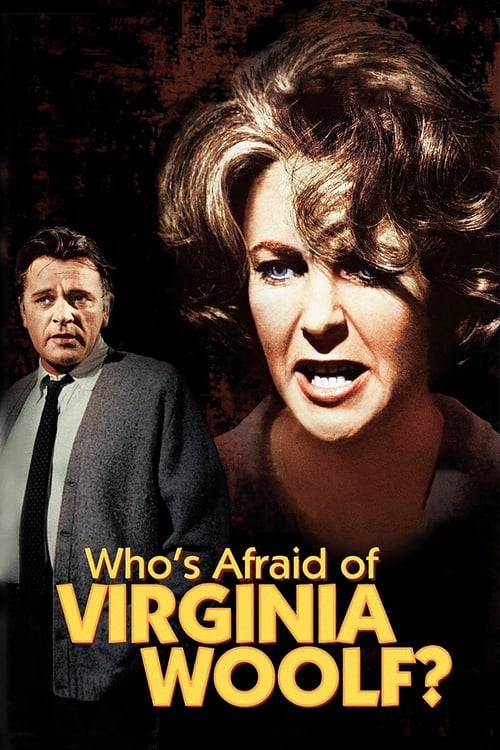
Cowriter (with 'God of Carnage' playwright Yasmina Reza)/director Roman Polanski brings the much ballyhooed European and Broadway play to the screen in a stagebound adaptation with a terrific cast who try their best to sell contrived material obviously indebted to "Who's Afraid of Virginia Woolf?"
There are far too few reasons for the four to stay in that apartment, and, worse, the final act lacks the killing blow of “Who’s Afraid of Virginia Woolf?,’’ a work whose DNA is inextricably wound around Reza’s dramatic structure.
Alan’s cellphone, along with Penny Longstreet’s beloved art books, are among the totems destroyed by the god of carnage in this tightly structured comedy of manners, which is roughly one part “Who’s Afraid of Virginia Woolf?” and one part Luis Buñuel’s “Exterminating Angel.”
Anxious to offset her husband's rudeness, Nancy does herself no favors by overdosing on warm beverages, and before anyone can say "Who's Afraid of Virginia Woolf?," Michael breaks out the scotch, momentarily relieving the tension and lubricating them all for the next round.
Though it's not on the same lofty level, Polanski positions his two-couples-in-a-room tale as a descendant of Mike Nichols' "Who's Afraid of Virginia Woolf?"
How it compares to the Broadway show I cannot say — Creative Loafing's budget inexplicably does not provide for me to stay a few days in New York to check it out firsthand — but the screen version is a tasty, wicked treat; to borrow a classic phrase from Sweet Smell of Success, it's a cookie full of arsenic.
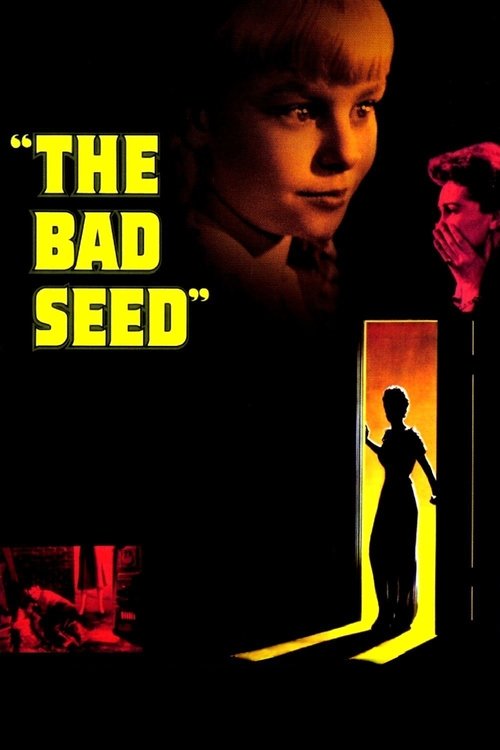
After finally speaking up, Nancy (and here Winslet resembles not only Dennis, but Eileen Heckart's Hortense Daigle in "The Bad Seed," another stagey, campy film) doesn't feel so well and promptly vomits all over Penelope's displayed art books.
Advertisement

CARNAGE 3 stars (out of 4) Stars: Jodie Foster, Kate Winslet, John C. Reilly, Christoph Waltz Rated: R for language How long: 1 hour 19 minutes Opens: Friday at Sundance For fans of: "My Dinner With Andre," "Crimes and Misdemeanors," PTO meetings that turn into shouting matches…
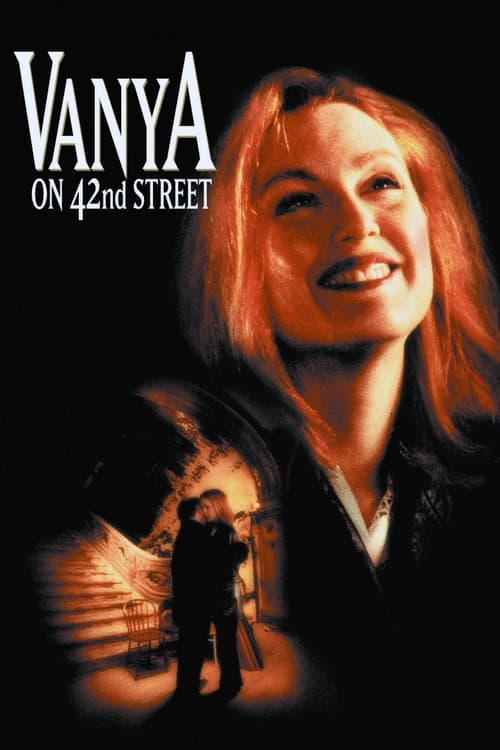
Like Robert Altman, or Louis Malle's Vanya on 42nd Street, Polanski retains the physical confines of the play but smashes through the proscenium, setting his camera loose inside the apartment.
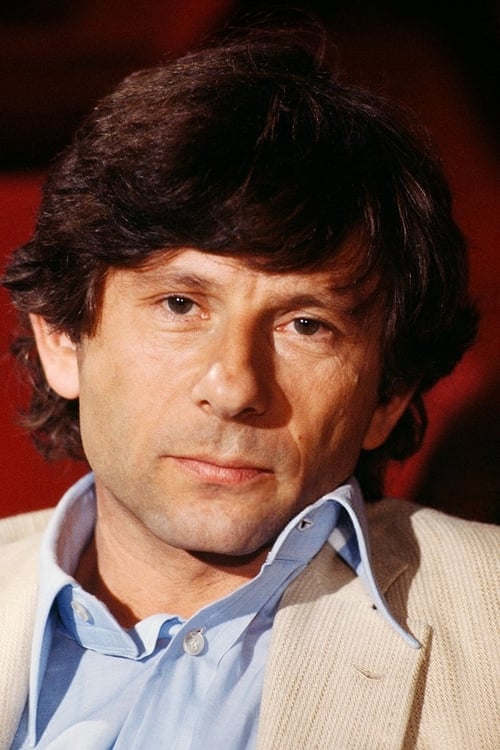
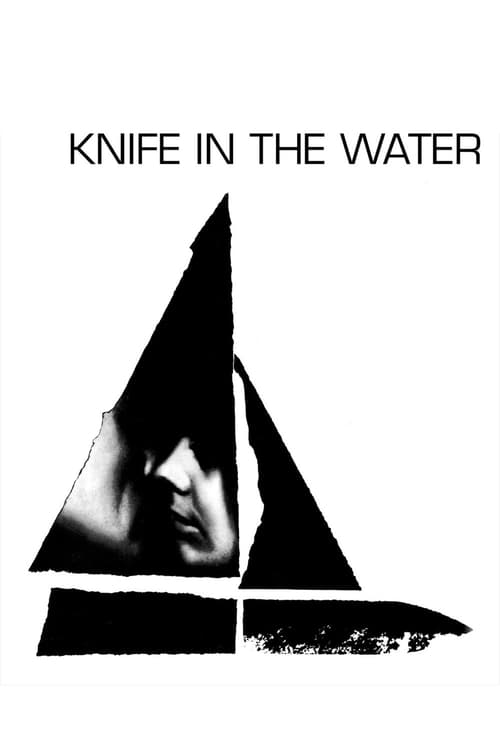
From Knife in the Water, to Repulsion, to The Tenant and The Pianist, he's a master of claustrophobic close encounters, and as such has a good time adapting Yasmin Reza's play, God of Carnage.
For that matter, the concept of characters held in some form of isolating prison runs through Polanski’s filmography from Knife in the Water (1962) through The Ghost Writer (2010).
As a director, I mean. In fact, his first feature, " Knife in the Water ," made in his sort-of native Poland in 1962, is set almost entirely on a pleasure boat owned by a quarrelling couple.
"Carnage," which won the Golden Lion for best film at the 2011 Venice Film Festival , has been talked about as a quintessential Polanski movie, perhaps because he has so often made films about sufferers in enclosed spaces (for example, "Knife in the Water," "Repulsion," "The Tenant," "Death and the Maiden," and " The Pianist ").
CHICAGO – Roman Polanski may not seem to be the first choice for a film about culture clashes in New York City but he has notable experience with dramas with only a few characters in a few locations (“Knife in the Water,” “Cul-de-sac,” “Death and the Maiden”).
He's attacked the single location problem before (in 1962's tense "Knife in the Water") and he handles the chronological aspect like a pro.
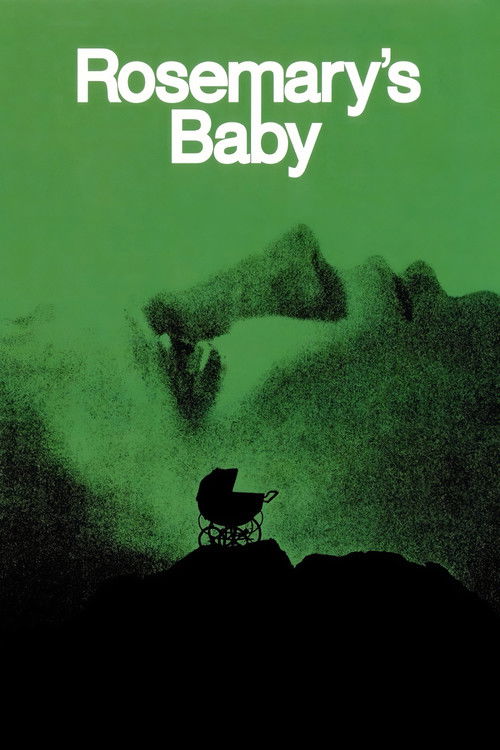
Polanski has always been a master of placement in the frame; even in 1968, in Rosemary's Baby , he understood how to place Mia Farrow slightly out of frame so that the audience felt the need to lean sideways to see more of her.
You don’t need to be Sigmund Freud, however, to deduce that the master stylist who made “Rosemary’s Baby” and “Chinatown” has unfinished business with America.
Even more expansively set Polanski pictures, like his hits " Rosemary's Baby " and " Chinatown ," contain sequences in which the walls seem to be closing in on the characters and even the viewers, and his film prior to this one, " The Ghost Writer ," got a lot of mileage out of cinematically manipulating the planes of the bleakly ultra-modernist beach house in which most of its action is set.
Like its Broadway progenitor, the smartly retitled "Carnage" unfolds in something close to real time in a Brooklyn apartment, and its single-set confinement recalls Polanski's similarly claustrophobic studies of urban alienation in "Repulsion," "Rosemary's Baby" and "The Tenant."
It's lighter fare than usual for the director of "Rosemary's Baby" and "The Pianist," but there's still depth to it, as the themes at work are universal.
I can't call "Carnage" a major work at all, though when you consider such past classics as "Rosemary's Baby," " Chinatown ," "Repulsion," "The Tenant," or even last year's terrific " The Ghost Writer ," even very minor Polanski can still be a mean and frosty treat.
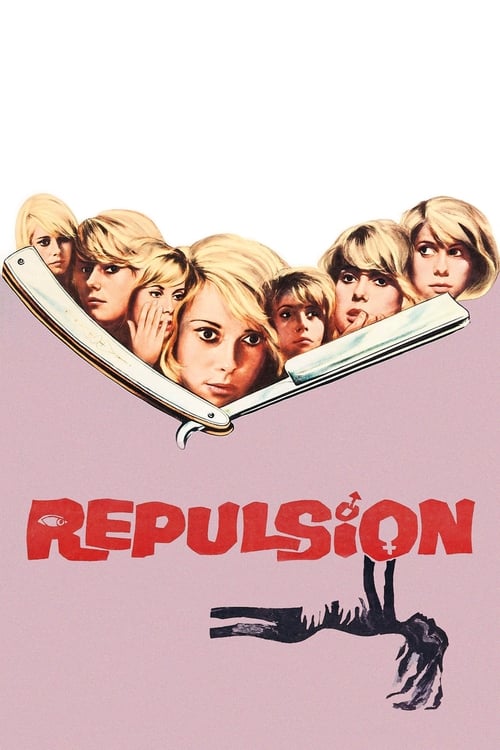
From Knife in the Water, to Repulsion, to The Tenant and The Pianist, he's a master of claustrophobic close encounters, and as such has a good time adapting Yasmin Reza's play, God of Carnage.
It sounds promising enough, especially in the hands of a director like Polanski whose filmography is chock-full of works featuring seemingly normal characters behaving very badly in close confines, including "Repulsion," "Cul-de-Sac," "The Tenant," "Bitter Moon" and "Death and the Maiden," to name but a few.
Similarly, his first English-language picture, 1966's " Repulsion ," largely sticks to the increasingly squalid London apartment where the film's heroine loses her mind.
Like its Broadway progenitor, the smartly retitled "Carnage" unfolds in something close to real time in a Brooklyn apartment, and its single-set confinement recalls Polanski's similarly claustrophobic studies of urban alienation in "Repulsion," "Rosemary's Baby" and "The Tenant."
"Carnage," which won the Golden Lion for best film at the 2011 Venice Film Festival , has been talked about as a quintessential Polanski movie, perhaps because he has so often made films about sufferers in enclosed spaces (for example, "Knife in the Water," "Repulsion," "The Tenant," "Death and the Maiden," and " The Pianist ").
I can't call "Carnage" a major work at all, though when you consider such past classics as "Rosemary's Baby," " Chinatown ," "Repulsion," "The Tenant," or even last year's terrific " The Ghost Writer ," even very minor Polanski can still be a mean and frosty treat.
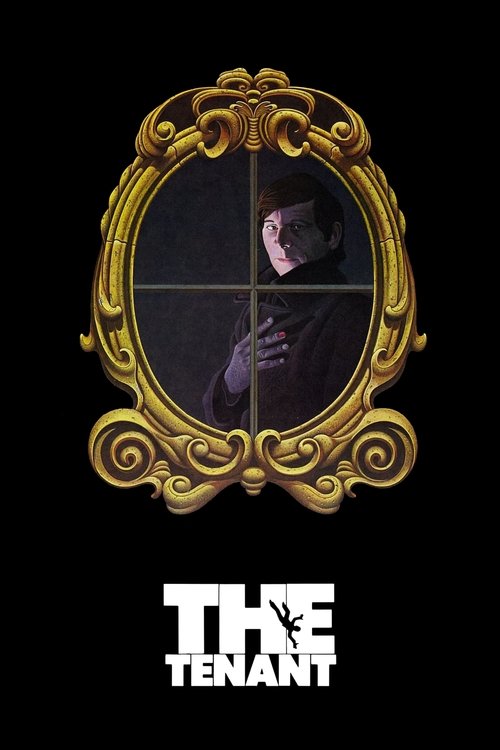
From Knife in the Water, to Repulsion, to The Tenant and The Pianist, he's a master of claustrophobic close encounters, and as such has a good time adapting Yasmin Reza's play, God of Carnage.
It sounds promising enough, especially in the hands of a director like Polanski whose filmography is chock-full of works featuring seemingly normal characters behaving very badly in close confines, including "Repulsion," "Cul-de-Sac," "The Tenant," "Bitter Moon" and "Death and the Maiden," to name but a few.
Like its Broadway progenitor, the smartly retitled "Carnage" unfolds in something close to real time in a Brooklyn apartment, and its single-set confinement recalls Polanski's similarly claustrophobic studies of urban alienation in "Repulsion," "Rosemary's Baby" and "The Tenant."
"Carnage," which won the Golden Lion for best film at the 2011 Venice Film Festival , has been talked about as a quintessential Polanski movie, perhaps because he has so often made films about sufferers in enclosed spaces (for example, "Knife in the Water," "Repulsion," "The Tenant," "Death and the Maiden," and " The Pianist ").
I can't call "Carnage" a major work at all, though when you consider such past classics as "Rosemary's Baby," " Chinatown ," "Repulsion," "The Tenant," or even last year's terrific " The Ghost Writer ," even very minor Polanski can still be a mean and frosty treat.
Polanski gives himself a very brief cameo in "Carnage," as a neighbor peering through his cracked hallway door at the nearby drama; he might be remembering similar apartment-building crackups in such previous Polanski productions as "Repulsion," "Rosemary's Baby" and "The Tenant."
Known as a filmmaker of icy, incisive temperament with such play-to-pic translations as "Macbeth" and "Death and the Maiden" under his belt, Polanski seemed an ideal fit for "God of Carnage," Reza's withering takedown of smug, middle-class values and the comforting notion, expressed by one character early on, that "we're all decent people."
However, even though Polanski would seem to be the perfect person to handle the film version--not only is the material right up his alley but he has also demonstrated a facility for bringing plays to the screen in projects like "Macbeth" and "Death and the Maiden"--he never figures out the right method of handling the story.

It sounds promising enough, especially in the hands of a director like Polanski whose filmography is chock-full of works featuring seemingly normal characters behaving very badly in close confines, including "Repulsion," "Cul-de-Sac," "The Tenant," "Bitter Moon" and "Death and the Maiden," to name but a few.
Polanski’s is “Cul-de-sac.”
CHICAGO – Roman Polanski may not seem to be the first choice for a film about culture clashes in New York City but he has notable experience with dramas with only a few characters in a few locations (“Knife in the Water,” “Cul-de-sac,” “Death and the Maiden”).
Look at his short films, like “Murder” and “Teeth Smile,” both made in 1957, or the subsequent trio of “Knife in the Water,” “Repulsion,” and “Cul-de-Sac,” all sweating with apprehension at new arrivals or existing threats.

From Knife in the Water and Repulsion to Death and the Maiden and The Pianist, entrapment in its various forms – social, political, psychological – recurs throughout Polanski’s canon.
Known as a filmmaker of icy, incisive temperament with such play-to-pic translations as "Macbeth" and "Death and the Maiden" under his belt, Polanski seemed an ideal fit for "God of Carnage," Reza's withering takedown of smug, middle-class values and the comforting notion, expressed by one character early on, that "we're all decent people."
CHICAGO – Roman Polanski may not seem to be the first choice for a film about culture clashes in New York City but he has notable experience with dramas with only a few characters in a few locations (“Knife in the Water,” “Cul-de-sac,” “Death and the Maiden”).
Unlike Polanski's underrated 1994 take on Ariel Dorfman's "Death and the Maiden," we never forget we're watching a film version of a world-renowned play, in this case adapted by playwright Reza and Polanski with the help of English translator Michael Katims.
Polanski has taken on similar projects in the past, notably (and less successfully) "Death and the Maiden," the three-character, one-set Ariel Dorfman play.
"Carnage," which won the Golden Lion for best film at the 2011 Venice Film Festival , has been talked about as a quintessential Polanski movie, perhaps because he has so often made films about sufferers in enclosed spaces (for example, "Knife in the Water," "Repulsion," "The Tenant," "Death and the Maiden," and " The Pianist ").
It's also nice to see the director dealing with a work that's primarily a comedy, which is something Polanski hasn't really tried since 1967's "The Fearless Vampire Killers" with Sharon Tate.
The self-exiled filmmaker hasn’t directed a comedy since 1967s “The Fearless Vampire Killers,” and boy does it show.
Cinematographer Pawel Edelman ("The Pianist," "The Ghost Writer") does what he can to open up the one apartment setting (the film's prologue and coda both take place in a long shot of Brooklyn Bridge Park) and the light streaming in adds life to the proceedings, however one shot indicates dusk where the next rolls back daylight.
From Knife in the Water, to Repulsion, to The Tenant and The Pianist, he's a master of claustrophobic close encounters, and as such has a good time adapting Yasmin Reza's play, God of Carnage.
"Carnage," which won the Golden Lion for best film at the 2011 Venice Film Festival , has been talked about as a quintessential Polanski movie, perhaps because he has so often made films about sufferers in enclosed spaces (for example, "Knife in the Water," "Repulsion," "The Tenant," "Death and the Maiden," and " The Pianist ").
It's lighter fare than usual for the director of "Rosemary's Baby" and "The Pianist," but there's still depth to it, as the themes at work are universal.
The director spent much of his childhood in the Krakow Ghetto in Nazi-occupied Poland (a subject he dealt with explicitly in 2002's "The Pianist," for which he earned an Oscar); the experience gave him an understandably dark opinion of humankind that was validated by the Manson Family murder of his pregnant wife, Sharon Tate.
From Knife in the Water and Repulsion to Death and the Maiden and The Pianist, entrapment in its various forms – social, political, psychological – recurs throughout Polanski’s canon.

Look at his short films, like “Murder” and “Teeth Smile,” both made in 1957, or the subsequent trio of “Knife in the Water,” “Repulsion,” and “Cul-de-Sac,” all sweating with apprehension at new arrivals or existing threats.

The spatial and psychological traps so familiar from his films (distilled in a 1958 short Two Men and a Wardrobe) can be read as a productive displacement of experiments on stage.
You don’t need to be Sigmund Freud, however, to deduce that the master stylist who made “Rosemary’s Baby” and “Chinatown” has unfinished business with America.
Even more expansively set Polanski pictures, like his hits " Rosemary's Baby " and " Chinatown ," contain sequences in which the walls seem to be closing in on the characters and even the viewers, and his film prior to this one, " The Ghost Writer ," got a lot of mileage out of cinematically manipulating the planes of the bleakly ultra-modernist beach house in which most of its action is set.
I can't call "Carnage" a major work at all, though when you consider such past classics as "Rosemary's Baby," " Chinatown ," "Repulsion," "The Tenant," or even last year's terrific " The Ghost Writer ," even very minor Polanski can still be a mean and frosty treat.
Few directors are more skilled than Polanski at peeling back niceties to reveal our feral instincts; just think of John Huston, chomping his fish in “Chinatown.”
Carnage comes from famed, Oscar-winning director Roman Polanski , who has brought us such memorable films as The Pianist and Chinatown.
This is hardly surprising, for back in 1973 Polanski directed what may be the most handsomely packaged narrative film of the modern era, Chinatown.

Make no mistake about it, "Carnage" is a dreadful movie through and through--it is arguably Polanski's worst feature to date and this is coming from someone who is such an admirer of his work that I have been known to have kind things to say about his infamous seafaring epic "Pirates"--but more than that, it is a dispiriting film that will have audiences sagging in their seats while watching it and staggering out of the theater afterwards in a state of depressed disappointment after enduring its near-total waste of time and talent.

It sounds promising enough, especially in the hands of a director like Polanski whose filmography is chock-full of works featuring seemingly normal characters behaving very badly in close confines, including "Repulsion," "Cul-de-Sac," "The Tenant," "Bitter Moon" and "Death and the Maiden," to name but a few.
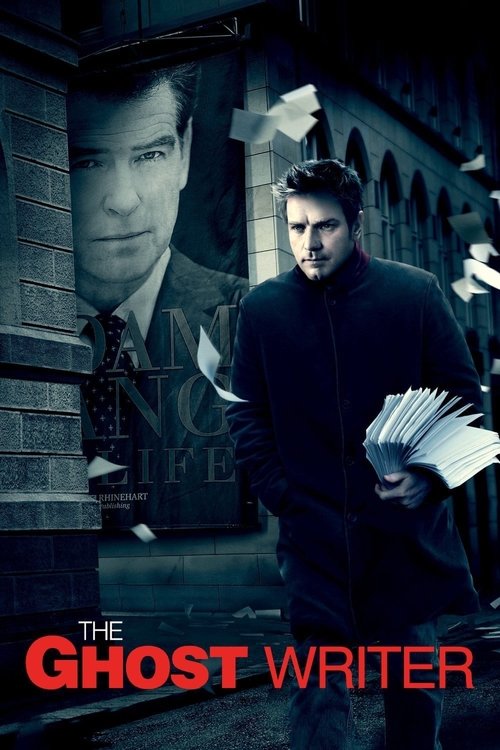
The four cast members?Jodie Foster (2011's " The Beaver "), Kate Winslet (2011's " Contagion "), John C. Reilly (2011's " We Need to Talk About Kevin "), and Christoph Waltz (2011's " Water for Elephants ")?are phenomenal in practically everything, no question about that, and director Roman Polanski is coming off 2010's " The Ghost Writer ," a top-notch thriller that became one of his biggest recent successes.
What an odd project for Roman Polanski to choose after his elegant 2010 political thriller The Ghost Writer .
Even more expansively set Polanski pictures, like his hits " Rosemary's Baby " and " Chinatown ," contain sequences in which the walls seem to be closing in on the characters and even the viewers, and his film prior to this one, " The Ghost Writer ," got a lot of mileage out of cinematically manipulating the planes of the bleakly ultra-modernist beach house in which most of its action is set.
Roman Polanski has often been at his best in close quarters -- the small yacht of Knife in the Water, the Warsaw ghetto of The Pianist, the house in The Ghost Writer, the apartments in Repulsion, Rosemary's Baby and The Tenant -- so it should be no surprise that he's right at home examining the venality of the human condition in the living room of the Brooklyn apartment that serves as the setting for Carnage.
It's hysterical in the best sense of the word, but it's also cunning, powerful, and brilliant (even if it's not quite as thrilling as last year's The Ghost Writer ).
Polanski’s last film, released shortly after his Swiss arrest, was “The Ghost Writer,” a clever, twisty thriller that used the North Sea coast of Germany (somewhat implausibly) to stand in for its Martha’s Vineyard setting.
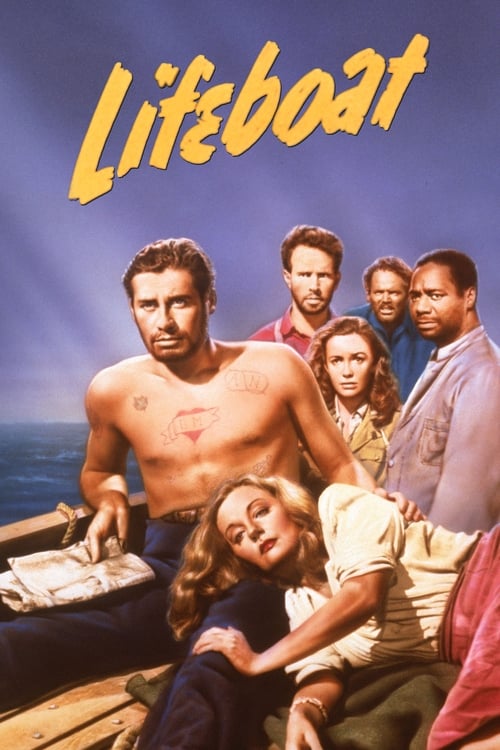
Such dynamics were big in the golden age under the watchful eye of Alfred Hitchcock (whose own “ Lifeboat ” and “ Rope ” were founded on that principal), and eventually it produced two of the best films of the 60s: “12 Angry Men,” about a jury arguing over the fate of a young man accused of murder, and “Whose Afraid of Virginia Wolf?”, where Elizabeth Taylor and Richard Burton exchange painful but pointed witticisms in order to undermine already-unstable psyches.
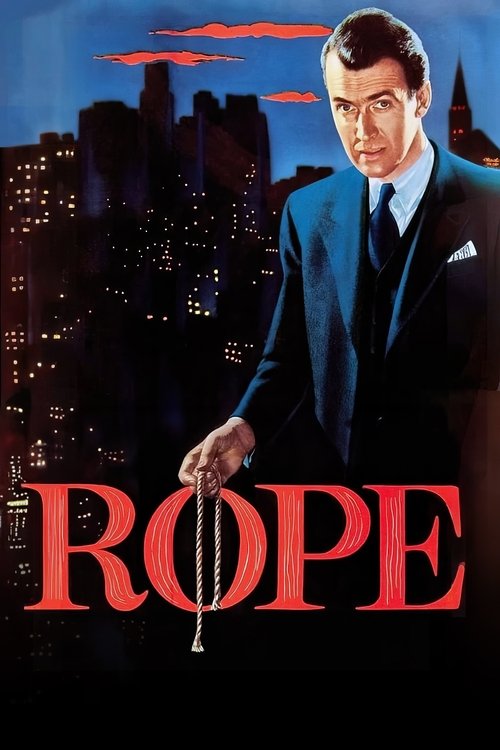
Although he keeps it on one-set, in real time, like Hitchcock’s “Rope,” Polanski won’t be bound by the single-take technique; he mixes up angles, changes focus to emphasize characters.
Such dynamics were big in the golden age under the watchful eye of Alfred Hitchcock (whose own “ Lifeboat ” and “ Rope ” were founded on that principal), and eventually it produced two of the best films of the 60s: “12 Angry Men,” about a jury arguing over the fate of a young man accused of murder, and “Whose Afraid of Virginia Wolf?”, where Elizabeth Taylor and Richard Burton exchange painful but pointed witticisms in order to undermine already-unstable psyches.
Like in Hitchcock’s Rope.
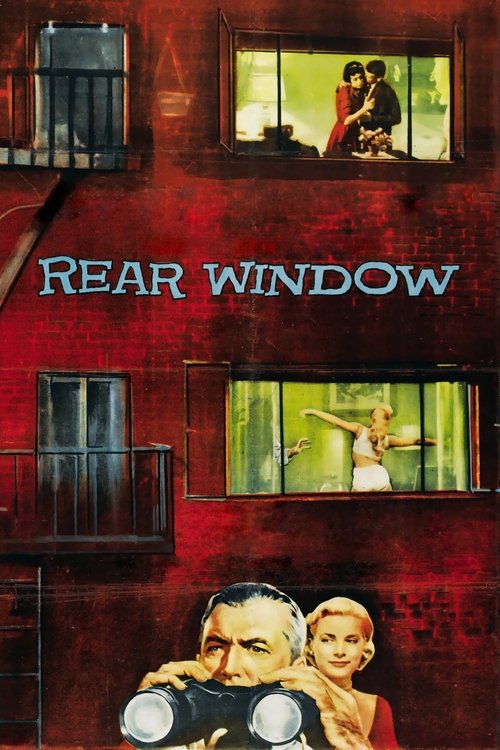
Since "Carnage" consists entirely of four kind of unpleasant people bickering uncomfortably for a bit less than 80 minutes in an urban apartment, the world's most controversial director has given himself a challenge that once again recalls to his career-long affinity with Alfred Hitchcock and movies like " Rear Window ."
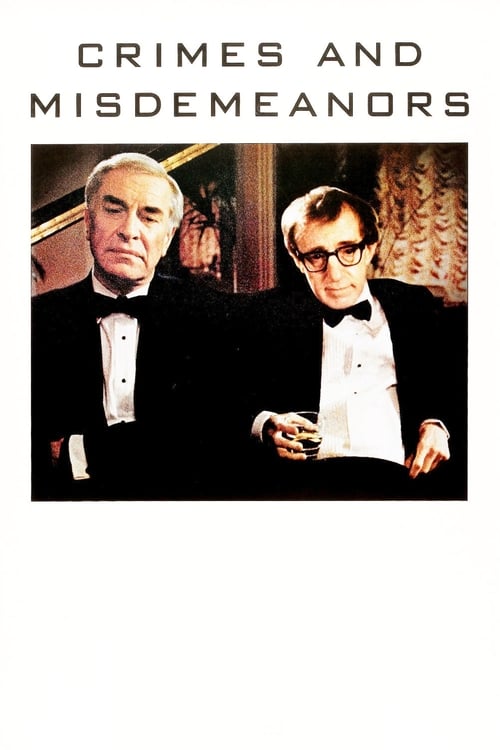
CARNAGE 3 stars (out of 4) Stars: Jodie Foster, Kate Winslet, John C. Reilly, Christoph Waltz Rated: R for language How long: 1 hour 19 minutes Opens: Friday at Sundance For fans of: "My Dinner With Andre," "Crimes and Misdemeanors," PTO meetings that turn into shouting matches…
Advertisement
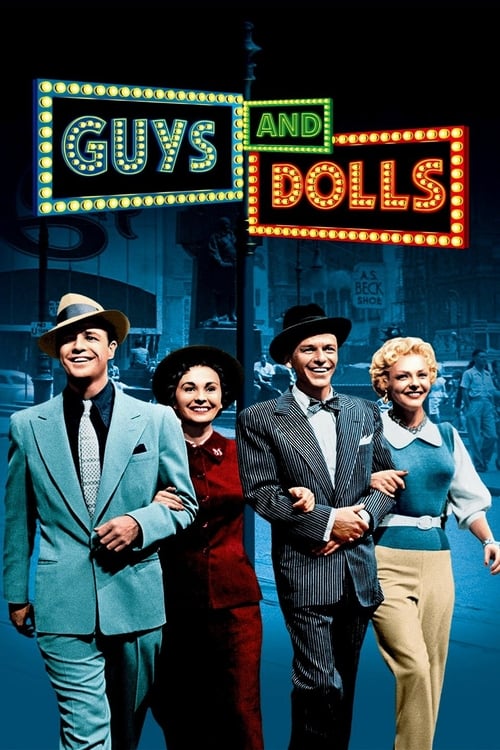
Nancy and Alan's term of endearment, "Doodles", comes from a song in Guys and Dolls.
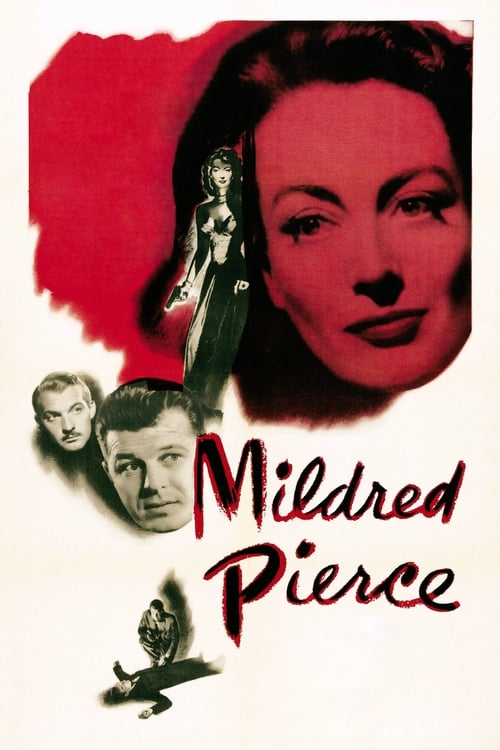
Winslet returns to the repressed frustration that won her acclaim in "Mildred Pierce."