

Death and the Maiden (1994)
Directed by Roman Polanski
A political activist is convinced that her guest is a man who once tortured her for the government.
7 connections found
View:
7 connections, in both directions
What critics compared Death and the Maiden to
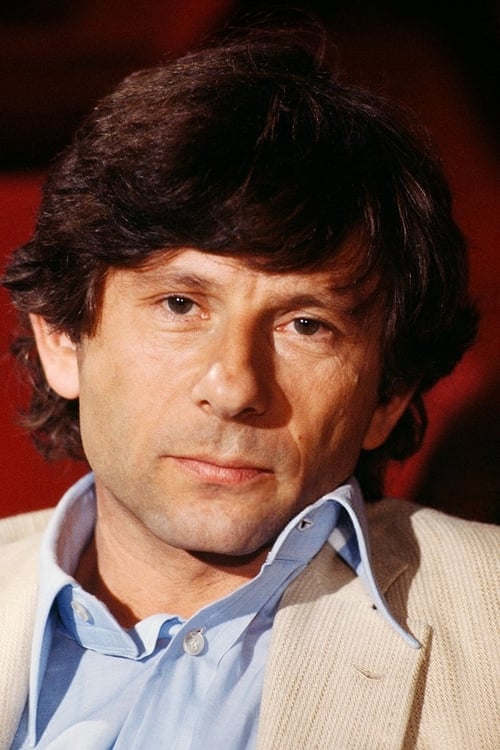



Its emphasis on a central setting is cinematic and atmospheric, rather than the theatrical pressure-cooker rationale of Death and the Maiden; indeed, the new film harkens back to that other island movie, Cul-de-sac (in contention with Chinatown as the director’s masterpiece).

From Knife in the Water and Repulsion to Death and the Maiden and The Pianist, entrapment in its various forms – social, political, psychological – recurs throughout Polanski’s canon.
Known as a filmmaker of icy, incisive temperament with such play-to-pic translations as "Macbeth" and "Death and the Maiden" under his belt, Polanski seemed an ideal fit for "God of Carnage," Reza's withering takedown of smug, middle-class values and the comforting notion, expressed by one character early on, that "we're all decent people."
CHICAGO – Roman Polanski may not seem to be the first choice for a film about culture clashes in New York City but he has notable experience with dramas with only a few characters in a few locations (“Knife in the Water,” “Cul-de-sac,” “Death and the Maiden”).
Unlike Polanski's underrated 1994 take on Ariel Dorfman's "Death and the Maiden," we never forget we're watching a film version of a world-renowned play, in this case adapted by playwright Reza and Polanski with the help of English translator Michael Katims.
Polanski has taken on similar projects in the past, notably (and less successfully) "Death and the Maiden," the three-character, one-set Ariel Dorfman play.
"Carnage," which won the Golden Lion for best film at the 2011 Venice Film Festival , has been talked about as a quintessential Polanski movie, perhaps because he has so often made films about sufferers in enclosed spaces (for example, "Knife in the Water," "Repulsion," "The Tenant," "Death and the Maiden," and " The Pianist ").
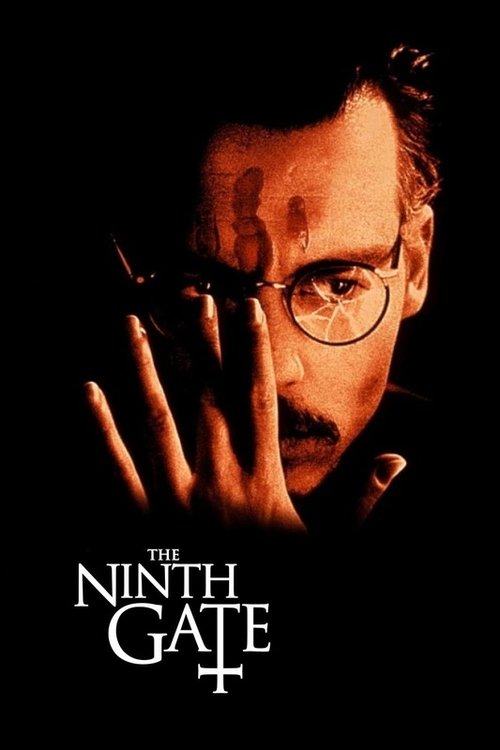
As Polanski's first movie since 1994's Death And the Maiden , the auteur has a lot to make up for in lost time.
The Ninth Gate is the first film from legendary director Roman Polanski since his double-whammy in 1994, Bitter Moon and Death and the Maiden.
After the modest Bitter Moon and Death and the Maiden , Polanski has made an expensive-looking, voluptuous movie that revels in its decadent atmosphere.
This, his first film since his 1994's Death and the Maiden, is a visually stunning mystery chiller about the supernatural that is a good example of old-fashioned storytelling.
His last film, 1994's "Death and the Maiden," left the ending completely open and refused to supply any easy answers to the difficult questions its narrative constructed.
Exiled filmmaker Roman Polanski (Rosemarys Baby), that denizen of family values, directs the satanic suspense-thriller The Ninth Gate, his first film since 1994s Death and the Maiden with Sigourney Weaver.

The cheaply constructed catharsis born from masculine perspectives and their attempts to navigate a woman’s emotional experiences in response to rape and sexual assault ranges from well intentioned exploitation such as I Spit on Your Grave (aka Day of the Woman) or any number of high-profile dramatic representations in morbid, if effective melodramas ( The Accused ; Death and the Maiden , Elle , etc.).

Where Cloverfield careened about all over the place, the frame as restless as its panic-struck characters, 10 Cloverfield Lane is a tightly and at times terrifically controlled mystery chamber piece: Death and the Maiden meets The Twilight Zone .
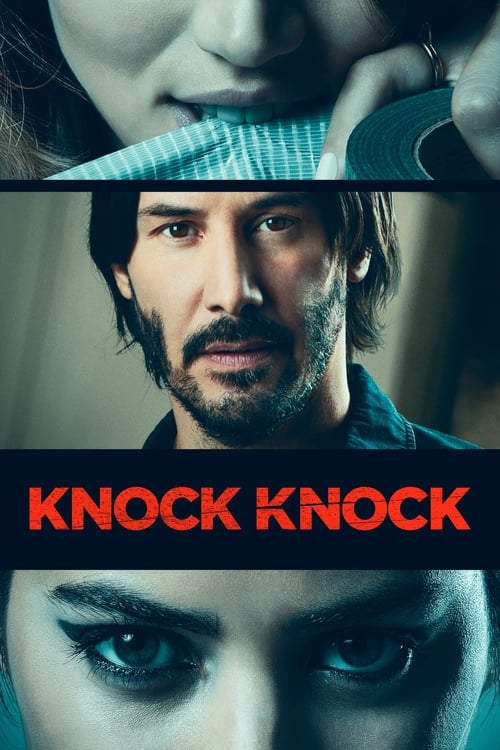
You can probably imagine the general direction of Knock Knock’s story going in, particularly if you’ve ever seen Play Misty for Me or the aforementioned Fatal Attraction (or Polanski’s Death and the Maiden, for that matter).
Advertisement

Their work has now been adapted for the big screen by scribes Terry Hayes ("Dead Calm," "The Road Warrior") and Rafael Yglesias ("Fearless," "Death and the Maiden") for this week's film of the same name.