
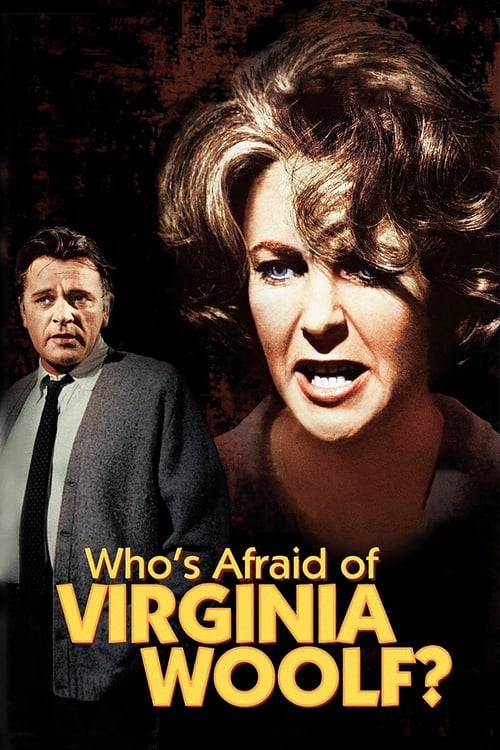
Who's Afraid of Virginia Woolf? (1966)
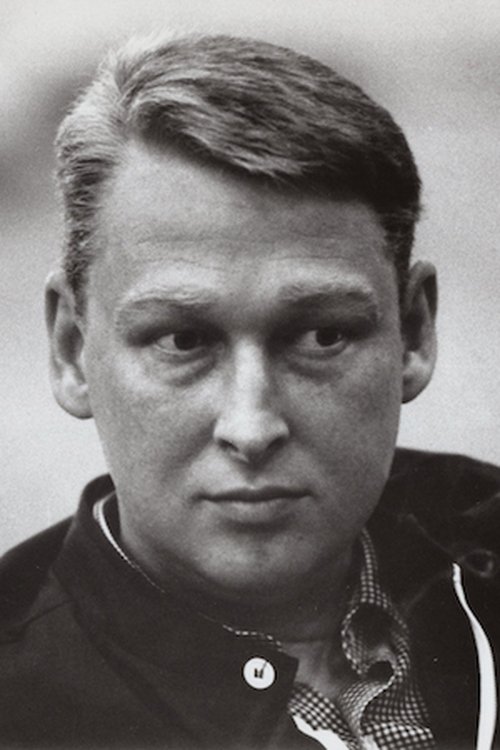
Directed by Mike Nichols
A history professor and his wife entertain a young couple who are new to the university's faculty. As the drinks flow, secrets come to light, and the middle-aged couple unload onto their guests the full force of the bitterness, dysfunction, and animosity that defines their marriage.
25 connections found
View:
25 connections, in both directions
What critics compared Who's Afraid of Virginia Woolf? to
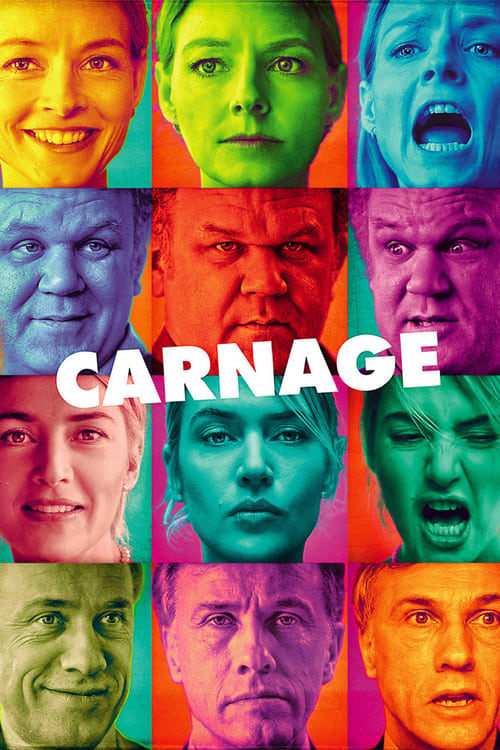


Cowriter (with 'God of Carnage' playwright Yasmina Reza)/director Roman Polanski brings the much ballyhooed European and Broadway play to the screen in a stagebound adaptation with a terrific cast who try their best to sell contrived material obviously indebted to "Who's Afraid of Virginia Woolf?"
There are far too few reasons for the four to stay in that apartment, and, worse, the final act lacks the killing blow of “Who’s Afraid of Virginia Woolf?,’’ a work whose DNA is inextricably wound around Reza’s dramatic structure.
Alan’s cellphone, along with Penny Longstreet’s beloved art books, are among the totems destroyed by the god of carnage in this tightly structured comedy of manners, which is roughly one part “Who’s Afraid of Virginia Woolf?” and one part Luis Buñuel’s “Exterminating Angel.”
Anxious to offset her husband's rudeness, Nancy does herself no favors by overdosing on warm beverages, and before anyone can say "Who's Afraid of Virginia Woolf?," Michael breaks out the scotch, momentarily relieving the tension and lubricating them all for the next round.
Though it's not on the same lofty level, Polanski positions his two-couples-in-a-room tale as a descendant of Mike Nichols' "Who's Afraid of Virginia Woolf?"
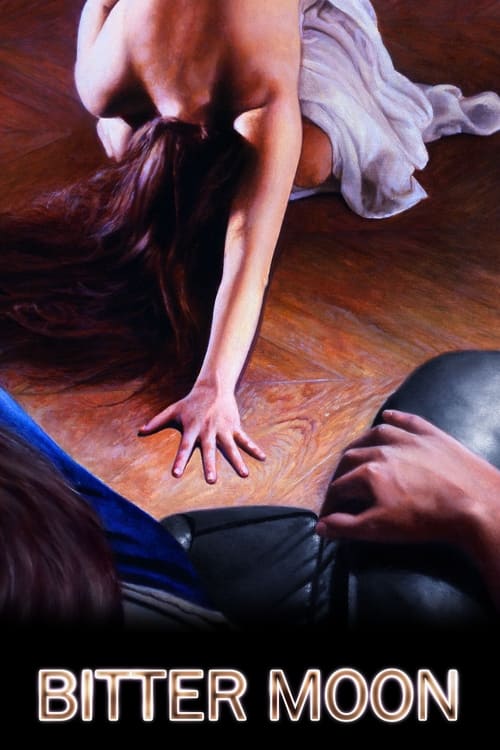
A sort of seagoing "Who's Afraid of Virginia Woolf?," it's about the romantic Sturm und Drang that rages among cruise passengers Hugh Grant, Peter Coyote, Emmanuelle Seigner and Kristin Scott-Thomas.
Roman Polanski's seagoing ironical black comedy melodrama evokes memories of the landlocked but similarly corrosive Michael Nichol's 1966 "Who's Afraid of Virginia Woolf?."

Their early encounters ought to suggest so; she and Juan Carlos possess all the spit and vigor of some of the more legendary movie relationships (some of the dialogue mirrors the tone of “Who’s Afraid of Virginia Woolf?”), and Maria is hardly quiet about her initial disdain for this strange new woman in her former husband’s life.
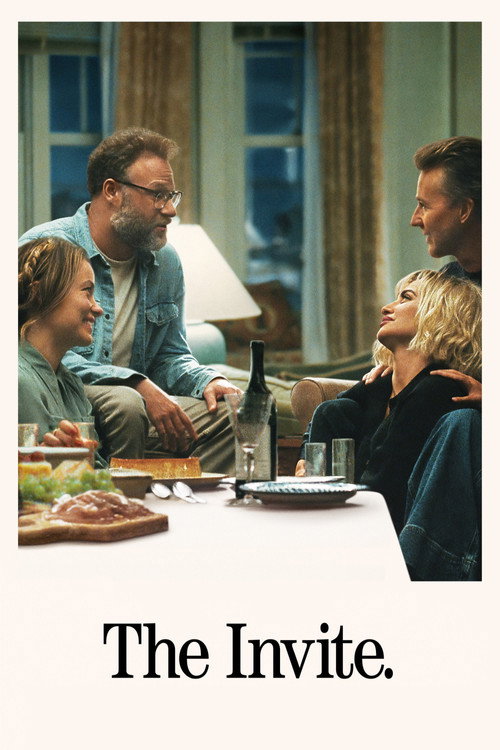
They’re bickering, “Who’s Afraid of Virginia Wolfe?” style, as sexologist Pina (Penélope Cruz) and sensitive former fire fighter Hawk (Edward Norton) arrive.
…the result is a four-person comedy of manners, like “Who’s Afraid of Virginia Woolf?” played for uncomfortable laughs.
If in something like Who’s Afraid of Virginia Woolf the characters’ inadequacies and resentments fuel their increasingly erratic behavior, here these people feel like grab bags of punchlines…
…spiritually linked to other uncomfortable dinner party films, from Who's Afraid of Virginia Woolf? (dir. Mike Nichols, 1966)…
The Invite will be known as Olivia Wilde’s Who’s Afraid of Virginia Woolf? and this is not only fair, but an obvious influence.
Like "Who's Afraid of Virginia Woolf?," "The Invite" traps its characters inside a domestic battlefield where conversation becomes psychological warfare.
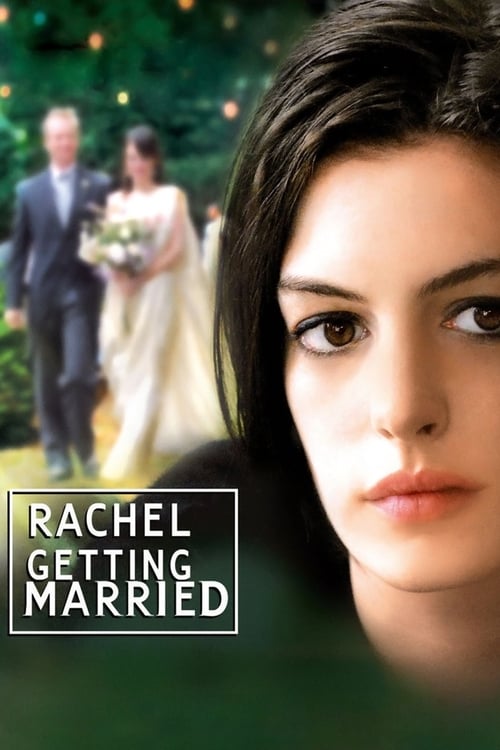
Rachel is about a wedding in the same sense that Who's Afraid of Virginia Woolf? is about a dinner party.
Advertisement
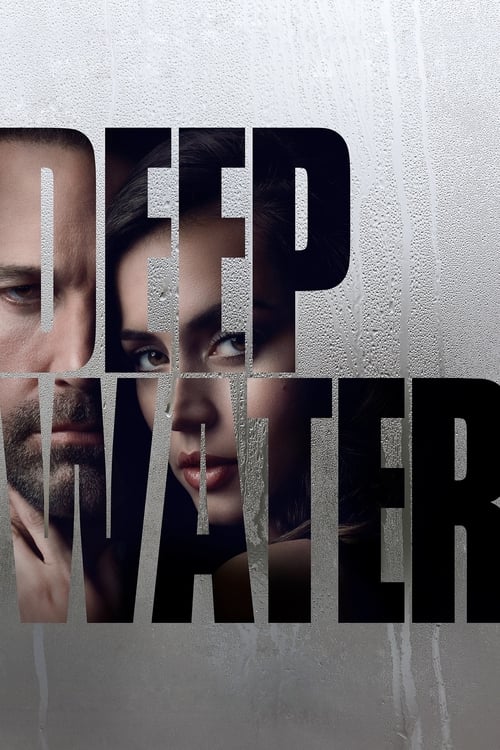
Though based on a Patricia Highsmith novel, and directed by the man who gave us Fatal Attraction and 9 ½ Weeks , Deep Water plays like a sexy, macabre Who’s Afraid of Virginia Woolf? , an intense dialogue between an unhappily married couple that’s occasionally disrupted by outsiders.
It’s hardly Eyes Wide Shut or Who’s Afraid of Virginia Woolf? but the central dynamic makes sense.
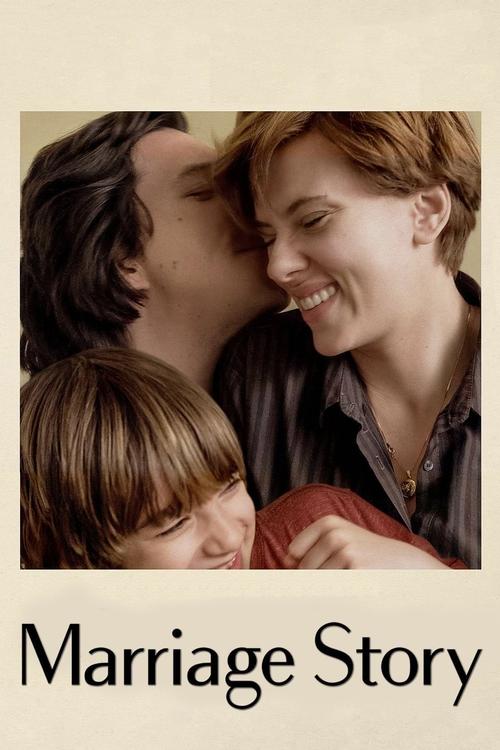
If anything, the film is closer to Mike Nichols’ relationship dramas like Who’s Afraid of Virginia Woolf? and Closer .
From that moment onward, Baumbach charts their journey from somewhat vague dissatisfaction with each other to spiteful aggravation to a destructive, white-hot anger that would make Richard Burton and Liz Taylor in “Who’s Afraid of Virginia Woolf?” say, “Hey, bring it down a notch or three.”
Jeff Daniels and Laura Linney were explosive together, at times approaching the blistering black humor of the mommy and daddy of all unhappy marriage movies, “Who’s Afraid of Virginia Woolf?”
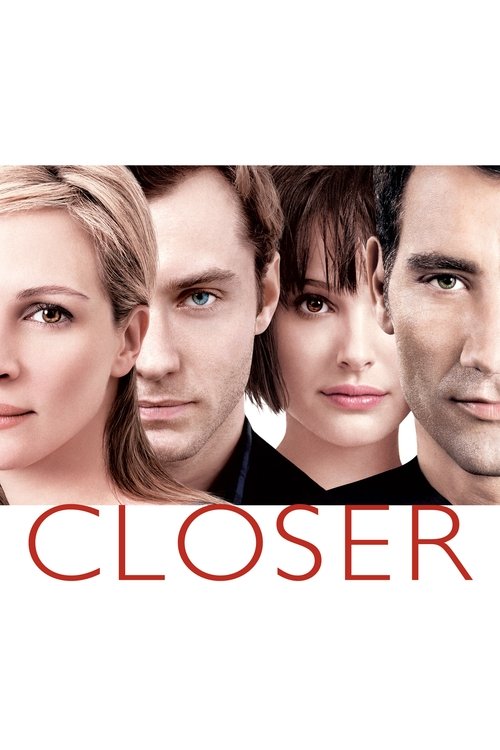
The picture loosened the old form of film censorship's hold on the motion picture industry (to pave the way for new censorship, natch), but its most enduring legacy could be the popularization of the cinematographer-as-voyeur. Of Albee's direct lineage, Patrick Marber's ( Closer , Notes on a Scandal) scripts come closest to recreating the tableau morte of Virginia Woolf?, but looking at the way that both of Marber's pictures flag in the third act while most crucially failing to un-flesh the sympathetic humanity in his icy necropsies highlights the brilliance of Nichols' (an acclaimed theatre vet making his debut here, with his next stop The Graduate), merciless dissection of the intellectual's disease of ennui and gamesmanship.
Nichols has traversed this territory before, in his film of Edward Albee's "Who's Afraid of Virginia Woolf?" and in his coolly savage "Carnal Knowledge."
But what better director than Nichols -- the man who brought us "Carnal Knowledge" and "Who's Afraid of Virginia Woolf?" -- to explore the dark recesses of the human heart?
Nichols, who's been exploring the dark divide between men and women (and love and sex) since "Who's Afraid of Virginia Woolf?" and "Carnal Knowledge," does near-miraculous work here.
Nichols once electrified and frequently upset the movie-going world with works like Who's Afraid of Virginia Woolf?, The Graduate, Carnal Knowledge and Catch-22.
Director Mike Nichols is, of course, no stranger to this sort of thing, having explored similar territory in 1966 with Who's Afraid of Virginia Woolf?
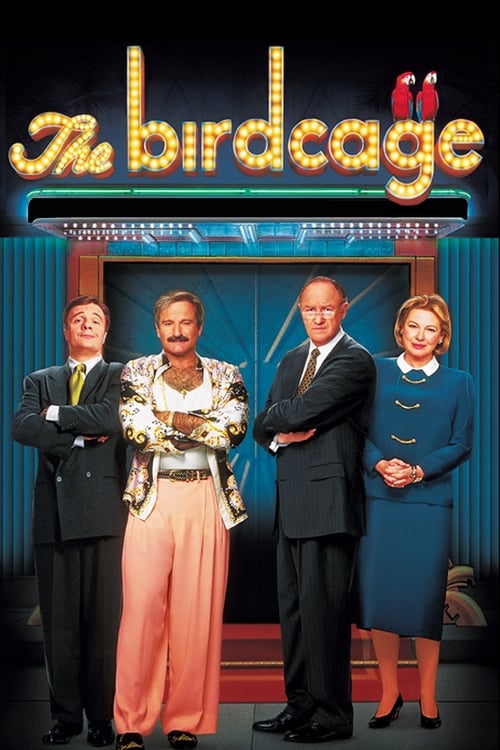
I've loved many Nichols movies, including "The Graduate," "Heartburn," "Who's Afraid of Virginia Woolf?," "Silkwood" and "Working Girl," but he's had his share of misfires, among them "The Fortune" and "Catch-22."
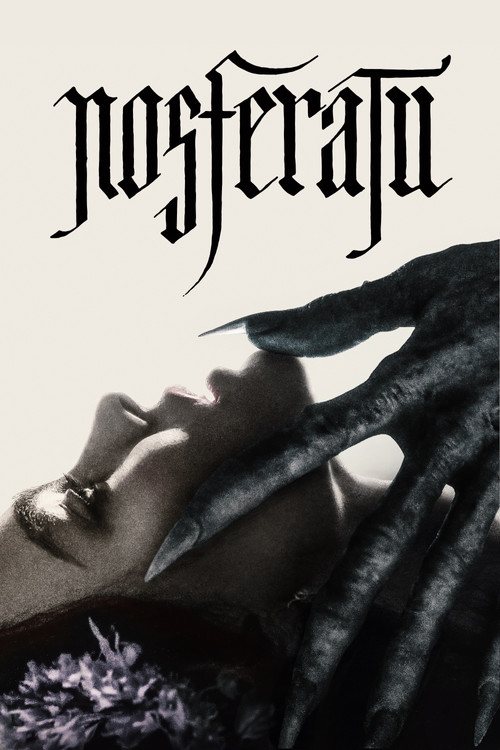
…the pair locked together in a hopeless journey toward destruction like they’re in a supernatural version of Who’s Afraid of Virginia Woolf?
Advertisement
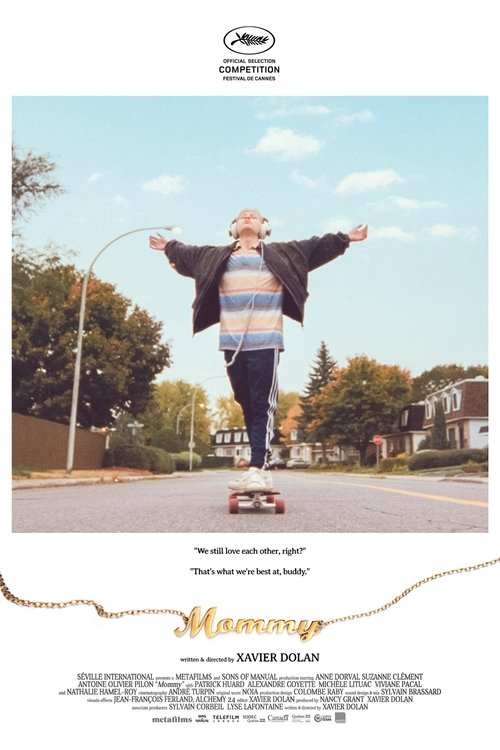
Their verbal battles — in a raw Quebec patois that necessitated showing this French-language film with French subtitles — would singe the ears of the bickering couple in Who's Afraid of Virginia Woolf?
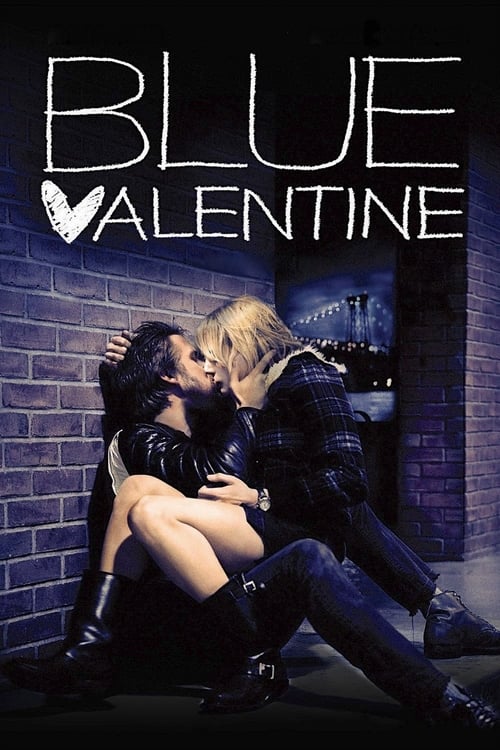
Director Derek Cianfrance has crafted a modern-day "Who's Afraid of Virginia Woolf?"