
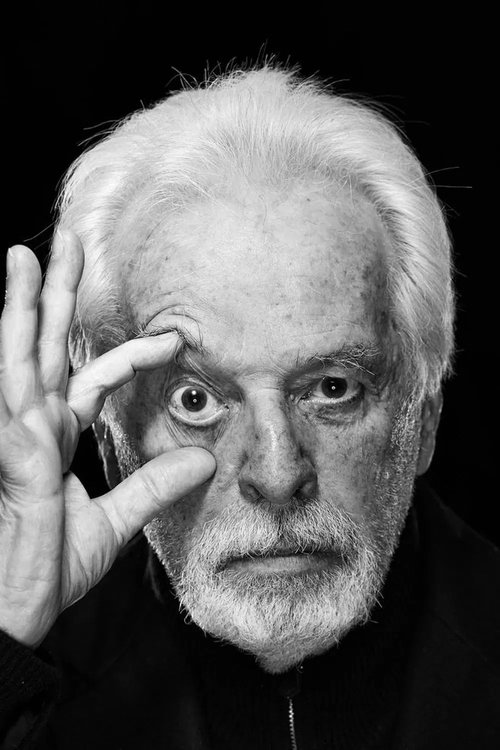
Alejandro Jodorowsky
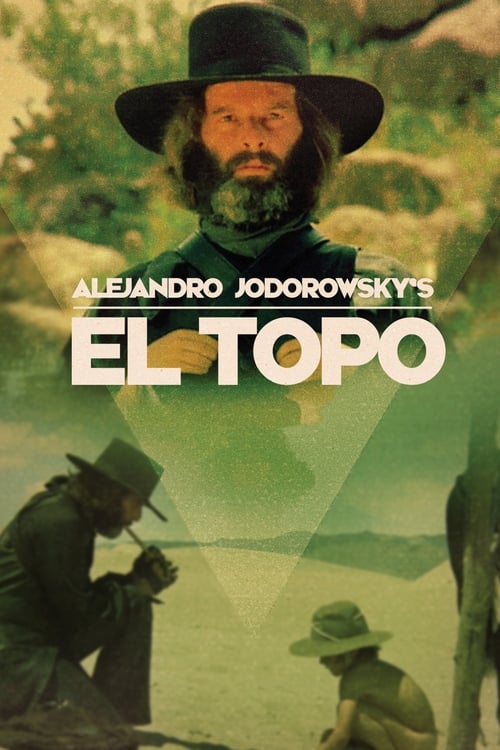
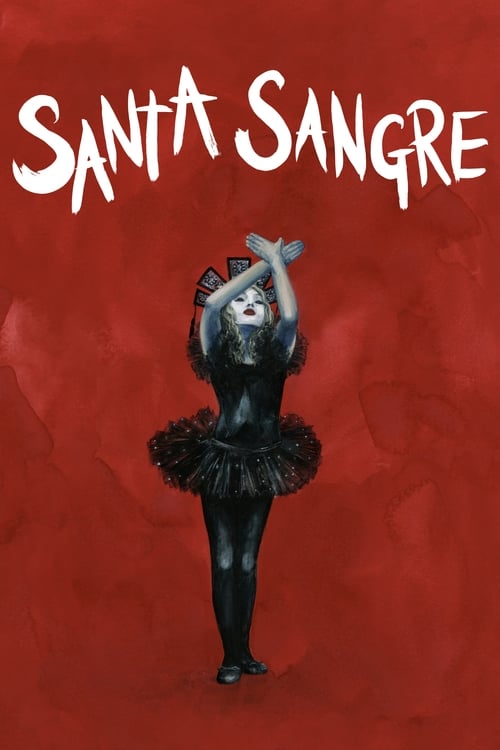
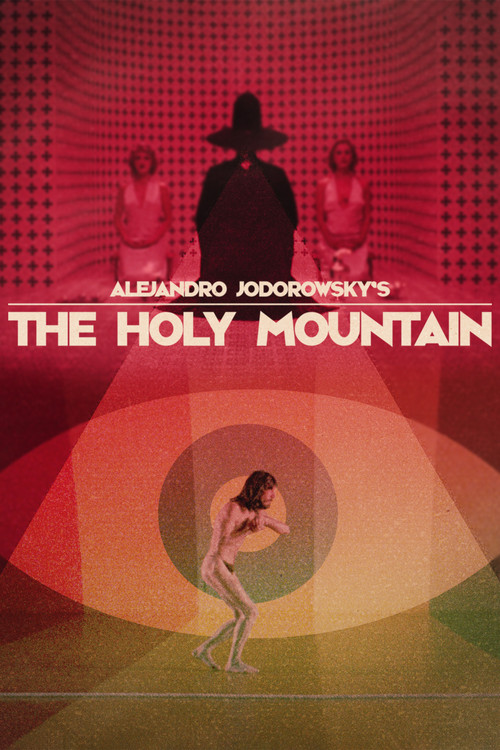
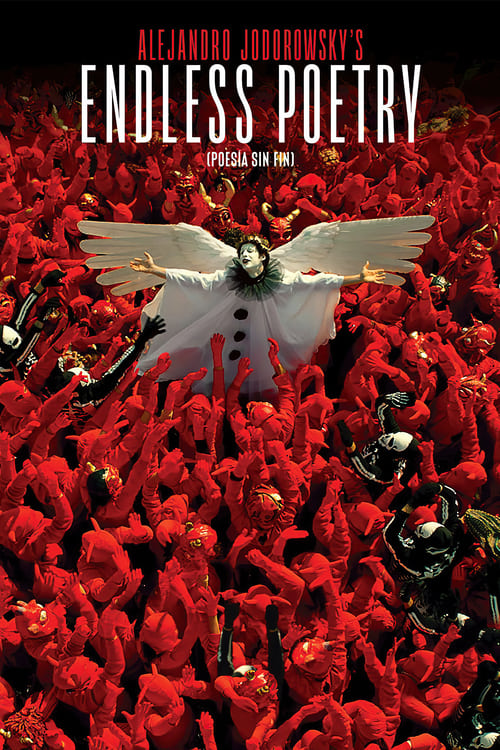

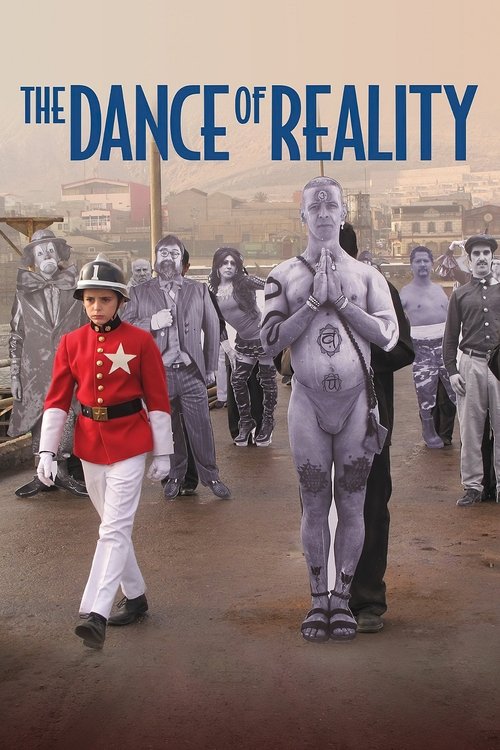

Connections, in both directions
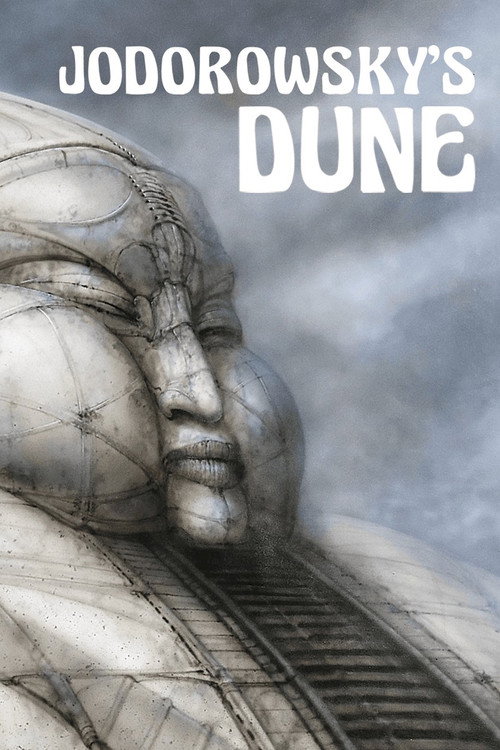
Jodorowsky's Dune (2013)
Directed by Frank Pavich
influenced by Santa Sangre (1989), The Holy Mountain (1973), Fando and Lis (1972), El Topo (1970)


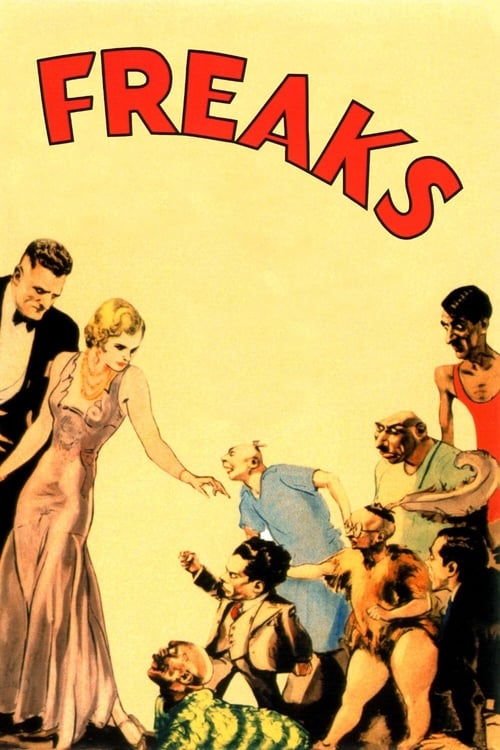
Freaks (1932)
Directed by Tod Browning
influenced The Holy Mountain (1973), Santa Sangre (1989)
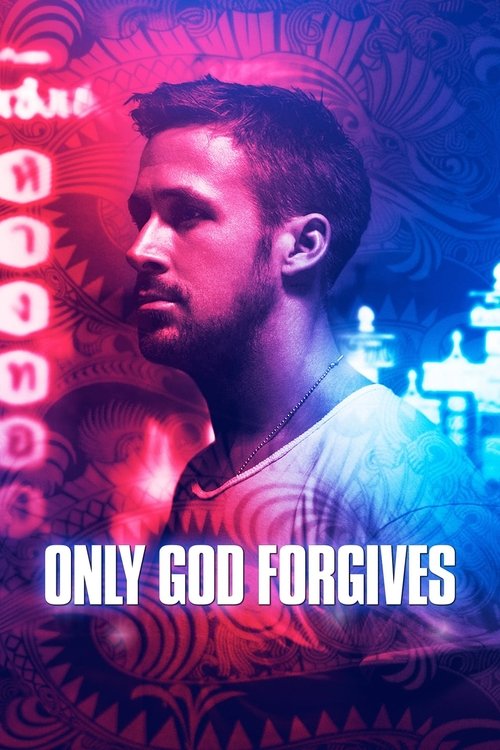
Only God Forgives (2013)
Directed by Nicolas Winding Refn
influenced by El Topo (1970), Santa Sangre (1989), The Holy Mountain (1973)
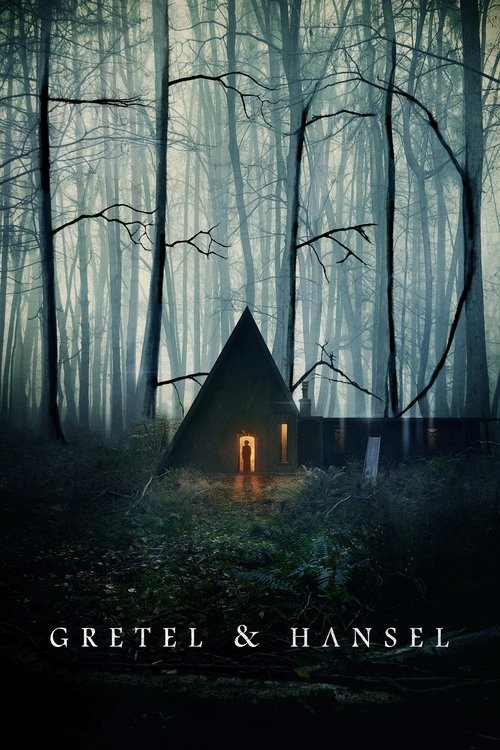
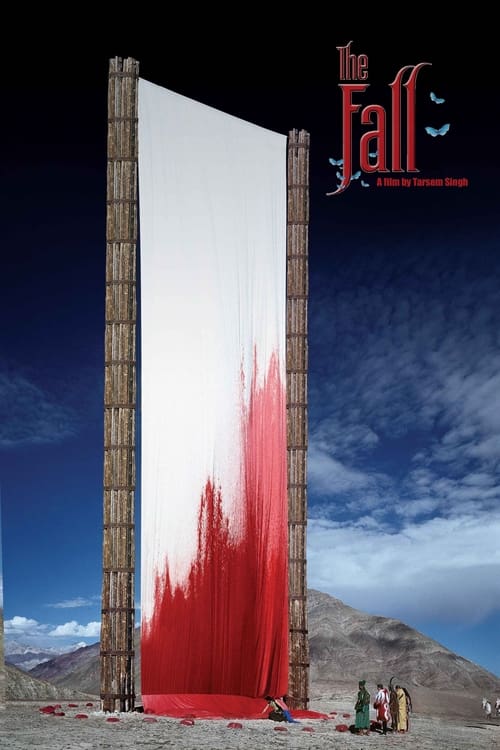
The Fall (2006)
Directed by Tarsem Singh
influenced by El Topo (1970), The Holy Mountain (1973), Fando and Lis (1972)
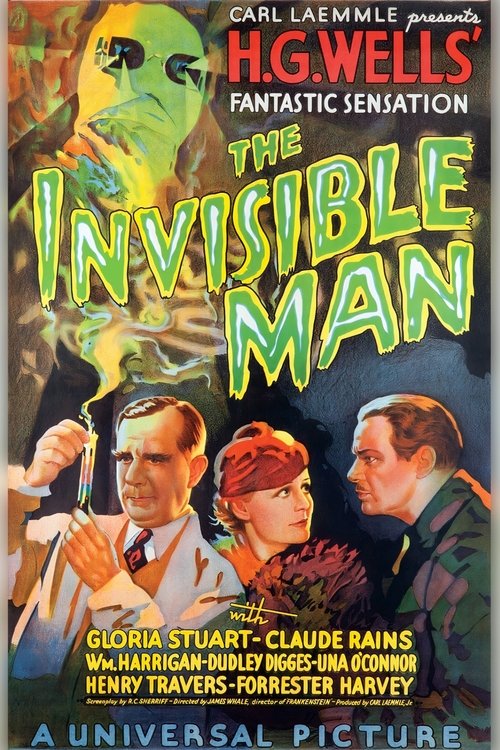

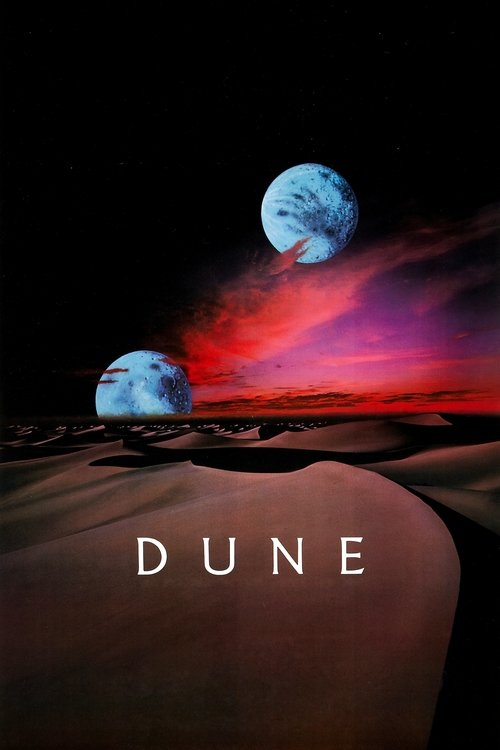
Dune (1984)
Directed by David Lynch
influenced Endless Poetry (2016), El Topo (1970), The Holy Mountain (1973)
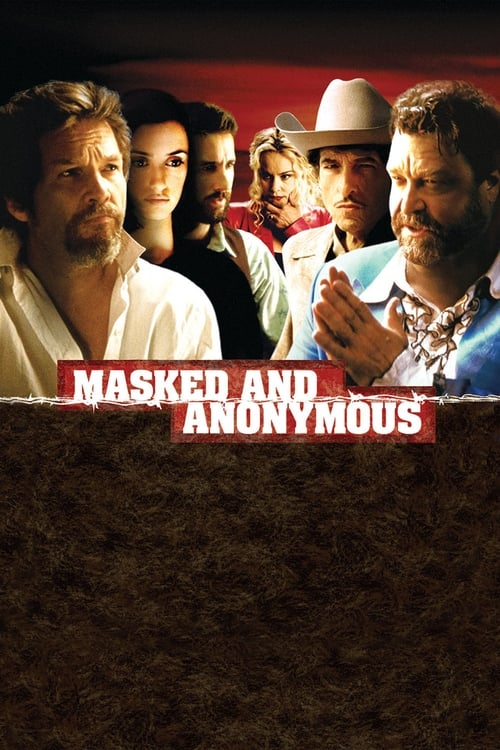
Masked and Anonymous (2003)
Directed by Larry Charles
influenced by El Topo (1970), The Holy Mountain (1973)

Drive (2011)
Directed by Nicolas Winding Refn
influenced by El Topo (1970), Santa Sangre (1989)
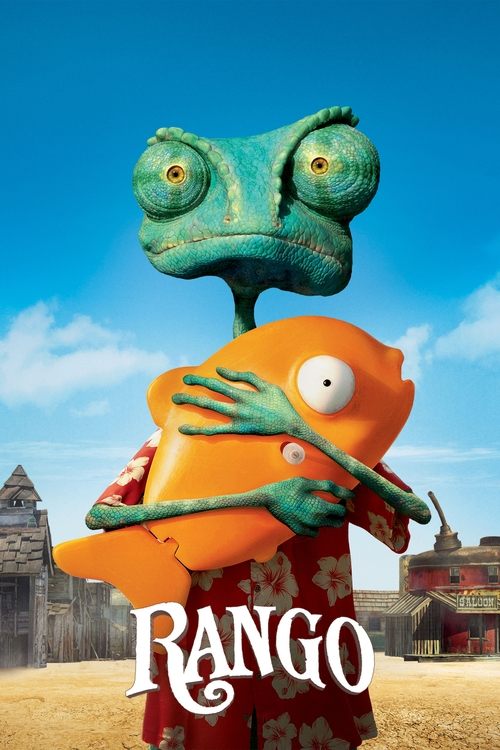
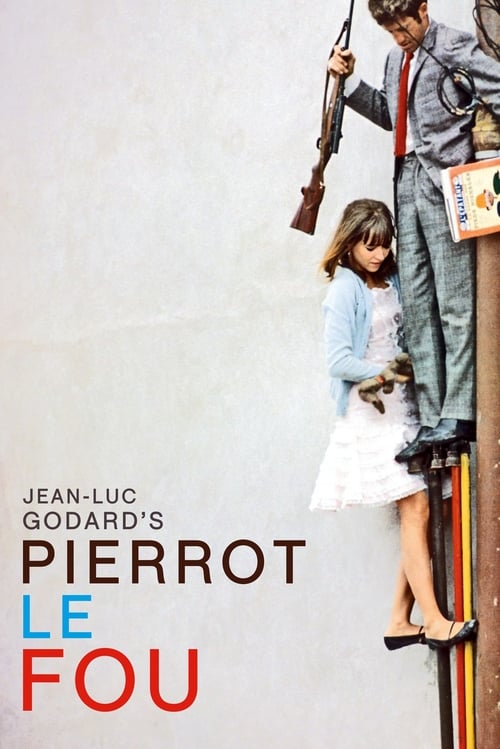
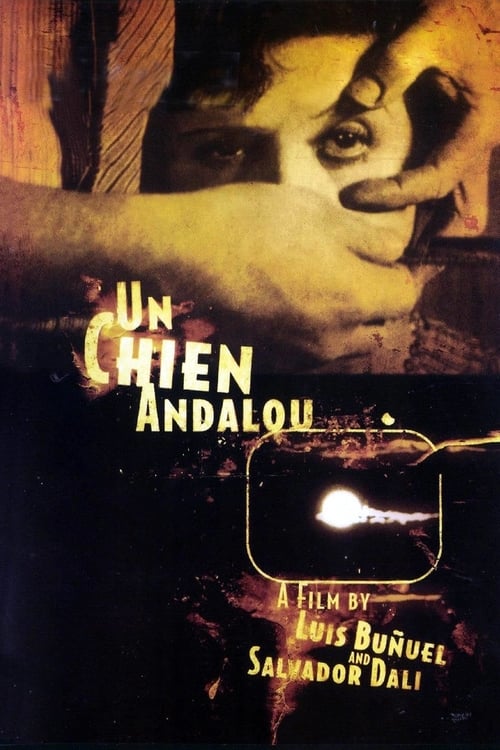
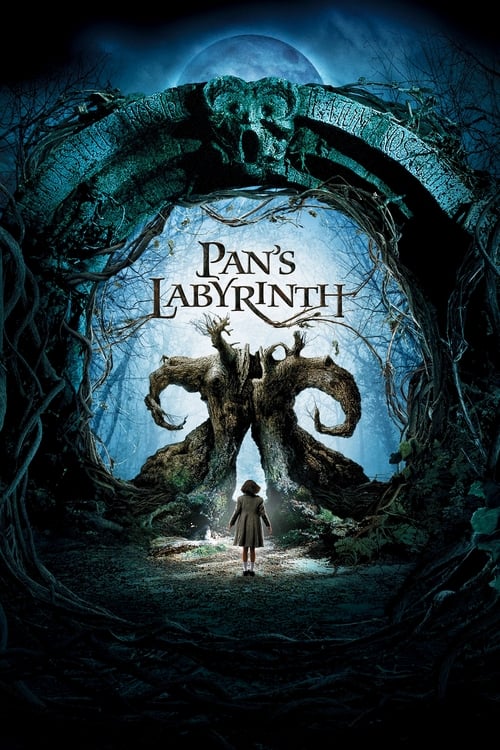
Pan's Labyrinth (2006)
Directed by Guillermo del Toro
influenced by The Holy Mountain (1973), El Topo (1970)