
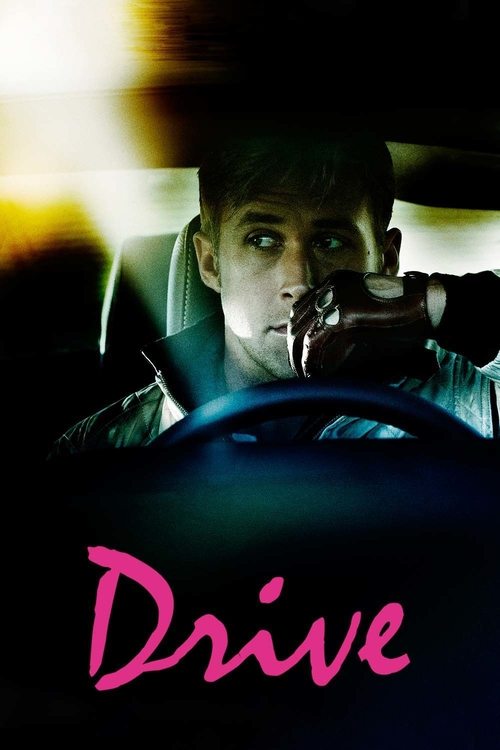
Drive (2011)
Directed by Nicolas Winding Refn
Driver is a skilled Hollywood stuntman who moonlights as a getaway driver for criminals. Though he projects an icy exterior, lately he's been warming up to a pretty neighbor named Irene and her young son, Benicio. When Irene's husband gets out of jail, he enlists Driver's help in a million-dollar heist. The job goes horribly wrong, and Driver must risk his life to protect Irene and Benicio from the vengeful masterminds behind the robbery.
89 connections found
View:
89 films that influenced Drive
What critics say influenced Drive
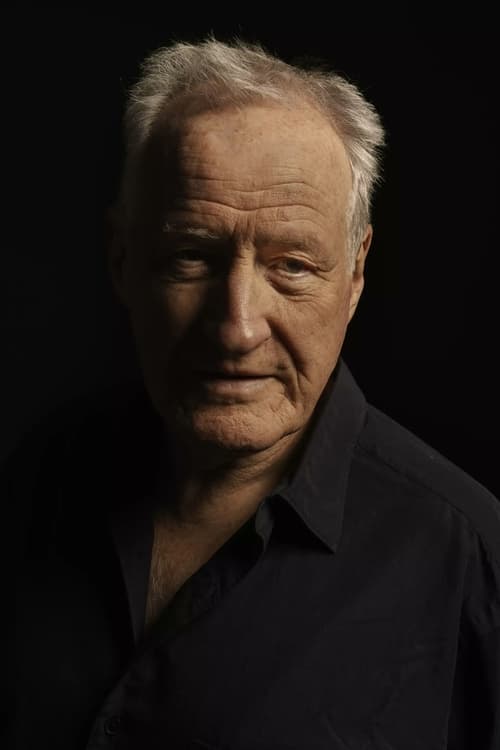
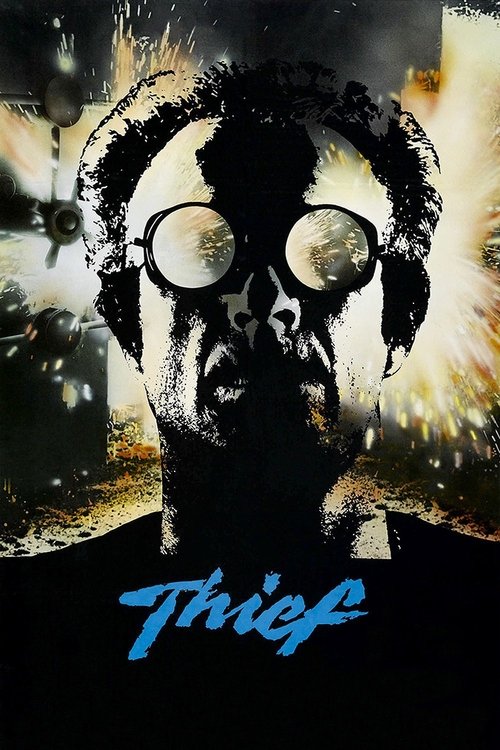


Without the extreme violence, Drive would be a lifeless rehash of such self-consciously existential thrillers as Walter Hill’s The Driver and Michael Mann’s Thief instead of, ?Oh, shit, oh, God, this is so friggin’ hard-core!?
At the same time, Drive is also inflected with the neon vibe and synthesizer rhythms of early Michal Mann films like Thief (1981) and Manhunter (1986).
Refn's choice in neon lights and obscure synth-pop wind up putting "Drive" in the company of that era's "Thief" and "Manhunter," while other elements link it with "F/X" and even "American Gigolo."
The pink, cursive font of the opening credits immediately calls to mind '80s classics like Smooth Talk while the obsessive interest in functionality and work (and Cliff Martinez's awesome Tangerine Dream soundtrack) recalls Michael Mann's Thief, but it's that certain quality of masculine stillness that marks Drive as another Nicolas Winding Refn masterpiece.
The slow, methodical build up harkens back to Mann's early work in "Thief" and "Manhunter."
The sleek pic might remind one of Walter Hill's "The Driver," or Michael Mann’s "Thief" or any of those Clint Eastwood spaghetti westerns or even Jean-Pierre Melville’s "Le Samouraï," yet this one is a different machine--it comes to life in its own adrenaline filled way and stands out as Refn's signature ode to violence, where a bloodbath cleanses the film from any constraints to its storytelling.
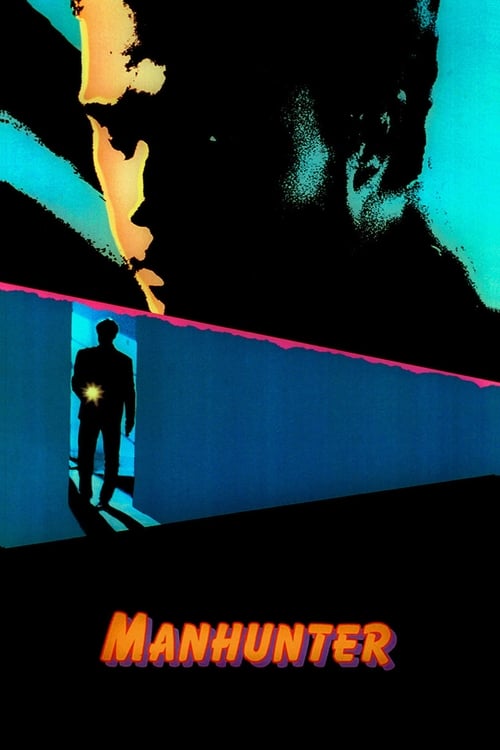
At the same time, Drive is also inflected with the neon vibe and synthesizer rhythms of early Michal Mann films like Thief (1981) and Manhunter (1986).
Refn's choice in neon lights and obscure synth-pop wind up putting "Drive" in the company of that era's "Thief" and "Manhunter," while other elements link it with "F/X" and even "American Gigolo."
The slow, methodical build up harkens back to Mann's early work in "Thief" and "Manhunter."
A murder in the surf reminds so much of Mann's climactic sequences from Manhunter that it could be a lost scene from that film.
Back in 2011, when Nicolas Winding Refn’s mash note to the aesthetic of 1980s Los Angeles crime films, Drive , became a sensation, I was sure it was Manhunter ’s time to shine.
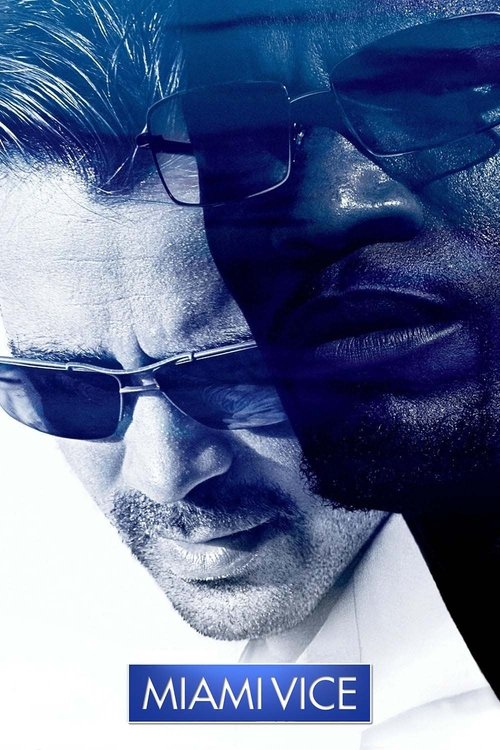
(Even the satin jacket favored by the Kid and the hot pink VHS-era font on the titles would have looked right at home on old episodes of “Miami Vice."
Adapted from James Sallis’ novel by Hossein Amini (The Wings of the Dove), the movie balances the pulpy action of pictures such as Point Blank with the sleek style of vintage Michael Mann (especially Thief and Miami Vice).
Cliff Martinez's musical score recalls the sinister, synthesized pulse of Miami Vice and To Live and Die in L.A., a solid complement to Refn's 1980s thriller vibe.
The title graphics and music reminded me of the work of Michael Mann and his 1980s television show “Miami Vice.” “Drive” also shares the same undaunting masculine edge and fascination with unlikely criminal types that Mann featured in one of his early classics “Thief.”
The plethora of vintage cars, an ’80s-ish soundtrack and the gold-on-white scorpion jacket worn by the main character seemed to spring forth from “Miami Vice” crossed with “Less Than Zero.”
Ryan Gosling exudes no-sweat professionalism in Drive, a shamelessly entertaining genre movie from director Nicolas Winding Refn that plays like an exalted episode of Miami Vice or a stealth version of Shane.
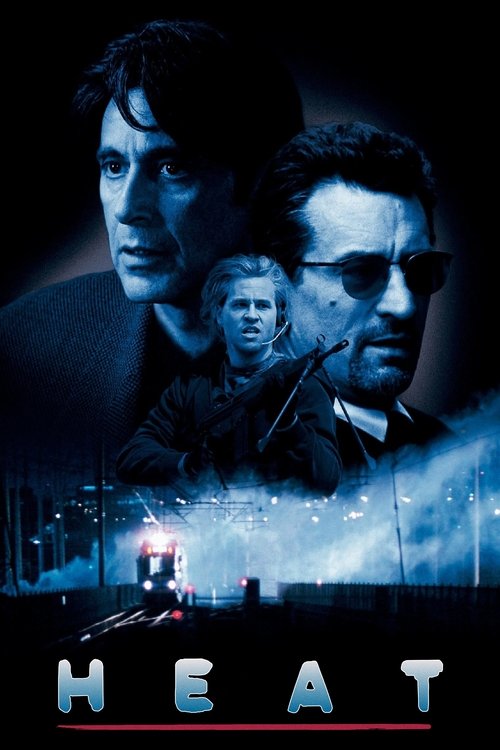
He’s a detached loner who excels at his job, and he subscribes to the credo articulated by the thief De Niro played in Heat: Never let anything into your life that you can’t walk away from in thirty seconds flat when you feel the heat around the corner.
LA hasn't been captured this grittily and gloriously since Michael Mann visited the City of Angels in two of my all-time faves: Heat and Collateral.
Key pictures in this particular cycle saw British director John Boorman direct Lee Marvin in Point Blank, which brought the style of Resnais and Godard to Los Angeles, Walter Hill make the existential heist classic The Driver under the influence of Jean-Pierre Melville, and William Friedkin and Michael Mann give us, respectively, To Live and Die in LA and epic LA thriller Heat.
It reminds me of Michael Mann’s Heat in that Ryan Gosling plays a man of very few words who seems to be making quick decisions in heavy traffic even when he’s sitting in a restaurant or riding in an elevator with a beautiful woman.
Drive is the best Michael Mann film since Heat.
Comparisons to Michael Mann’s “Heat” will be made, but “Drive” is a much smaller film both in story arc and in character development.
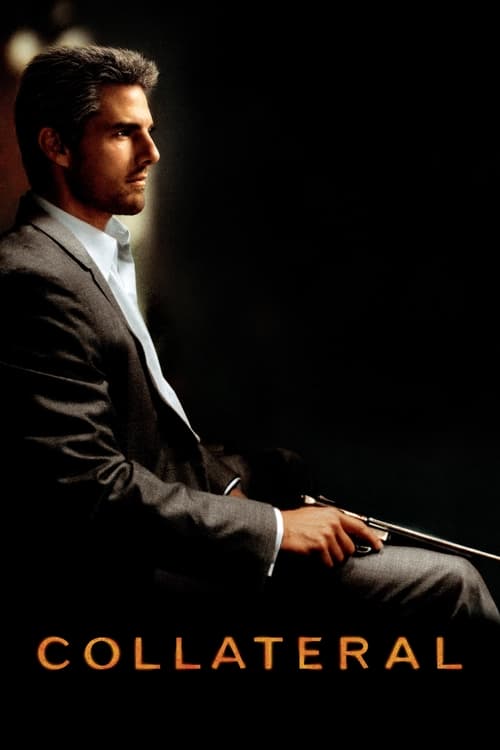
Not since “Collateral,” Michael Mann’s nocturnal tour of L.A., has that city been so well cruised.
LA hasn't been captured this grittily and gloriously since Michael Mann visited the City of Angels in two of my all-time faves: Heat and Collateral.
The result is one of the best Los Angeles travelogues since Michael Mann sent Tom Cruise and Jamie Foxx on a long, deadly cab ride in Collateral.
I wish I could remember who wrote it because it’s pretty spot-on, and if you’re enamored with the glossy yet seedy underbelly of Mann’s “Heat,” “Collateral” or even “Miami Vice,” you’ll appreciate the comparison.
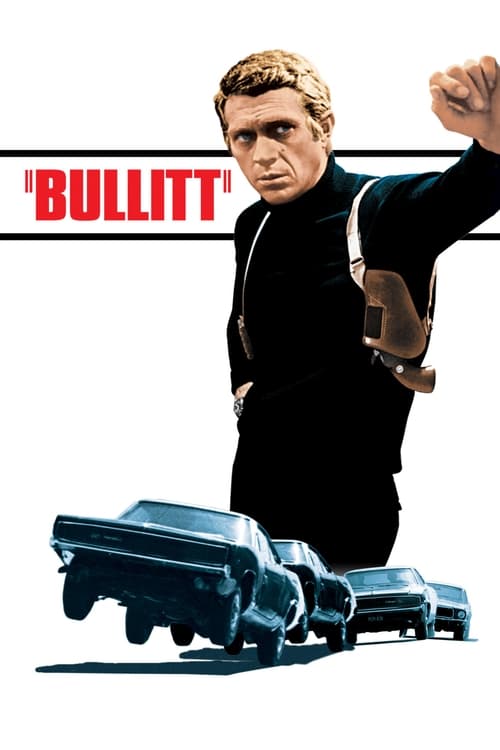
That model was even glummer than the Pontiac LeMans—who was kidding whom, with that name?—in which Gene Hackman raced against an Elevated train, two years earlier, in “The French Connection”; and both, of course, were nothing beside the gleaming flanks of the Mustang used in “Bullitt” (1968).
There are a couple of terrific old-school car chases in "Drive," but Refn isn't trying to outdo "Bullitt" or get the next assignment in the "Fast/Furious" franchise.
This stale premise, taken from a novel by James Sallis, kept reminding me of a Steve McQueen vehicle, and in fact Refn has named Bullitt (1968) as one reference point.
Early reviews out of Cannes proclaimed Danish director Nicolas Winding Refn’s Hollywood debut, “Drive,” a full-blooded return to such ’60s thrillers as “Bullitt” and “Point Blank.”
But unlike the adrenaline junkies in “Bullitt” and Peckinpah’s “The Getaway,” he doesn’t make a conspicuous display of speed; he doesn’t “gun it” and leave a mile of rubber.
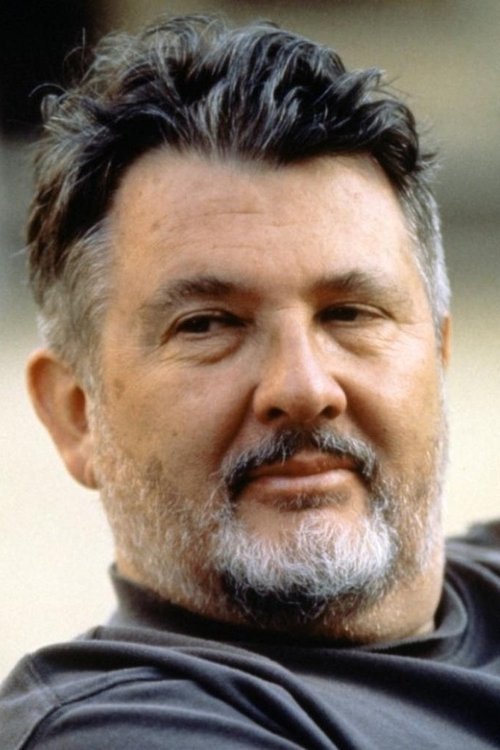
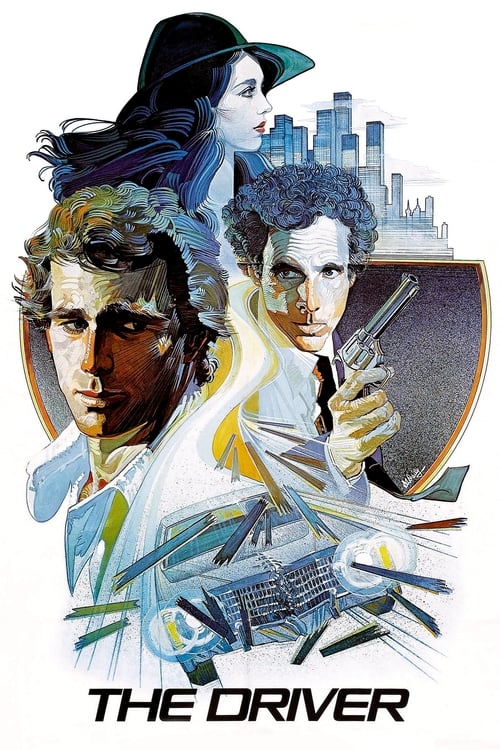
A surprisingly high fraction of “Drive” is indebted to “The Driver,” Walter Hill’s whittled-down thriller of 1978.
The most obvious reference is Walter Hill's schematic action flick The Driver: This 1978 paean to professional cool in the person of Ryan O'Neal more or less provides Drive's title, premise, uninflected antihero, and minimalist existentialism, as well as its two-dimensional attitude.
Walter Hill, a fine writer-director who knows a thing or 12 about helming testosterone-tinged flicks with an existential bent about them (Hard Times, The Warriors, The Long Riders, Undisputed, many more), once orchestrated a solid little film in this milieu called The Driver.
Ryan Gosling stars as the film’s never-named protagonist (shades of the similarly nameless heroes of “Two-Lane Blacktop” and “The Driver”), who works by day as a mechanic and occasional Hollywood stunt driver, and sometimes by night as a fast and furious getway-car driver for thieves.
In fact, I can readily imagine a rabid cult following coalescing around Drive, which looked at a distance like a contemporary remake of Walter Hill’s The Driver (it’s actually based on a recent novel by James Sallis) but turns out to play more like a hypothetical remake of The Driver from ca. 1984-87.
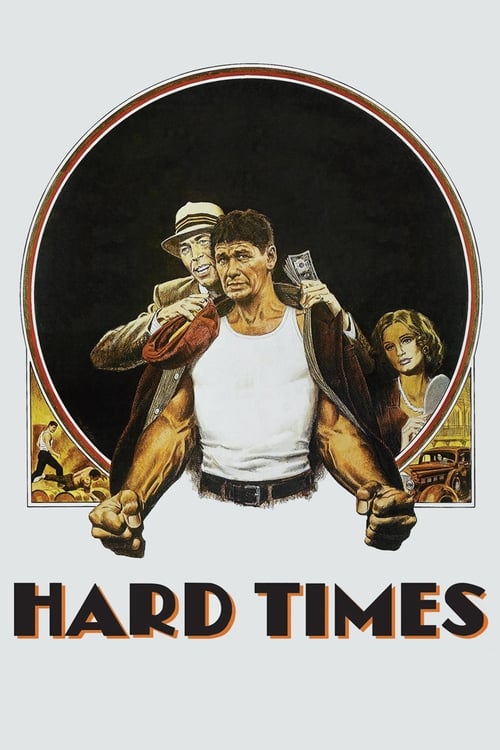
Walter Hill, a fine writer-director who knows a thing or 12 about helming testosterone-tinged flicks with an existential bent about them (Hard Times, The Warriors, The Long Riders, Undisputed, many more), once orchestrated a solid little film in this milieu called The Driver.
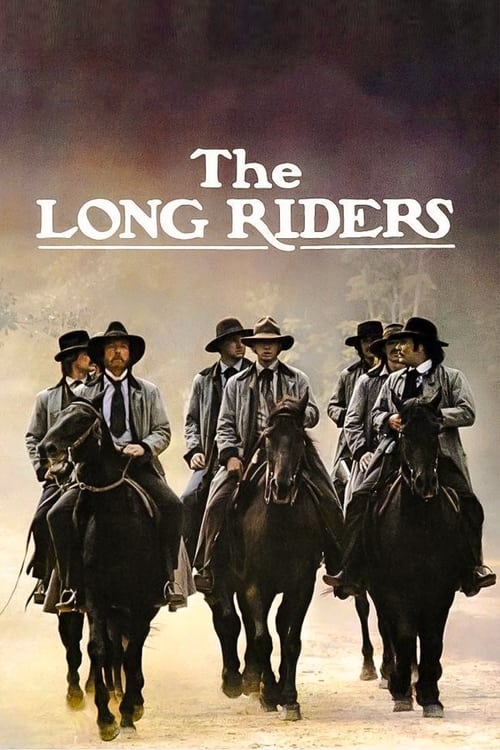
Walter Hill, a fine writer-director who knows a thing or 12 about helming testosterone-tinged flicks with an existential bent about them (Hard Times, The Warriors, The Long Riders, Undisputed, many more), once orchestrated a solid little film in this milieu called The Driver.
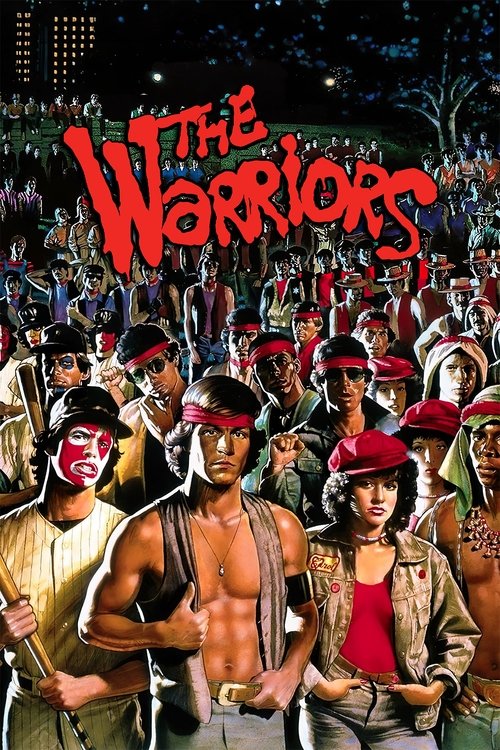
Walter Hill, a fine writer-director who knows a thing or 12 about helming testosterone-tinged flicks with an existential bent about them (Hard Times, The Warriors, The Long Riders, Undisputed, many more), once orchestrated a solid little film in this milieu called The Driver.

Walter Hill, a fine writer-director who knows a thing or 12 about helming testosterone-tinged flicks with an existential bent about them (Hard Times, The Warriors, The Long Riders, Undisputed, many more), once orchestrated a solid little film in this milieu called The Driver.
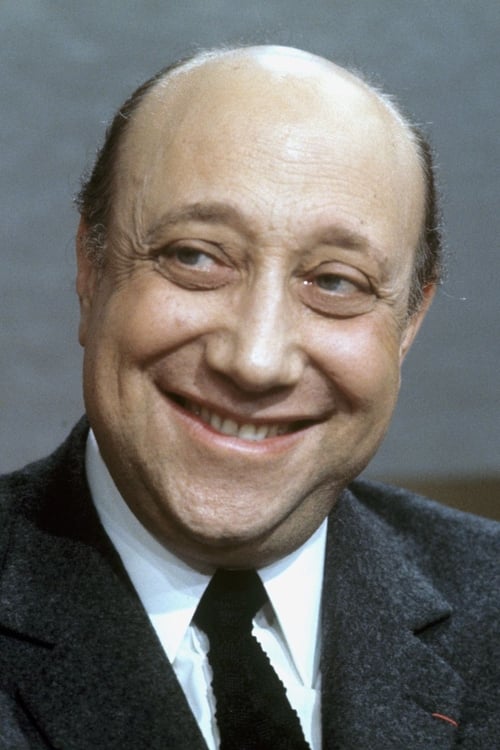

As played by Ryan Gosling , he is in the tradition of two iconic heroes of the 1960s: Clint Eastwood 's Man With No Name and Alain Delon in " Le Samourai ."
Think early Michael Mann (Thief) and William Friedkin's To Live and Die in L.A. Driver is a loner, suggesting Alain Delon in Jean-Pierre Melville's Le Samouraï.
Certainly there could be no more familiar character to movie fans than the film’s protagonist, so iconic he’s reminiscent of Alain Delon’s Jef Costello in Jean-Pierre Melville’s classic “Le Samourai” and as written by Hossein Amini from the James Sallis novel so self-consciously mythologized he doesn’t even have a name.
Like many of Refn’s prior protagonists, Gosling’s Driver is a lone wolf with a volatile streak, though in this case, he’s less an embodiment of barely contained masculine rage than a neo-noir cool customer (toothpick in mouth, puffy silver jacket embroidered with a giant red scorpion on its back) in the mold of Alain Delon’s Le Samouraï crook or James Caan’s titular Thief .
Owing a debt to the Zen-like simplicity and nocturnal L.A. ambience of Walter Hill’s The Driver —which, in turn, took a page from Jean-Pierre Melville’s Le Samouraï —the film is little more than an exercise in style, but it’s dazzling and mythic, a testament to the fundamental appeal of fast cars, dangerous men, and tension that squeezes like a hand to the throat.

Its allusions to lots of movies—Walter Hill’s The Driver, Taxi Driver, Bob le flambeur or The Killers, as well as Sixteen Candles (according to Refn ), even The Maltese Falcon and Treasure of the Sierra Madre, are more substantive than the hero’s emotional or moral trajectory.
Advertisement
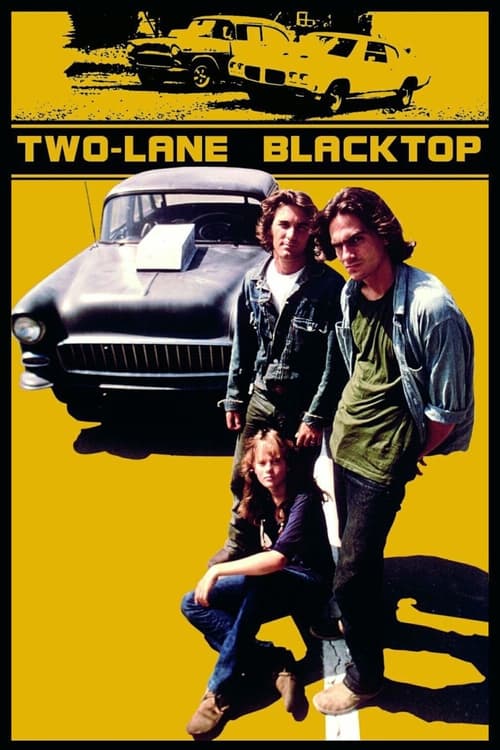
Ryan Gosling stars as the film’s never-named protagonist (shades of the similarly nameless heroes of “Two-Lane Blacktop” and “The Driver”), who works by day as a mechanic and occasional Hollywood stunt driver, and sometimes by night as a fast and furious getway-car driver for thieves.
Drive, which won Nicolas Winding Refn the Best Director prize at Cannes last spring, is a sharply etched, finely tuned homage to the existential road movies of the 1970s like Vanishing Point (1970) and Two-Lane Blacktop (1971) in which the nature of human existence was fused with the open road.
Think “Two-Lane Blacktop” meets Kubrick’s “The Killing” meets Bresson’s “Pickpocket” and you’ll have some idea of what’s in store.
And it easily leaves other street-racing movies of its kind in the dust, even classics like "Vanishing Point" and "Two-Lane Blacktop."

Only I'd be more prone to describe it as a 70s rather than 80s action film since it's storyline and violence harken back to films like "The Outfit" (1973), "Charley Varrick" (1973), and "The Long Goodbye" (1973).
Anybody remember Mark Rydell brandishing a Coke bottle in “The Long Goodbye”?
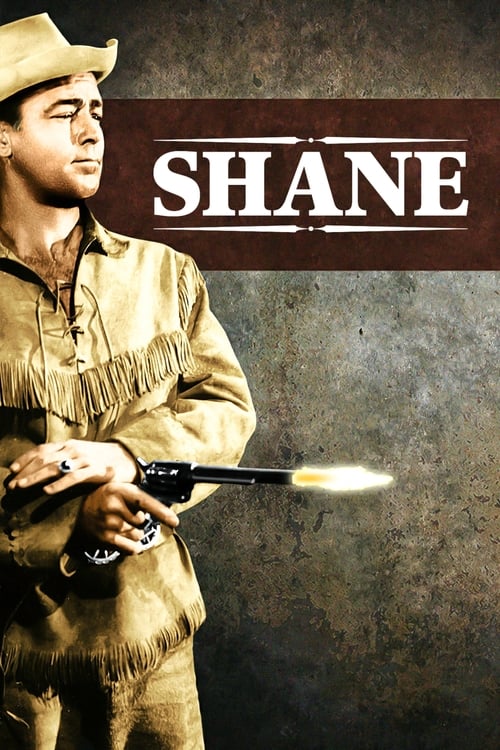
Ryan Gosling exudes no-sweat professionalism in Drive, a shamelessly entertaining genre movie from director Nicolas Winding Refn that plays like an exalted episode of Miami Vice or a stealth version of Shane.
Albert Brooks and Ron Perlman are on fine form as the terrifying heavies, but it's Gosling who anchors the movie with a strong, silent (and undeniably pretty) performance that's oddly reminiscent, as is the set-up, of the 1953 Alan Ladd western Shane.
With Gosling like an outsider gunslinger trying to protect a decent but compromised family - and sharing a chaste love for the wife and a grudging respect for the husband - Drive at times feels like a super-charged, modernised version of George Stevens' classic western, Shane.
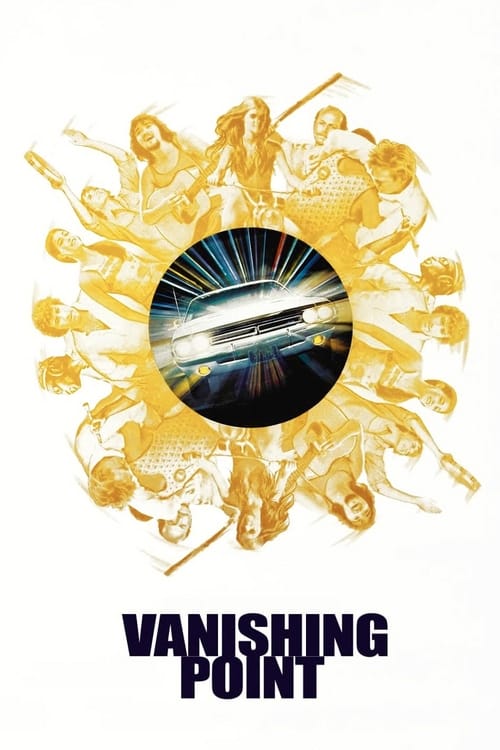
Drive, which won Nicolas Winding Refn the Best Director prize at Cannes last spring, is a sharply etched, finely tuned homage to the existential road movies of the 1970s like Vanishing Point (1970) and Two-Lane Blacktop (1971) in which the nature of human existence was fused with the open road.
Advertisement
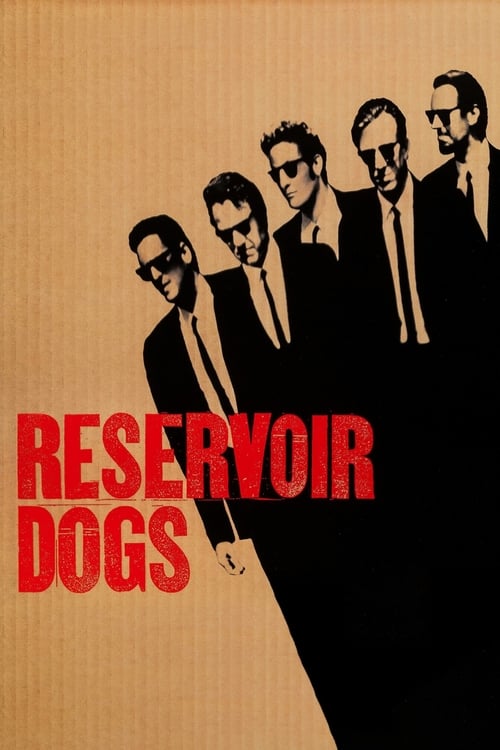
Most importantly, he’s not trying to rip off Reservoir Dogs.
It’s the only reason it can’t be compared to the best works of director Quentin Tarantino (such as Pulp Fiction and Reservoir Dogs).
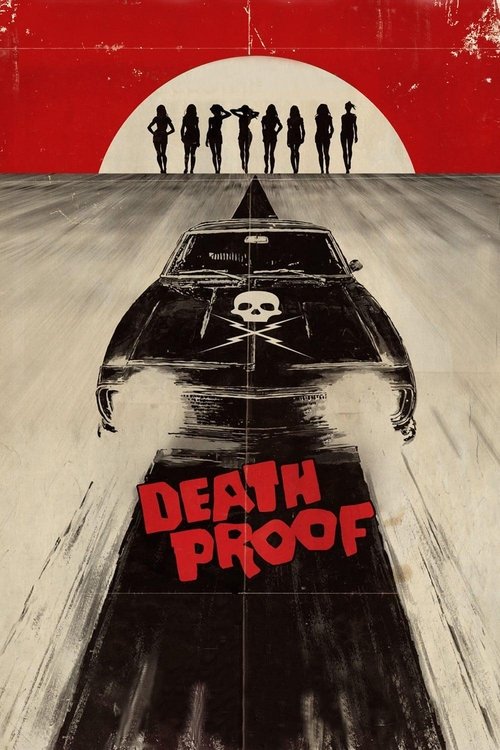
Dwelling in a slick, glossy L.A. that recalls the films of Michael Mann, Drive's unnamed protagonist (Gosling) works as a movie stunt driver (he wears a silver jacket reminiscent of Kurt Russell's "Stunt Man Mike" in Death Proof), supplementing that income by working in the garage of his supervisor (Bryan Cranston).
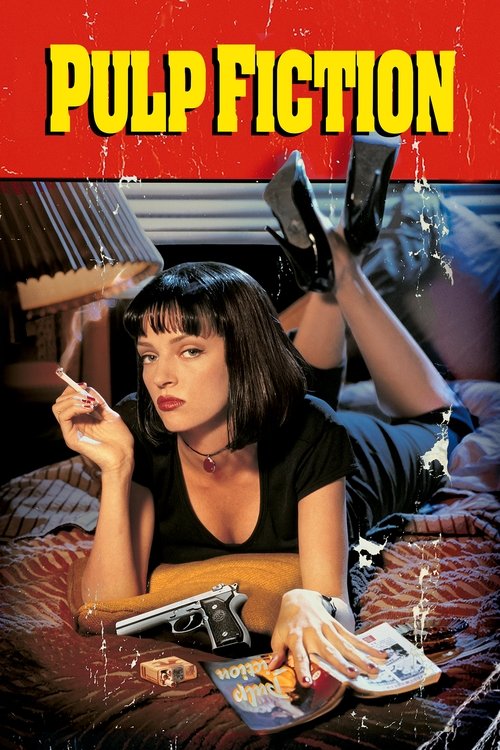
I felt some of the same exhilaration, but those who are comparing "Drive" to, say, "Pulp Fiction" today are getting overamped on the sea air and sunlight and strong coffee of the Mediterranean.
It’s the only reason it can’t be compared to the best works of director Quentin Tarantino (such as Pulp Fiction and Reservoir Dogs).
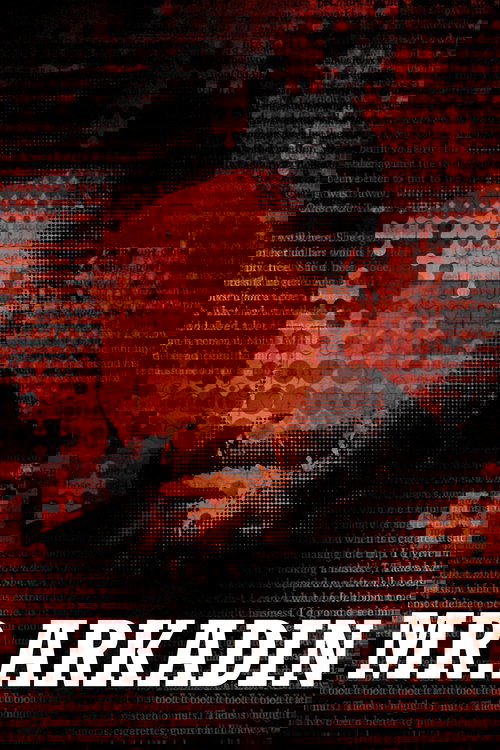
His customary dress is a silver bowling jacket on the back of which is a large scorpion, a reference, as someone mentions, to the fable related by Orson Welles's devious protagonist in Confidential Report (aka Mr Arkadin).