

Le Samouraï (1967)
Directed by Jean-Pierre Melville
After carrying out a flawlessly planned hit, Jef Costello, a contract killer with samurai instincts, finds himself caught between a persistent police investigator and a ruthless employer, and not even his armor of fedora and trench coat can protect him.
25 connections found
View:
25 connections, in both directions
What critics compared Le Samouraï to
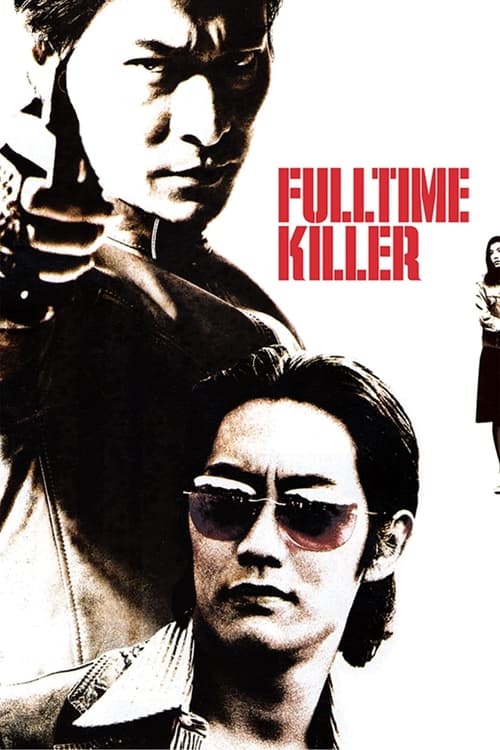


"Fulltime Killer" references everything from " Point Break " and " Terminator 2 " to "Rear Window" and, in a surprisingly subtle gag, Alain Delon in "Le Samourai".
The first is a subtle planner named "O" (Takashi Sorimachi) and the second is a flashy showoff (Andy Lau) who's obsessed with old movies (he references El Mariachi and Le Samourai, among others).
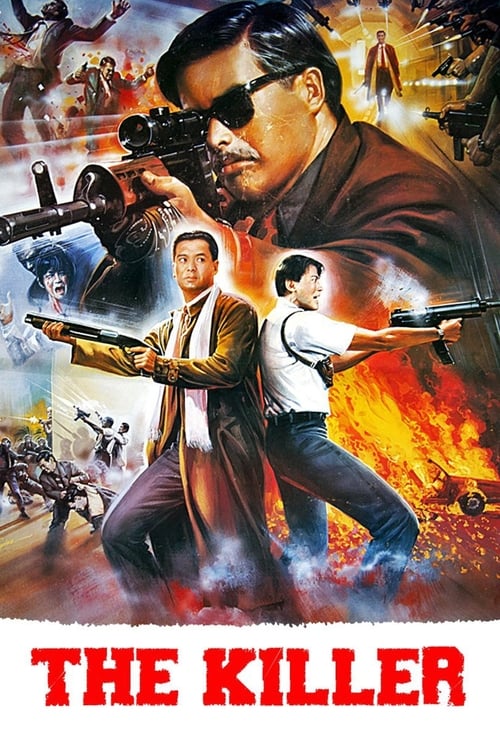
But The Killer was also inspired by Melville’s French arthouse classic, Le Samourai (1967), a film that Woo has publicly professed his love for.
From them he borrowed stylistic techniques, such as Scorsese’s use of slow-motion during non-action scenes to highlight emotional extremity, and story beats, particularly from Melville’s 1967 film Le Samouraï which also follows the doomed relationship between a hit-man and a nightclub singer.
A huge fan of Jean-Pierre Melville (particularly "Le Samourai") and Martin Scorsese, Woo attempted to follow in their footsteps with his stories about glamorous and brutal gangsters.
I did like his honouring, openly and honestly, Jean-Pierre Melville and the real extent to which Melville's Le Samourai influenced The Killer.
Muy por encima del promedio de imitadores como Quentin Tarantino, Robert Rodríguez, Luc Besson y Johnnie To, Woo en esta oportunidad retoma gran parte del andamiaje narrativo de Le Samouraï (1967) de Jean-Pierre Melville y lo vincula a sus intereses de siempre a nivel de la idiosincrasia misma de sus obras, léase los ralentís y las hermosas carnicerías del Sam Peckinpah de La Pandilla Salvaje ( The Wild Bunch , 1969) y Perros de Paja ( Straw Dogs , 1971), los duelos, dilemas morales y motivos musicales para cada personaje del Sergio Leone de Érase una vez en el Oeste ( C’era una Volta il West , 1968) y Érase una vez en América ( Once Upon a Time in America , 1984), y la obsesión cristiana y las odiseas bien bizarras de redención en sintonía con el Martin Scorsese de Calles Salvajes ( Mean Streets , 1973) y Taxi Driver (1976).
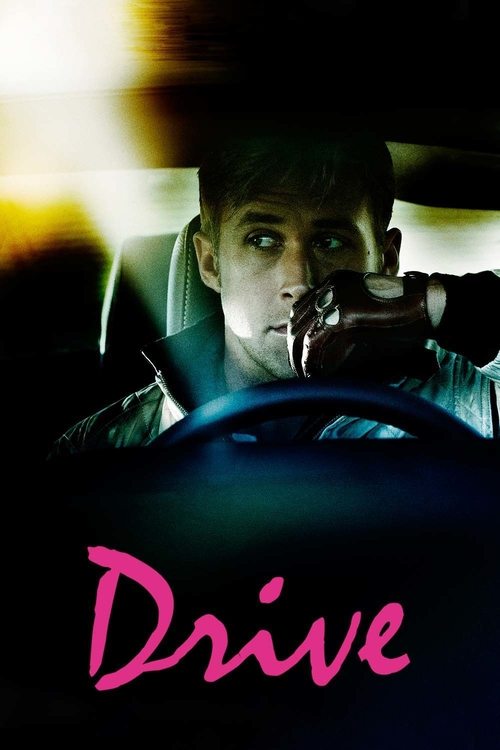
As played by Ryan Gosling , he is in the tradition of two iconic heroes of the 1960s: Clint Eastwood 's Man With No Name and Alain Delon in " Le Samourai ."
Think early Michael Mann (Thief) and William Friedkin's To Live and Die in L.A. Driver is a loner, suggesting Alain Delon in Jean-Pierre Melville's Le Samouraï.
Certainly there could be no more familiar character to movie fans than the film’s protagonist, so iconic he’s reminiscent of Alain Delon’s Jef Costello in Jean-Pierre Melville’s classic “Le Samourai” and as written by Hossein Amini from the James Sallis novel so self-consciously mythologized he doesn’t even have a name.
Like many of Refn’s prior protagonists, Gosling’s Driver is a lone wolf with a volatile streak, though in this case, he’s less an embodiment of barely contained masculine rage than a neo-noir cool customer (toothpick in mouth, puffy silver jacket embroidered with a giant red scorpion on its back) in the mold of Alain Delon’s Le Samouraï crook or James Caan’s titular Thief .
Owing a debt to the Zen-like simplicity and nocturnal L.A. ambience of Walter Hill’s The Driver —which, in turn, took a page from Jean-Pierre Melville’s Le Samouraï —the film is little more than an exercise in style, but it’s dazzling and mythic, a testament to the fundamental appeal of fast cars, dangerous men, and tension that squeezes like a hand to the throat.
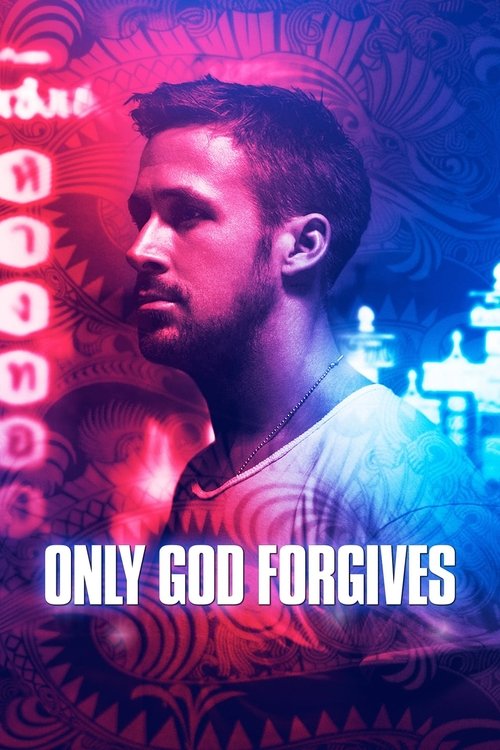
An obvious touchstone is Jean-Pierre Melville’s 1967 “Le samouraï,” a genre gangster film that was also, elegantly, an illustration of the chambers of a schizophrenic mind.
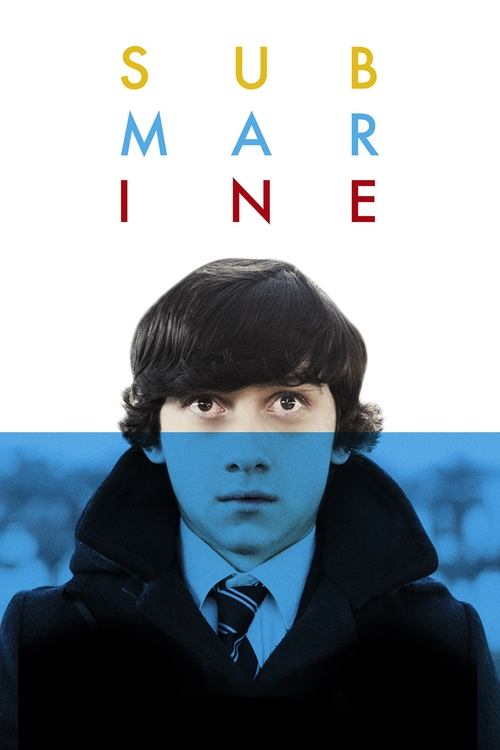
The 33-year-old veteran of TV’s “The IT Crowd” points out that Oliver is constantly donning new gear, new hats, new identities: a poster of Alain Delon in “Le Samouraï” above his bedstead looms less as homage to a movie the filmmaker admires as another sharp dresser a teenager could never hope to grow to be.
Advertisement

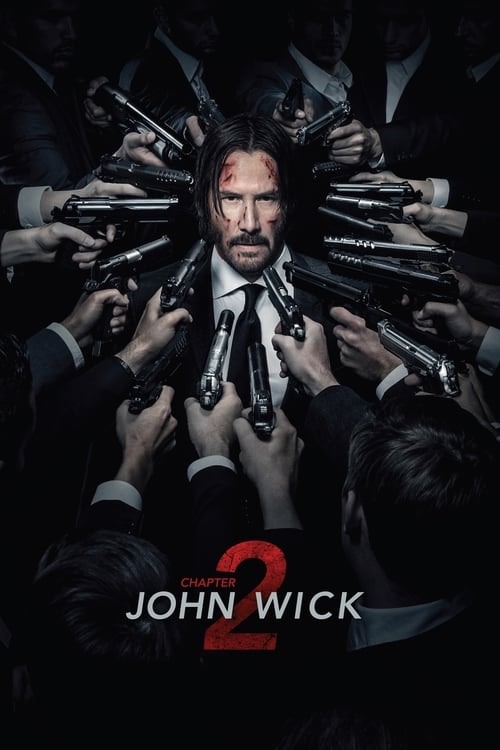
Wick is a more ultra-violent, comic book-y variation on Alain Delon’s disciplined hood from Jean-Pierre Melville’s 1967 classic Le Samouraï, or Chow Yun-fat’s hitman from John Woo’s 1989 gem The Killer—all of them dapper criminals whose lives are defined by their quasi-spiritual adherence to ritual.
In the pantheon of distressed male beauty, “John Wick: Chapter 2” also evokes Walter Hill’s “The Driver” (1978), patterned from Jean-Pierre Melville’s Alain Delon-starring picture of a driven loner, the exquisitely melancholy “Le samourai” (1967).
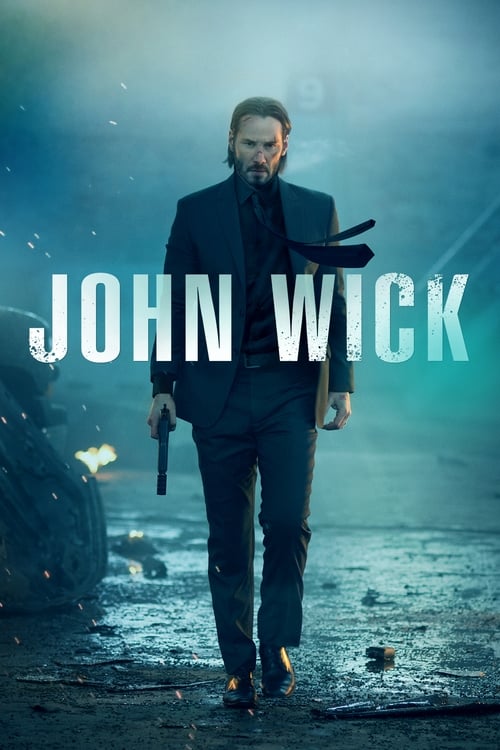
Some of its self-assured cool comes courtesy of the influence of Jean-Pierre Melville, who pioneered the subgenre of the existential hit man movie with Le Samouraï , and whose Le Cercle Rouge receives an homage in Wick in the form of a nightclub called the Red Circle.
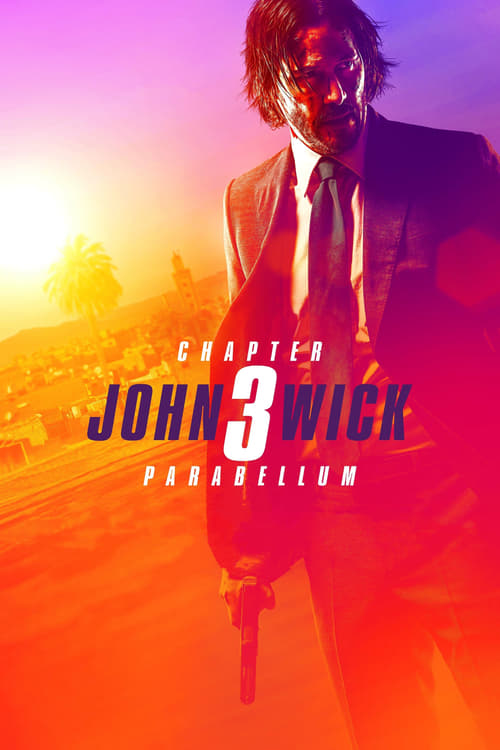
Wick remains an artist of the Glock, the leg lock, and the contact shot, stripping the killer cool of philosophically inclined hitmen like Collateral ’s Vincent and Le Samouraï ’s Jef Costello down to the level of movement.
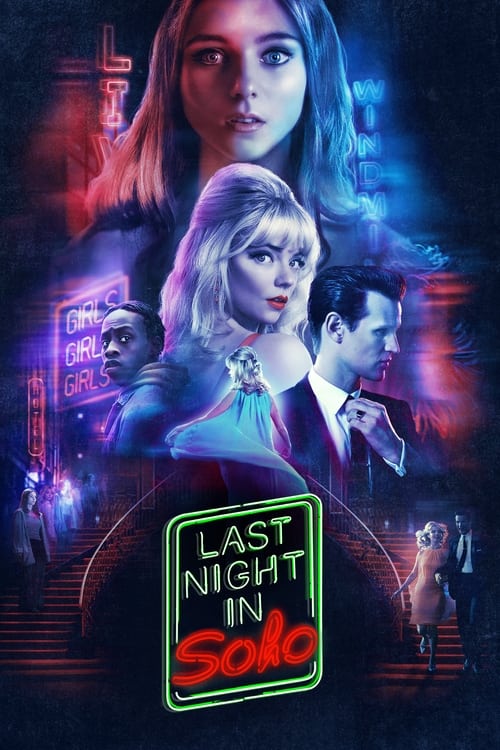
Wright taps into a lineage of action filmmaking oriented around moral relativists through Baby, whose rationale that he’s only a passive driver in these criminal schemes (along with his refusal to carry a gun) recalls Drive , which recalls Walter Hill’s The Driver , which recalls Jean-Pierre Melville’s Le Samouraï , and so on.
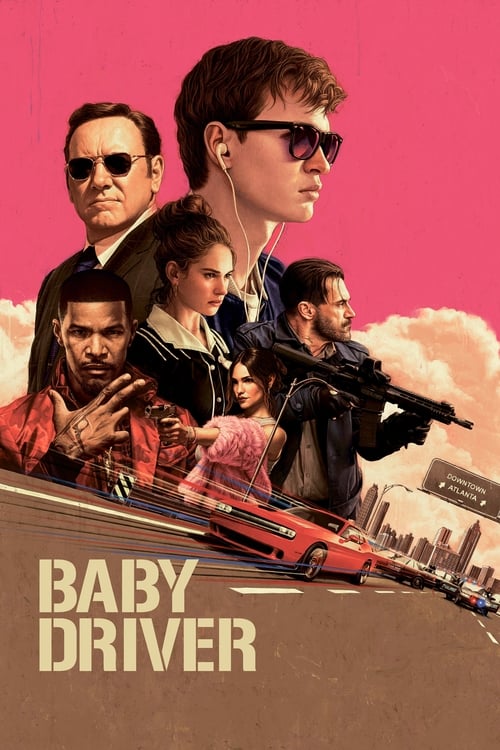
Ansel Elgort’s “Baby” is also precise yet fuzzy around the edges: he’s a high-functioning neurotic in league with the protagonist of Melville’s classic “Le Samourai.”
(And that film plays like a riff on Jean-Pierre Melville’s Le Samouraï.)
Ansel Elgort plays Baby, and the character is in the tradition started by Alain Delon in Le Samouraï and continued onward by Ryan Gosling in Drive.
There are professional thieves of various stripes, a slick crime boss, a cute girl, and a hero that lives simply and doesn't talk much (he comes from a worthy family tree that includes Alain Delon in Le Samourai, Jean Reno in The Professional, Forest Whitaker in Ghost Dog, Jason Statham in The Transporter, and Ryan Gosling in Drive).
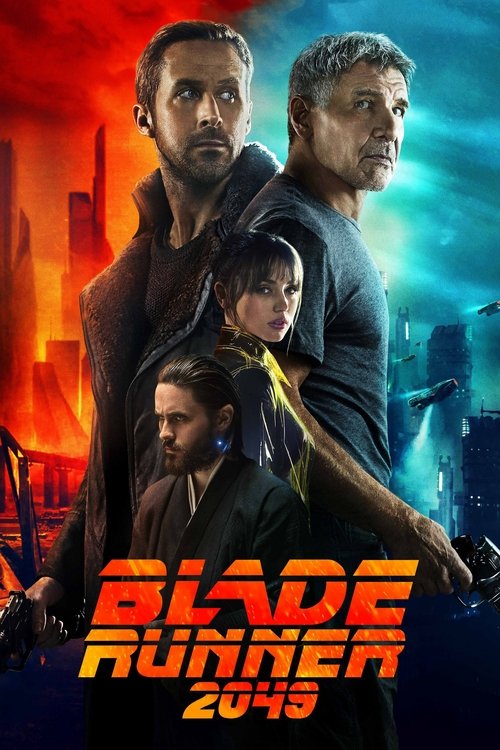
Considerably bulked up since last year’s “La La Land,” the naturally charismatic Gosling is back in the somewhat off-putting zero-emotion mode of “Drive” and “Only God Forgives,” channeling the nihilistic cool Alain Delon demonstrated in hit-man masterpiece “Le Samouraï” to create a character who’s every bit as cool, and twice as inscrutable.
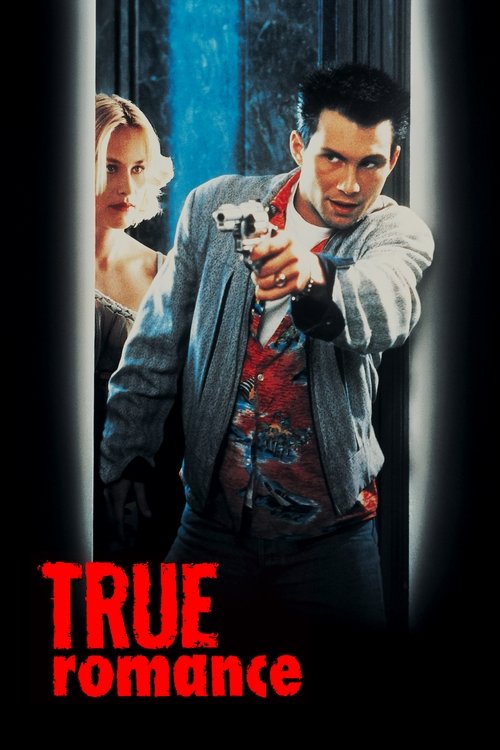
Parmi eux, des chantres du cool et orfèvres à la Jean-Pierre Melville (pour "Le Samouraï", 1967), John Woo (pour "The Killer", 1989), Johnnie To (pour "The Big Heat", 1988) et autre Takeshi Kitano (pour "Violent Cop", 1989).
Advertisement
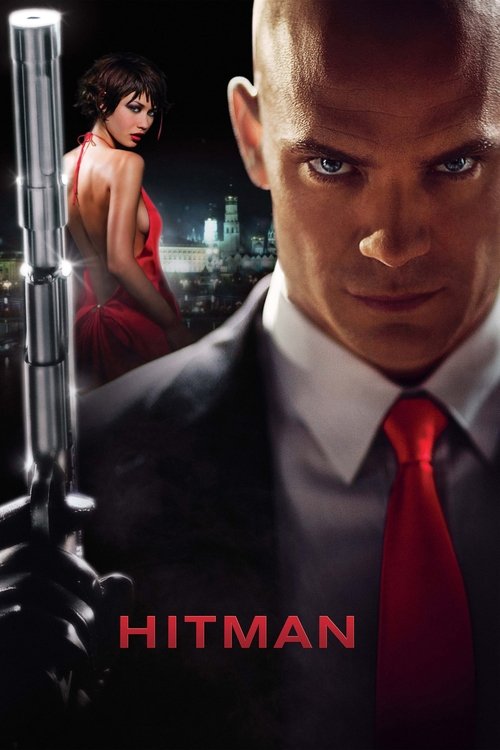
If you want to see what Agent 47 might have seemed like without the obligatory video game requirements, I urge you to rent Jean-Pierre Melville's " Le Samourai " (1967), which is about a lone-wolf assassin in Paris ( Alain Delon ).
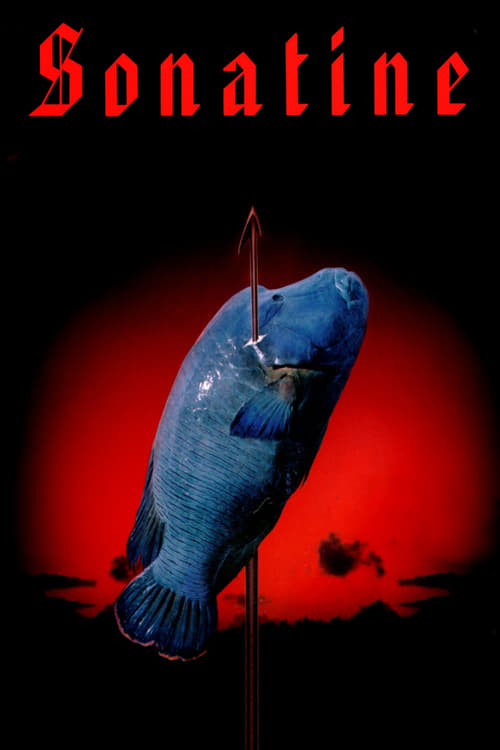
''Sonatine'' is pure, minimal and clean in its lines; I was reminded of Jean-Pierre Melville's ''Le Samourai'' (1967), another film about a professional killer who is all but paralyzed by existential dread.