
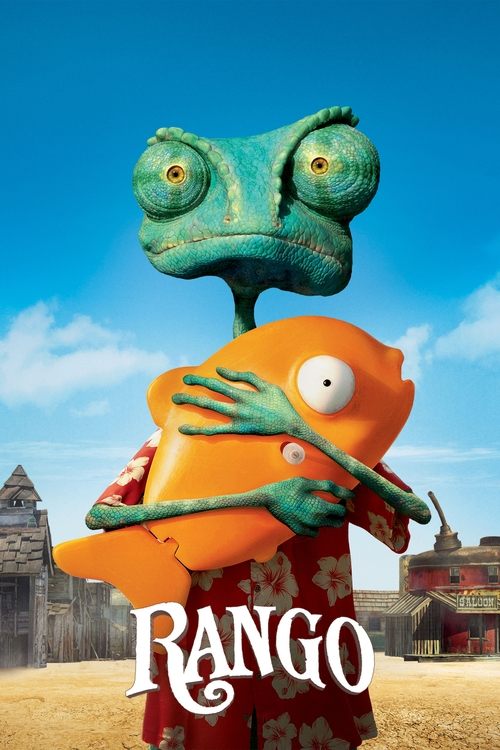
Rango (2011)
Directed by Gore Verbinski
When Rango, a lost family pet, accidentally winds up in the gritty, gun-slinging Western town of Dirt, the theater-loving lizard suddenly finds himself the newly appointed sheriff. Welcomed as the last hope the town has been waiting for, Rango is forced to play his new role to the hilt and uncover the truth behind a looming water crisis—before his act catches up with him.
47 connections found
View:
47 films that influenced Rango
What critics say influenced Rango
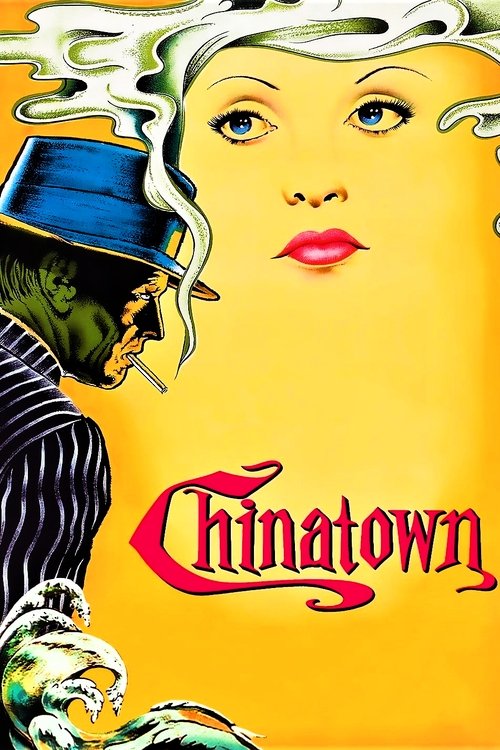


With its references to classic spaghetti westerns, Johnny Depp films, and “Chinatown,” most critics have reason to cheer.
The more you know about movies, the cleverer and funnier the movie is, especially when you realize that the central plot is Roman Polanski’s Chinatown (1974)—right down to a corrupt politico (Ned Beatty) who’s nothing more, nor less than John Huston’s Noah Cross in the form of a turtle.
The question before us: For whom is this blend of spaghetti Western and “Chinatown” meant?
It is not a coincidence that the mayor (voiced by Ned Beatty) sounds like the evil John Huston character from Chinatown as the film makes an obvious nod toward that film classic as well as the numerous western themes that show up.
Sadly, this irreverent western gallery of personified animals can't quite sustain its gonzo verve for feature length (it's all too easy to see through the plot to the lurking Chinatown revelation, although a third act cameo sets a high water mark of awesome, especially for fans of Deadwood), but it's still as genuinely idiosyncratic and effortlessly entertaining as the best of big-budget family features.
Johnny Depp gives voice to a chameleon who fibs his way into becoming sheriff of a desert outpost; the eccentric residents are plagued by a long drought and assorted predators, the most menacing of whom is a two-faced, water-hoarding mayor (Ned Beatty, channeling John Huston in Chinatown).
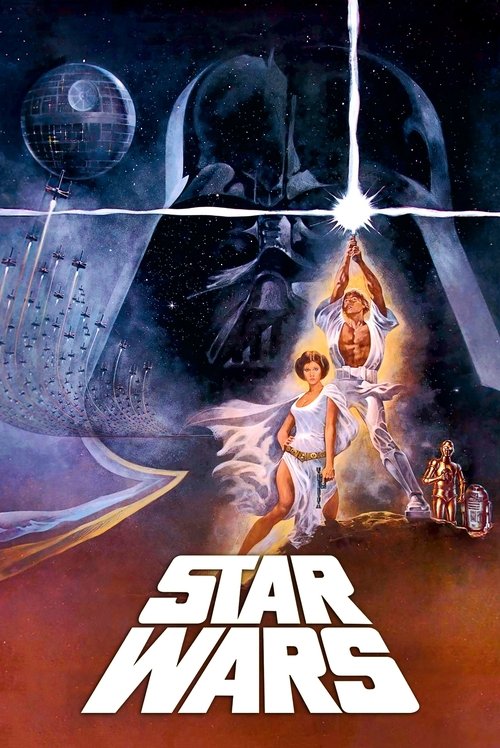
A standard carriage chase is into into a canyon run akin to Star Wars, with moles on bats attacking the carriage.
Besides the aforementioned Thompson ties, it fuses Dali surrealism, film noir (Beatty’s corrupt mayor is modeled on John Huston’s character in “Chinatown”), “Don Quixote” (for Alfred Molina’s quixotic armadillo) “Star Wars” and “Apocalypse Now” (for a batty canyon chase set to “Ride of the Valkyries”), Peckinpah’s “Ride the High Country” (for the dysfunctional family of mole varmints), and, most notably, Sergio Leone’s famously over-the-top Westerns.
This involves tough talk in saloons, face-downs on Main Street and a chase sequence between high canyon walls that's a nod in the direction of "Star Wars."
But Rango piles on the references to other movies like Tarantino on a bender, extending the tribute to many great films of other genres which are actually Westerns in a different guise, from Star Wars to Chinatown.
(Think Star Wars bar meets old Western saloons.)
The company certainly has a history in character creation from its inception, when George Lucas set it up for " Star Wars ."
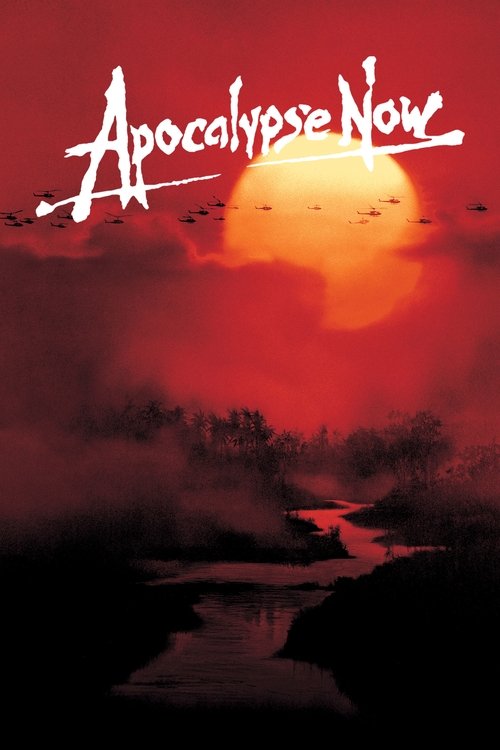
There's hardly a big-sky stereotype he doesn't trick out with new tricks — wait till you catch the man-with-no-name corker he's come up with — but he and co-screenwriters John Logan and James Ward Byrkit are cribbing their plot points not just from classic Westerns but from the likes of Chinatown, Fear and Loathing in Las Vegas and Apocalypse Now.
The film is a combo western parody and Chinatown homage, by way of a Hunter S. Thompson drug hallucination and Roald Dahl adventure, with hat tips to The Wizard of Oz, Apocalypse Now, 2001: A Space Odyssey and other film milestones.
That is just one of the film’s many, many cinematic allusions, some of which are breathtakingly obvious (such as a wonderfully absurd action sequence involving an army of giant bats that riffs on the “Flight of the Valkyries” aerial assault in Apocalypse Now) to the extremely subtle (Rango literally takes his name from a label that says “Hecho en Durango,” but savvy spaghetti western fans will note its similarity to the name of Franco Nero’s mythic antihero Django).
As for the narrative, it’s a film buff’s delight, expertly incorporating elements from, among others, Clint Eastwood’s Spaghetti Westerns, Cat Ballou, Apocalypse Now and, with its plot thread of the villain trying to control a town’s water rights(!), Chinatown.
An homage to "Apocalypse Now" with flying mice is impressive -- at least initially.
In rapid succession, it makes reference to the Ride of the Valkyries sequence from Apocalypse Now, 2001: A Space Odyssey and various John Ford films set in Monument Valley.
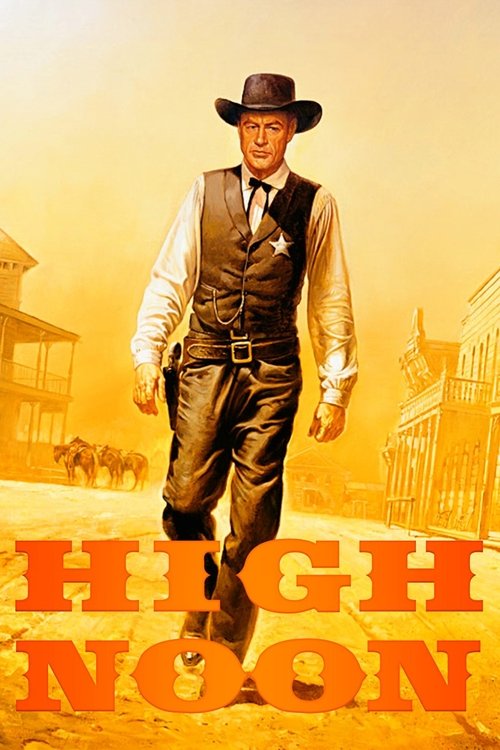
It draws on an entire library of westerns, most obviously “High Noon” and the Clint Eastwood-Sergio Leone spaghetti epics, but it also draws on “ Chinatown ” and many other movies featuring reptilian bad guys.
Rango is best enjoyed by those over 10 who have an idea of what "existential" means and can appreciate a surreal mashup of Chinatown, Gladiator, High Noon, and The Good, the Bad and the Ugly.
The central mystery is a straight-ahead, surprise-free slog (a bit similar to Chinatown, minus the sex and the story twists, though with the murder intact); the characters are familiar tropes, and the tone and imagery come courtesy of countless Westerns, from Sergio Leone to High Noon.
With its fast draws, distinct settings, close-up shots and slower pacing, Verbinski pays perfect tribute to such classics as “The Good, the Bad and the Ugly,” “High Noon” and “Once Upon a Time in the West,” and even Hans Zimmer's score should conjure up memories of Ennio Morricone's finest work.
Individual sequences and images scattered throughout are intentionally reminiscent of famous pictures like High Noon and Sergio Leone's spaghetti Westerns.
The smart screenplay by John Logan pays homage to many classic Westerns, such as High Noon, while simultaneously poking fun at the genre.
Advertisement
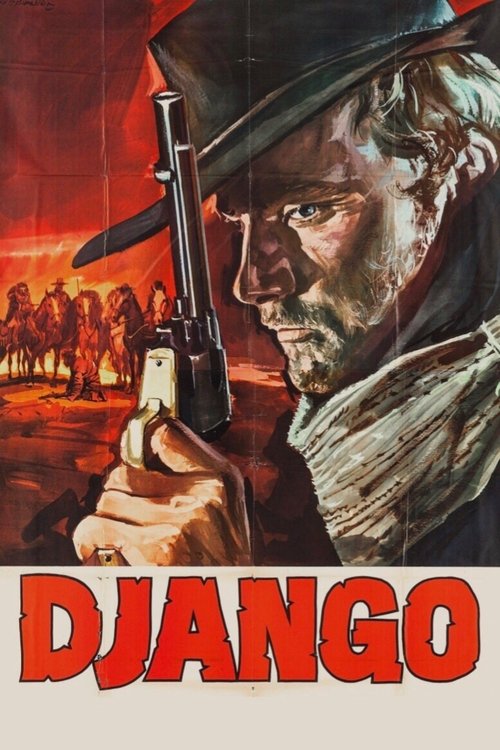
This is a movie all about the details jammed into every corner of the film: copious references to its genre (a creaking windmill out of Once Upon a Time in the West , a title uncommonly similar to the seminal Django ), only slightly less-copious references to cinema at large.
Los personajes, empezando por ese inseguro camaleón que se hace llamar Rango (en clara referencia a Django, un spaghetti western de Sergio Corbucci protagonizado por Franco Nero en 1966), están bien definidos y la anécdota muy bien sostenida (sobre todo en la primera mitad; en la segunda pierde algo de efecto, se estira un poco y cae en algunos excesos y complicaciones narrativas).
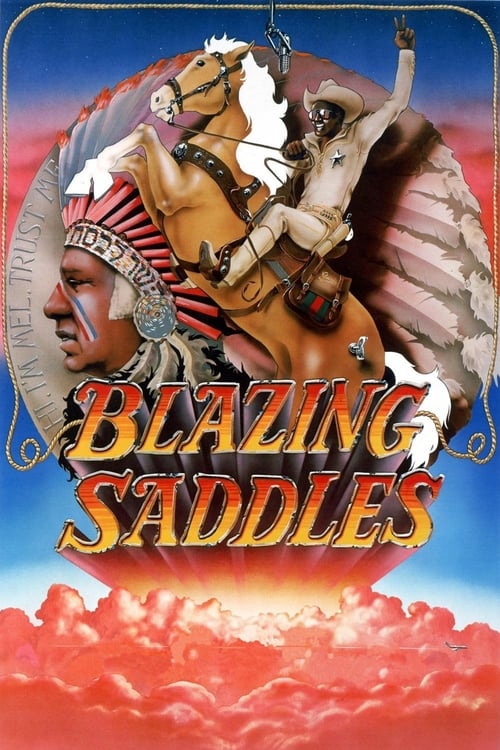
A cultural grab-bag that both parodies and homages the spaghetti Westerns of the '60s and '70s (much as Blazing Saddles was at once parody and homage to the classic Western of the '50s), Rango is the kind of film where hardly one image or line seems plugged in because some studio executive thought it would "sell"; instead, it feels like every last idea is there because director and co-scenarist Gore Verbinski and his team of animators and filmmakers had some urgent want that it should be there.
It's a comedy but, like Blazing Saddles (although without the R-rated edge), it exposes a deep, abiding love for and knowledge of the genre.
It's a real movie lover's movie, conceived as a Blazing Saddles-like comic commentary on genre that's as back-lot savvy as it is light in the saddle.
Ultimately I would say the film is one part Fox, one part Brazil, a dash of Chinatown, and Blazing Saddles in a crunchy animated shell.
This is an inspired comic Western, deserving comparison with " Blazing Saddles ," from which it borrows a lot of farts.
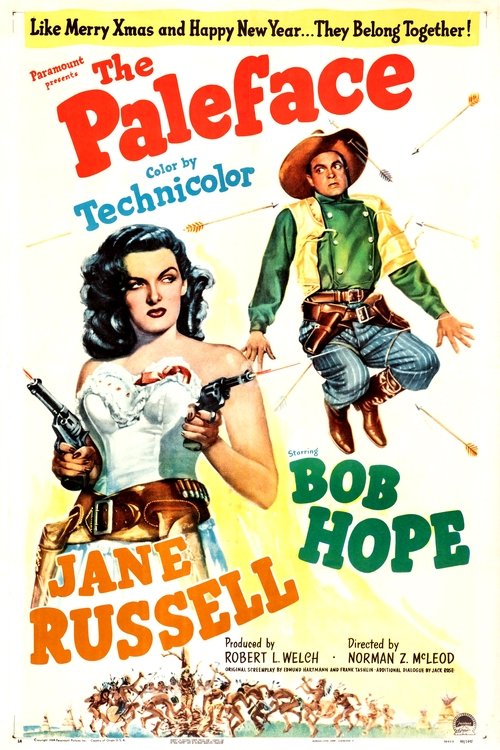
The plot echoes Bob Hope’s The Paleface and its remake with Don Knotts, The Shakiest Gun in the West, about a fast-talking coward becoming, in a case of mistaken identity, a western hero.
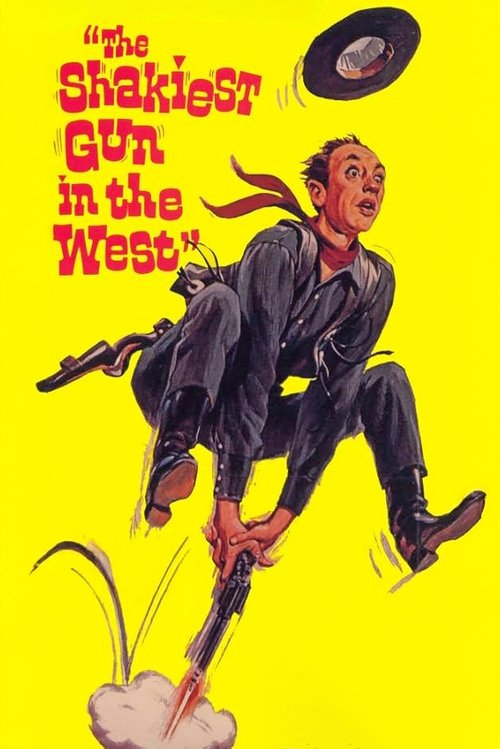
The plot echoes Bob Hope’s The Paleface and its remake with Don Knotts, The Shakiest Gun in the West, about a fast-talking coward becoming, in a case of mistaken identity, a western hero.
Advertisement
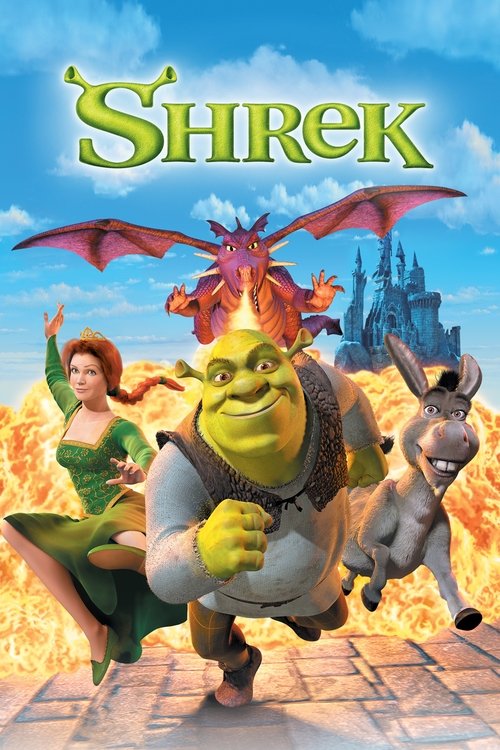
But there’s a world of difference between the savvy nature of Rango and the snarky post-modern pop-culture referencing that more or less began with Shrek (2001).
Gore Verbinski's latest is called Rango, and it may be one of the most wonderfully subversive feature-length animated flicks since the original Shrek.
These aren’t Shrek-like pop-culture references, but more Verbinski’s homage to other filmmakers, which gives Rango an eccentric personal quality.
After a while, as they did in the “Shrek” sequels, the in-jokes and double entendres become enervating.
It’s a billon times better than any Shrek, more fun than a barrel of minions, and actually does something that’s rare in cartooning - it compares more than favorably with the live action version of its source…and all because Verbinski has his crew decided to stay true to the story and the characters first, and hope that the audience agrees with its implicit quirk.
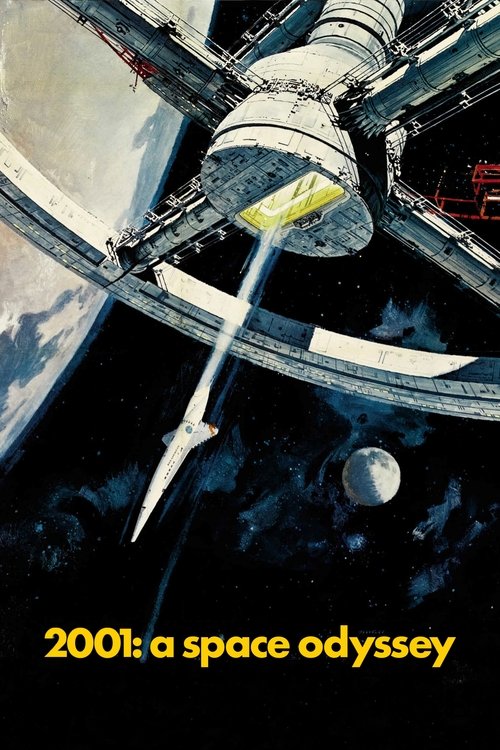
The film is a combo western parody and Chinatown homage, by way of a Hunter S. Thompson drug hallucination and Roald Dahl adventure, with hat tips to The Wizard of Oz, Apocalypse Now, 2001: A Space Odyssey and other film milestones.
In rapid succession, it makes reference to the Ride of the Valkyries sequence from Apocalypse Now, 2001: A Space Odyssey and various John Ford films set in Monument Valley.