
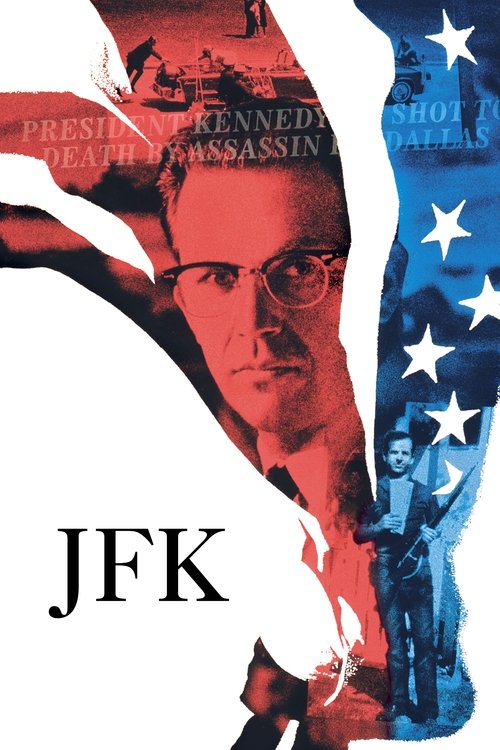
JFK (1991)
Directed by Oliver Stone
Follows the investigation into the assassination of President John F. Kennedy led by New Orleans district attorney Jim Garrison.
20 connections found
View:
20 connections, in both directions
What critics compared JFK to



A much-loved actor who shall remain nameless gets a choice cameo wherein he Explains Much that recalls his even choicer cameo wherein he Explains Even More in Oliver Stone’s “JFK” (1991).
And the 86-year-old Donald Sutherland shows up for about two minutes to reprise his JFK role, 30 years later, as the guy who explains the whole conspiracy and then exits the movie.
Fragmented-family problems ensue, along with the gravity problems, plus tidal waves; moon chunks hurling into mountains and skyscrapers; and, because the plot depends on a massive government conspiracy to hide the truth, a brief cameo from Donald Sutherland in “JFK” mode.
(Remember the character Sutherland played in that excellent scene in Oliver Stone’s 1991 drama “JFK”?
I suspect that Emmerich wanted the scene to play with the furious momentum of the actor’s famous sequence in JFK (1992), where Sutherland expounds on the many factors that led to Kennedy’s assassination.
At one point, Donald Sutherland shows up at an unlikely location, blurts out some helpful information about a government coverup faster than you can say "JFK" and disappears almost as quickly.
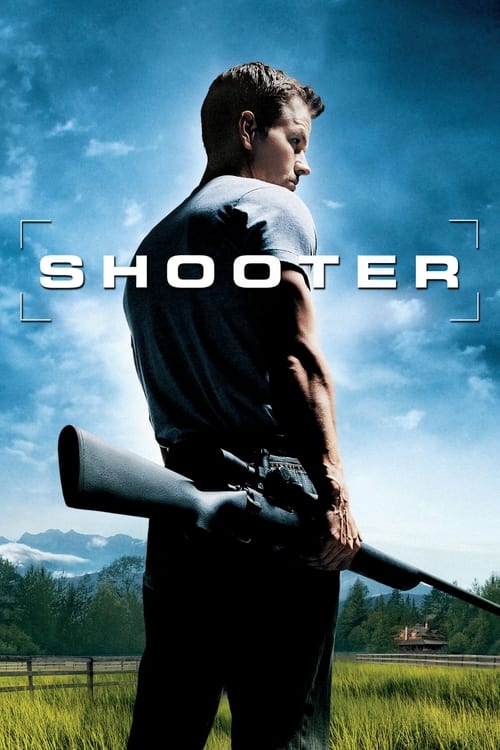
Nick's obsessive scrutiny of the shooting tape strongly recalls Oliver Stone's 1991 "JFK."
Think of "The Parallax View," "Three Days of the Condor," "JFK," "The Day of the Jackal," "North By Northwest," and "The Fugitive"; this film shamelessly borrows from the best, and while it isn't as good as any of these I mentioned, it does move along at a commendable pace and with at least a modicum of excitement, thanks to its director, Antoine Fuqua ("Training Day," "Tears of the Sun"), and its star.
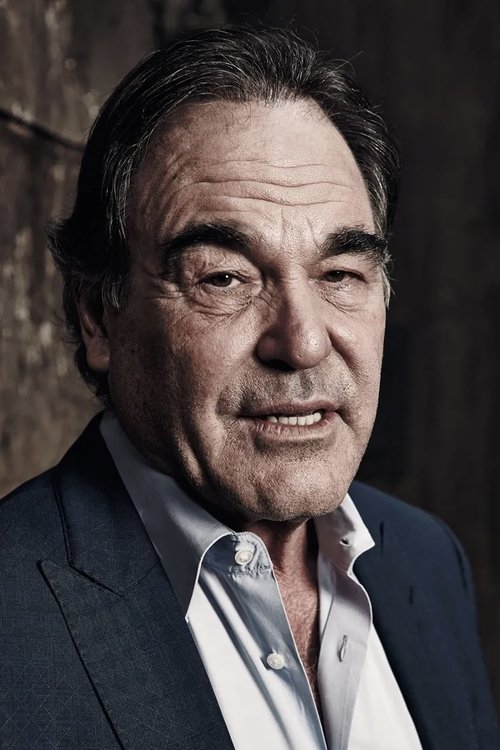
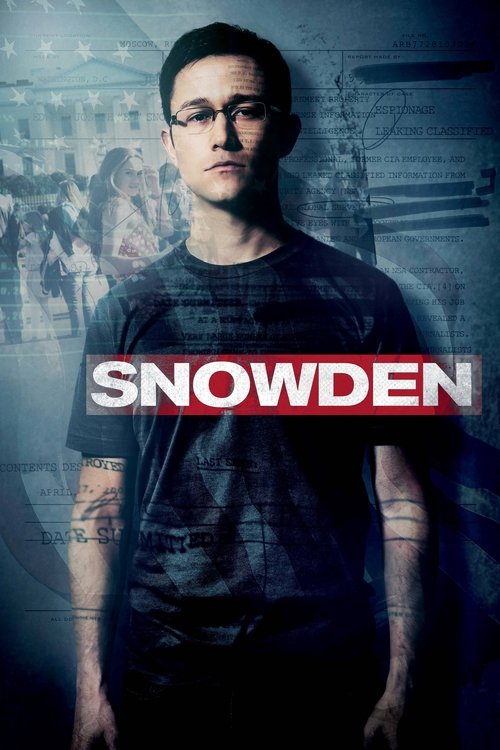
Whether you think the real Edward Snowden is a traitor or a patriot, “Snowden” is a terrific film — and director Oliver Stone’s best since “JFK” (1991).
Just know that he has a subject he cares about, a budget to execute his vision and the kinetic scriptwriting matched with narrative momentum that made films such as “Salvador,” “Platoon” and “JFK” so memorable.
It's a perpetual tale of innocence lost: The wounded warrior turning to anti-war activism (Born on the Fourth of July), the inspiring President felled by conspirators in Dallas (JFK), the hungry trader consumed by a rigged financial system (Wall Street).
“Snowden,” which Stone and co-writer Kieran Fitzgerald adapted from two books about the real-life figure, turns out to be a relatively straightforward, sober-minded, even somewhat restrained film, a far more classical and conventional piece of filmmaking than the kaleidoscopic, conspiracy-minded “ JFK ” or the Shakespearean gloom of “ Nixon .”
It’s Oliver Stone’s best film since "JFK."
Punctuated by blink-and-you'll-miss-them moments of hallucinatory artistry, it's also Stone at his best, breaking from his self-assumed role as big-screen provocateur ("JFK," "Natural Born Killers") and getting back to telling visceral, unflinching stories ("Platoon," "Born on the Fourth of July") that combine two of his favorite topics: illegal drug use and the psychic toll of military service.
There are two, maybe three, Oliver Stones: the revisionist historian who drives Washington literalists batty with such lurid re-imaginings as “ JFK ” and “ Nixon ,” the straight-ahead mainstream auteur who limns the American experience in such magisterial dramas as “ Born on the Fourth of July ” and “ Platoon ,” and the all-to-the-wall hellion who extrudes that same experience through hallucinatory dreamscapes and lurid violence in genre films such as “ Natural Born Killers .”
At the confluence of altered states and state-sanctioned violence, this drug-fueled thriller is Stone's most successfully provocative picture since "JFK."
While he doesn’t drift into the ADD approach that made movies like JFK and Natural Born Killers so electrifying, he does deliver differing visuals to capture the beach and bloodshed of this particular scene.
While making such movies as "JFK" and "Natural Born Killers," Stone seemed fearless, both in what he put on screen and how he put it there.
But mostly Stone has been fair and balanced toward his subject matter in films like "The Doors," "Nixon," "U Turn," "Any Given Sunday," "Alexander," "World Trade Center," and "W."
While Oliver Stone has yet to direct a memorable feature in this 21st century — World Trade Center, W. and Wall Street: Money Never Sleeps are raging mediocrities, while Alexander and Savages are downright awful — there existed a decade-long stretch when he was one of this nation's most interesting and uncompromising filmmakers, crafting such controversial conversation starters as JFK and Natural Born Killers (and, of course, finding more universal acceptance with his Oscar-winning Platoon).
But just because there are no "JFK" or "Nixon" conspiracy theories here, don't think this nightmarish trip through paranoia-ville is any more mainstream in its approach than his past few films.
Controversial filmmaker Oliver Stone ("JFK"/"Platoon") directs a modern film noir based on the book Stray Dogs by John Ridley.
But signs emerged in the reckless satiric tone of Natural Born Killers and ambivalent moral judgment of Nixon that Stone was growing dissatisfied with the righteous declamation of earlier films such as JFK and Born on the Fourth of July.
I learned that lesson while enduring the seemingly-endless tedium of The Doors, and was reminded of it during some of the long, drawn-out portions of JFK.
Admittedly, he has taken very personal points of view toward controversial subjects in several of his pictures like "Platoon," "Salvador," "Wall Street," "Talk Radio," and "Born on the Fourth of July"; and he has been stylistically over-the-top in at least one picture, "Natural Born Killers."
The style of “JFK” colored many of the films that followed (including the better ones like “Natural Born Killers” and the real stinkers like “Nixon”).
Oliver Stone has directed a number of fine films, many of which you could call “prestige pictures,” that have included “Platoon,” “Born on the Fourth of July,” “JFK,” “Nixon,” and “Wall Street.
To these ends, Stone employs the techniques—shifting film stocks, color filters, unnatural camera angles, non-diegetic inserts, and so on—he used to such success in JFK and, later, Nixon .
Reteaming with Oscar-winning JFK cinematographer Robert Richardson, Stone shoots Killers in 35mm, 16mm, 8mm, and video, cutting amongst them like a Super Bowl director.
Unlike, say, Oliver Stone’s JFK, that hoped to unravel the contradictory conclusion of the Warren Commission to suggest another theory on the assassination of the President, Fincher is fine with Zodiac remaining an enigma.
In that, Fincher's film is a cousin to Akira Kurosawa's Stray Dog (1949) and High and Low (1963), Alan J. Pakula's All the President's Men (1976) and Oliver Stone's JFK (1991).
As a procedural, we hear the words but not the music, lacking the emotional informational overload that Oliver Stone was able to play so well during JFK.
Zodiac‘s screenplay is as labyrinthine as Oliver Stone’s JFK, but Fincher never lets things become a preachy or ponderous commentary.
Dizzyingly dense, intricate in the extreme, Zodiac is the most information-packed procedural since JFK, though far more restrained when it comes to theorizing.
Sublimating all of the visual trickery that distinguished his previous films from the b- and c-grade genres from whence they came, Fincher creates a righteous epic about San Francisco's Zodiac killer and in so doing offers a cathartic close to the exact kind of serial tomes that made his name as an a-list moviemaker.While presented as a largely linear retelling of the crimes and their subsequent investigation by authorities, Zodiac is essentially the JFK of true-crime thrillers: a swirling mass of misinformation and conspiracy theory where the truth is always just out of reach.
Advertisement

It opens like Beckett or Ionesco with a stage manager (Jack Plotnick) setting up chairs and a sheriff (Stephen Spinella) climbing out of the trunk of a squad car to deliver a speech about all films — “E.T.,” “J.F.K.,” “Chainsaw Massacre” ‒ possessing an element of “No Reason.”
One of his examples is about Oliver Stone’s JFK, in which -- the cop “reminds” us -- suddenly, out of nowhere, for no reason, someone shoots the President.
It begins with a policeman speaking directly to the camera, telling us "all great films without exception create an element of 'no reason," using weird examples like "The Pianist" and "JFK," because they were the last two films in Dupieux's Netflix, I guess.
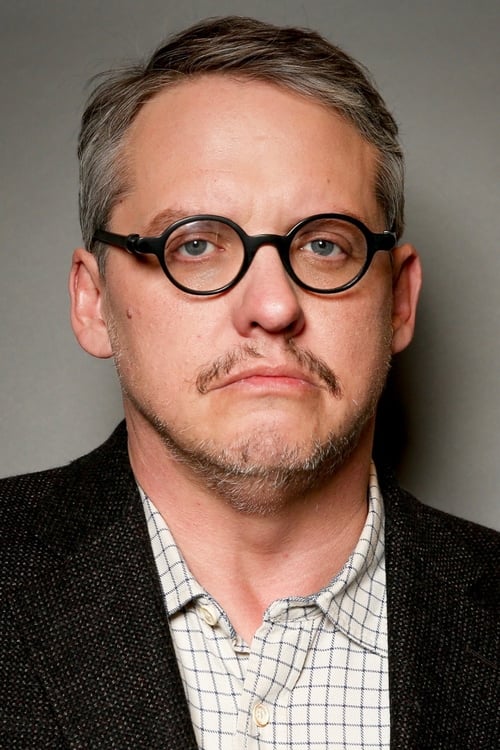
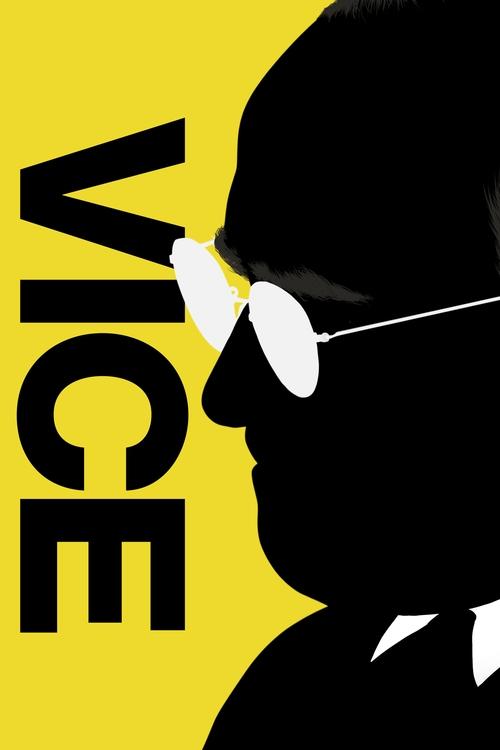
Afortunadamente para quienes tienen prejuicios ante este tipo de biopics que giran alrededor de personalidades “ilustres” de la política, El vicio del poder se desmarca radicalmente de la mayoría de los tópicos que caracterizan a este tipo de cine que tendría algunos de sus más destacados representantes en el Alan J. Pakula de la fundamental Todos los hombres del presidente (1976), que plasmó en la gran pantalla las consecuencias del escándalo Watergate, o, sobre todo, en el siempre polémico y visceral Oliver Stone, director que, a lo largo de su carrera, ha retratado a algunos de los más grandes líderes norteamericanos (con sus luces y sombras) mediante títulos como JFK (1991), Nixon (1995) o aquel W. (2008) protagonizado por Josh Brolin en la piel de George W. Bush y en el que Richard Dreyfuss ya realizó una aproximación secundaria a la figura de Cheney, que bien podría funcionar estupendamente como parte de un interesante programa doble junto al filme de McKay.
From its tart, angry true-story disclaimer to its meta mid-credits scene, Vice proves as strikingly original in form as Oliver Stone’s JFK .
This doesn’t have to be fatal: JFK , while it had little to do with the truth, was an entertaining frolic in the nutty brambles of Oliver Stone’s derangement.
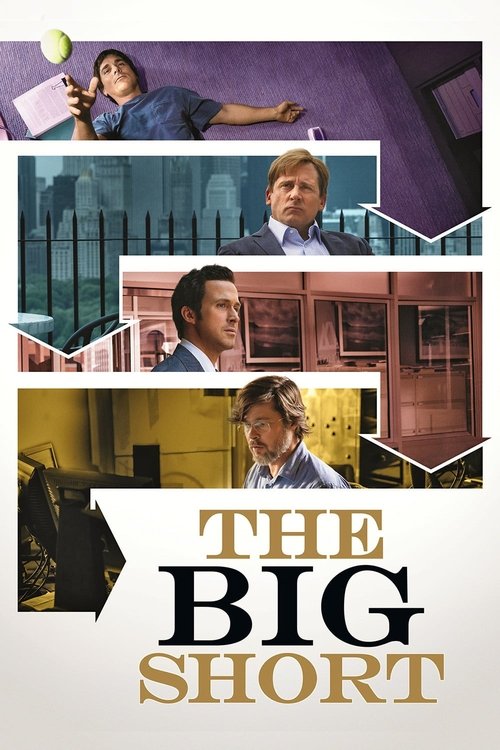
Since his baptism of fire on such teeming Oliver Stone hornets’ nests as JFK and Natural Born Killers, Corwin has worked selectively, adding two Terrence Malick epics to his resumé, and he cuts The Big Short with his usual instinct for allusive, propulsive storytelling, moving us along at a clip yet not too fast to process everything.
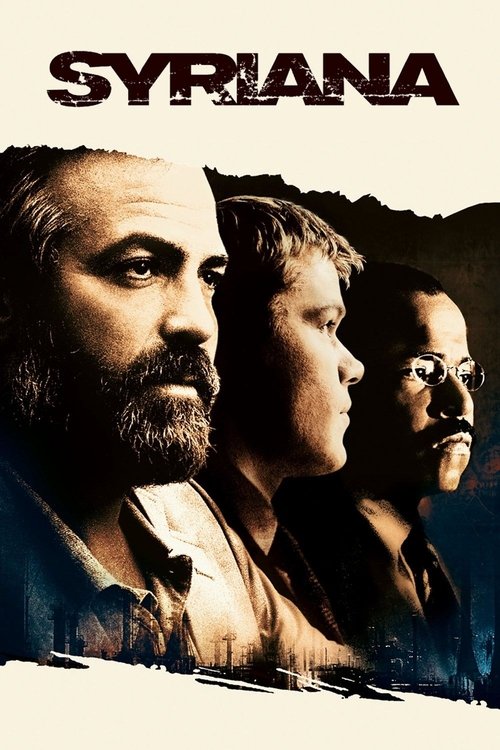
I believe that much of Oliver Stone's JFK is well constructed fiction, but that doesn't prevent it from being compelling and a source of endless speculation and interest.
The frenetic pace makes you feel Stoned, as in director Oliver, who might applaud the film's sensory assault to the region of the brain that induces drool over intrigue and background dealings in the manner of "JFK."
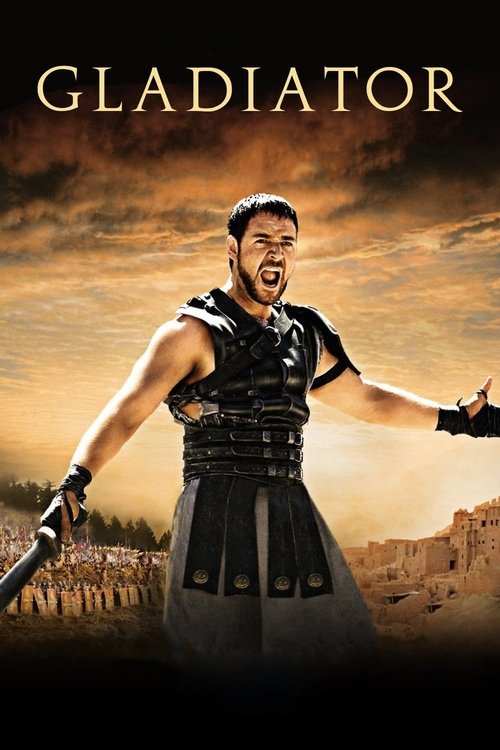
Wrecking an area of Britain that had previously been scheduled for deforestation, the struggle utilized 16,000 flaming arrows and 10,000 of the non-flaming variety, not to mention fully functional catapults in a violent conflagration made a bit more palatable by the lightning editing of Pietro Scalia (who cut Oliver Stone's "JFK").
The sequence's only major flaw is that its cutting is too quick and jumbled—editor Pietro Scalia seems to think he's still working on JFK—to clarify the geographical relationships between the different batallions of soldiers.
Advertisement
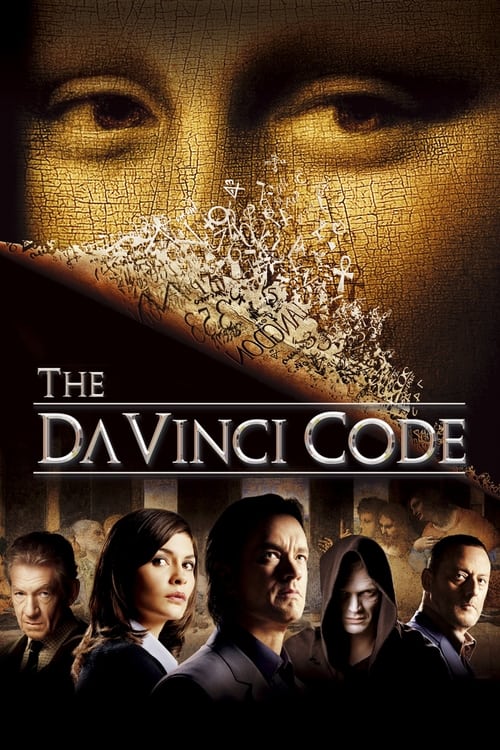
Trying to extract a theology lesson from this film makes about as much sense as watching Oliver Stone's "JFK" to learn the truth about the Kennedy assassination.
Michael Mann ("Manhunter"), John Milius, ("Dillinger,") and Oliver Stone ("JFK," "J.