
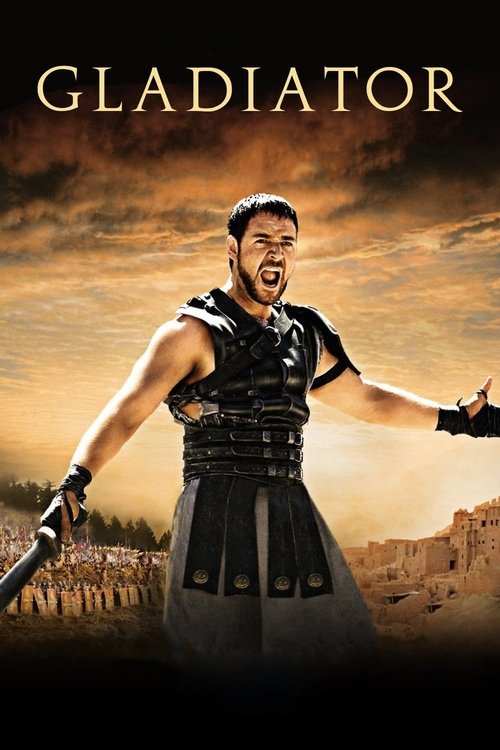
Gladiator (2000)
Directed by Ridley Scott
After the death of Emperor Marcus Aurelius, his devious son takes power and demotes Maximus, one of Rome's most capable generals who Marcus preferred. Eventually, Maximus is forced to become a gladiator and battle to the death against other men for the amusement of paying audiences.
52 connections found
View:
52 films that influenced Gladiator
What critics say influenced Gladiator



In a story that borrows heavily from The Ten Commandments, with generous sprinklings of Braveheart and Spartacus thrown in, Crowe plays Maximus, the winningest Roman general since Julius Caesar.
The late Oliver Reed is fine as the gladiator overseer, a nod to the great Peter Ustinov in Spartacus, but is never allowed to let 'er rip comically.
We are trapped not in the grim paranoid future of "Blade Runner" but in a turbulent past: the Roman Empire, which, with all its gaudiness and corruption, has continuously fascinated moviemakers from the first great spectacle movie, Italy's "Cabiria" (1914), right up through the '60s, with Stanley Kubrick's "Spartacus" and Federico Fellini's "Satyricon."
Forty years ago they would have cast Kirk Douglas in this kind of action epic, as they did in "Spartacus".
On the inevitable comparison scale of Roman epics, where "Spartacus" and "Ben-Hur" (both 1926 and 1959) are 10s and that debacle of a "Cleopatra" miniseries from last year is a zero, "Gladiator" is about a five.
It's impossible to watch Stanley Kubricks Spartacus (1960), William Wyler's Ben-Hur (1959), or even Mario Bava's Hercules in the Haunted World (1961) without a silly grin on your face.
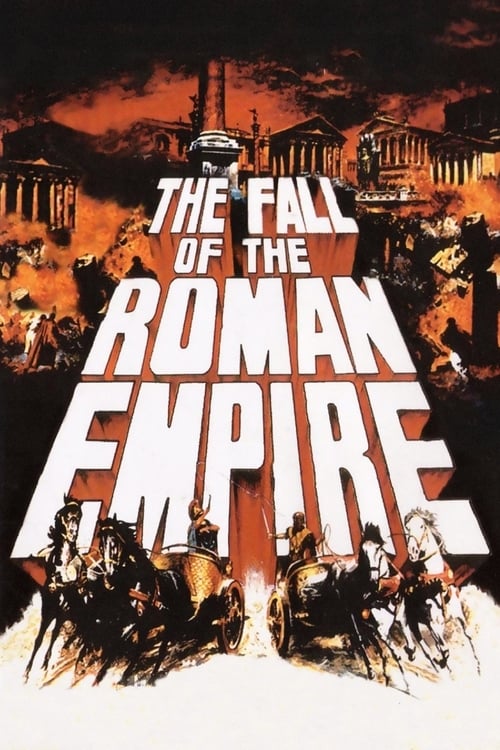
A Cinemascope epic retrofitted for the CGI age, Gladiator combines the autumnal Rome setting of The Fall Of The Roman Empire with the gladiatorial theatrics and populist politics of Spartacus and the nobleman-made-lowly plot of Ben-Hur .
Ridley Scott and the boys from DreamWorks produced the first genuine Roman epic since 1964's The Fall of the Roman Empire with this virtual remake that deals with the transition of power from the sage-like Marcus Aurelius to his monstrous son, Commodus.
Comparisons to Spartacus and The Fall of the Roman Empire are overzealous, but Gladiator does have enough going on both inside and outside the heads of the protagonists to keep us thinking and feeling.
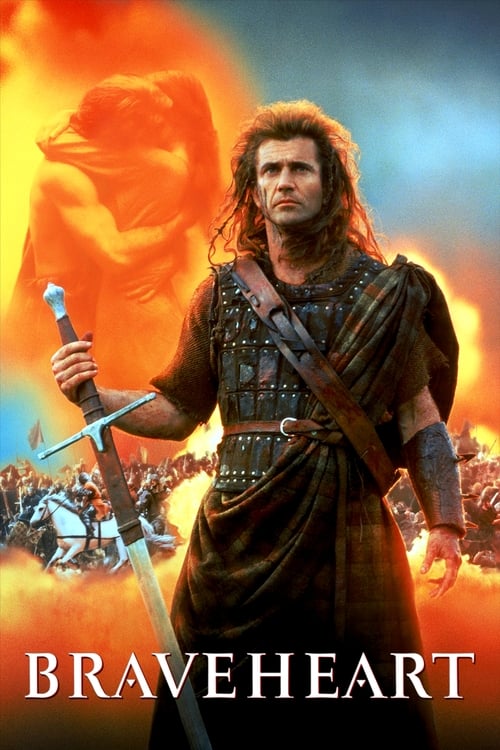
In a story that borrows heavily from The Ten Commandments, with generous sprinklings of Braveheart and Spartacus thrown in, Crowe plays Maximus, the winningest Roman general since Julius Caesar.
Braveheart, Glory, Excalibur, The Last of the Mohicans � these films remind me that there are things worth fighting for, and times when it is better to go down standing up than to live a long and lonely life on your knees.
It's dead on that level, too, unless you haven't seen Braveheart or even Hamlet, from which the climactic fight borrows.
And so we return to the dilemma that made Braveheart such a crowd pleaser...and Mad Max...and [insert more Mel Gibson blockbuster revenge stories here.]
You could also think of the gory impact of the battles in “Braveheart” but, most of all, the film follows the classic story arc of revenge movies like “Conan The Barbarian”.
By turns nimble and bludgeoning, Maximus alone narrowly escapes, and away we go with a by-the-numbers retread of The Outlaw -- Josey Wales or Braveheart, albeit one with astonishing Roman production design (Arthur Max) and costumes (Janty Yates).
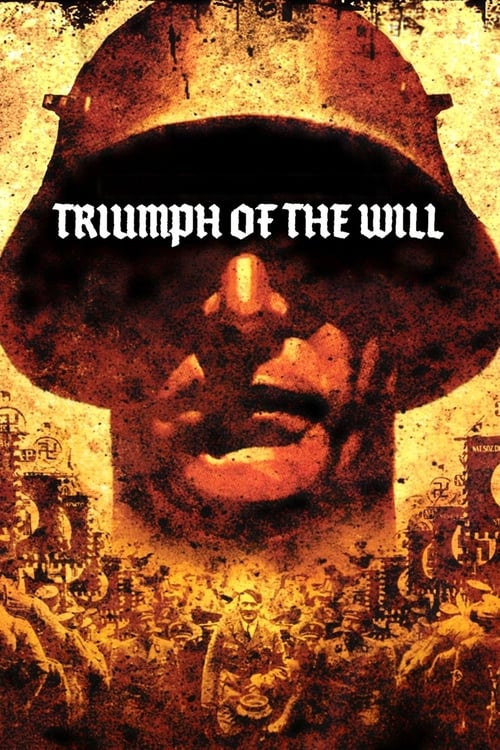
There are also some arty indulgences, including Maximus’ bleached-out visions of his own death, shots of speeded-up clouds scudding over the desert, and black-and-white parade scenes that are clearly intended to evoke both Nazi-era Berlin and “Triumph of the Will.”
Soldiers move in formations out of Leni Riefenstahl's "Triumph of the Will."
Advertisement
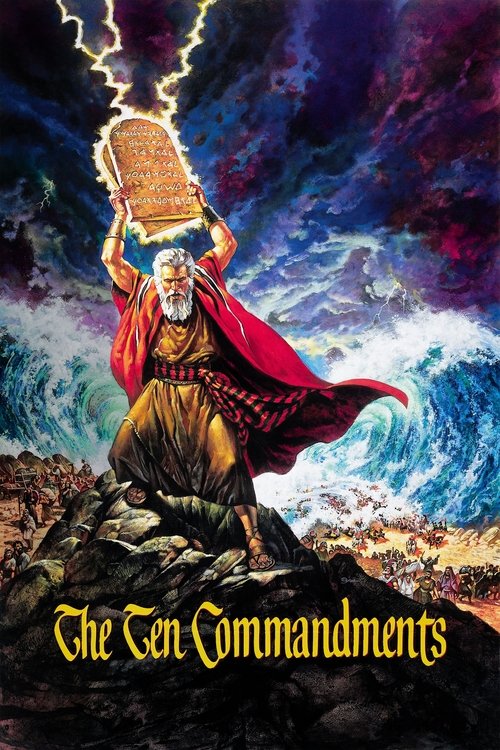
In a story that borrows heavily from The Ten Commandments, with generous sprinklings of Braveheart and Spartacus thrown in, Crowe plays Maximus, the winningest Roman general since Julius Caesar.
No director or studio since the ‘50s-into-‘60s heyday of Technicolor spectacles (The Ten Commandments, Cleopatra) would attempt a historical film of this magnitude, with full recreations and casts of thousands.
Actually, it is similar to The Ten Commandments .

This is a movie about a guy who loves his family, not unlike Mel Gibson in Mad Max.
And so we return to the dilemma that made Braveheart such a crowd pleaser...and Mad Max...and [insert more Mel Gibson blockbuster revenge stories here.]
Gibson's signature body of work, from George Miller's "Mad Max" movies to those "Lethal Weapons," comes to mind.
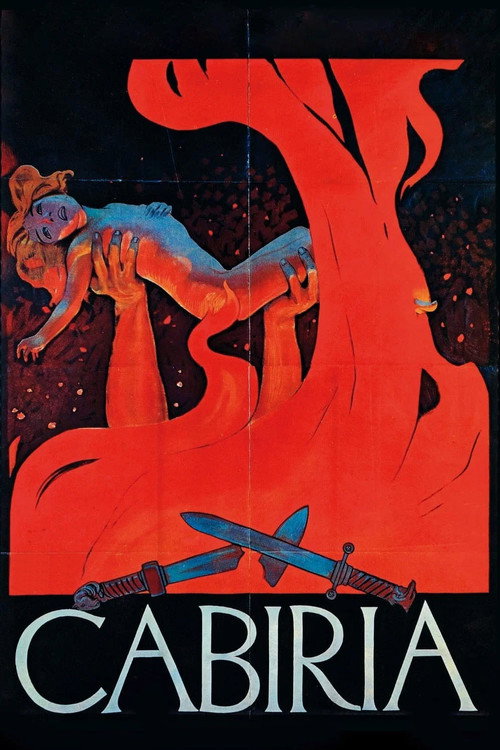
We are trapped not in the grim paranoid future of "Blade Runner" but in a turbulent past: the Roman Empire, which, with all its gaudiness and corruption, has continuously fascinated moviemakers from the first great spectacle movie, Italy's "Cabiria" (1914), right up through the '60s, with Stanley Kubrick's "Spartacus" and Federico Fellini's "Satyricon."

Watching him in his snits, I recalled Peter Ustinov's great Nero in "Quo Vadis" (1951), collecting his tears for posterity in tiny crystal vials.
Advertisement
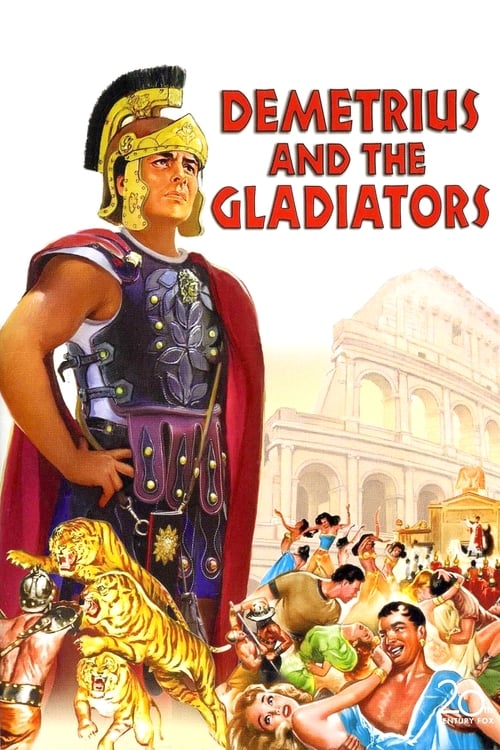
For a while, at least, “Gladiator” sheds its dour pretensions and slides toward the enjoyable-trash vein exemplified by Victor Mature in “Demetrius and the Gladiators” or Steve Reeves in “Hercules Unchained.”
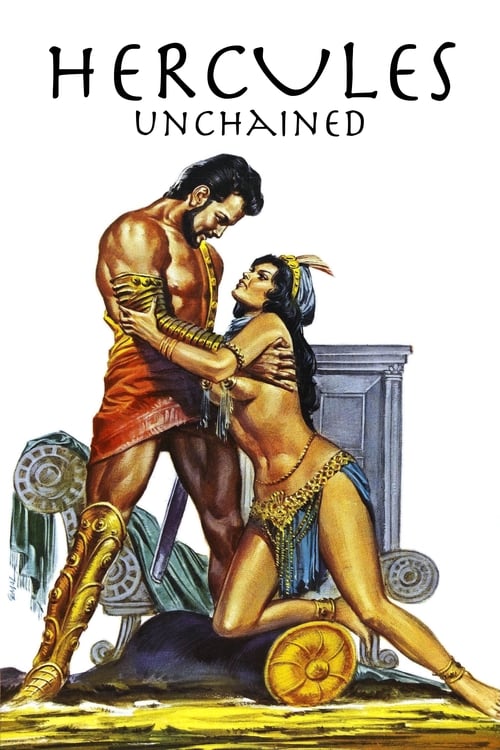
For a while, at least, “Gladiator” sheds its dour pretensions and slides toward the enjoyable-trash vein exemplified by Victor Mature in “Demetrius and the Gladiators” or Steve Reeves in “Hercules Unchained.”