
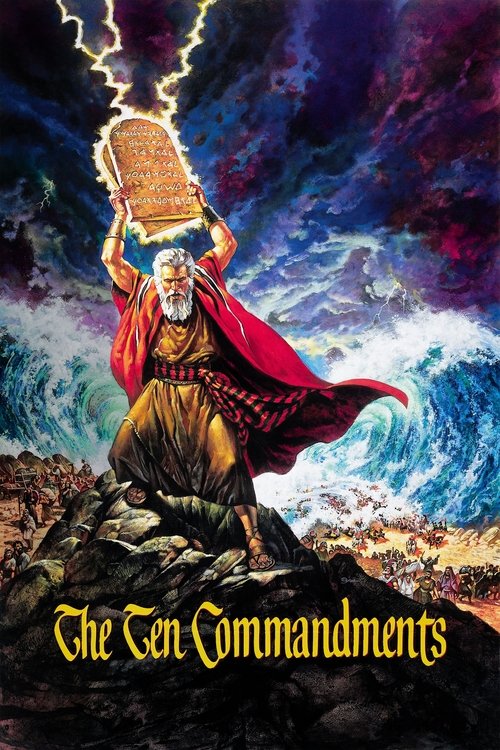
The Ten Commandments (1956)
Directed by Cecil B. DeMille
Escaping death, a Hebrew infant is raised in a royal household to become a prince. Upon discovery of his true heritage, Moses embarks on a personal quest to reclaim his destiny as the leader and liberator of the Hebrew people.
29 connections found
View:
29 connections, in both directions
What critics compared The Ten Commandments to



The popularisation of epics in the vein of Cecil B. DeMille’s The Ten Commandments and William Wyler’s Ben Hur is also political.
Scant, that is, when compared to Cecil B. DeMille, who needed a good 220 minutes back in 1956 in “The Ten Commandments.”
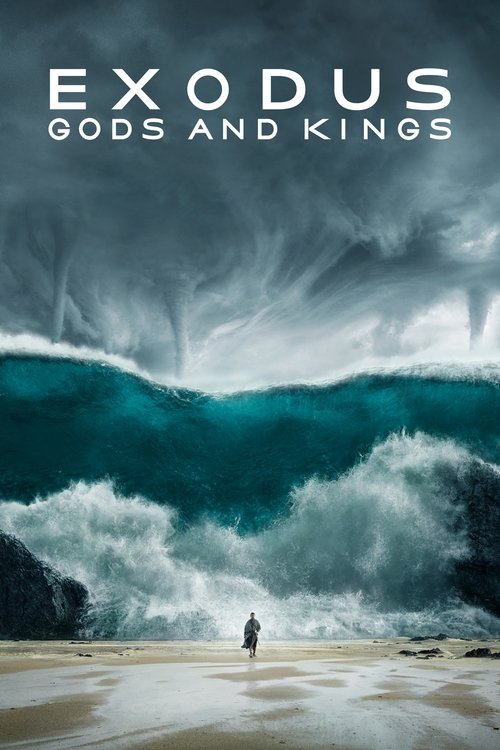
Ridley Scott’s grand and goofy take on Cecil B. DeMille’s holiday chestnut, The Ten Commandments, is a scant two-and-a-half hours compared to Paramount Pictures’ 1954 three-hour-plus marathon, and while Exodus is not quite as much fun (the reflective properties of Yul Brynner’s pate are sorely missed), it is very much in the tradition of Fifties and Sixties-era Biblical epics – and much more entertaining than Darren Aronofsky’s recent Noah.
Scott, a filmmaker who can often paint stunning visions on a wide canvas and still delve around the narrow, detailed corners of a story, gets lost in a production that’s every bit as grand and massive as either of Cecil B. DeMille’s versions of The Ten Commandments .
Unlike Cecil B DeMille's classic “The Ten Commandments” (1956) or the animated “The Prince of Egypt” (1998), it’s not funny or campy enough to be purely entertaining.
In the almost 60 years since Cecil B. DeMille made “The Ten Commandments,” movies have gotten very good at creating seas of blood, frog infestations and plagues of locusts.
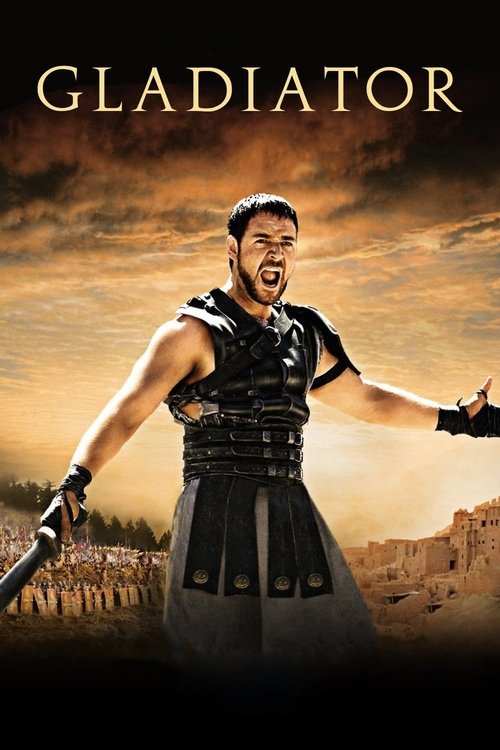
In a story that borrows heavily from The Ten Commandments, with generous sprinklings of Braveheart and Spartacus thrown in, Crowe plays Maximus, the winningest Roman general since Julius Caesar.
No director or studio since the ‘50s-into-‘60s heyday of Technicolor spectacles (The Ten Commandments, Cleopatra) would attempt a historical film of this magnitude, with full recreations and casts of thousands.
Actually, it is similar to The Ten Commandments .
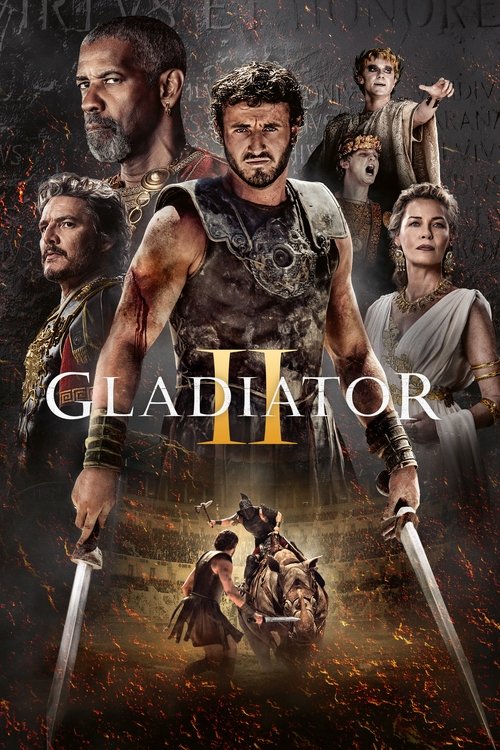
It is basically the sibling rivalry of Cecil B. DeMille's “The Ten Commandments” (1956) meets “Spartacus” (1960), but without as much colorful pageantry, more wooden dialogue and zero theatricality.
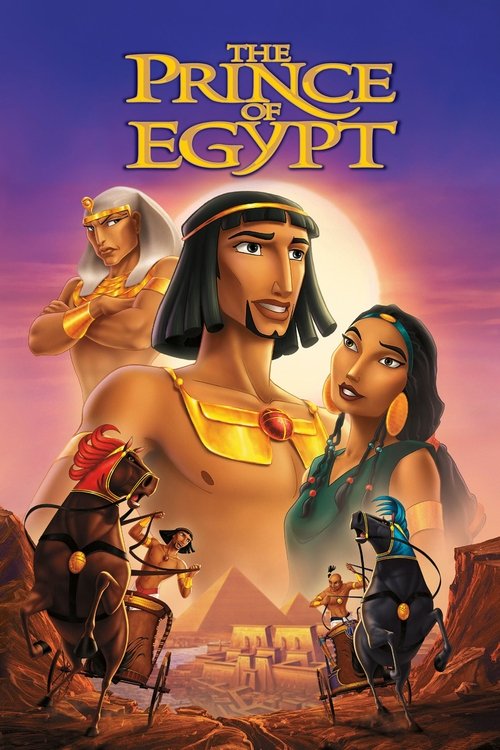
But in Rameses, in him we can see the pain of being abandoned by a loved one, and while reducing the Exodus story to "Pharaoh was upset at Moses and took it out on the Hebrews" is terribly theology, it's remarkably compelling drama (this is all ultimately taken from the 1956 epic The Ten Commandments , but the DreamWorks version is infinitely more intimate than DeMille's starchy melodrama).
The tale has inspired countless plays, a renowned oratorio (Handel's "Israel in Egypt"), and one of the most beloved epic motion pictures of all time (Cecil B. De Mille's The Ten Commandments).
No one is denying that the parting of the red sea scene from "The Ten Commandments" is a powerful special effect (especially for it's time).

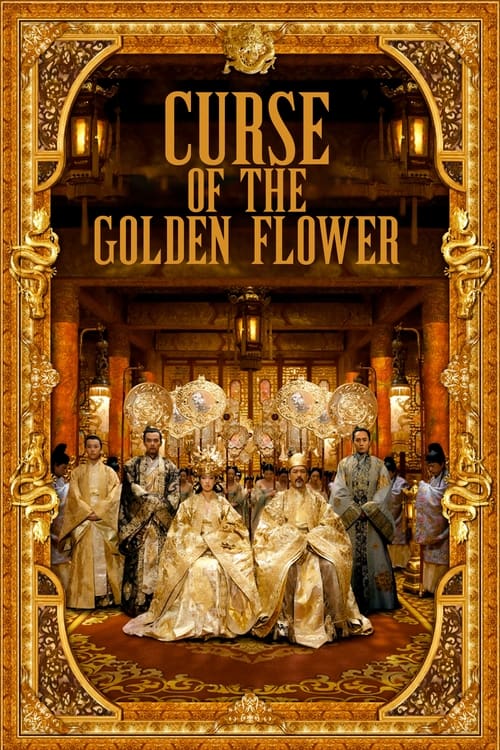
There is no imitative quality to "Curse of the Golden Flower," but for cinastes it will recall the grandeur of the Babylonian sequence of D.W. Griffith's "Intolerance" and of Fritz Lang's "Die Nibelungen," Shakespearean tragedy in general and in particular "Ran," Akira Kurosawa's version of "King Lear." "Curse" also has some of the heady floridness of Cecil B. DeMille's second version of "The Ten Commandments."

“The Great Wall” may be DeMille-like, but it’s a lot closer to “Godzilla” than “The Ten Commandments.”
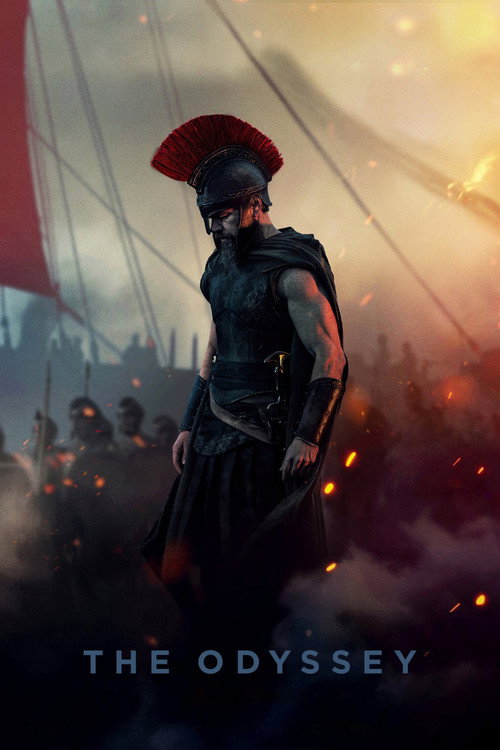
There are moments that evoke the awe of “Lawrence of Arabia,” the monumental scale of “The Ten Commandments,” and even the existential grandeur of “2001: A Space Odyssey.”
In the 1950s and 1960s, The Ten Commandments, (1956), Ben-Hur, (1959) The King of Kings, (1961), and The Greatest Story Ever Told (1965) had white American actors of non-Greek descent playing Ancient Greeks.
…he would still fit in a Cecil B. DeMille film…
Advertisement

The environmental apocalyptic sequences showed Baumbach has a potential flare for epic action and could compete with the likes of Roland Emmerich with a homage to Cecil B. DeMille’s Angel of Death scene from “The Ten Commandments” (1956).
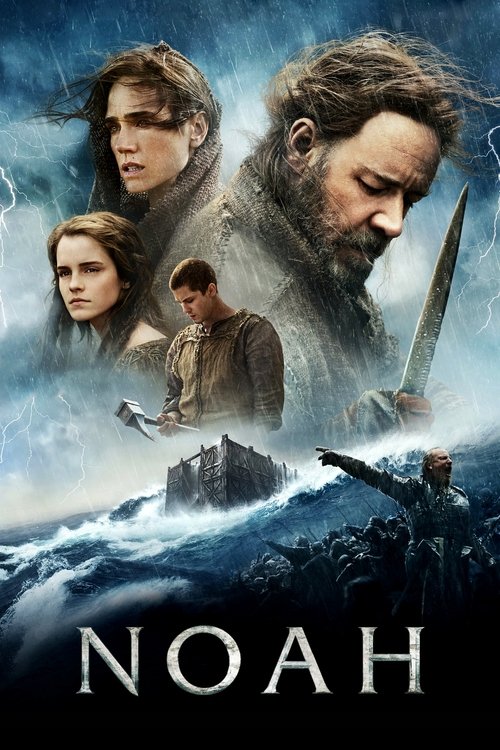
It isn’t “The Ten Commandments” and Crowe is no Charlton Heston.
While director Darren Aronofsky (“Black Swan’’) isn’t above trying to goose his Scripture with a little PG-13 sex and violence, as entertainment, this epic ultimately lands roughly midway between Cecil B. DeMille’s high-camp “The Ten Commandments’’ and the high-art provocations of Martin Scorsese’s “The Last Temptation of Christ.’’
The result is a movie that forgoes all the fun of the Cecil B. DeMille era of “The Ten Commandments” or “Samson and Delilah.”
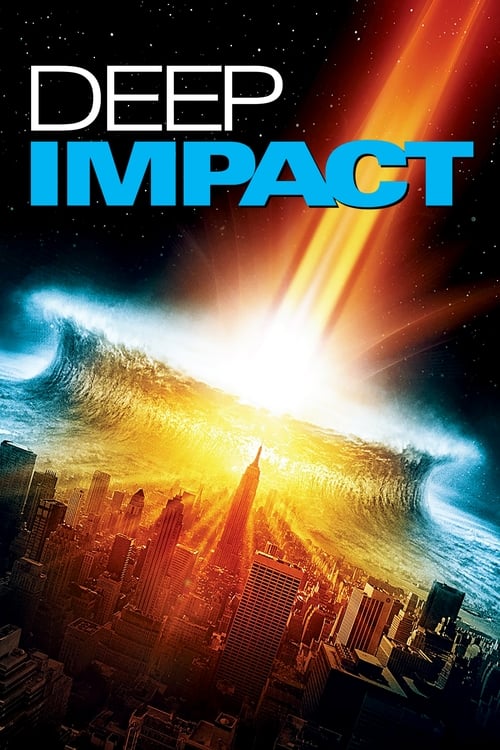
A thousand-foot-high tidal wave swamps the East Coast, and I couldn't help thinking of the parting of the Red Sea ( "The Ten Commandments" ).
But the effects computers at Industrial Light and Magic are working overtime, too, producing cataclysmic shots reminiscent of Titanic , Twister, and even The Ten Commandments.

It’s a fantastical family adventure that combines the sheer scope of films like “Ben-Hur” and “The Ten Commandments,” with their vast palatial sets and processionals with hordes of extras, infused with the extravagant space battle scenes from the “Star Wars” films.
Advertisement
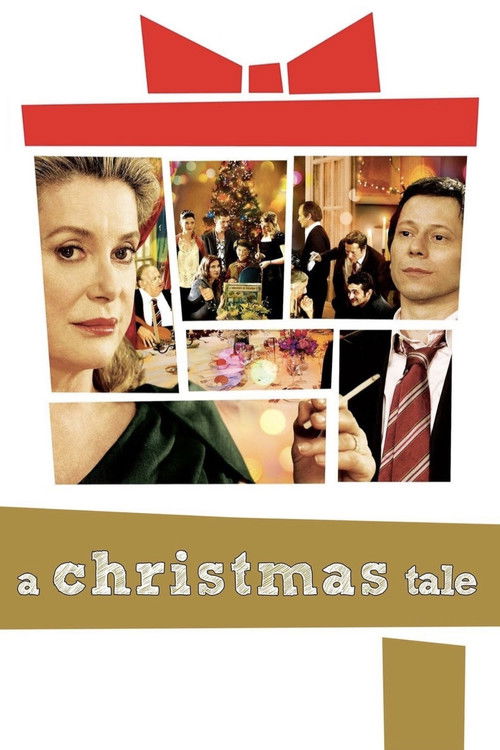
Details, like Abel's ritual of visiting Joseph's grave on Christmas Eve rather than the anniversary of his death, or Junon's trek to midnight mass as most of the family watches "The Ten Commandments" on television, are on the nose about the different personal rituals each family has.
First, everybody slumps in front of “The Ten Commandments” on TV, turning glazed eyes upon the mighty beard of Charlton Heston as he conjures the parting of the Red Sea.
And it definitely lacks the pomp and circumstance that made arguable classics out of such films as the 1956 version of "The Ten Commandments."
Turning away from the splashy spectaculars of the Cecil B. DeMille school ("The Ten Commandments," "The Sign of the Cross," etc.), Hardwicke and screenwriter Mike Rich have opted instead for a reasonably realistic treatment of the story of Mary and Joseph.