
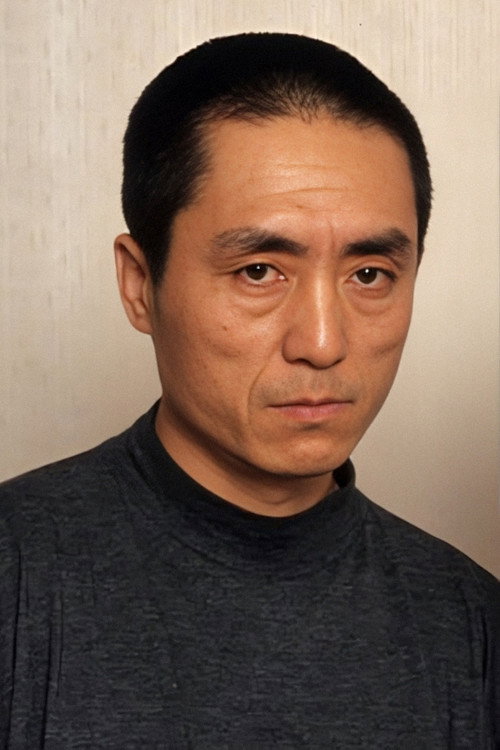
Zhang Yimou
69 connections found
Filmography
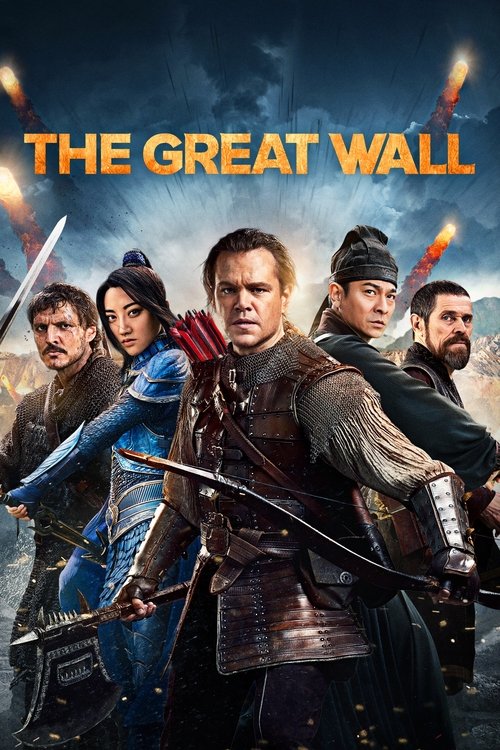 The Great Wall 2016
 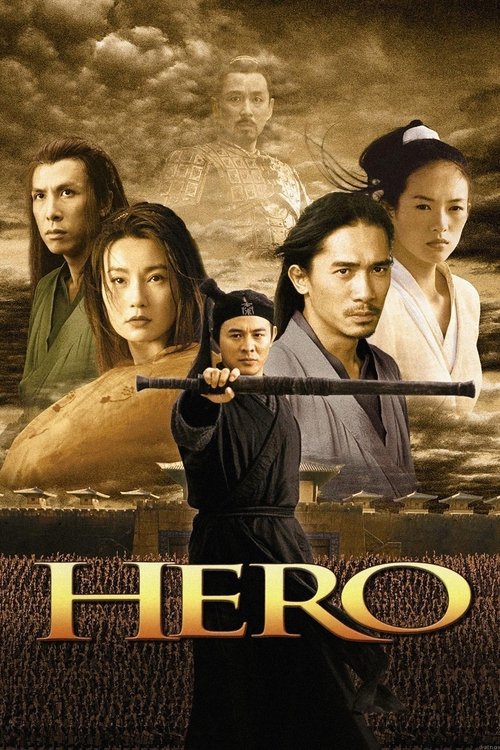 Hero 2002
 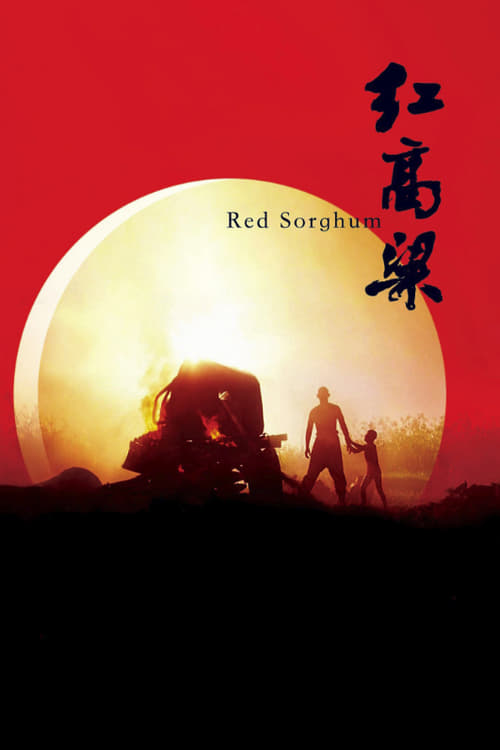 Red Sorghum 1988
 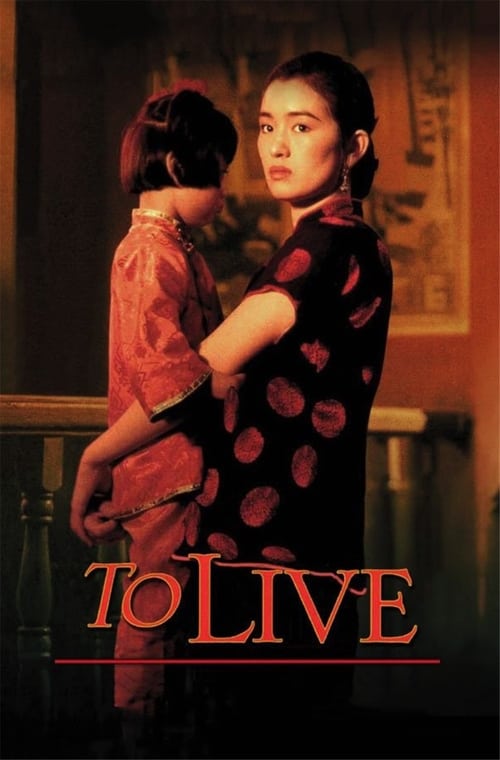 To Live 1994
 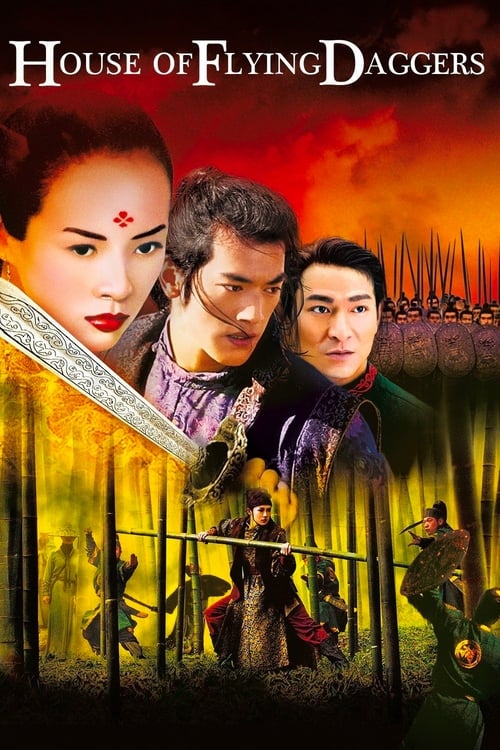 House of Flying Daggers 2004
  Cliff Walkers 2021
 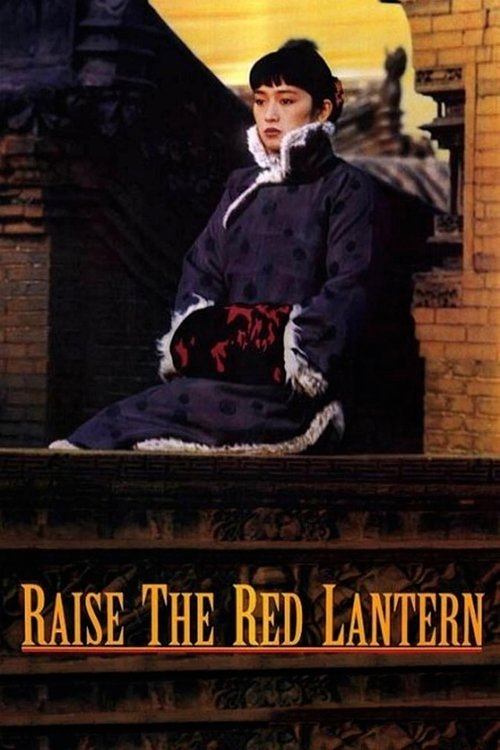 Raise the Red Lantern 1991
 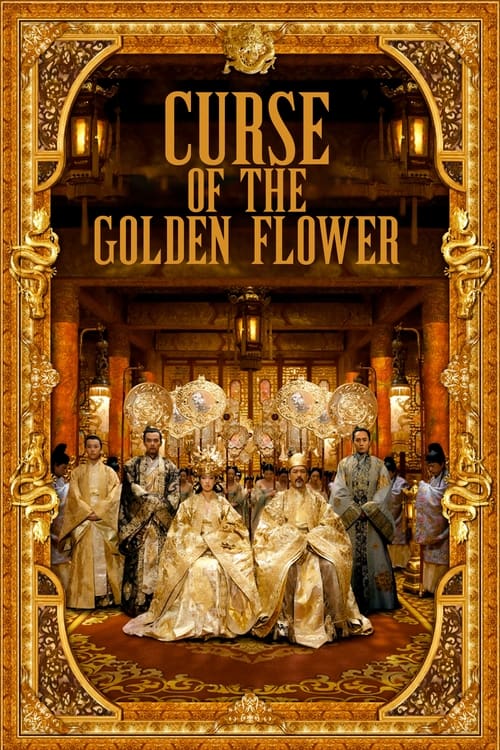 Curse of the Golden Flower 2006
  The Road Home 1999
  Ju Dou 1990
  The Story of Qiu Ju 1992
  The Flowers of War 2011
 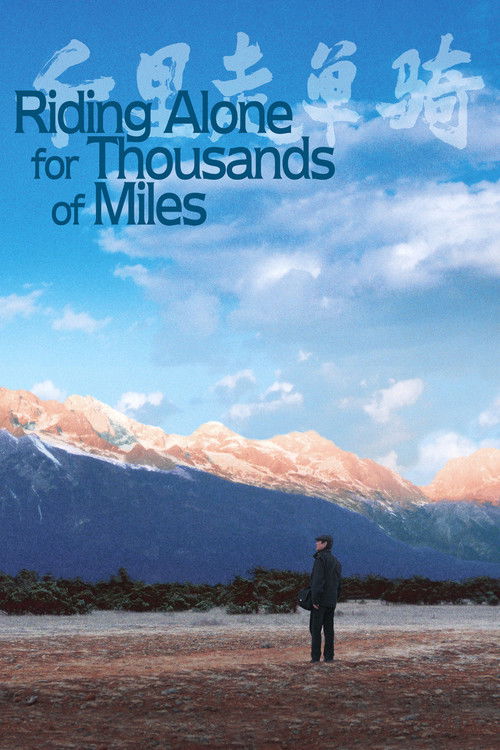 Riding Alone for Thousands of Miles 2005
  Shanghai Triad 1995
  Not One Less 1999
 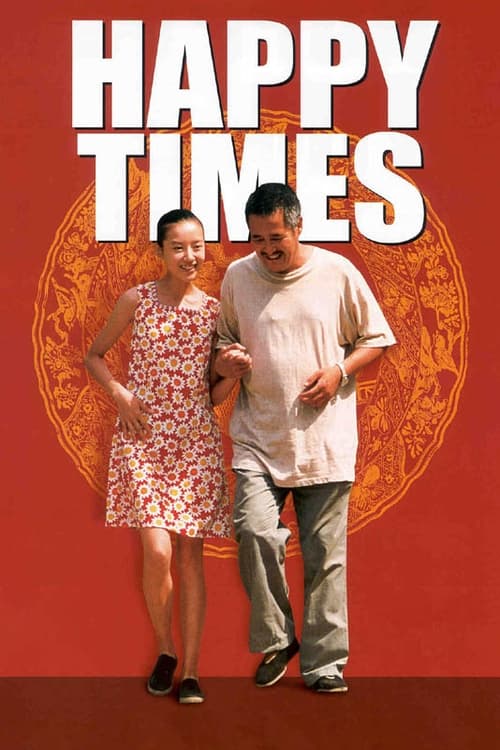 Happy Times 2000
 View:
Connections, in both directions
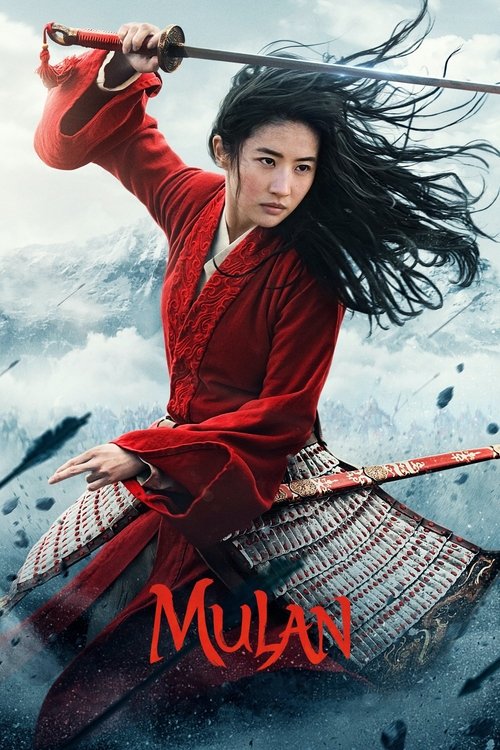
Mulan (2020)
Directed by Niki Caro
influenced by House of Flying Daggers (2004), The Great Wall (2016), Hero (2002), Curse of the Golden Flower (2006)
Visuals Characters Themes


What Movies Will It Remind You Of?: Director Niki Caro borrows a few elements of upper-tier Wuxia films such as Crouching Tiger, Hidden Dragon or House of Flying Daggers , but it ultimately shows more influence from historical battle epics like The Last Samurai .
Mulan is clearly inspired by the wuxia films that first became become popular on Western shores in the early 2000s — particularly the works of Zhang Yimou, who combined luxurious, intricately detailed costumes and vibrant splashes of color to create jaw-dropping visuals in films like House of Flying Daggers .
The new “Mulan” is more frankly a hybrid of Eastern and Western filmmaking styles, and if it lacks the poetic majesty of the best entries in the genre — Zhang Yimou’s “Hero” and “House of Flying Daggers,” Ang Lee’s “Crouching Tiger, Hidden Dragon,” King Hu’s classics in the late 1960s and early 1970s, Tsui Hark’s 1990s work — it’s solid enough to please family audiences and more than a few jaded adults.
And with Gong Li’s turn as a shapeshifting witch, the filmmakers might have tapped some of the camp deliciousness of Charlize Theron’s similar figure in Snow White and the Huntsman, or mined her instead for an operatic tragedy in the vein of House of Flying Daggers.
The notions of protectors and guardians are also key in a spirited story that’s part fable and part transformation of the original story into Wuxia warrior epic greatly inspired by the films of Zhang Yimou (“Hero” and “House of Flying Daggers,” in particular).
It clearly takes influence from wuxia films like Crouching Tiger, Hidden Dragon and House of Flying Daggers , along with western war epics like Gladiator and Kingdom of Heaven , but at its core the film Mulan clearly aspires to be compared to is Wonder Woman .
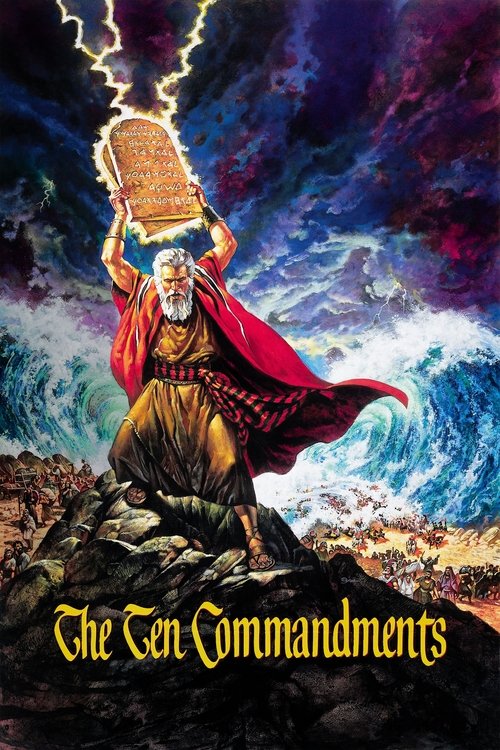
The Ten Commandments (1956)
Directed by Cecil B. DeMille
influenced Curse of the Golden Flower (2006), The Great Wall (2016)
Visuals Themes
There is no imitative quality to "Curse of the Golden Flower," but for cinastes it will recall the grandeur of the Babylonian sequence of D.W. Griffith's "Intolerance" and of Fritz Lang's "Die Nibelungen," Shakespearean tragedy in general and in particular "Ran," Akira Kurosawa's version of "King Lear." "Curse" also has some of the heady floridness of Cecil B. DeMille's second version of "The Ten Commandments."
“The Great Wall” may be DeMille-like, but it’s a lot closer to “Godzilla” than “The Ten Commandments.”
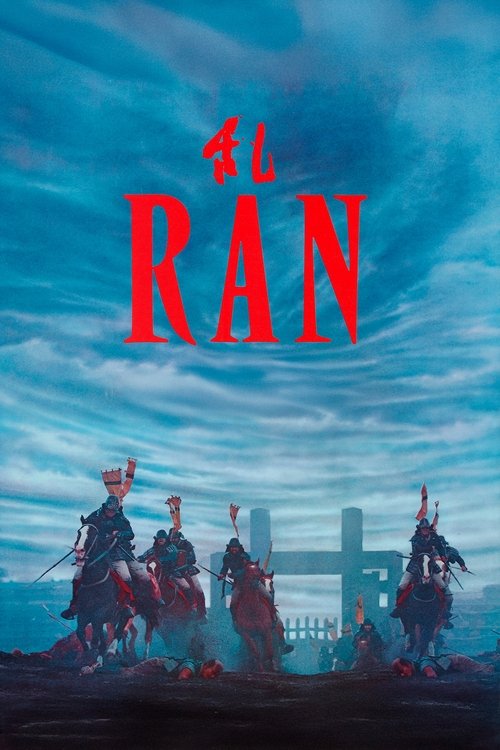
The Nameless Order combine a level of superhuman discipline and acrobatic combat acumen comparable to Peter Jackson’s elves with flamboyant color coordination by division, reminiscent of the color-coded armies in Akira Kurosawa’s Ran .

The key structure of the story is that of Rudyard Kipling’s “The Man Who Would be King” which was the source of inspiration for various films, the most important of which is the book adaptation with the same name starring Sean Connery and Michael Caine in 1976, while the most recent noteworthy descendant was Avatar in 2009.
The movie is a pale cross between the uber buddy film based on the Rudyard Kipling story "The Man Who Would Be King" and any one of the "Lord of the Rings" movies.
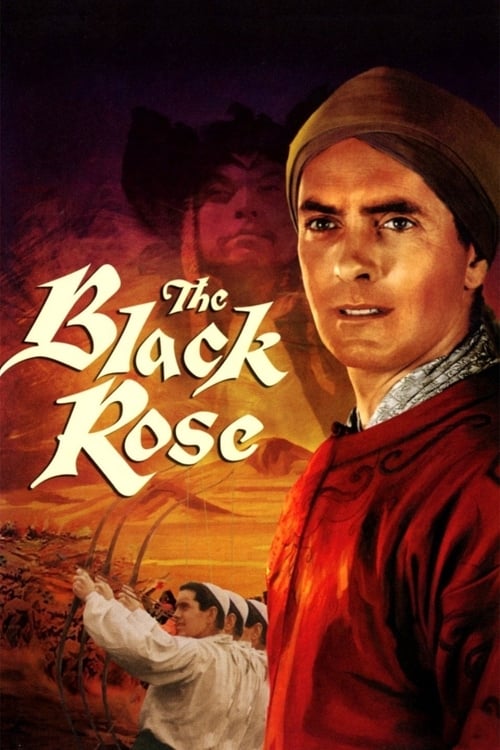
It is bad in spite of borrowing liberally from the 1950 Henry Hathaway cult classic “The Black Rose” (stream it!).
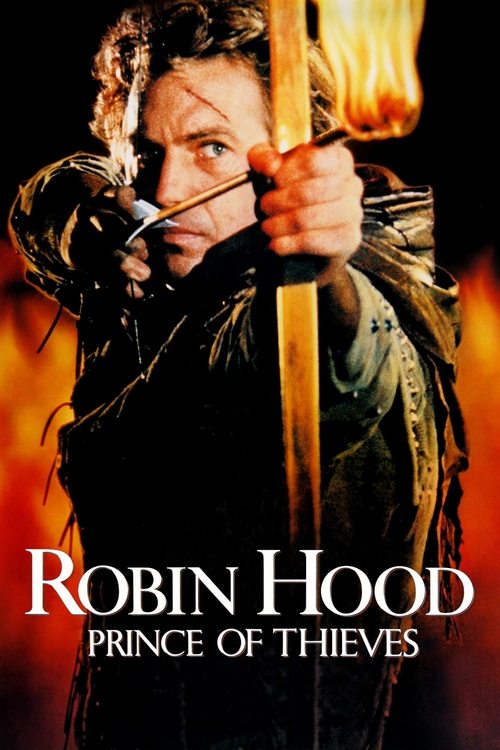
Robin Hood: Prince of Thieves (1991)
Directed by Kevin Reynolds
influenced The Great Wall (2016)
Dialogue
Nearly every line of dialogue exchanged between William and Tovar is banter so dated it feels lifted out of a ’90s action movie (and not one of the good ones; think “Robin Hood: Prince of Thieves” – and Damon’s unidentifiable accent is about as convincing in this as Kevin Costner’s was in that).
He’s perfectly matched by the beautiful Zhang, bringing much of the energy she brought to hits like “Crouching Tiger, Hidden Dragon” and “House of Flying Daggers.”
As a young girl she wowed in "Crouching Tiger, Hidden Dragon" (2000) and also "House of Flying Daggers" (2004).
You also have to fight the disappointment that Zhang has put away the wild and wildish things of Crouching Tiger, Hidden Dragon; Rush Hour 2; House of Flying Daggers; 2046; or the all-Mandarin version of Dangerous Liaisons.
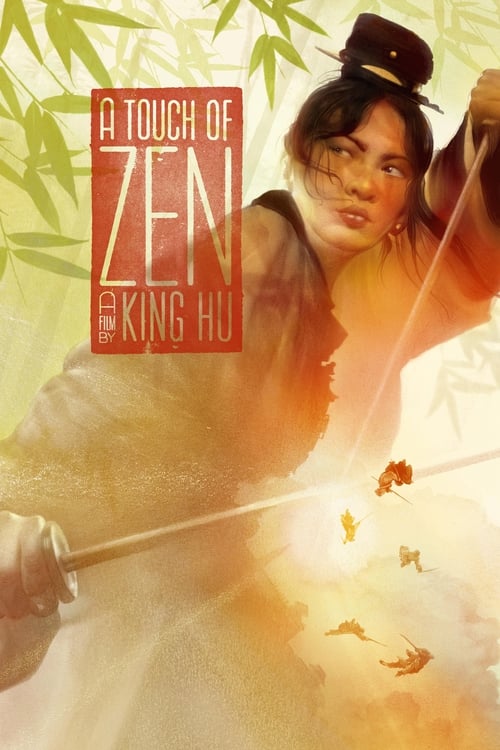
Though the new film is set in a visually striking bamboo forest -- like King Hu's vastly superior A Touch of Zen (1969) -- this film fails to create any visual depth or emotional menace.
Here's a poetic version of the battle in a bamboo forest found in Crouching Tiger, Hidden Dragon and House of Flying Daggers.
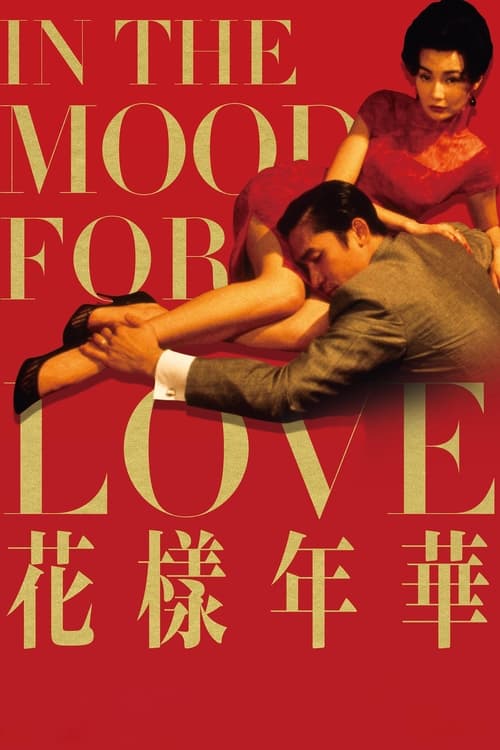
In the Mood for Love (2000)
Directed by Wong Kar-Wai
influenced House of Flying Daggers (2004)
Music
The score, by Shigeru Umebayashi (In The Mood For Love), is delightful, with motifs that knowingly reference Nina Rota's themes for The Godfather and Zefferelli's Romeo and Juliet.
The breathtaking imagery is given a highly romanticized score by composer Shigeru Umebayashi ("In the Mood for Love") with a theme sung by opera star Kathleen Battle.
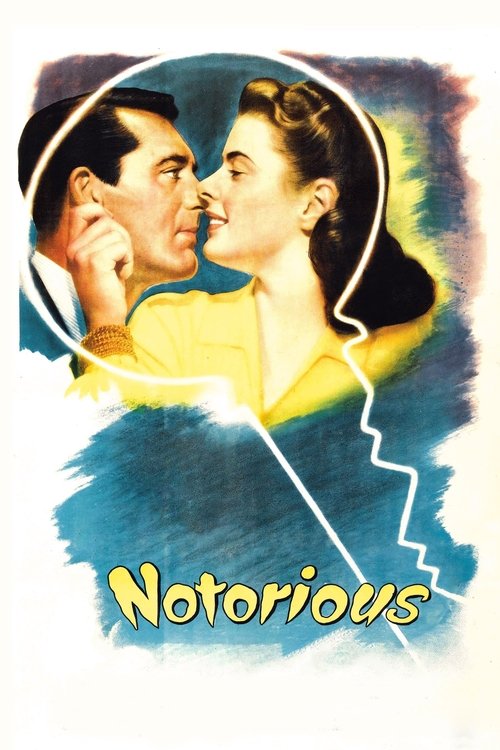
The plot is almost secondary to the glorious action, until the last act, which reminded me a little of the love triangle in Hitchcock's " Notorious " (1946).
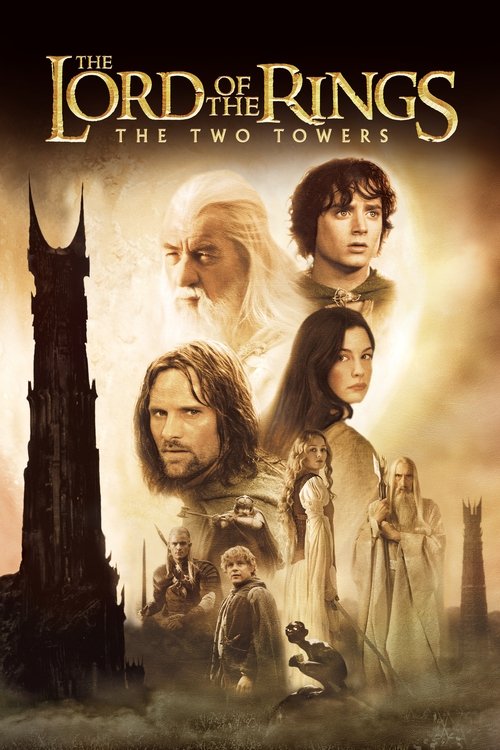
The Lord of the Rings: The Two Towers (2002)
Directed by Peter Jackson
influenced The Great Wall (2016)
Visuals
Nearly everything here draws its inspiration from other sources, including battle scene aesthetics that borrow heavily from The Two Towers and the muddled, computer-generated critters reminiscent of Starship Troopers.
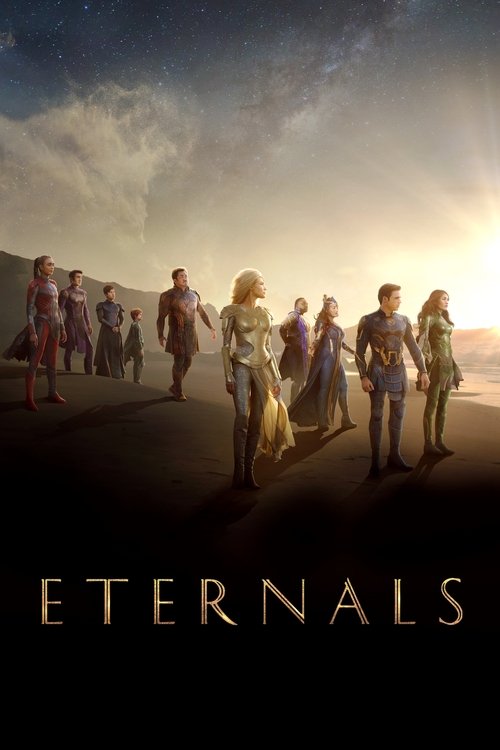
Yeah, there’s a lot in those big bland tags, barely a notch above Decepticons and Autobots, but Celestials are universe-forming gargantuans akin to the Titans in Greek mythology (Thanos and Ego from earlier MCU chapters are similar in powers and scope), while Deviants are hellish beasties that look a lot like the Taotie from the 2016 Zhang Yimou miscue “The Great Wall,” a hybrid of wolf and dinosaur stripped down to sinew and bone and equipped with flowing tentacles that allow them to sap the energy of their target.
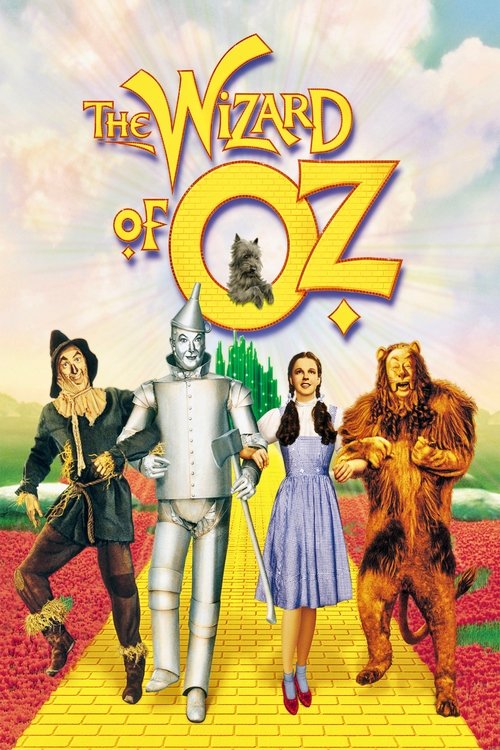
The Wizard of Oz (1939)
Directed by Victor Fleming
influenced House of Flying Daggers (2004)
Visuals
Cinematographer Xiaoding Zhao, graduating from "Hero's" cameraman, finds Mei in the snow so magically, it recalls the poppy scene from "The Wizard of Oz."
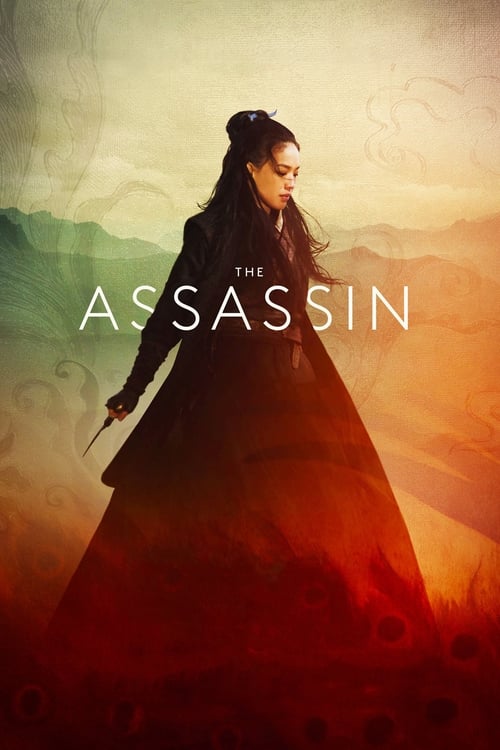
The Assassin (2015)
Directed by Hou Hsiao-hsien
influenced by House of Flying Daggers (2004)
Visuals
Seven years in the making, it integrates wuxia visual tropes into his own aesthetic while avoiding the lyrical metaphysics of Ang Lee’s Crouching Tiger, Hidden Dragon, or packaging them into splendorous global entertainments like Zhang Yimou’s Hero and House of Flying Daggers.
Other modern wuxia classics like House of Flying Daggers, Hero and Crouching Tiger, Hidden Dragon were all veritable black belts in balancing artfulness and epic action.
The sheer depth of its formal artistry places “The Assassin” in a rather more rarefied realm than not only the classic action epics of King Hu and their ilk, but also popular hits like Ang Lee’s “Crouching Tiger, Hidden Dragon” (2000), Zhang Yimou’s “Hero” (2002) and “House of Flying Daggers” (2004), and Wong Kar-wai’s “The Grandmaster” (2013), to name the most prominent recent examples of revered Asian auteurs making rare and overdue forays into martial-arts cinema.
And Zhang Yimou, the director of a disproportionate number of Chinese cinema classics including Ju Dou, Raise the Red Lantern, To Live, even House of Flying Daggers… Zhang Yimou, who with his last movie, 2014’s Coming Home, came close to recapturing the aching lyricism of his early work… Zhang Yimou has now put his name to The Great Wall, a movie that seems like a grim parody of his style.
This Chinese American co-production directed by the great Zhang Yimou ("Raise the Red Lantern," "Coming Home") and written by "Prince of Persia's" Carlo Bernard & Doug Miro and "Michael Clayton's" Tony Gilroy was obviously tailored for global audiences, a Hollywood movie star plunked into 1100 A.D. China to save the day.
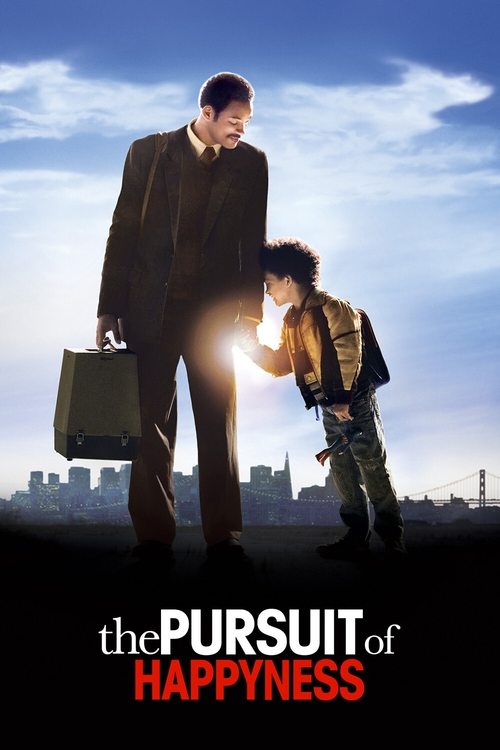
The film rather started to remind me of Zhang Yimou's To Live, a 1994 film about the endless hardships endured by a Chinese family as their fortunes plummet.
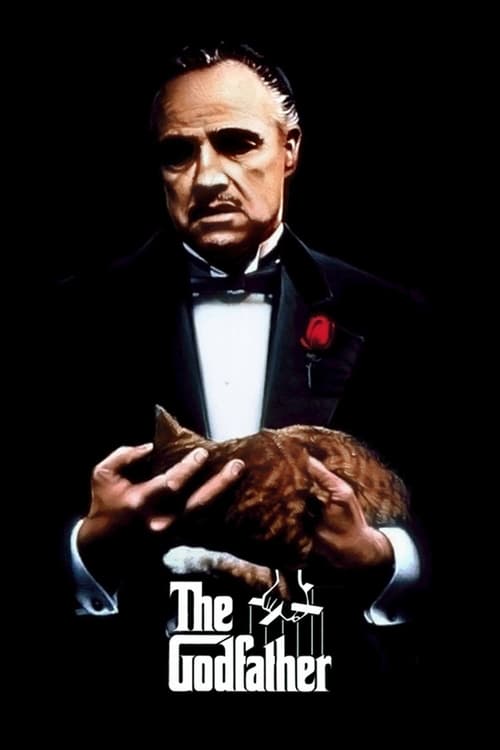
The Godfather (1972)
Directed by Francis Ford Coppola
influenced House of Flying Daggers (2004)
Music
The score, by Shigeru Umebayashi (In The Mood For Love), is delightful, with motifs that knowingly reference Nina Rota's themes for The Godfather and Zefferelli's Romeo and Juliet.
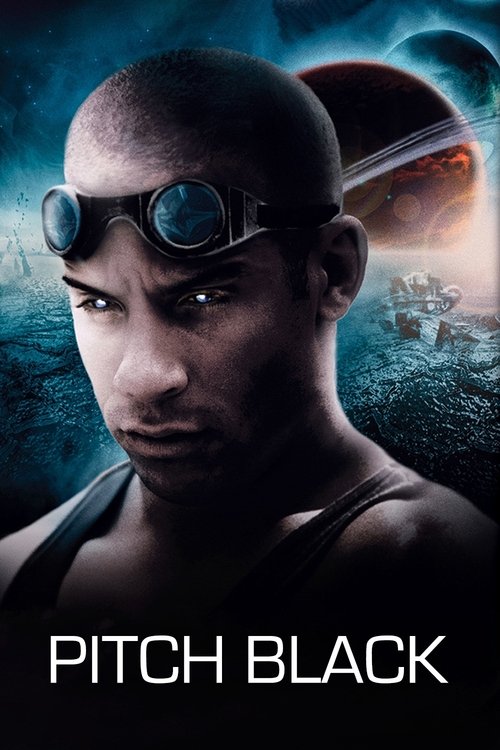
It has the monster feel of Pitch Black combined with the epic battles of The Lord of the Rings and a healthy dose of Chinese culture thrown in for good measure.

Andy Lau (Infernal Affairs, the Hong Kong movie that inspired The Departed) is a major star in China and a terrific actor, but you’d never know it watching him look grim as Strategist Wang.
The Chinese army officially known as the Nameless Order is led by the noble Gen. Shao (Hanyu Zhang) and his chief strategist Wang (Andy Lau, “Infernal Affairs”).
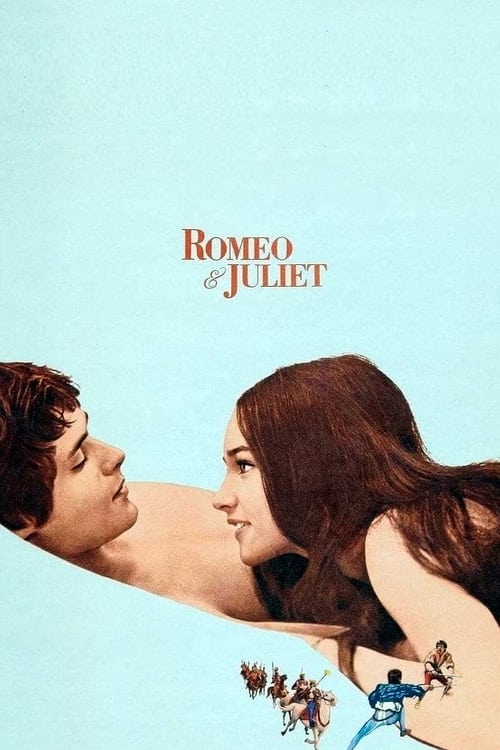
Romeo and Juliet (1968)
Directed by Franco Zeffirelli
influenced House of Flying Daggers (2004)
Plot
The plot is excellent, although at times it seems like Infernal Affairs meets Romeo and Juliet.