
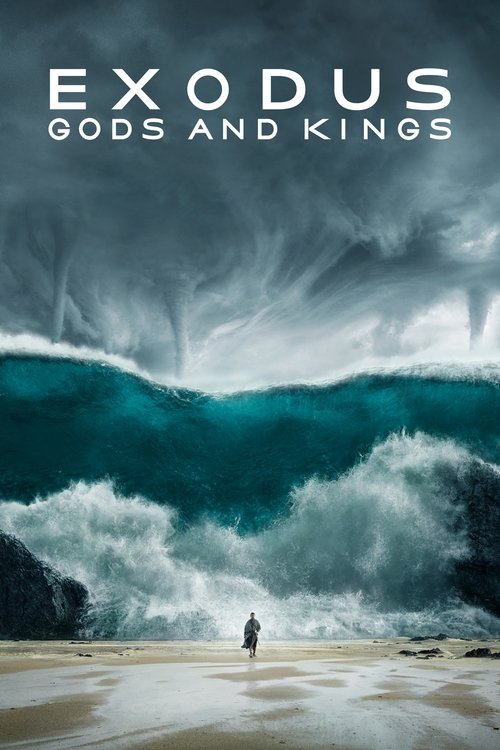
Exodus: Gods and Kings (2014)
Directed by Ridley Scott
The defiant leader Moses rises up against the Egyptian Pharaoh Ramses, setting 400,000 slaves on a monumental journey of escape from Egypt and its terrifying cycle of deadly plagues.
39 connections found
View:
39 films that influenced Exodus: Gods and Kings
What critics say influenced Exodus: Gods and Kings
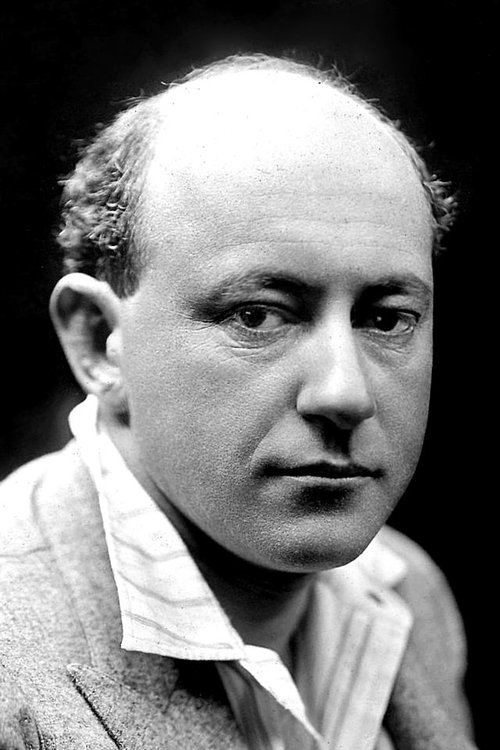
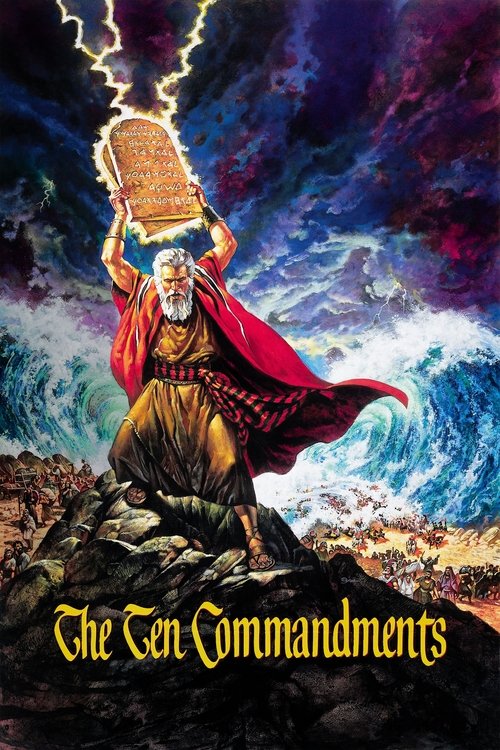


The popularisation of epics in the vein of Cecil B. DeMille’s The Ten Commandments and William Wyler’s Ben Hur is also political.
Scant, that is, when compared to Cecil B. DeMille, who needed a good 220 minutes back in 1956 in “The Ten Commandments.”
Ridley Scott’s grand and goofy take on Cecil B. DeMille’s holiday chestnut, The Ten Commandments, is a scant two-and-a-half hours compared to Paramount Pictures’ 1954 three-hour-plus marathon, and while Exodus is not quite as much fun (the reflective properties of Yul Brynner’s pate are sorely missed), it is very much in the tradition of Fifties and Sixties-era Biblical epics – and much more entertaining than Darren Aronofsky’s recent Noah.
Scott, a filmmaker who can often paint stunning visions on a wide canvas and still delve around the narrow, detailed corners of a story, gets lost in a production that’s every bit as grand and massive as either of Cecil B. DeMille’s versions of The Ten Commandments .
Unlike Cecil B DeMille's classic “The Ten Commandments” (1956) or the animated “The Prince of Egypt” (1998), it’s not funny or campy enough to be purely entertaining.
In the almost 60 years since Cecil B. DeMille made “The Ten Commandments,” movies have gotten very good at creating seas of blood, frog infestations and plagues of locusts.
Audience members who have been around for a while can’t help but compare the Christian films made by Cecil B. DeMille – The Ten Commandants949), Samson and Delilah (1949), The Sign of the Cross (1932), The King of Kings (1927); Henry King’s David and Bathsheba (1951) and Henry Koster’s The Robe (1953); all far more authentic Bible stories.
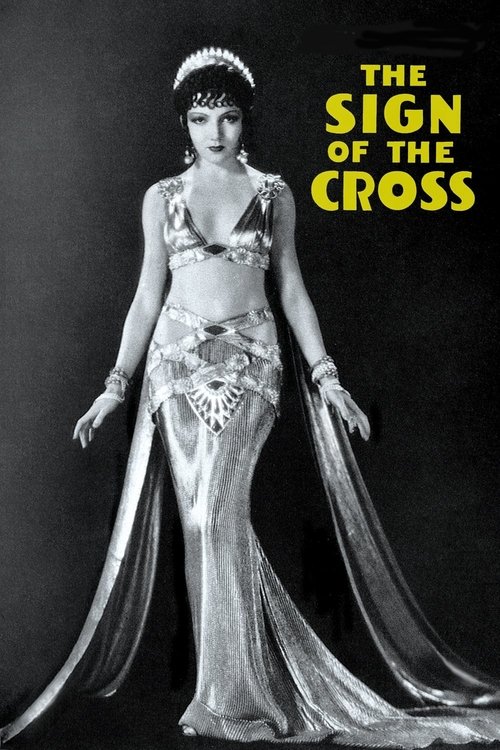
Audience members who have been around for a while can’t help but compare the Christian films made by Cecil B. DeMille – The Ten Commandants949), Samson and Delilah (1949), The Sign of the Cross (1932), The King of Kings (1927); Henry King’s David and Bathsheba (1951) and Henry Koster’s The Robe (1953); all far more authentic Bible stories.
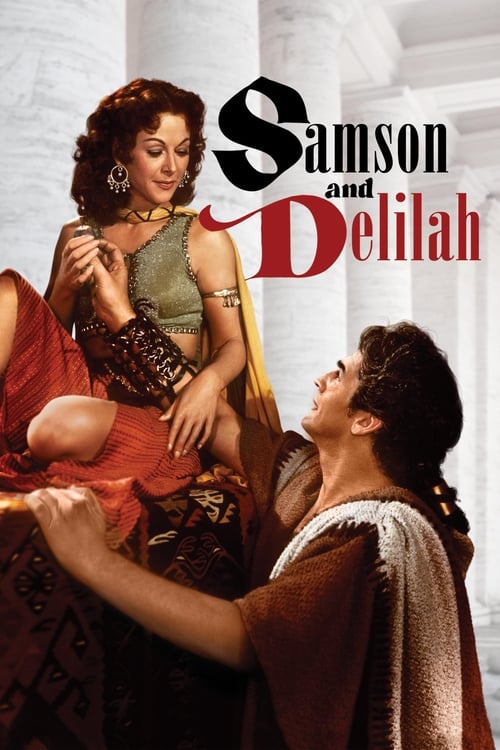
Audience members who have been around for a while can’t help but compare the Christian films made by Cecil B. DeMille – The Ten Commandants949), Samson and Delilah (1949), The Sign of the Cross (1932), The King of Kings (1927); Henry King’s David and Bathsheba (1951) and Henry Koster’s The Robe (1953); all far more authentic Bible stories.
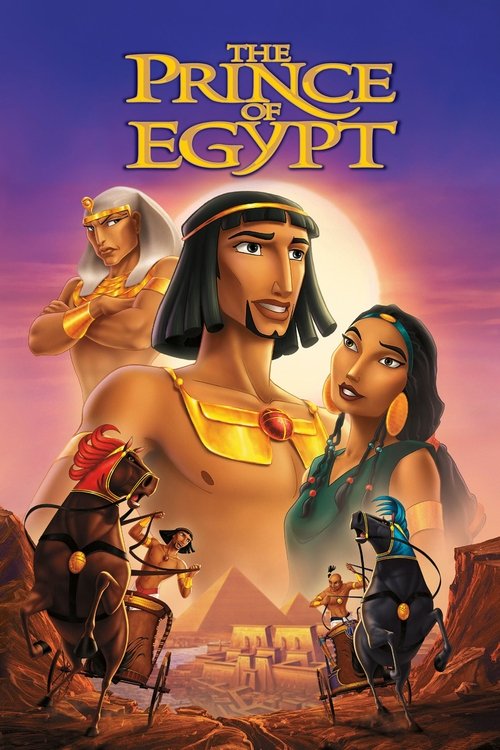
It's one thing to compare it to the bloated DeMille picture, but this isn't even as smart or comprehensive in its storytelling choices as DreamWorks Animation's 99-minute cartoon musical The Prince of Egypt (which remains, against all odds, the most satisfying cinematic treatment of the story to date).
In this humble reviewer’s opinion, the beautiful, criminally underrated animated film The Prince of Egypt , from 1998, is the only Exodus movie we need.
Borrowing much of its dynamic from 1998’s The Prince of Egypt , also dealing heavily with the kinship between Moses and Ramses, Exodus hones in on the dichotomy and tension inherent in Moses’ predicament; he’s a regarded member of a great dynasty, but his heritage lies with the people whose backs are being broken to build that dynasty.
Unlike Cecil B DeMille's classic “The Ten Commandments” (1956) or the animated “The Prince of Egypt” (1998), it’s not funny or campy enough to be purely entertaining.
I mean, even “The Prince of Egypt,” the 1998 animated musical take on the material that nobody seems to appreciate or even remember, told the story better.
"Exodus: Gods and Kings" has a flurry of undeniable technical merits and two fine central turns from Bale and Edgerton, but how successful can a sprawling live-action spectacle really be when it predominately makes one wish he or she was revisiting 1998's superior animated film, " The Prince of Egypt ," instead?
Bale's Moses, despite the miscasting, is a conflicted, sometimes compelling figure, but the rest of the actors recall John Wayne's cameo as a Roman soldier in "The Greatest Story Ever Told" more than they do Willem Dafoe in "The Last Temptation of Christ."
Moses (Christian Bale) and Ramses (Joel Edgerton) are equals in many ways and revered both within the walls of Memphis and on the battlefield where they prove themselves as generals for the Egyptian Pharaoh Seti (John Turturro, barely skirting Harvey Keitel/The Last Temptation of Christ territory).
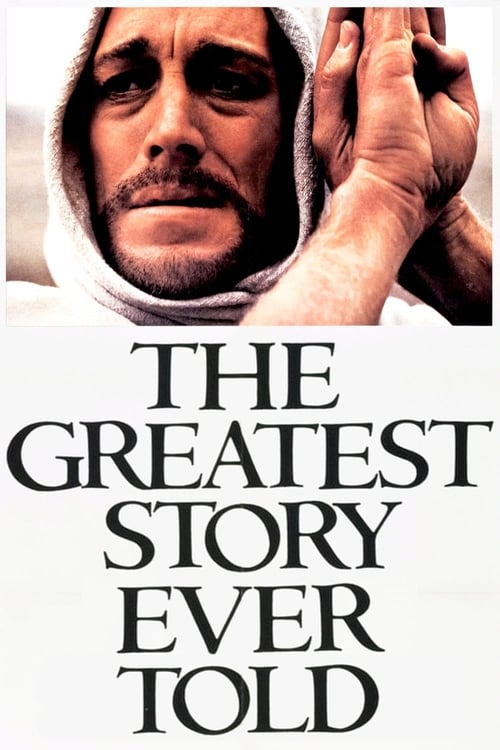
Bale's Moses, despite the miscasting, is a conflicted, sometimes compelling figure, but the rest of the actors recall John Wayne's cameo as a Roman soldier in "The Greatest Story Ever Told" more than they do Willem Dafoe in "The Last Temptation of Christ."
Such movies were big, in every way, in the '50s and '60s, when pictures like Ben-Hur , Quo Vadis , King Of Kings , The Ten Commandments and The Greatest Story Ever Told regularly ran between two-and-a-half and four hours, their vast desertscapes rendered in widescreen, CinemaScope and VistaVision to tempt viewers away from their 4:3 TV screens.
Advertisement
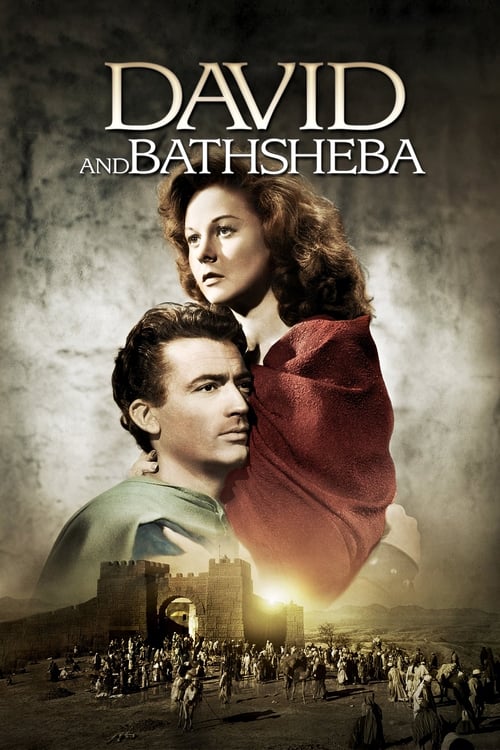
Audience members who have been around for a while can’t help but compare the Christian films made by Cecil B. DeMille – The Ten Commandants949), Samson and Delilah (1949), The Sign of the Cross (1932), The King of Kings (1927); Henry King’s David and Bathsheba (1951) and Henry Koster’s The Robe (1953); all far more authentic Bible stories.

Audience members who have been around for a while can’t help but compare the Christian films made by Cecil B. DeMille – The Ten Commandants949), Samson and Delilah (1949), The Sign of the Cross (1932), The King of Kings (1927); Henry King’s David and Bathsheba (1951) and Henry Koster’s The Robe (1953); all far more authentic Bible stories.

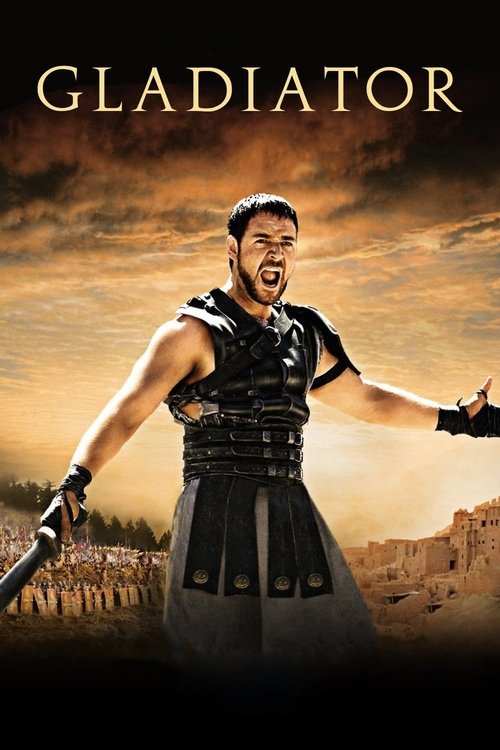
The opening battle scene is standard fare for Scott, but then so are the slower segments that follow, mirroring in many ways the first half of Gladiator .
“Exodus” is not unlike the interminable slogs through “Robin Hood,” “Kingdom of Heaven” and even the freakishly overrated Oscar-winner “Gladiator.”
But alas, the acclaimed English director of similar post-2000 epics Gladiator and Kingdom of Heaven decided to revisit the Book of Exodus with a film that’s spiritually confused and altogether void of any tangible characters.
Given the relative financial and critical disappointment of Kingdom of Heaven and Robin Hood—unjustified in the case of the former, very justified in the case of the latter—it makes sense that Scott would return to Gladiator, the first and most successful of this series, for inspiration.
It’s an economic reality that Scott — whose best films remain “Alien,” “Blade Runner” and “Gladiator” — couldn’t cast unknown but ethnically appropriate actors in a multimillion-dollar wannabe epic, but there could still have been inspiration, like maybe Adrien Brody or Ben Foster as Moses.
Crafting scenes of real emotion has never really been Scott’s strength, and you’d have to go back to his early ’00s filmography (Gladiator, Matchstick Men) to find movies where he managed the feat.
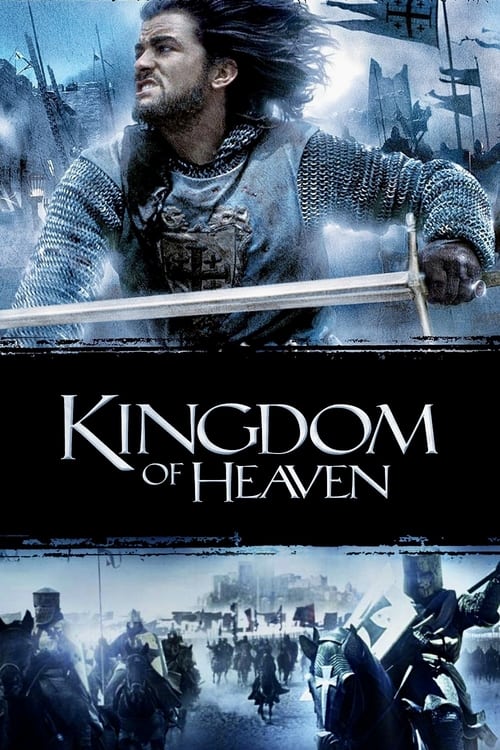
The screenplay frames Moses as a warrior and general, so we get big sword-and-sandal battle scenes and other similar set pieces that feel like re-treads from "Kingdom of Heaven" and "Gladiator."
Scott is not an untalented man, and this is not his first dramatic action epic set in the ancient world - it's transparently a stab at doing Gladiator with a Biblical tang, though it ends up feeling more like the compromised, ineptly truncated theatrical cut of Kingdom of Heaven (and if Exodus is to have a similarly redemptive director's cut someday, it is well-hidden in the current footage).
Since then, with the exception of the wildly controversial Alien “prequel” Prometheus (2012) and a few oddball choices (2006’s A Good Year, 2013’s The Counselor), Scott has settled down into a depressingly rote series of grand-scale epics that have become steadily more generic: Kingdom of Heaven (2005), which blandly recounts the 12th-century war between Christians and Muslims for control of Jerusalem, the Scorsese-Lite crime saga American Gangster (2007), the drearily revisionist Robin Hood (2010).
Considering the way Scott's "Kingdom Of Heaven" examined the Crusades, it does not seem out of line to expect that "Exodus: Gods and Kings" might be something different.
With the Crusades-set "Kingdom of Heaven," the sullen "Robin Hood" and now "Exodus: Gods and Kings," the director depicts seminal mythological events in bland, matter-of-fact terms.
Scott has made a vividly exciting historical film (“Gladiator’’) and even a thoughtful one (“Kingdom of Heaven’’), but “Exodus’’ manages to be neither.
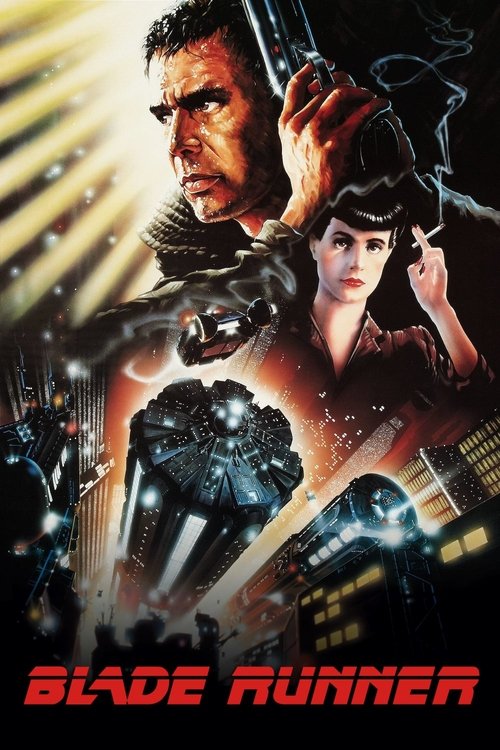
It’s an economic reality that Scott — whose best films remain “Alien,” “Blade Runner” and “Gladiator” — couldn’t cast unknown but ethnically appropriate actors in a multimillion-dollar wannabe epic, but there could still have been inspiration, like maybe Adrien Brody or Ben Foster as Moses.
Alien (1979) and Blade Runner (1982) remain touchstones of not just the science fiction genre, but American cinema, helping to redefine visual style and storytelling in ways that made the careers of filmmakers like David Fincher and Christopher Nolan possible.
Director Ridley Scott ("Blade Runner," "Prometheus") has taken on ancient epics with "Gladiator" and "Kingdom of Heaven," but his take on Moses leading the chosen people out of Egypt is riddled with weird inaccuracies, a Pharaoh sporting an Australian accent and a running time that feels excessive while the story itself feels truncated.
When he’s been at his absolute best in his lengthy career, directing films like “ Blade Runner ” and “ Alien ” and even "Thelma & Louise," Scott has established himself as a visionary and a master of creating imagery that would go on to be iconic.
From “Blade Runner” on, he’s had his work hacked up then salvaged so often that his theatrical cuts invariably play like dry runs; his crusades epic “Kingdom of Heaven” only feels realized in its longer home video form.
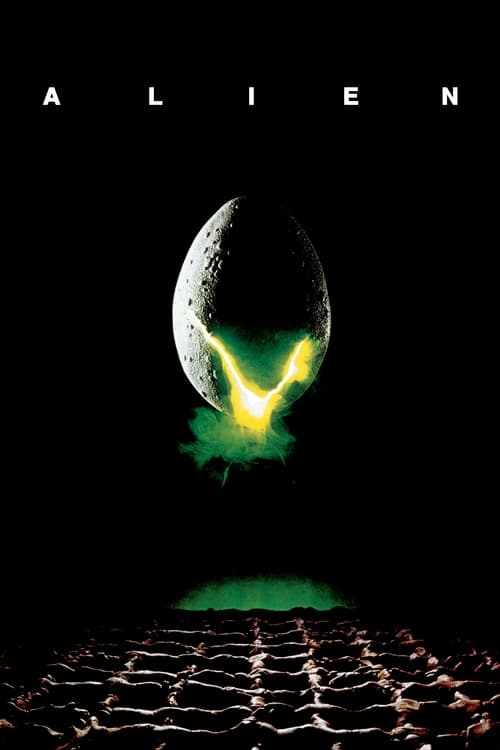
It’s an economic reality that Scott — whose best films remain “Alien,” “Blade Runner” and “Gladiator” — couldn’t cast unknown but ethnically appropriate actors in a multimillion-dollar wannabe epic, but there could still have been inspiration, like maybe Adrien Brody or Ben Foster as Moses.
That Ridley Scott?the man who basically started Weaver's career with 1979's "Alien" and gave her the role of a lifetime in action heroine Ripley?would have the gall to put this legendary actress in such a nothing part is perhaps the picture's most shameful blunder.
Director Ridley Scott (“Alien,” “Gladiator”) uses the familiarity of the story to summon the kind of impossibly grounded spectacle that most special effects bonanzas neglect entirely.
Bar a couple of Middle Eastern actresses in supporting roles, the cast is largely comprised of British, Australian, Spanish and American thespians, all bronzed up (except for Sigourney Weaver, white as a sheet and given a completely thankless role by her former Alien director).
When he’s been at his absolute best in his lengthy career, directing films like “ Blade Runner ” and “ Alien ” and even "Thelma & Louise," Scott has established himself as a visionary and a master of creating imagery that would go on to be iconic.
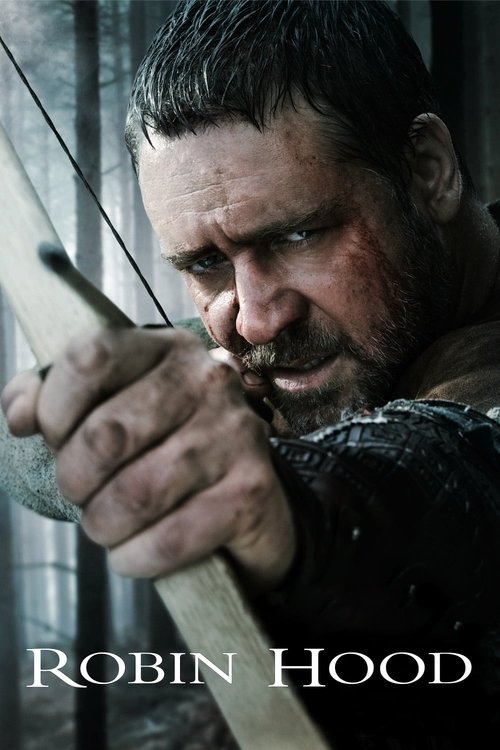
“Exodus” is not unlike the interminable slogs through “Robin Hood,” “Kingdom of Heaven” and even the freakishly overrated Oscar-winner “Gladiator.”
Given the relative financial and critical disappointment of Kingdom of Heaven and Robin Hood—unjustified in the case of the former, very justified in the case of the latter—it makes sense that Scott would return to Gladiator, the first and most successful of this series, for inspiration.
How you respond to the totality of "Exodus: Gods and Kings" will, I suspect, relate directly to how you responded to Ridley Scott's "Robin Hood" from 2010.
Exodus: Gods and Kings marks the fifth time that director Ridley Scott has dipped into the “ancient mayhem” genre, following 1492: Conquest of Paradise, Gladiator, Kingdom of Heaven, and Robin Hood.
Kingdom of Heaven was fairly impressive (at least, the director’s cut was), and Gladiator was popcorn fun, but then you have films like Robin Hood and now Exodus, which glumly go through the motions we’ve all seen before, occasionally spiking with an epic action sequence, and then vacating the premises of our collective consciousness as quickly as possible.
“Noah” at least had scale and showmanship, which this movie, like Scott’s “Robin Hood,” is missing.
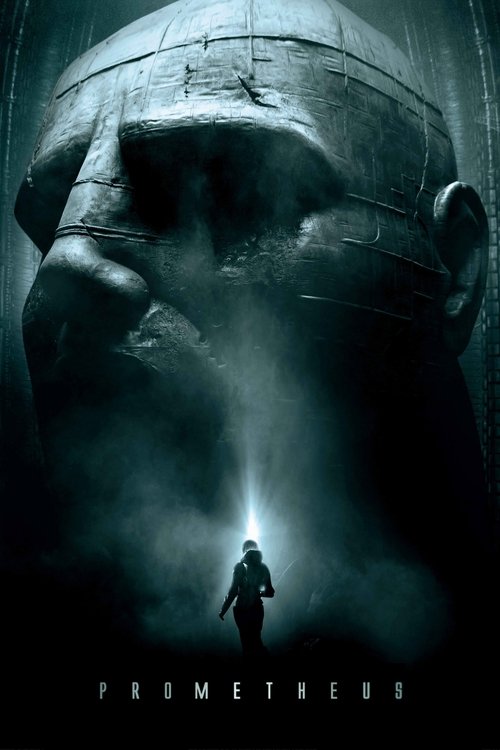
Scott, a self-professed agnostic whose films have nonetheless betrayed a restless spiritual dimension (particularly “Prometheus”), seems to have been inspired by his distance from the material, placing his identification with a hero who never stops questioning himself or the God he follows.
Director Ridley Scott ("Blade Runner," "Prometheus") has taken on ancient epics with "Gladiator" and "Kingdom of Heaven," but his take on Moses leading the chosen people out of Egypt is riddled with weird inaccuracies, a Pharaoh sporting an Australian accent and a running time that feels excessive while the story itself feels truncated.
Recently, he detoured back into smarter, better movies – “Prometheus” and “The Counselor” – and it's a shame to see him slip again.
(See, for example, Prometheus .)
Asked how he felt about the director of "Gladiator" and "Prometheus" adapting his story, Moses reportedly said, "I'm thrilled.
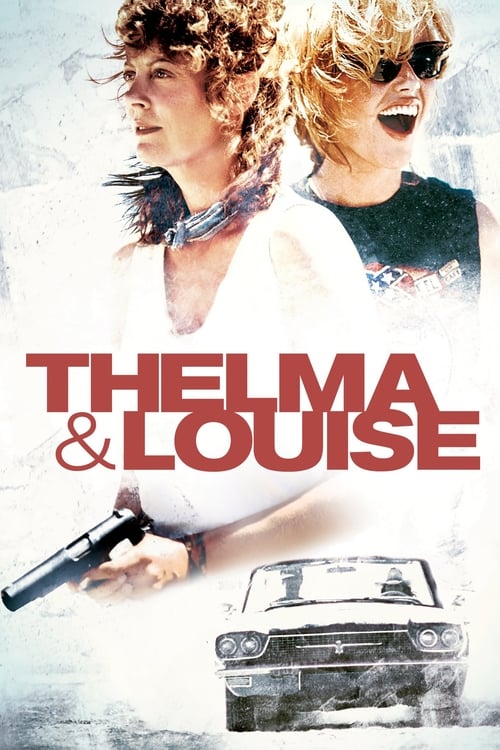
When he’s been at his absolute best in his lengthy career, directing films like “ Blade Runner ” and “ Alien ” and even "Thelma & Louise," Scott has established himself as a visionary and a master of creating imagery that would go on to be iconic.
He showed range in 1991 with Thelma & Louise’s female-centric reworking of the outlaws-on-the-run mythos, and while the ’90s was something of a mixed bag, even his flops offered something of interest.
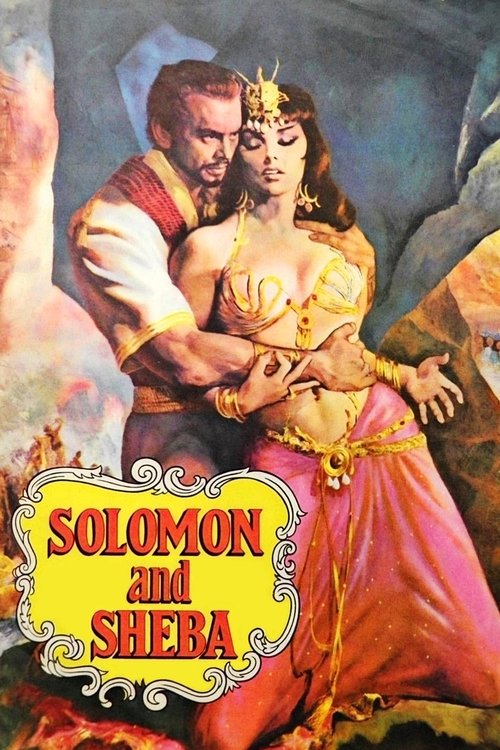
If you wanted to see Gina Lollobrigida wriggle her midriff with your church group then Solomon and Sheba was the place to go.
Advertisement

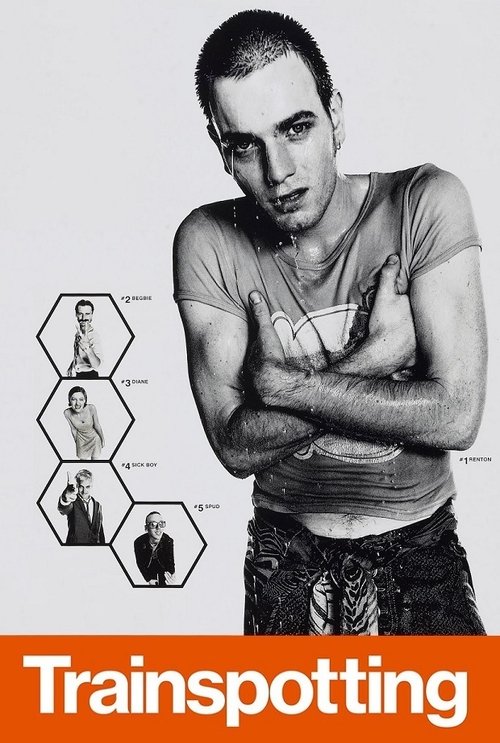
Just when you think the casting can’t get any stranger, in wanders Ewen Bremner, who played “Spud” in Trainspotting .
And the heavens be often like as to the colours of lead and doom and Momentousness, and Sigourney Weaver hath but to utter three lines in the film entire, and there only be humour when Thin Scot (Ewen Bremner), he of Trainspotting, appeareth (and it was goodly amusing), and certain words doth sound gratingly not BCE to mine ears, liketh so: “From an economic standpoint alone, what you’re asking is problematic to say the least.”
There’s a wonderfully droll scene in Ramses’ court as his physician (Bremner, Trainspotting’s Spud) attempts to explain the finer points of how one plague logically leads to the next, via what we now call “bacteria.”

I concede that he's probably right about casting a "lead actor" (although I'd hate to have seen his version of Slumdog Millionaire, with Orlando Bloom as the title character), and a star of Christian Bale's caliber probably was needed to sell this picture.

Then again Mel Brooks required only a few seconds to decimate all of this in “History of the World, Part I.”