
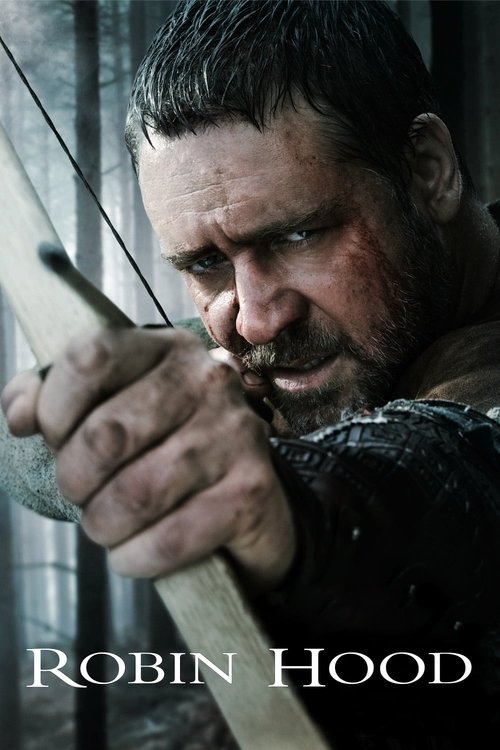
Robin Hood (2010)
Directed by Ridley Scott
When soldier Robin happens upon the dying Robert of Loxley, he promises to return the man's sword to his family in Nottingham. There, he assumes Robert's identity; romances his widow, Marion; and draws the ire of the town's sheriff and King John's henchman, Godfrey.
38 connections found
View:
38 films that influenced Robin Hood
What critics say influenced Robin Hood
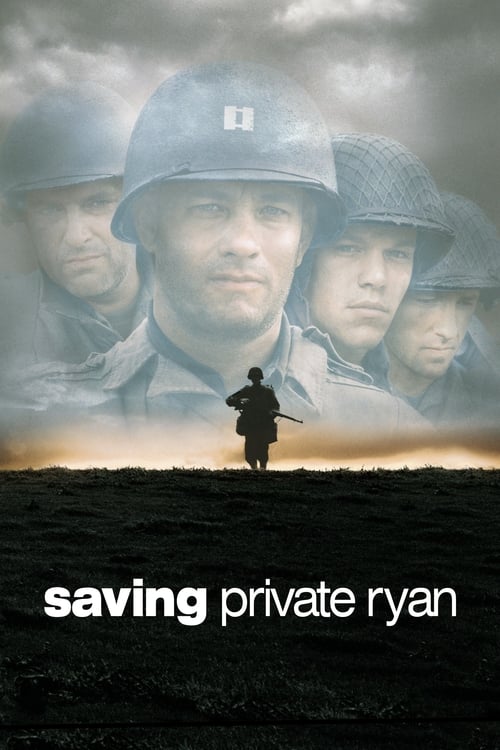


There are strange echoes of Steven Spielberg: a seaborne invasion which recalls the opening of “Saving Private Ryan” (but in reverse: we’re rooting for those in the troop ships to die), and an effort to kill off dozens of peasants in a smoke-filled room that’s queerly like one in “Schindler’s List.”
They're even stylistically similar, which means in effect that both films pilfer shamelessly from the Saving Private Ryan playbook: in Robin Hood's case, this is best seen in a sequence that borrows a great many specific shots from the earlier film's D-Day invasion sequence, and when you recall that Robin Hood takes place in 1199, with bows and arrows, while Saving Private Ryan takes place in 1944, with firearms, you're only starting to chip away at the reasons that this is a terrible, terrible idea.
The young king momentarily accedes, and the penultimate showdown in Robin Hood is a beach-set burly-brawl, in which Robin gets to wade out into the tide and smash swords with Godfrey, against a chaotic backdrop that serves as a period piece homage to Saving Private Ryan's opening Normandy sequence.
And the film's climactic battle -- set on a beach beset by a fleet of French troops against whom Robin has rallied the English people -- is weirdly reminiscent of the D-Day scene in "Saving Private Ryan."
"Robin Hood" borrows action riffs from "Braveheart," "Gladiator" and the Normandy Beach battle in "Saving Private Ryan," but it's primarily a smart, layered revisionist legend.
The carnage is strongly reminiscent of the Omaha Beach invasion that opened Saving Private Ryan, only with swords and arrows instead of rifles and grenades.
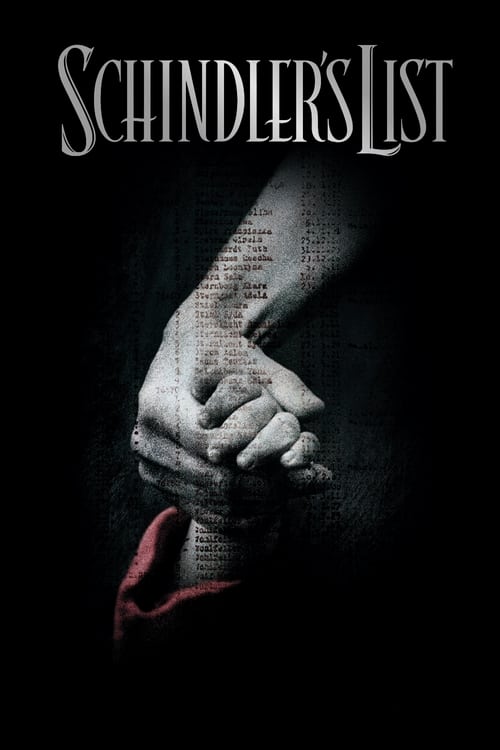
There are strange echoes of Steven Spielberg: a seaborne invasion which recalls the opening of “Saving Private Ryan” (but in reverse: we’re rooting for those in the troop ships to die), and an effort to kill off dozens of peasants in a smoke-filled room that’s queerly like one in “Schindler’s List.”
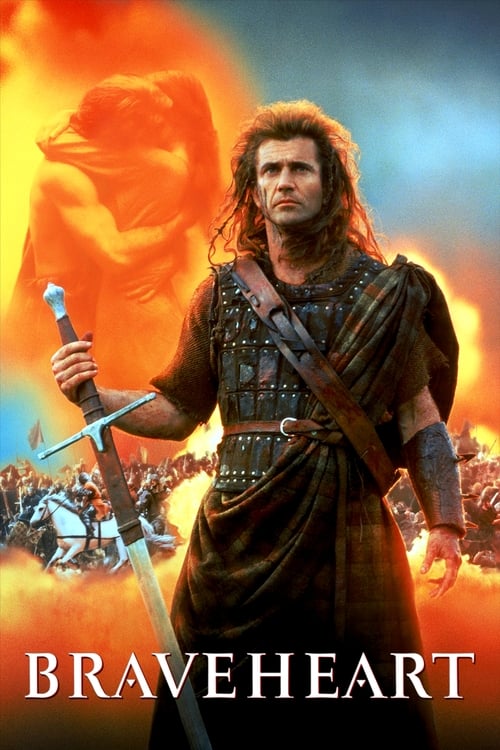
If The Wind and the Lion or Robin Hood (MGM's not Costner's) or Spartacus are your kind of films, Braveheart will delight.
On the epic scale of "Gladiator", with more of a nod to "Braveheart", Scott paints a gritty picture of an England when things were rotten.
Robin Hood is the latest in a series of movies to be inspired by Braveheart (a picture I thought was good but, like Gladiator, have never understood the intense reverence for).
English land action recalls "Braveheart" while the French landing at the beach could be in "Saving Private Ryan: the 13th Century Edition."
"Robin Hood" borrows action riffs from "Braveheart," "Gladiator" and the Normandy Beach battle in "Saving Private Ryan," but it's primarily a smart, layered revisionist legend.
The visual style, meanwhile, is a pleasing mixture of ‘ Braveheart ‘ and ‘ Gladiator ‘, a combination that produces the kind of shiny historical epic which could one day become a holiday mainstay.
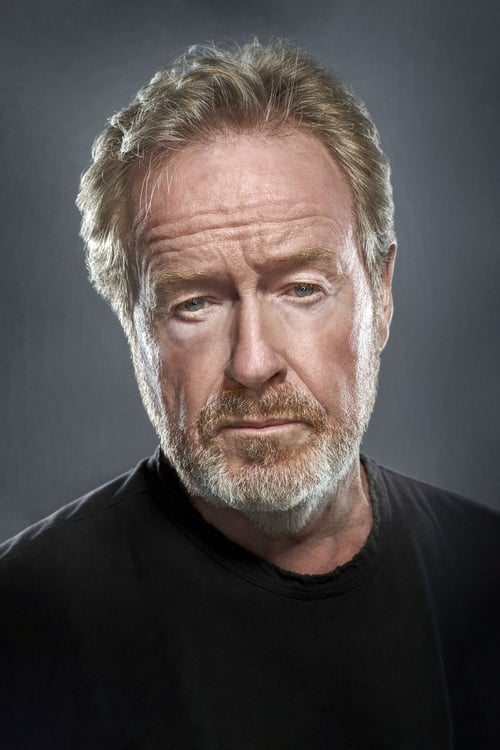
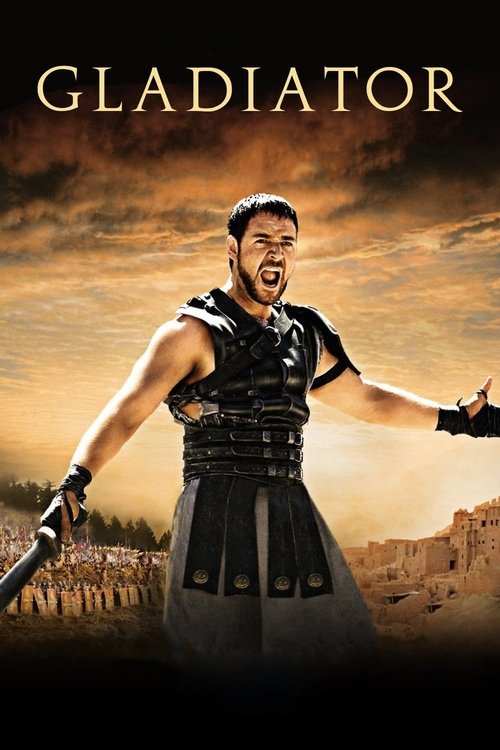
Reteaming with Crowe 10 years after "Gladiator," director Ridley Scott delivers an impressive, grittily "realistic" action spectacle that is part 13th-century war epic, part palace conspiracy thriller, part origin story: The film ends just as Robin and his men begin their life as outlaws in Sherwood Forest.
“Gladiator” collaborators Crowe and director Ridley Scott hope for a fresh take by focusing on Robin’s origins, stripping the story of its more cartoonish elements and grounding the adventure in historical facts.
Robin's main mission is pulling together an England on the verge of civil war to fight a French invasion -- leading to a thrilling climax, the best thing Scott has done since "Gladiator."
This “Robin Hood’’ is mostly a smart, muscular entertainment; it doesn’t breathe new life into a genre as did “Gladiator,’’ Scott’s first pairing with Russell Crowe, but it’s a brawny reimagining of a beloved old myth, a period popcorn movie turned out with professionalism and gusto.
Robin himself is an expert archer and swordsman, played with typical taciturn menace by Crowe; think Gladiator with a bit less fire in the belly.
There are a few decent battles and Crowe shows that while he's not in Gladiator fighting shape, he is still capable of selling himself as an action star, but Scott's Robin Hood is strangely, disappointingly short on action.
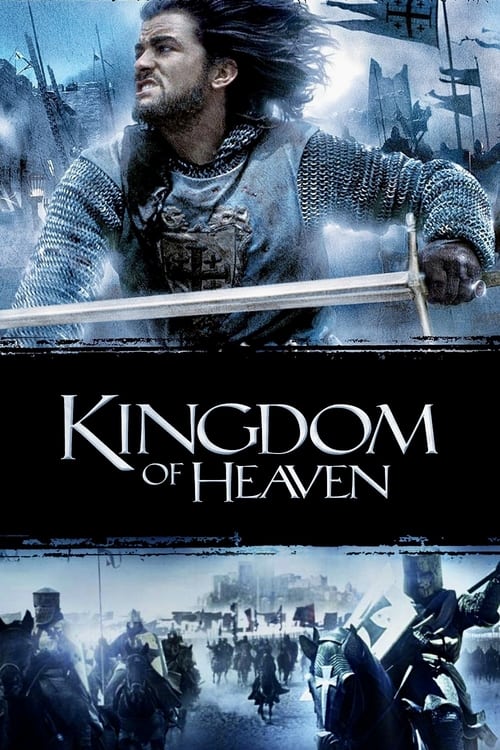
Teaming up for the fifth time, RussellCrowe and director Ridley Scott exercise their gladiatorial instincts once again with Robin Hood , a beefy, brawny epic that, not unlike Scott's Kingdom of Heaven before it, exudes a certain world-weary spirit.
While it’s not as central to Robin Hood , Scott would like to remind you of some of the finer points from Kingdom of Heaven you might have missed or forgotten: Christians committing atrocities against Muslims as well as their fellow Christians; the hypocrisy and corruption of bishops and even popes.
Scott's latest, Robin Hood, is like a "greatest misses" package that combines the worst elements from the dreary 1492: Conquest of Paradise and the overwrought Kingdom of Heaven, then tries to marry them to the formula of Gladiator - a flick I've never cared for in spite of its Oscar win.
No, this is not the classic 1938 The Adventures of Robin Hood, but it is an excellent tale that harks back more to Scott’s Kingdom of Heaven than his Gladiator.
If there had been a compelling story or lively performances or a feeling that Ridley Scott was simply burning through unused battle scene storyboards from Gladiator or Kingdom of Heaven I might have liked Robin Hood.
Here the setting is more or less the same as in his 2005 “Kingdom of Heaven.”
Scott's latest, Robin Hood, is like a "greatest misses" package that combines the worst elements from the dreary 1492: Conquest of Paradise and the overwrought Kingdom of Heaven, then tries to marry them to the formula of Gladiator - a flick I've never cared for in spite of its Oscar win.
About as useful as Hannibal Rising and the now-forgotten Butch and Sundance: The Early Years (and, while were at it, Dumb and Dumberer: When Harry Met Lloyd), Robin Hood gives us not the maverick Ridley Scott who directed such unique gems as Blade Runner and Thelma & Louise but the self-important Ridley Scott who helmed such lumbering duds as 1492: Conquest of Paradise and Kingdom of Heaven.
For a reboot, Robin Hood is distressingly like an elderly hew along the status quo--the same complaint levied with currency over every other staid, inert Scott flick from 1492 to Matchstick Men to G.I Jane to Black Rain to Body of Lies .
This film has no idea what it is or who it has been made for, and unlike previous Scott misfires like A Good Year , White Squall or Black Rain theres not a single redeeming moment that makes the dullness of the rest even slightly worthwhile.
It’s odd that people ask that question only now, more than twenty years after the dreadful Legend and comically-bad Black Rain.
It’s odd that people ask that question only now, more than twenty years after the dreadful Legend and comically-bad Black Rain.
If honesty's on the table, let's just say that the only really good Scott pictures are Blade Runner , Alien , the director's cut of Legend , and the oddly exhilarating Black Hawk Down .
At times you long for the man who made "The Duellists" and "Alien" a generation ago, when a director chose to establish a shot and actually hold it for a few seconds.
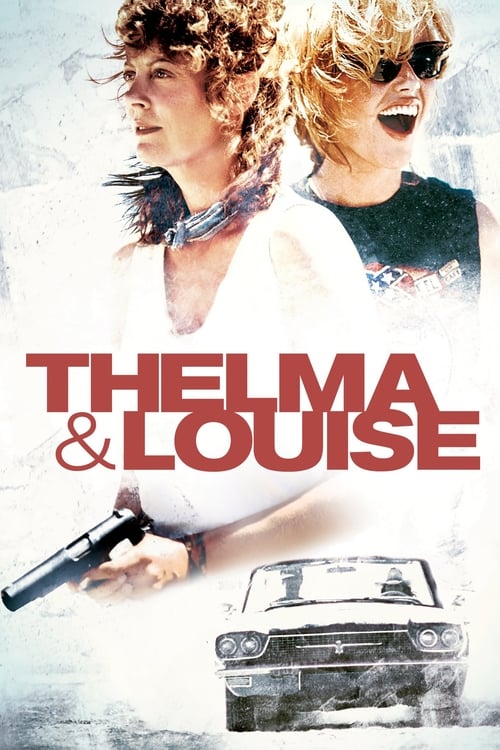
Ridley Scott can’t always be expected to make films of the calibre of Alien , Blade Runner and Thelma & Louise but Robin Hood is one of his biggest disappointments yet.
Ridley Scott is one of those few and with masterpieces such as Alien, Blade Runner and Thelma & Louise to his name he’s certainly deserved it.
In a career of more than three decades, including such landmarks as “Alien,” “Blade Runner,” “Thelma & Louise” and “Gladiator,” the gifted visualist has packed his films to overflowing with smoke and flames and water and wind-blown curtains and flurries of physical action and the churning faces of actors.
About as useful as Hannibal Rising and the now-forgotten Butch and Sundance: The Early Years (and, while were at it, Dumb and Dumberer: When Harry Met Lloyd), Robin Hood gives us not the maverick Ridley Scott who directed such unique gems as Blade Runner and Thelma & Louise but the self-important Ridley Scott who helmed such lumbering duds as 1492: Conquest of Paradise and Kingdom of Heaven.
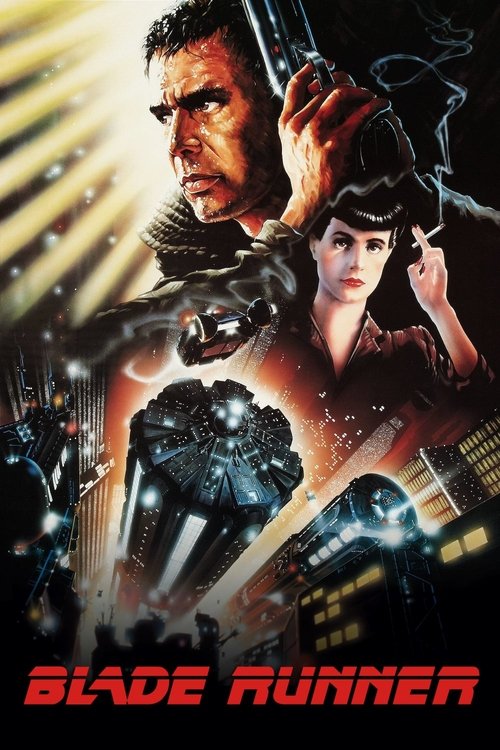
Ridley Scott can’t always be expected to make films of the calibre of Alien , Blade Runner and Thelma & Louise but Robin Hood is one of his biggest disappointments yet.
Ridley Scott is one of those few and with masterpieces such as Alien, Blade Runner and Thelma & Louise to his name he’s certainly deserved it.
His new “Robin Hood” is his fifth … or even his seventh if you want to count “Alien” and “Blade Runner” as “period.”
He's made two of my all-time favorite films - Alien and Blade Runner - as well as a number of other pictures that I think are near-brilliant (Black Hawk Down, American Gangster, Thelma & Louise).
What happened to the man who created the suspenseful, paced Alien or the science-fiction cult hit, Blade Runner?
If honesty's on the table, let's just say that the only really good Scott pictures are Blade Runner , Alien , the director's cut of Legend , and the oddly exhilarating Black Hawk Down .
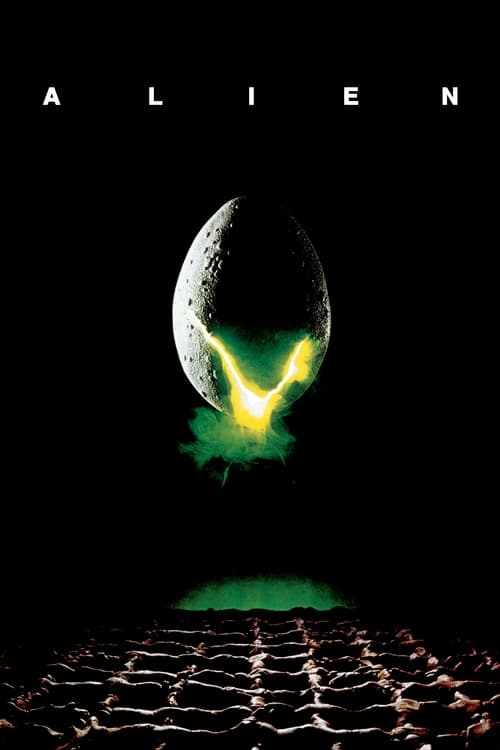
Ridley Scott can’t always be expected to make films of the calibre of Alien , Blade Runner and Thelma & Louise but Robin Hood is one of his biggest disappointments yet.
Ridley Scott is one of those few and with masterpieces such as Alien, Blade Runner and Thelma & Louise to his name he’s certainly deserved it.
His new “Robin Hood” is his fifth … or even his seventh if you want to count “Alien” and “Blade Runner” as “period.”
The same filmmaker responsible for "Alien," "Black Hawk Down," and "Gladiator" works in a brown and gray palate of natural light to conjure up 13th century England.
He's made two of my all-time favorite films - Alien and Blade Runner - as well as a number of other pictures that I think are near-brilliant (Black Hawk Down, American Gangster, Thelma & Louise).
Not a bad thing if executed well, and the masterful Scott (“Alien,” “Gladiator”) at the helm keeps the pace fast, helping gloss over imperfections.
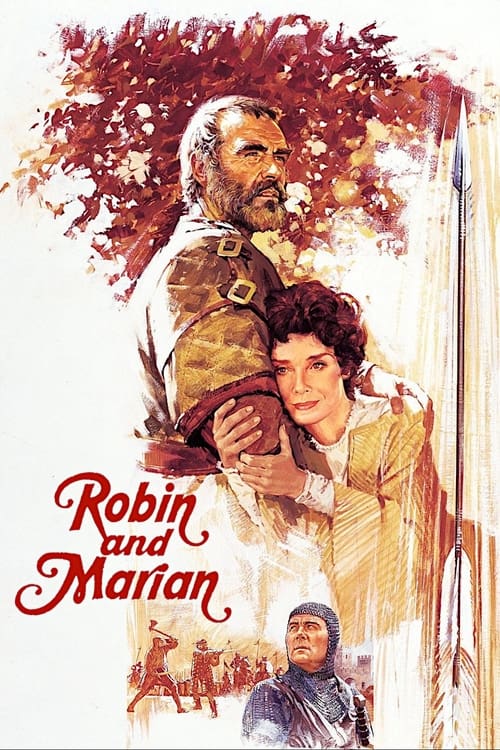
Still, origins stories are all the rage these days and with a property like the Robin Hood legends, filmed literally dozens of times with actors such as Douglas Fairbanks, Errol Flynn and Kevin Costner in the title role, doing things differently (as Sean Connery and Audrey Hepburn did in “Robin and Marian”) is a justifiable way to go.
But that points out what’s missing from Scott’s version: the derring-do, the panache, the joy in yanking the beards of the oppressors that was conveyed by Flynn and Douglas Fairbanks and even Sean Connery in the autumnal “Robin and Marian.’’
“Robin Hood,” which opened this year’s Cannes Film Festival Tuesday night, is effectively a prequel to Robin’s better-known adventures, featuring a splendid Russell Crowe as the most mature Robin since Sean Connery in Richard Lester’s 1976 feature “Robin and Marian.”
If I want an old Robin Hood, I prefer Sean Connery with Audrey Hepburn in “Robin and Marian” any time!
The King dies, under castle walls, from an arrow to the neck—as did the real Lionheart, and as did Richard Harris, when he played the role in “Robin and Marian” (1976), although that movie stressed the parched futility of the scene, whereas Scott brings us boiling oil and heaving hordes.
I speak of "Robin and Marian" (1976), starring Sean Connery and Audrey Hepburn , depicted in James Goldman's screenplay as uneasily reunited middle-age lovers striving for a graceful retreat from a ceaselessly cruel world.
Advertisement
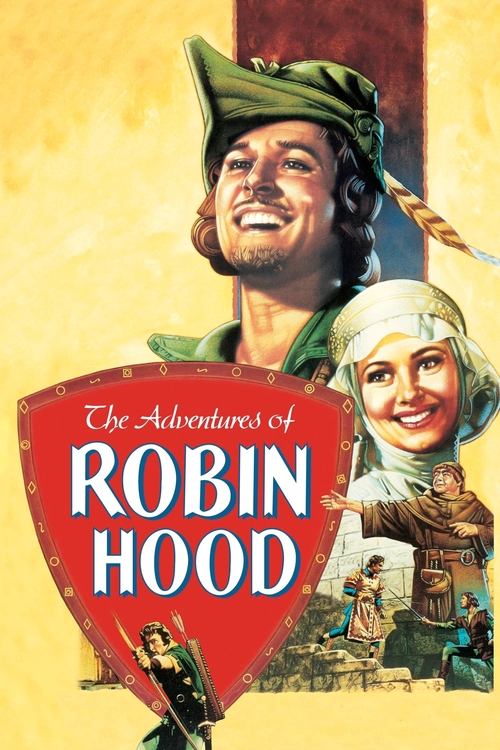
Even more telling was the genesis of “The Adventures of Robin Hood,” Michael Curtiz’s Technicolor pageant of 1938, which began, in an early draft, with Robin as a yeoman—and with James Cagney, no less, in line to play him—but cranked him up the ranks until, in the finished film, he became Sir Robin of Locksley, immortalized by a beaming Errol Flynn.
The other night, Turner Classic Movies aired the evergreen 1938 classic "The Adventures of Robin Hood" ( Errol Flynn in staggering three-strip Technicolor, directed by Michael Curtiz and William Keighley) and followed up with the first screen version of the Sherwood Forest legend I ever saw, as well as the sourest Robin Hood film yet made.
The definitive screen Robin will forever remain Errol Flynn, whose 1938 The Adventures of Robin Hood merely ranks among the two or three greatest action-adventure films ever made.
The logic holds up for all of ten or fifteen seconds, until you remember that pretty much every major previous film of the story opens before Robin Hood begins his career of outlawry: just off the top of my head, the 1922 Robin Hood with Douglas Fairbanks, the magnificent 1938 The Adventures of Robin Hood , and the dismally campy - but, alas, culturally significant - 1991 Robin Hood: Prince of Thieves each opens with the story of how Robin Hood and his Merrie Men came into existence, which rather makes this 2010 Robin Hood not so much a "prequel" as a "first act stretched out to 140 unfathomably punishing minutes".
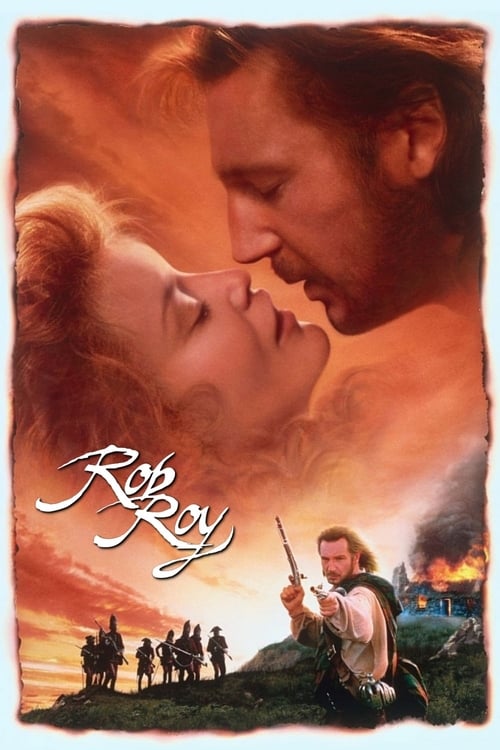
After scoring big in the leading character role of the reluctant protagonist in "Schindler's List," Liam Neeson reaches his heroic and romantic potential with "Rob Roy," a larger-than-life "Robin Hood" character in a period setting that suits the actor very well.
And if you've seen any of these - or "Braveheart," "Rob Roy," "The Patriot" or "Gladiator," for that matter - then you've seen the new version by director Ridley Scott with Russell Crowe, a torpid action movie about land reform with the exhausted quality of material so thin you can see right through it.

When you watch what Scott is doing here, you are instantly reminded of far better films - but should one of them really be thinking about Monty Python and the Holy Grail?
The bulk of the movie—and there’s a lot of bulk—has to do with keeping Godfrey from dividing English loyalty, which would allow the nasty Frenchmen to invade (we keep being assured the Frenchmen are nasty, even if they sound like guards from Monty Python and the Holy Grail (1975)).
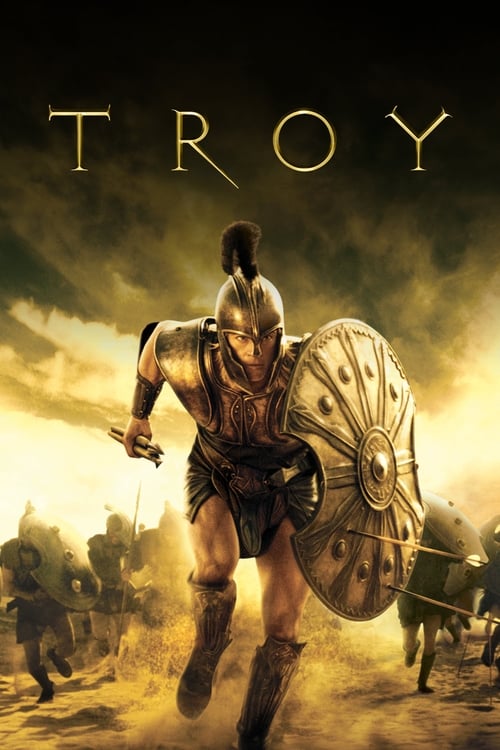
CGI effects are generally good, at least until the film's climatic beach battle where approaching vessels recall the ships of "Troy."
The film’s ultimate Achilles’ heel (it even emulates Brad Pitt’s “Troy” in a lackluster and laughable climax) is Oscar winner Brian Helgeland’s script.
Remember how tedious it was to discover that Troy contained none of the supernatural elements that made the original Greek myths so captivating?
What do you get if you mix “Gladiator,” “The Return of Martin Guerre,” “Saving Private Ryan,” “Elizabeth,” “Troy,” “The Seventh Seal,” and a hundred buckets of mud?
In addition, the finished product verges on self-parody, repeating images and moments from everything from 1998's "Saving Private Ryan" to 2004's " Troy " to 2005's " Kingdom of Heaven " to the " Lord of the Rings " trilogy.
Advertisement
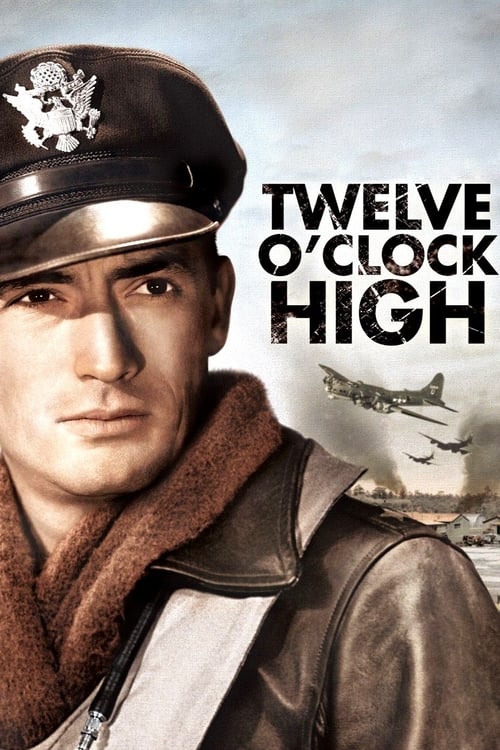
If you want to see an actor who can fill the role of a “commander” watch the famous scene where Gregory Peck walks into the briefing room and introduces himself to his WWII bomber crews in “Twelve O’Clock High.”
(Is the echo of A Man for All Seasons deliberate?)