

Moonfall (2022)
Directed by Roland Emmerich
A mysterious force knocks the moon from its orbit around Earth and sends it hurtling on a collision course with life as we know it.
53 connections found
View:
53 films that influenced Moonfall
What critics say influenced Moonfall

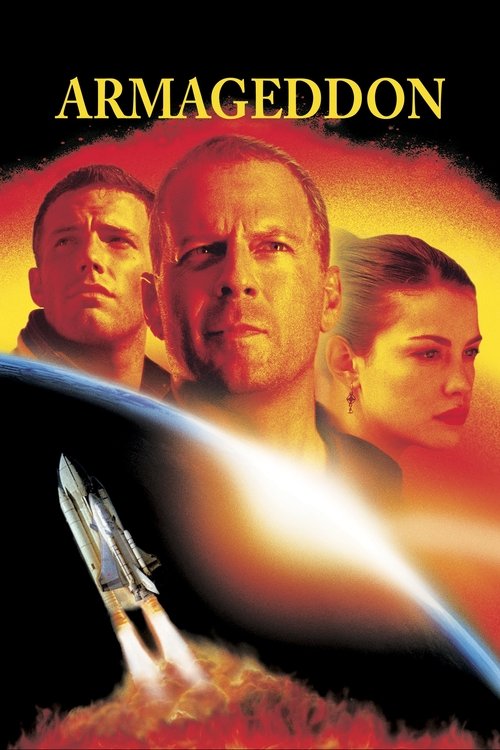


Emmerich directs a script he co-wrote with Harald Kloser and Spenser Cohen and it comes close to camp, recalling ’90s disaster flicks like “Armageddon,” some high concept from “Interstellar,” some Emmerich DNA from “The Day After Tomorrow” and even call-backs to “2001: A Space Odyssey” and “Planet of the Apes.”
Along the way, the film samples liberally from Emmerich’s past projects, with a dash of Independence Day and plenty of The Day After Tomorrow to go along with 2012 ‘s conspiracy-friendly inspiration, and it’s hard to miss the overt similarities to some films he didn’t make, like 1998 meteor-disaster adventure Armageddon .
(Let’s also take this as a sign to continue making blockbusters where the actors actually have chemistry, people!) Wilson confronts the potential end of the world with a subtlety reminiscent of Bruce Willis in Armageddon: He’s tormented but not brooding, disheveled but not hopeless, brave but not a martyr.
Moonfall has moments that recall obvious sci-fi influences like The Matrix as well as his one-time competitors like Michael Bay's Armageddon and half-forgotten curiosities like Brian De Palma's Mission to Mars .
Additionally, the music by Harald Kloser (who’s also one of the film’s co-writers) may be a pastiche of warmed-over themes from “Armageddon” and “The Day After Tomorrow,” but it attempts to inject some tension and excitement into the film.
With them as they launch off on an “Armageddon” (1998)/“Don’t Look Up” (2021)-like mission is a nerdy extrovert with IBS (a very Rickey Gervais-esque John Bradley of “Game of Thrones,” bringing the much-needed comic relief).
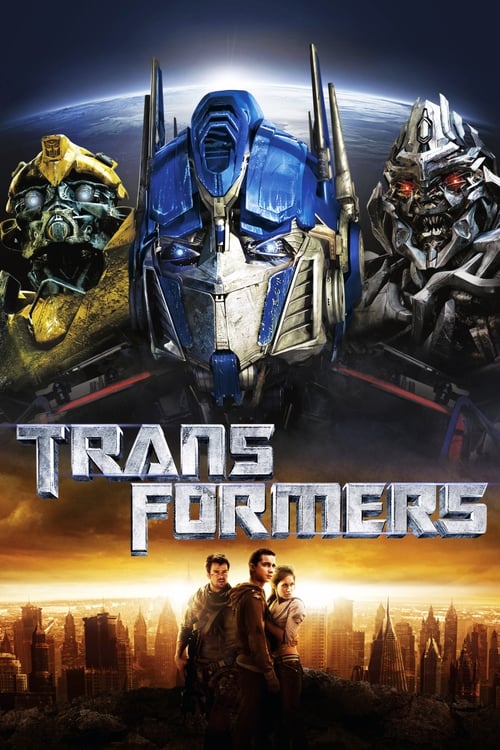
Somewhere between producer Irwin Allen ( The Towering Inferno , The Poseidon Adventure ) and director Michael Bay (the lamentable Transformers series) there is Roland Emmerich, the gleeful and unapologetic German-born orchestrator of apocalyptic mass destruction.
For good measure, Emmerich throws in a “Transformers”-type edge to the hare-brained science about why this could be happening, but that too comes with a bland imagination and execution.
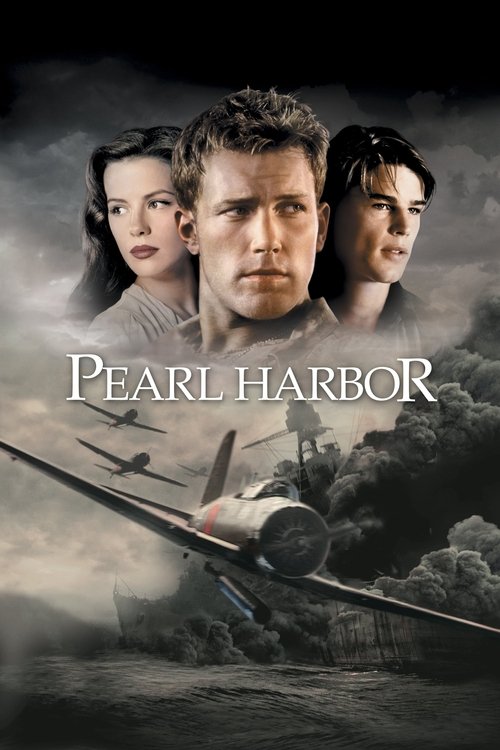
One return to form was Midway , although it suffered from low-quality CGI after being practically self-financed, yet it was easily better than Michael Bay’s abomination Pearl Harbor.
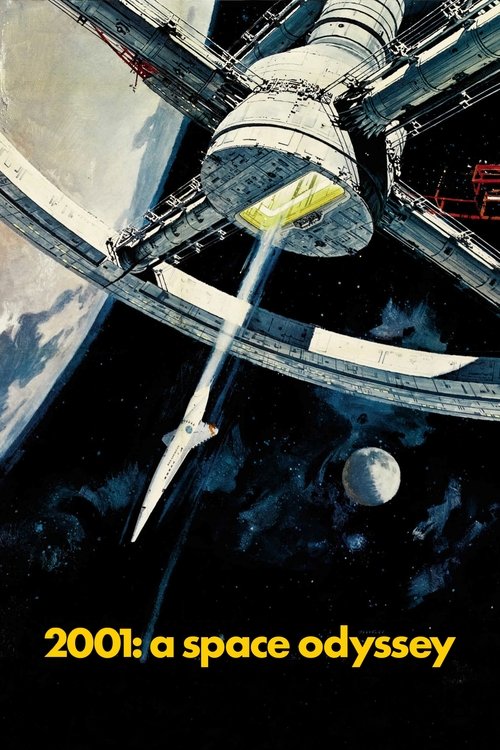
Emmerich directs a script he co-wrote with Harald Kloser and Spenser Cohen and it comes close to camp, recalling ’90s disaster flicks like “Armageddon,” some high concept from “Interstellar,” some Emmerich DNA from “The Day After Tomorrow” and even call-backs to “2001: A Space Odyssey” and “Planet of the Apes.”
Note the visual nods to wallpaper from The Shining (1980) and the white void from 2001: A Space Odyssey (1968), then watch Room 237 (2012).
By the time the story reaches its out-there conclusion — involving aliens’ ability to channel our inner thoughts in order to communicate with us in terms we can understand — it’s become clear that the screenwriters have seen 2001: A Space Odyssey too many times.
Stylistically, “Moonfall” has roots in everything from “2001: A Space Odyssey,” the granddaddy of speculative science-fiction films, to the “Terminator” series, with its deadly, self-aware AI, and the look and piloting wizardry of the “Star Wars” films.
These involve a primordial conflict, aliens, A.I., and the creation of the human species, and they’re brought to the screen with audaciously flimsy versions of key moments from the Stargate sequence in “2001: A Space Odyssey.”
The climactic outer-space sequence has some potential here but Emmerich’s attempt to incorporate 2001: A Space Odyssey-like intergalactic journey is too far-fetched for its own good.
Note the visual nods to wallpaper from The Shining (1980) and the white void from 2001: A Space Odyssey (1968), then watch Room 237 (2012).
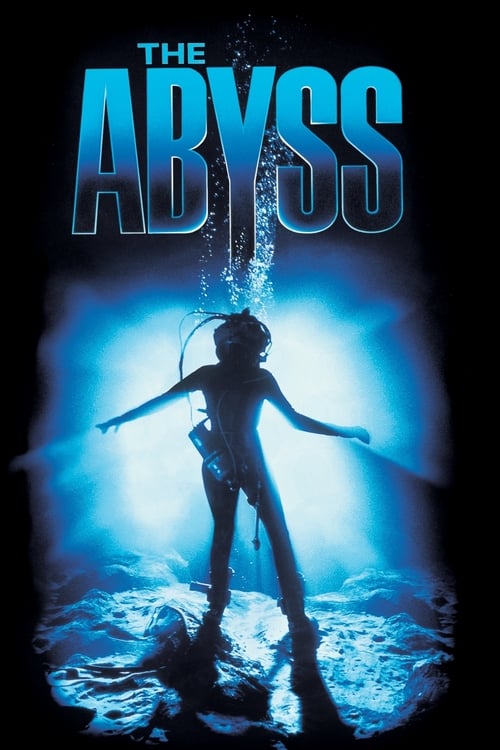
Emmerich is apparently a big James Cameron fan, since huge chunks of Moonfall are ripped off from The Abyss (with a little Terminator-flavored “AI strikes back against its human creators” concept).
In Moonfall , the voyage to the moon is reasonably interesting, even if it shamelessly borrows from The Abyss and Contact , so what happens on earth is more of a distraction.
Moonfall cribs from the best with beats clearly inspired by The Terminator , The Abyss , and others as the story grows from silly to inane, and while its Elon Musk love is disturbing and its “Karen” joke already outdated there’s still plenty to have fun with here.
Elements of 2001: A Space Odyssey , The Abyss , the Terminator franchise, and so many other massive science fiction stalwarts crash into one another with freewheeling abandon.
Simply take a pinch of Contact, a dash of The Abyss, a tablespoon of Independence Day, and a cup of Armageddon, mix them all together and the result is Moonfall.
More than two hours of cobbled together bits of everything from The Abyss to the Terminator series, 2001 , The Core , Prometheus , Transformers: Dark of the Moon , Melancholia and Armageddon , all packaged in a blur of second-rate CGI and pseudo-science that attempts to quote Carl Sagan, but has more in common with the conspiracy theories of David Icke.
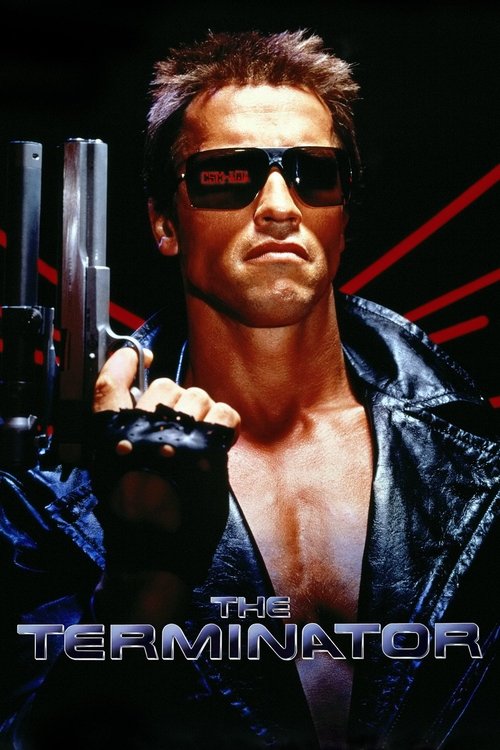
Moonfall cribs from the best with beats clearly inspired by The Terminator , The Abyss , and others as the story grows from silly to inane, and while its Elon Musk love is disturbing and its “Karen” joke already outdated there’s still plenty to have fun with here.
But as it blasts into space — cue the strikingly topsy-turvy image of a shuttle struggling to rise amid cascading water — the increasingly, entertainingly ludicrous story seems to draw as much inspiration from “Gravity,” “Prometheus,” “The Terminator” and “Mission to Mars,” to say nothing of Emmerich’s own past space operas like “Independence Day” and “Stargate.”
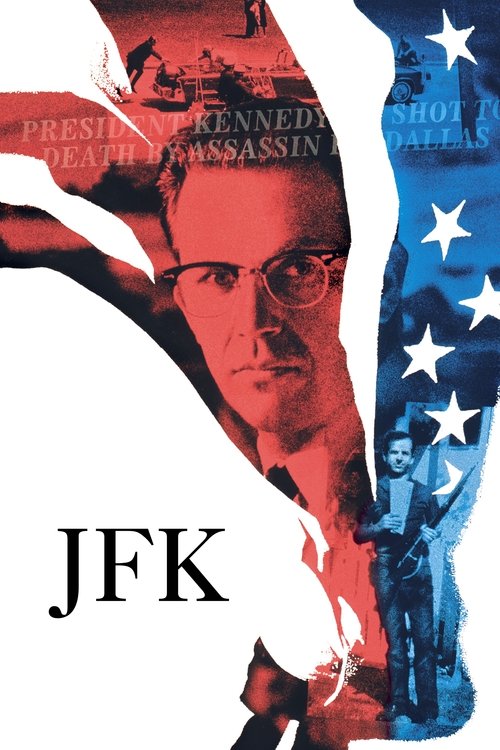
A much-loved actor who shall remain nameless gets a choice cameo wherein he Explains Much that recalls his even choicer cameo wherein he Explains Even More in Oliver Stone’s “JFK” (1991).
And the 86-year-old Donald Sutherland shows up for about two minutes to reprise his JFK role, 30 years later, as the guy who explains the whole conspiracy and then exits the movie.
Fragmented-family problems ensue, along with the gravity problems, plus tidal waves; moon chunks hurling into mountains and skyscrapers; and, because the plot depends on a massive government conspiracy to hide the truth, a brief cameo from Donald Sutherland in “JFK” mode.
(Remember the character Sutherland played in that excellent scene in Oliver Stone’s 1991 drama “JFK”?
I suspect that Emmerich wanted the scene to play with the furious momentum of the actor’s famous sequence in JFK (1992), where Sutherland expounds on the many factors that led to Kennedy’s assassination.
At one point, Donald Sutherland shows up at an unlikely location, blurts out some helpful information about a government coverup faster than you can say "JFK" and disappears almost as quickly.
Advertisement

Moonfall has moments that recall obvious sci-fi influences like The Matrix as well as his one-time competitors like Michael Bay's Armageddon and half-forgotten curiosities like Brian De Palma's Mission to Mars .
But as it blasts into space — cue the strikingly topsy-turvy image of a shuttle struggling to rise amid cascading water — the increasingly, entertainingly ludicrous story seems to draw as much inspiration from “Gravity,” “Prometheus,” “The Terminator” and “Mission to Mars,” to say nothing of Emmerich’s own past space operas like “Independence Day” and “Stargate.”
The filmmaker, working with a script he co-wrote with Harald Kloser and Spenser Cohen, also gets to flex his penchant for wild conspiracy theories, and ends up churning out a film that feels heavily indebted to Brian De Palma's somewhat forgotten 2000 sci-fi movie "Mission to Mars."
Barring a third-act expository info-dump (which, incidentally, positions this madness as Emmerich’s mega riff on De Palma’s misunderstood Mission to Mars ) Moonfall just never stops.

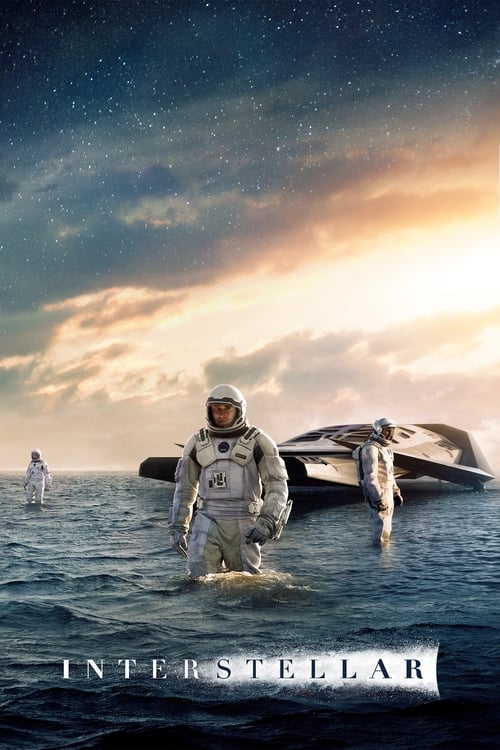
Emmerich directs a script he co-wrote with Harald Kloser and Spenser Cohen and it comes close to camp, recalling ’90s disaster flicks like “Armageddon,” some high concept from “Interstellar,” some Emmerich DNA from “The Day After Tomorrow” and even call-backs to “2001: A Space Odyssey” and “Planet of the Apes.”
Wilson is an actor ideally suited to a role like this: a combo of spacefaring machismo and soft-hearted dad vibes, he feels like an off-brand attempt at recapturing the McConaughy magic of Interstellar , and though that’s typically meant as an insult, oftentimes (at least when it comes to soda and beer) it works just as well.
It’s like the silliest parts of Contact and Interstellar slammed into each other, but without either of their scientific foundations.
There is a surprising swerve into 2001/Interstellar territory in the third act that perks things up, but otherwise way too many of the 130 minutes are devoted to the thinly drawn familial dynamics of characters played by Patrick Wilson, Halle Berry, John Bradley, Michael Pena, and Charlie Plummer.
Without even getting into Emmerich's (he co-wrote the script with Spenser Cohen and Harald Kloser) "Interstellar"-like final act or his depiction of A.I. as a big black blob, there's little to recommend here outside of campy, accidental laughs.
Moonfall has quite a few things in common, visually and thematically, with films like Robert Zemeckis’ Contact and Christopher Nolan’s Interstellar , which looked at our place in the universe with wonder, awe, and a posture of serious inquiry.
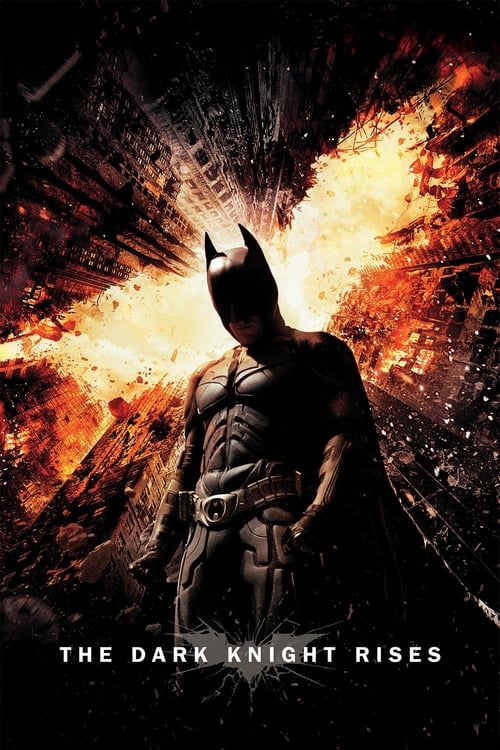
The film begins with the moon inexplicably hurtling toward Earth, but any semblance of a story is swiftly lost as Emmerich (Independence Day, The Day After Tomorrow) buries a talented cast, including Halle Berry and Patrick Wilson, beneath a frantic pace and a seemingly endless score by Harald Kloser and Thomas Wanker that worsens the onscreen chaos, proving that Emmerich will never match the perfect fusion of image and sound that Christopher Nolan achieved with epics like The Dark Knight Rises.
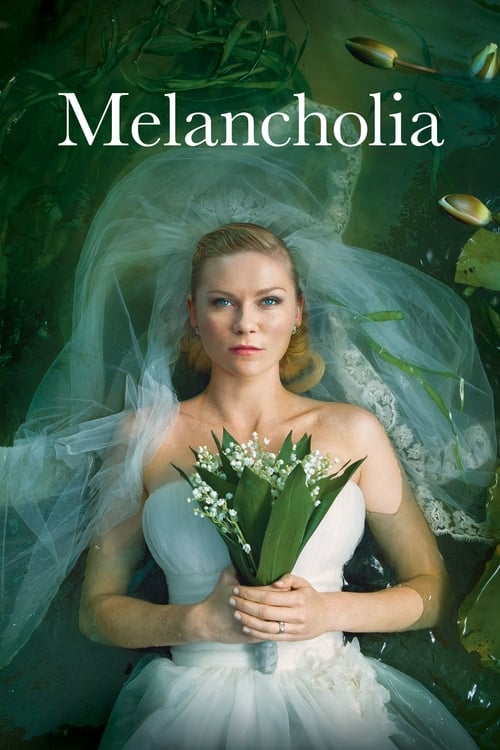
When the surface of the moon literally scrapes the Colorado Rockies – a nod to Melancholia – you get the sense Emmerich won’t mind if you’re laughing.
It isn’t a soul-searching drama about planetary collision as a metaphor for clinical depression, like Lars von Trier’s 2011 art film Melancholia .
This was meant to be the big popcorn cousin of those existential films like Lars Von Trier’s “Melancholia,” where planets will collide but it’s all about the characters processing fate down here on the surface.
Don’t be confused, this movie has more worth as a comparison to Lars von Trier’s “Melancholia,” about a massive planet crashing into Earth, than a decent piece of entertainment.
That slight yet pivotal distinction epitomizes the sheer joylessness of Emmerich’s latest mega-slog, which betrays the dumb fun promised by its marketing campaign in favor of a po-faced interplanetary pileup that unfolds less like a B-movie spectacle with a NASA-worthy budget than it does a blockbuster remake of “Melancholia” as directed by Elon Musk.
Two sequences, one involving the catastrophic pull of the moon’s gravity on the oceans at a critical moment, the other a Melancholia-type moment of lunar approach, are positively spine-tingling and instantly memorable.
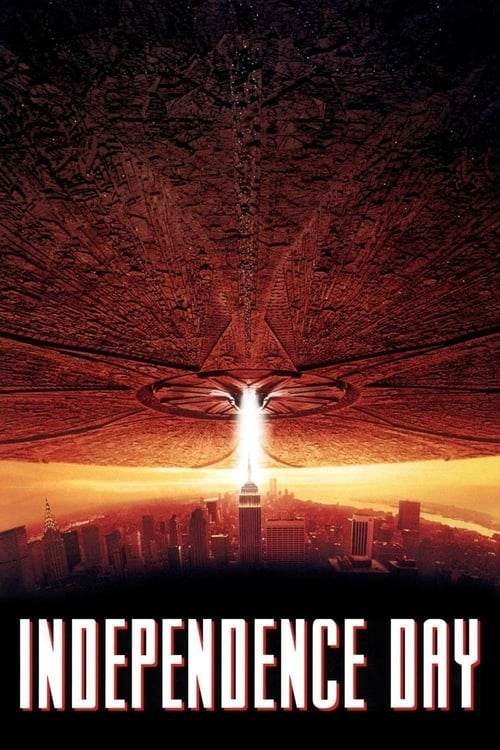
I can’t decide if it’s a tribute, or a rip-off, borrowing from almost every sci-fi space movie that came before, especially some of Emmerich’s own, including Independence Day , Independence Day: Resurgence , 2012 and The Day After Tomorrow .
Moonfall is merely the latest in a long tradition for the Emmerichiverse, a clear and well-worn formula that stretches all the way back to 1996’s Independence Day .
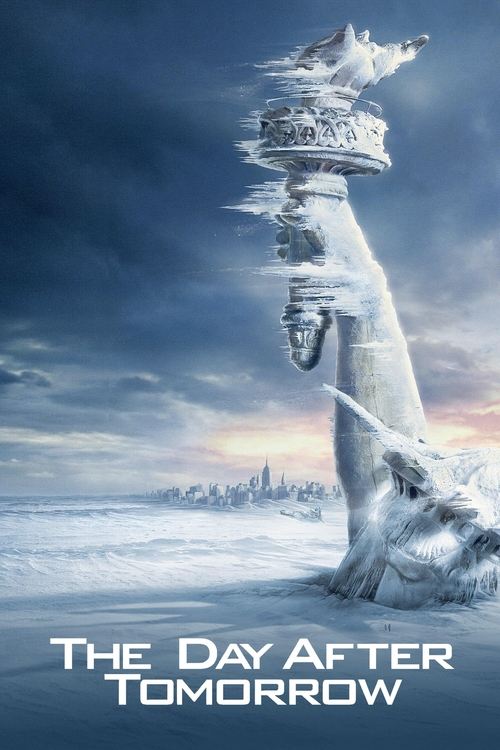
Along the way, the film samples liberally from Emmerich’s past projects, with a dash of Independence Day and plenty of The Day After Tomorrow to go along with 2012 ‘s conspiracy-friendly inspiration, and it’s hard to miss the overt similarities to some films he didn’t make, like 1998 meteor-disaster adventure Armageddon .
He’s co-written and directed a film that’s somehow more ludicrous than “The Day After Tomorrow,” “2012” and “Independence Day” combined.
When news broke that Roland Emmerich, director of beloved blockbuster disaster films such as Independence Day, The Day After Tomorrow and 2012 (which, yes, belongs in the same category as the other two), was slated to direct a film about humanity facing off with the literal Moon, I knew we were in for something special.
There’s the extreme weather and a potential extraterrestrial threat, combing his most popular two films Independence Day and The Day After Tomorrow , which ensures maximum potential for unfathomable damage to unfold.
Emmerich directs a script he co-wrote with Harald Kloser and Spenser Cohen and it comes close to camp, recalling ’90s disaster flicks like “Armageddon,” some high concept from “Interstellar,” some Emmerich DNA from “The Day After Tomorrow” and even call-backs to “2001: A Space Odyssey” and “Planet of the Apes.”
I can’t decide if it’s a tribute, or a rip-off, borrowing from almost every sci-fi space movie that came before, especially some of Emmerich’s own, including Independence Day , Independence Day: Resurgence , 2012 and The Day After Tomorrow .
Any theme involving possible doom gets diluted into pop fantasy by Emmerich, like climate change in “The Day After Tomorrow” or Mayan calendar prophecies in “2012.”
Along the way, the film samples liberally from Emmerich’s past projects, with a dash of Independence Day and plenty of The Day After Tomorrow to go along with 2012 ‘s conspiracy-friendly inspiration, and it’s hard to miss the overt similarities to some films he didn’t make, like 1998 meteor-disaster adventure Armageddon .
He’s co-written and directed a film that’s somehow more ludicrous than “The Day After Tomorrow,” “2012” and “Independence Day” combined.
When news broke that Roland Emmerich, director of beloved blockbuster disaster films such as Independence Day, The Day After Tomorrow and 2012 (which, yes, belongs in the same category as the other two), was slated to direct a film about humanity facing off with the literal Moon, I knew we were in for something special.
I can’t decide if it’s a tribute, or a rip-off, borrowing from almost every sci-fi space movie that came before, especially some of Emmerich’s own, including Independence Day , Independence Day: Resurgence , 2012 and The Day After Tomorrow .
Any theme involving possible doom gets diluted into pop fantasy by Emmerich, like climate change in “The Day After Tomorrow” or Mayan calendar prophecies in “2012.”
He’s co-written and directed a film that’s somehow more ludicrous than “The Day After Tomorrow,” “2012” and “Independence Day” combined.
When news broke that Roland Emmerich, director of beloved blockbuster disaster films such as Independence Day, The Day After Tomorrow and 2012 (which, yes, belongs in the same category as the other two), was slated to direct a film about humanity facing off with the literal Moon, I knew we were in for something special.
But for the director Roland Emmerich (“Independence Day,” “The Day After Tomorrow,” “2012”), who treats the planet to potentially life-ending cataclysms with the regularity of dental checkups, it’s not much new under the sun.
It’s been a while since a movie has come along that is as thoroughly explained by its title as Moonfall , the 18th feature from master of disaster Roland Emmerich ( Independence Day , Independence Day: Resurgence , The Day After Tomorrow , 2012 , Godzilla , etc.).

I can’t decide if it’s a tribute, or a rip-off, borrowing from almost every sci-fi space movie that came before, especially some of Emmerich’s own, including Independence Day , Independence Day: Resurgence , 2012 and The Day After Tomorrow .
Moonfall is Emmerich’s second recent attempt (after 2016’s Independence Day: Resurgence ) to reclaim his throne, the old dog ready to remind us that no one knows how to kill a billion people and render Earth an uninhabitable wasteland better than he does.
Emmerich hasn’t actually made a true disaster film in some time, ignoring the dreadful Independence Day: Resurgence, but he returns with Moonfall, which combines the director’s love of wonton destruction and conspiracy theory.
It’s been a while since a movie has come along that is as thoroughly explained by its title as Moonfall , the 18th feature from master of disaster Roland Emmerich ( Independence Day , Independence Day: Resurgence , The Day After Tomorrow , 2012 , Godzilla , etc.).
Roland Emmerich’s Moonfall , starring Halle Berry and Patrick Wilson, is a gloriously reckless return to planetary disasters that falls between the director's highs of Independence Day and the lows of its sequel, Independence Day: Resurgence .
This is a low point even for director Roland Emmerich, who already has some pretty lousy entries (“10,000 B.C.,” “Independence Day: Resurgence,” “2012”) in his less-than-stellar cinematic resume.
But as it blasts into space — cue the strikingly topsy-turvy image of a shuttle struggling to rise amid cascading water — the increasingly, entertainingly ludicrous story seems to draw as much inspiration from “Gravity,” “Prometheus,” “The Terminator” and “Mission to Mars,” to say nothing of Emmerich’s own past space operas like “Independence Day” and “Stargate.”
Writer, producer, and director Roland Emmerich is no stranger to epic sci-fi, from Universal Soldier and the original Stargate to the global success of Independence Day (aka ID4 ), most often with writer Dean Devlin.
Perhaps, the producers should have known better than to embrace a massive budget (rumored here to be $140 million) on Emmerich, who gave us 1994’s “Stargate” but also stumbled with 2016’s “Independence Day: Resurgence.”
His primary run of name-brand, blockbuster, sci-fi actioners, let’s say from 1994’s Stargate to 2009’s 2012 , were corny, absurd, character-thin (allowing Judd Hirsch to read his dialogue in a cartoonish Yiddish accent in ID4 should be punishable by watching Judd Hirsch read his dialogue in a cartoonish Yiddish accent in ID4 ) and downright fun.
Writer/director Roland Emmerich has a lot of cinematic crimes to answer for (like the 1998 “Godzilla”) but when he gets it right, as with “Stargate” or “Independence Day,” his films can be great fun.
Roland Emmerich is one of the latter, and while he’s deviated on occasion his bread and butter is big, loud, CG-heavy nonsense — Stargate (1994), Independence Day (1996), The Day After Tomorrow (2004), 10,000 BC (2008), 2012 (2009), Independence Day: Resurgence (2016), to name a few.
Where his efforts to combine ancient grandeur and contemporary flair were once forward-thinking (“The Day After Tomorrow”) or light on their toes (“White House Down”), Emmerich’s recent work has strained for relevance in ways that ring as hollow as the Moon itself.
Only one of his releases – 2013’s White House Down – could be called a true Saturday afternoon TNT classic, which was the mode he operated best in, and his attempts to pivot away from big-budget spectacle and move towards a more “personal” cinema went down in flames (anybody remember Stonewall ?).
I say that as someone who thoroughly enjoys trash, but Emmerich’s films can range on the spectrum from good trash ( Independence Day , White House Down ) to mediocre trash ( The Day After Tomorrow , Midway ) to just plain trash classic ( 10,000 BC , Independence Day: Resurgence ).
There’s also an outstanding score courtesy of Kloser and his frequent composing collaborator Thomas Wanker ( Midway , White House Down ), the pair adding a musical component that helps augment the interstellar thrills and chills considerably.
Writer, producer, and director Roland Emmerich is no stranger to epic sci-fi, from Universal Soldier and the original Stargate to the global success of Independence Day (aka ID4 ), most often with writer Dean Devlin.
As a disaster master, he’s been responsible for about $4 billion from 14 features he’s directed since 1992’s Universal Soldier .
Emmerich launched his career with science fiction films including Universal Soldier , Stargate , and Independence Day.
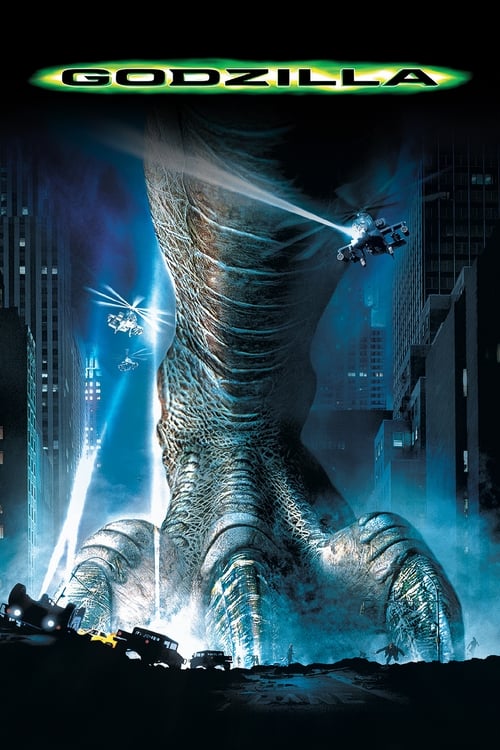
It’s been a while since a movie has come along that is as thoroughly explained by its title as Moonfall , the 18th feature from master of disaster Roland Emmerich ( Independence Day , Independence Day: Resurgence , The Day After Tomorrow , 2012 , Godzilla , etc.).
The title may sound like a Bond flick, but “Moonfall” is the latest disaster pic from Roland Emmerich (“2012,” “Godzilla,” “The Day After Tomorrow” and “Independence Day”) about, well, the moon crashing into the Earth.
Director/co-writer/co-producer Roland Emmerich is the man behind “Independence Day” (1996), “Godzilla” (1998) and “The Day After Tomorrow” (2004), and he pulls out all the stops in “Moonfall,” which is so outlandish it makes those former films look like documentaries.
When it does, indeed, start to fall, the rising tides wash over cities in a way that’s typical of its director, disaster king Roland Emmerich (think The Day After Tomorrow or Godzilla ).
He’s had plenty of so-so films as well, from the 1998 Godzilla, The Day After Tomorrow, 2012, and the ill-fated ID4 sequel Resurgence.
Do I think that Roland Emmerich, the blockbuster director of Independence Day and 2012 and The Day After Tomorrow and the Godzilla that time forgot, might have gotten the idea for Moonfall in the middle of scream-singing an Adele song at karaoke with his friends?
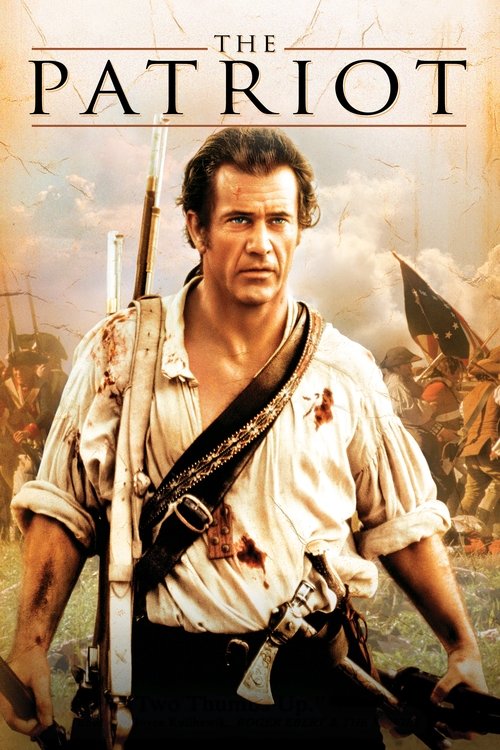
He has aimed for more creative heights before with some intriguing and entertaining movies like “Anonymous,” about those theories that Shakespeare was more than one author, and the macho American Revolution offering, “The Patriot.”
Regardless of what genre he dabbles in, Emmerich's movies tend to be fodder for film critics with only two (1996's "Independence Day" and 2000's "The Patriot") squeaking out a "Fresh" rating by the popular review aggregator Rotten Tomatoes (for what it's worth).
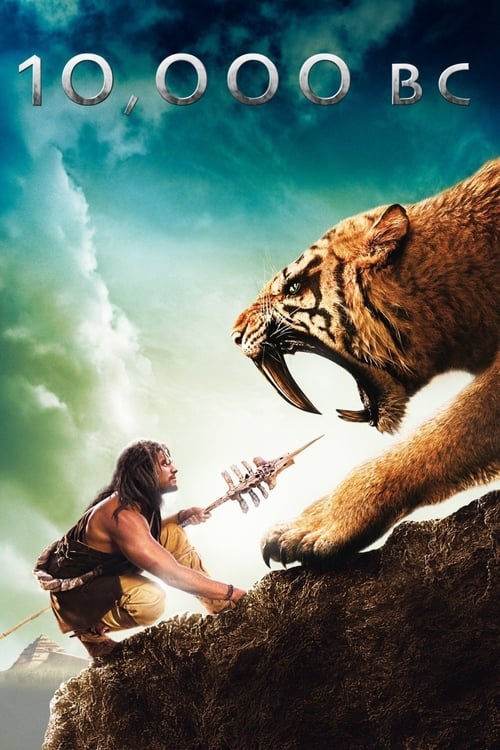
The second tip-off, for those who pay attention to such things, is a writing credit for Harald Kloser, who previously co-wrote two of Emmerich's silliest films, 2012 (2009) and the head-slappingly ridiculous 10,000 BC (2008).
Roland Emmerich is one of the latter, and while he’s deviated on occasion his bread and butter is big, loud, CG-heavy nonsense — Stargate (1994), Independence Day (1996), The Day After Tomorrow (2004), 10,000 BC (2008), 2012 (2009), Independence Day: Resurgence (2016), to name a few.
I say that as someone who thoroughly enjoys trash, but Emmerich’s films can range on the spectrum from good trash ( Independence Day , White House Down ) to mediocre trash ( The Day After Tomorrow , Midway ) to just plain trash classic ( 10,000 BC , Independence Day: Resurgence ).
The director who once gave us such crowd-pleasing delights as Independence Day and The Day After Tomorrow has somehow contrived to make a worse movie than his partly Kiwi shot 10,000 BC .
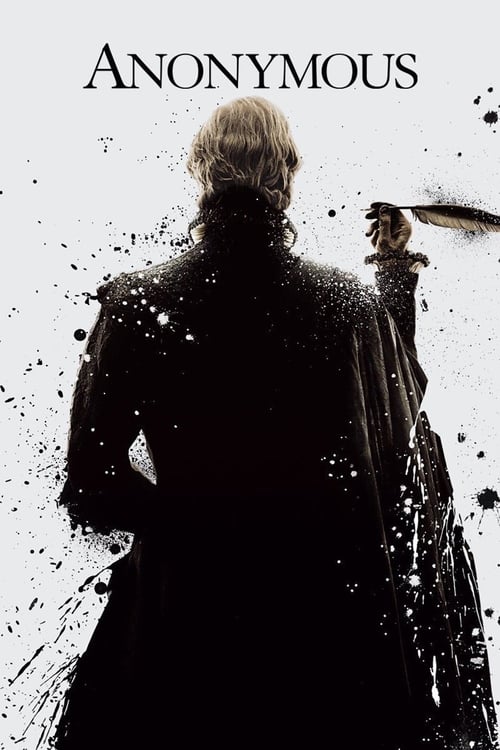
For over 25 years, Emmerich has been ending the world in elaborate, creative ways (taking a brief break from mass obliteration in 2011 to helm the flawed-but-fun "Shakespeare is a fraud!" flick "Anonymous").
Much as I hesitate to use the word “logical” in the context of reviewing “Moonfall,” the movie is a logical next step for a filmmaker who’s always gone out of his way to validate conspiracy theorists (from Quaid’s character in “Independence Day” to the basic premises of “2012” and his “Shakespeare wasn’t real” thriller “Anonymous”).
And yes, I saw “Anonymous,” his “Shakespeare didn’t write Shakespeare’s plays” debacle, and the better-intentioned bust “Stonewall.”

But even within the forgiving context of the genre, Moonfall is laughably preposterous (that says a lot considering Emmerich also directed Stonewall ) and suffers from a lack of winking, self-aware humor.
Only one of his releases – 2013’s White House Down – could be called a true Saturday afternoon TNT classic, which was the mode he operated best in, and his attempts to pivot away from big-budget spectacle and move towards a more “personal” cinema went down in flames (anybody remember Stonewall ?).
But Emmerich, who’s previously demonstrated his greater artistic ambitions with such efforts as Anonymous and Stonewall , seems to be going through the motions.
And yes, I saw “Anonymous,” his “Shakespeare didn’t write Shakespeare’s plays” debacle, and the better-intentioned bust “Stonewall.”
Advertisement
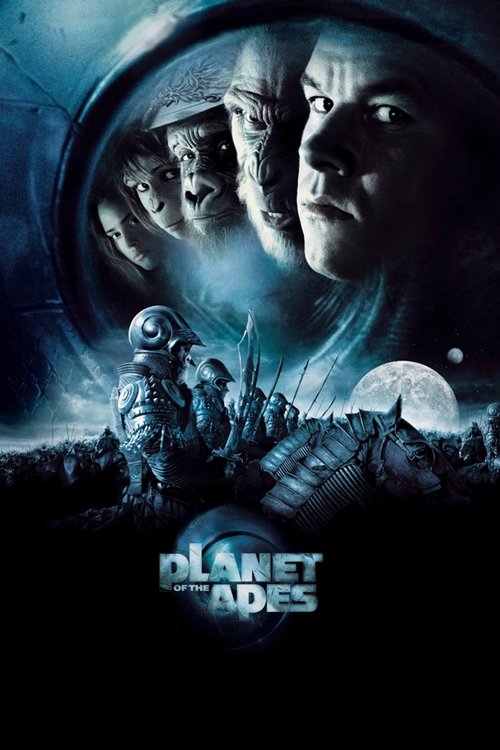
Emmerich directs a script he co-wrote with Harald Kloser and Spenser Cohen and it comes close to camp, recalling ’90s disaster flicks like “Armageddon,” some high concept from “Interstellar,” some Emmerich DNA from “The Day After Tomorrow” and even call-backs to “2001: A Space Odyssey” and “Planet of the Apes.”
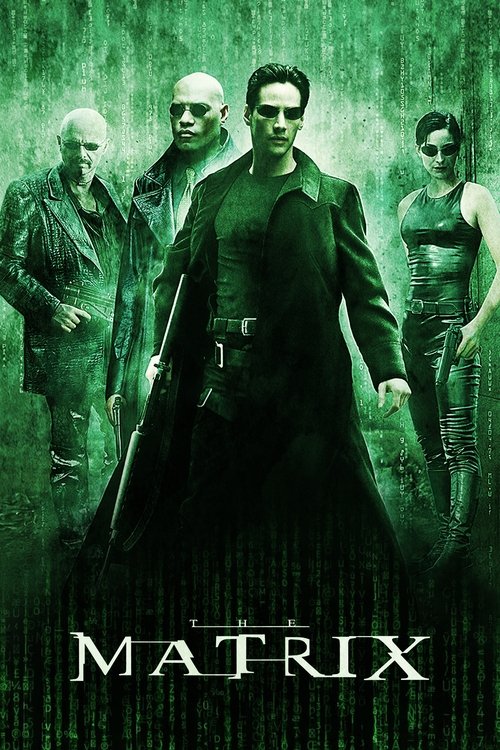
An exchange between the anxious KC and the reassuring Jo when they find themselves in a featureless all-white space not unlike the one where Neo first encounters Morpheus in The Matrix .
Moonfall has moments that recall obvious sci-fi influences like The Matrix as well as his one-time competitors like Michael Bay's Armageddon and half-forgotten curiosities like Brian De Palma's Mission to Mars .