
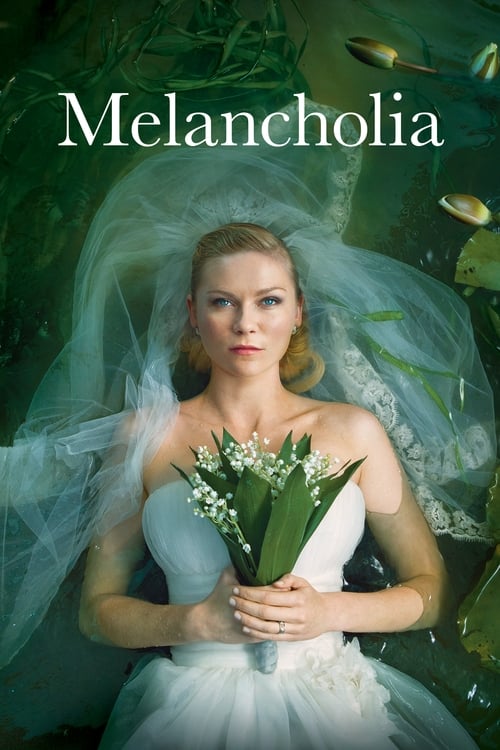
Melancholia (2011)
Directed by Lars von Trier
Two sisters find their already strained relationship challenged as a mysterious new planet threatens to collide with Earth.
24 connections found
View:
24 films that influenced Melancholia
What critics say influenced Melancholia
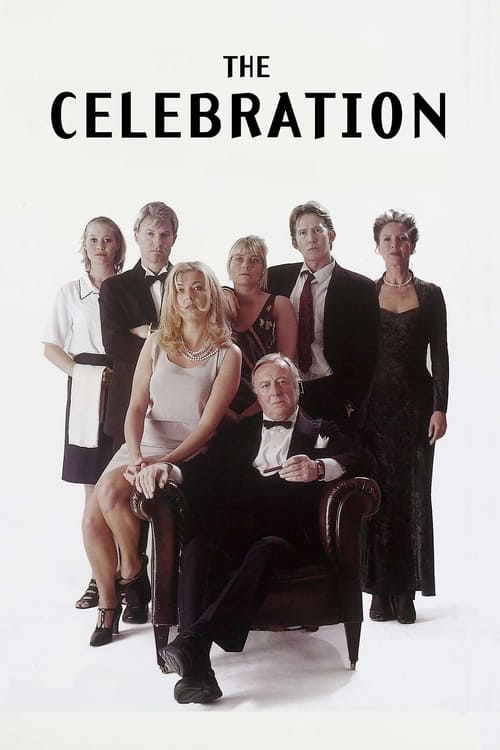


It's a micro-treatment of what most sci-fi eschatological tales take a more expansive view of: Think " When Worlds Collide " reconfigured as a Bergman film, or, to be more specific, as " The Celebration ," the 1998 family drama directed by von Trier's Danish sort-of disciple Thomas Vinterberg .
With a first hour that plays like 1998's " The Celebration " crossed with 2008's " Rachel Getting Married ," the film fascinatingly follows Justine around for much of the time without spelling out what it is that is wrong with her.
Shot by Claro in gloriously rich colors, the “Justine” half of “Melancholia” is a rich comedy of manners and buried family secrets, deliberately recalling Bergman’s country-house comedies, like “Wild Strawberries” or “Smiles of a Summer Night,” and also perhaps “The Celebration,” by von Trier’s onetime Dogme 95 collaborator Thomas Vinterberg.
In its lacerating portrait of an unhappy family dynamic, this half of the movie suggests "The Celebration" (1988), by von Trier's fellow Dane and former "Dogme 95" filmmaking compatriot, Thomas Vinterberg.
The first, titled 'Justine,' is all about the doomed wedding party and is very reminiscent of fellow Danish filmmaker Thomas Vinterberg's "The Celebration."
Writer/director von Trier gleefully gathers all this emotional turmoil with his restless digi-cam, making this first chapter seem like an homage to The Celebration, by von Trier’s fellow Dogma ’95 disciple Thomas Vinterberg.
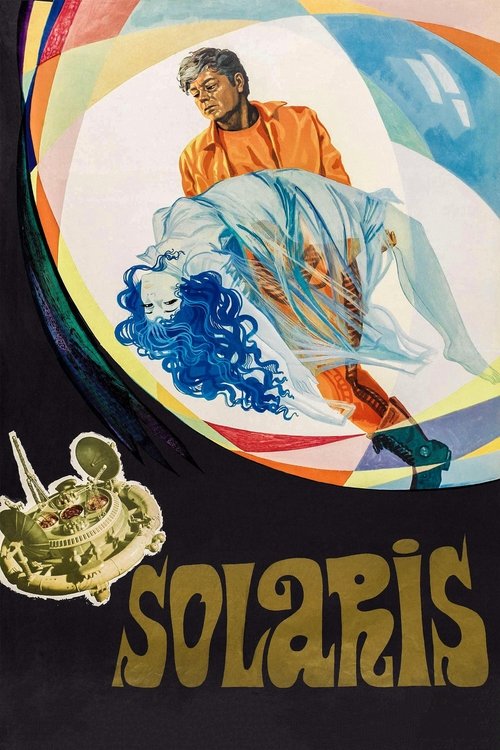
Melancholia is a raw psychodrama with the unnerving drone of Tarkovsky’s Solaris, its angst giving birth to the ultimate cosmic correlative.
Clearly inspired by the silent suggestive power of Andrei Tarkovsky’s films (in this case, perhaps “Solaris” more than others), von Trier marries his perceptive efforts with subtle nods to a variety of other sources – in particular, the painting “Ophelia” by John Everett Millais, which inspires the image of Justine in a wedding dress being carried along a river current.
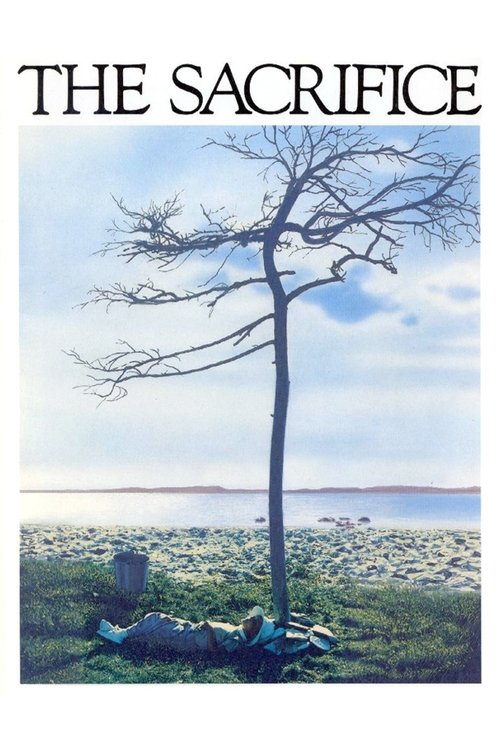
The most obvious influence here is " The Sacrifice ," the last film by one of von Trier's artistic heroes, Andrei Tarkovsky , which looks in on a single isolated family's reaction to a possible nuclear cataclysm.
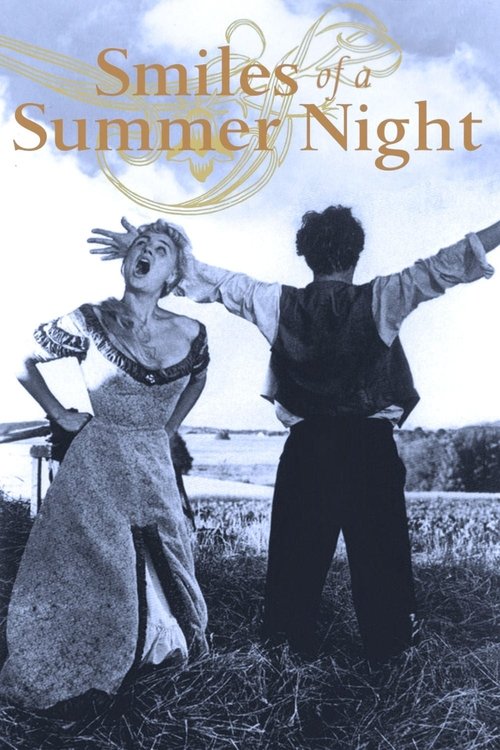
Shot by Claro in gloriously rich colors, the “Justine” half of “Melancholia” is a rich comedy of manners and buried family secrets, deliberately recalling Bergman’s country-house comedies, like “Wild Strawberries” or “Smiles of a Summer Night,” and also perhaps “The Celebration,” by von Trier’s onetime Dogme 95 collaborator Thomas Vinterberg.

Shot by Claro in gloriously rich colors, the “Justine” half of “Melancholia” is a rich comedy of manners and buried family secrets, deliberately recalling Bergman’s country-house comedies, like “Wild Strawberries” or “Smiles of a Summer Night,” and also perhaps “The Celebration,” by von Trier’s onetime Dogme 95 collaborator Thomas Vinterberg.
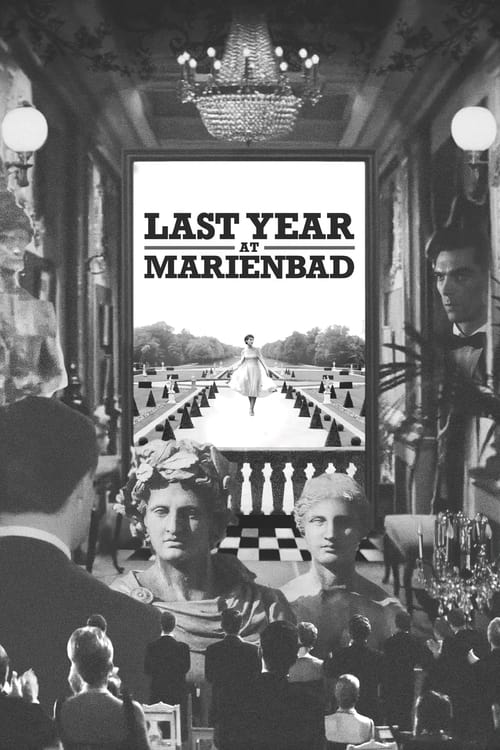
A younger critic kindly stayed behind to describe in some detail what I might have missed, even telling me that there was a reference he knew I'd have noticed to Last Year at Marienbad.
Advertisement
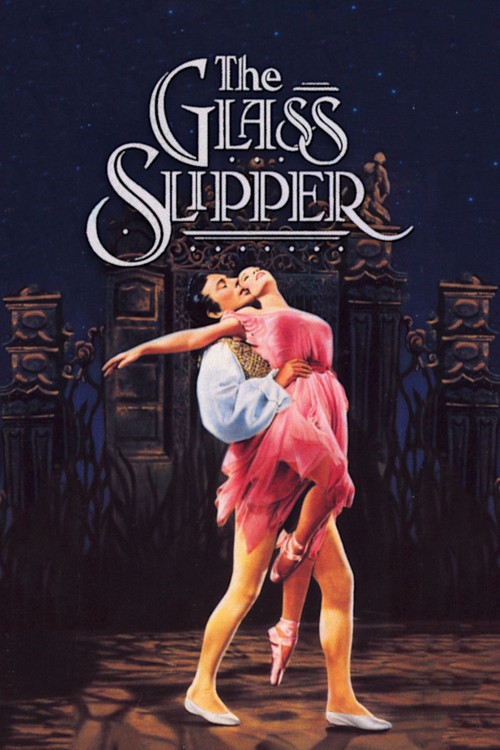
Claire is a perfectionist who has planned the party down to the precise moment of cutting a storybook wedding cake that looks like something Leslie Caron danced on in The Glass Slipper.

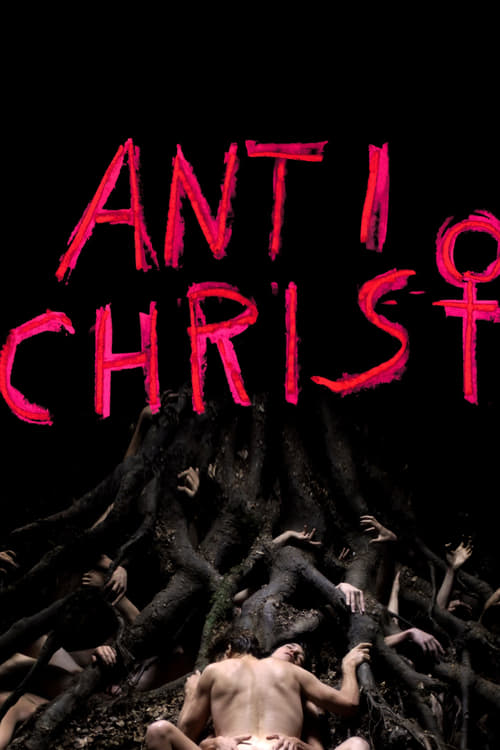
Taking a similar approach as "Antichrist," the Danish filmmaker opens "Melancholia" with a montage of slow-moving images introducing some of the main characters, mainly images of Kirsten Dunst standing with birds or butterflies falling all around her. They're gorgeous, like paintings, but not particularly telling of what to expect later in the movie, other than a few shots of planets in outer space, which acts as a tease for the movie's secondary plot.
His prior film, 2009's " Antichrist ," was an intellectually incoherent but visually, erm, memorable welter of apocalyptic ruminations on the battle of the sexes that featured on-screen genital mutilation and a talking animatronic disemboweled fox among its cinematic highlights.
If 2009's " Antichrist " was writer-director-auteur Lars von Trier's brazenly despairing answer to tackling his own rarefied, anarchic vision of a horror film, then "Melancholia" is his grandiose, equally unconventional take on an end-of-the-world disaster movie.
It's a planet dubbed Melancholia, and Justine's sister, Claire (Charlotte Gainsbourg, of von Trier's equally uncompromising "Antichrist"), keeps nervously Googling its trajectory.
But when they arrive at the castle where her sister Claire (Charlotte Gainsbourg, "Antichrist") and brother-in-law John (Kiefer Sutherland) live, fretting over their lateness for their own reception party, things begin to take a downward turn.
With Antichrist, he created sequences in slow motion that looked like a series of gorgeous photographs.
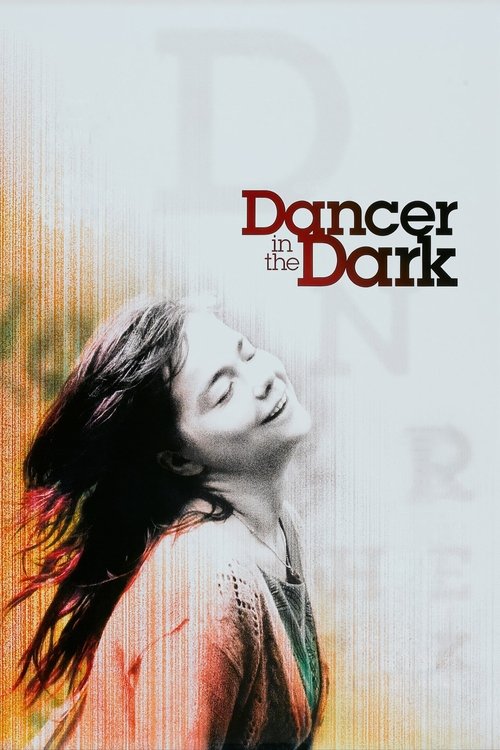
"Melancholia" apparently was inspired by von Trier's history of dark depression -- a history that won't surprise viewers of such past von Trier films as "Breaking the Waves," "Dancer in the Dark" and "Dogville," which abused their heroines with almost Sadean determination.
Oh sure, I concede that he has demonstrated an undeniable ability to get strong and memorable performances from actresses as varied as Emily Watson ("Breaking the Waves"), Nicole Kidman ("Dogville") and even pop star Bjork ("Dancer in the Dark") and his films usually contain at least one or two absolutely sublime cinematic passages (such as the haunting prologue to "Antichrist" in which passionate lovemaking and unimaginable tragedy are woven together into a haunting and unforgettable tapestry).
I had read a fair amount about the new movie from Lars von Trier ("Dancer in the Dark," "Antichrist"), but it still took me by surprise with its compassion, beauty and plot details.
My full disclosure for the evening is that, by custom, I have absolutely no use for the man: my feelings for his work has ranged anywhere from grudging admiration ( Dancer in the Dark ) to profound irritation ( Dogville ), and my feelings on his last picture, Antichrist , are not so very different from "loathing".
In many ways this bizarre, nihilistic meditation is a dreary, redundant, pretentious bore, continuing Von Trier’s gloomy cinematic exploration of the anguished suffering of women, as evidenced in “Breaking the Waves,” “Dogville” and “Dancer in the Dark.”
It's a pitch-dark theme for a film, although we expect nothing less from the filmmaker who made "Dancer in the Dark" and "Antichrist."
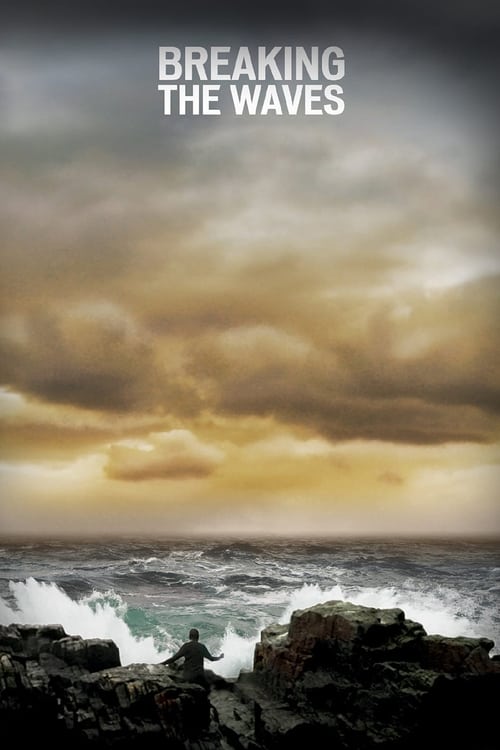
"Melancholia" apparently was inspired by von Trier's history of dark depression -- a history that won't surprise viewers of such past von Trier films as "Breaking the Waves," "Dancer in the Dark" and "Dogville," which abused their heroines with almost Sadean determination.
Oh sure, I concede that he has demonstrated an undeniable ability to get strong and memorable performances from actresses as varied as Emily Watson ("Breaking the Waves"), Nicole Kidman ("Dogville") and even pop star Bjork ("Dancer in the Dark") and his films usually contain at least one or two absolutely sublime cinematic passages (such as the haunting prologue to "Antichrist" in which passionate lovemaking and unimaginable tragedy are woven together into a haunting and unforgettable tapestry).
Writer/director Lars von Trier ("Breaking the Waves") claimed depression as the instigation of his last film, "Antichrist," and he seems not to have gotten over it with his latest.
Although Dunst isn’t put through the horrors that awaited Gainsbourg in “Antichrist,” or Emily Watson in “Breaking the Waves,” her character suffers endlessly.
And his shaky, quasi-documentary camera technique has been evoking gray skies since 1996's “Breaking the Waves.”
In many ways this bizarre, nihilistic meditation is a dreary, redundant, pretentious bore, continuing Von Trier’s gloomy cinematic exploration of the anguished suffering of women, as evidenced in “Breaking the Waves,” “Dogville” and “Dancer in the Dark.”
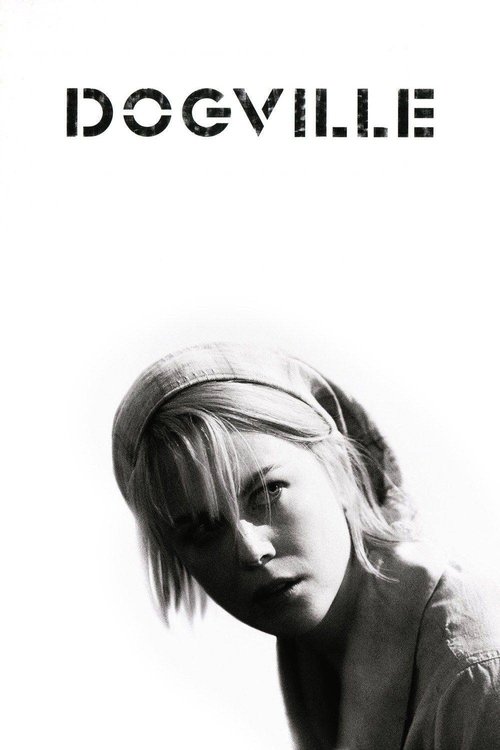
"Melancholia" apparently was inspired by von Trier's history of dark depression -- a history that won't surprise viewers of such past von Trier films as "Breaking the Waves," "Dancer in the Dark" and "Dogville," which abused their heroines with almost Sadean determination.
Oh sure, I concede that he has demonstrated an undeniable ability to get strong and memorable performances from actresses as varied as Emily Watson ("Breaking the Waves"), Nicole Kidman ("Dogville") and even pop star Bjork ("Dancer in the Dark") and his films usually contain at least one or two absolutely sublime cinematic passages (such as the haunting prologue to "Antichrist" in which passionate lovemaking and unimaginable tragedy are woven together into a haunting and unforgettable tapestry).
It's the end of the world as we know it, according to Danish provocateur Lars von Trier, an unapologetic director known for exploring dark subject material with a graphic nature, a la Dogville or Antichrist.
My full disclosure for the evening is that, by custom, I have absolutely no use for the man: my feelings for his work has ranged anywhere from grudging admiration ( Dancer in the Dark ) to profound irritation ( Dogville ), and my feelings on his last picture, Antichrist , are not so very different from "loathing".
In many ways this bizarre, nihilistic meditation is a dreary, redundant, pretentious bore, continuing Von Trier’s gloomy cinematic exploration of the anguished suffering of women, as evidenced in “Breaking the Waves,” “Dogville” and “Dancer in the Dark.”
And while two-dimensional stick figures were ideal for a Brechtian piece like Dogville, here they fail to convey the situation’s true ghastliness.

Like most of von Trier's films since he burst on the international scene at the 1984 Cannes festival with The Element of Crime, Melancholia is in English rather than his native Danish, though it doesn't seem remotely like a British or American picture, despite the appearance of familiar English-speaking actors among the assorted Scandinavians.
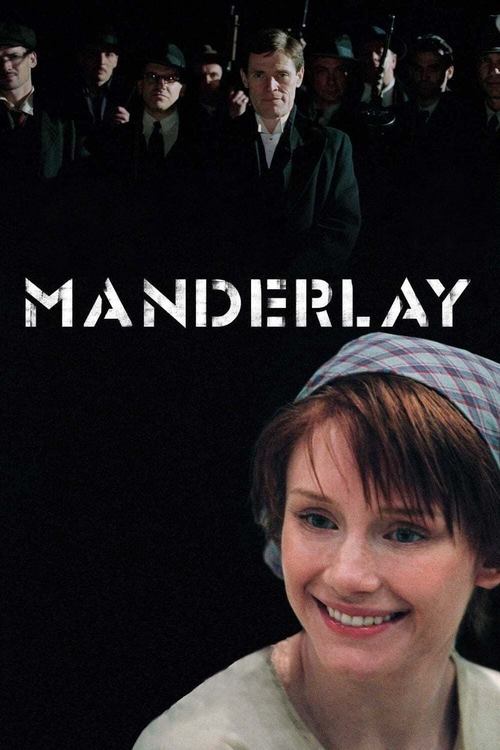
Von Trier has often worked on the extreme edge of the permissible: interpolating hard-core sex scenes into his social satire The Idiots, positing that full-blown slavery had extended into the American 1930s in Manderlay, putting Gainsbourg through simulated ordeals of self-mutilation in Antichrist.
Unlike some of his recent dirges (“Antichrist,” “Manderlay”), he actually seems to be having a good time telling the saga of Justine & Michael’s mostly-disastrous nuptials.
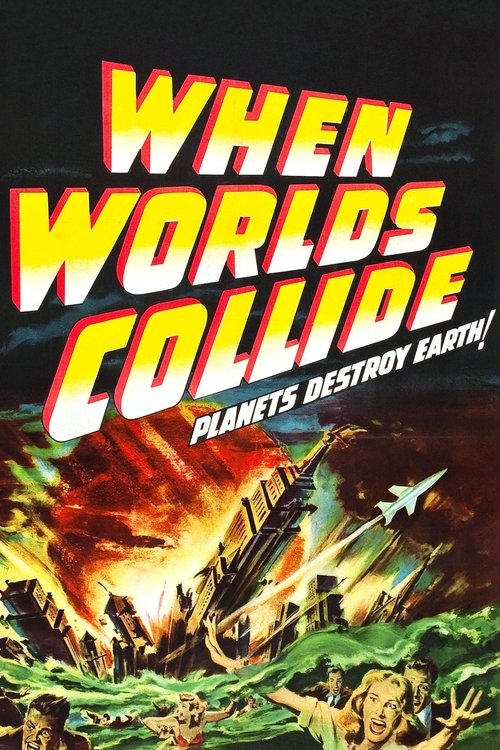
The menacing globes in “Melancholia,” Lars von Trier’s half-baked, existential version of “When Worlds Collide” (1951), aren’t in outer space.
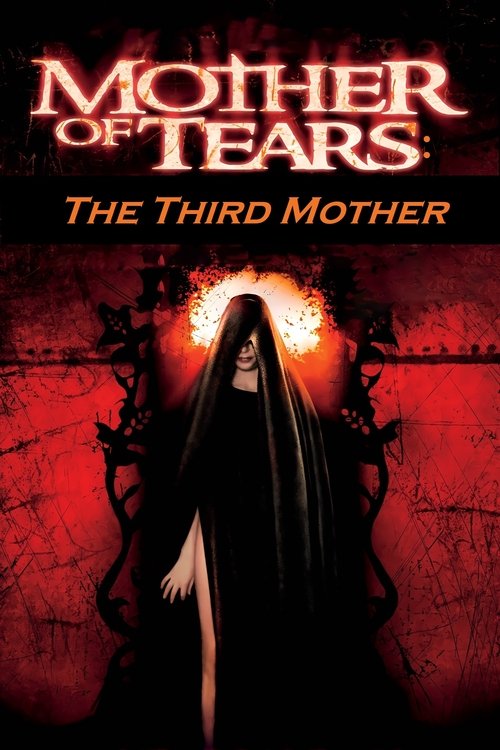
The wedding planner (a hilarious Udo Kier, "Mother of Tears") is so upset with the bride's behavior that he refuses to look at her. Justine's boss, Jack (Stellan Skarsgård, "Thor"), announces her promotion from copy writer to art director, so she screws her replacement, his befuddled nephew Tim (Brady Corbet, 2007's "Funny Games"), on John's golf course and later tells Jack to take a hike.
Advertisement

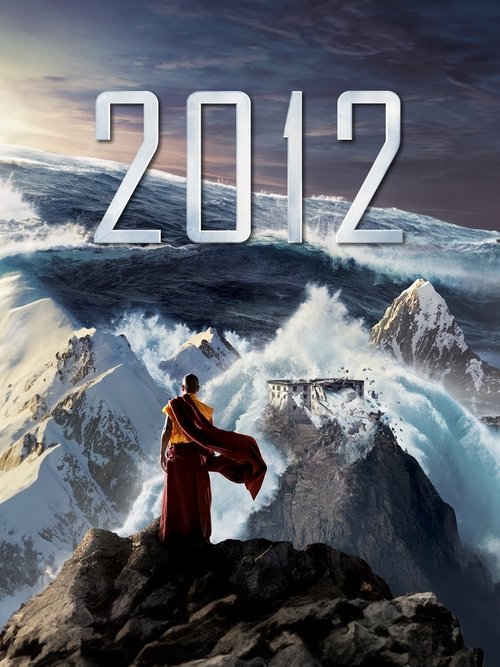
Movies as diverse as 2012 and Melancholia tap into this.
The Hollywood machine would see this premise as fertile ground for a big-budgeted summer blockbuster – and indeed, as seen by the likes of Roland Emmerich in movies like “2012” and “The Day After Tomorrow,” there have been obvious capitalizations on the approach.
Never mind Armageddon and 2012, this is a cerebral kind of disaster movie with imagery and themes that prove much harder to shake.
The director shies away from the obvious end-of-world destructive scenarios like 2012 (ie no montage of people dying all over the globe).
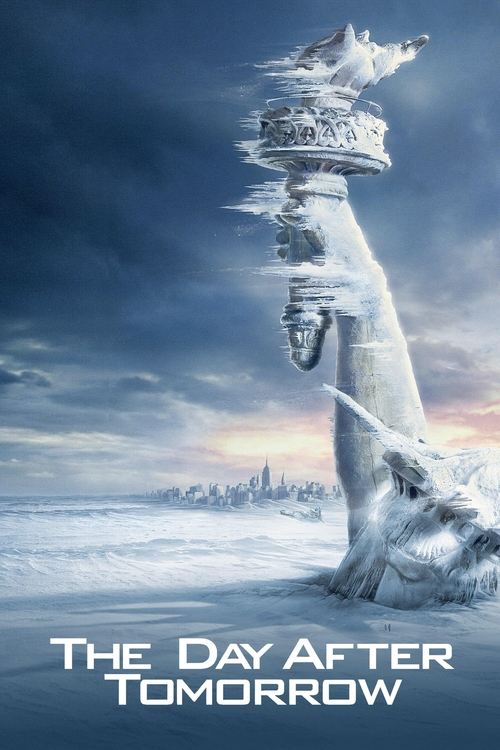
The Hollywood machine would see this premise as fertile ground for a big-budgeted summer blockbuster – and indeed, as seen by the likes of Roland Emmerich in movies like “2012” and “The Day After Tomorrow,” there have been obvious capitalizations on the approach.
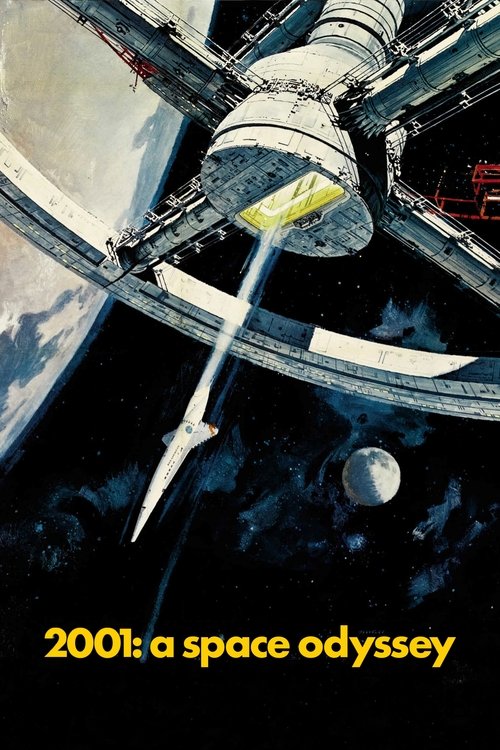
The special effects are clean but not overbearing, and exhibit respect for the faultless subtlety contained in the images of “2001: A Space Odyssey.”
It’s a sequence that, except for its final seconds, could be an outtake from Kubrick’s 2001: A Space Odyssey.