
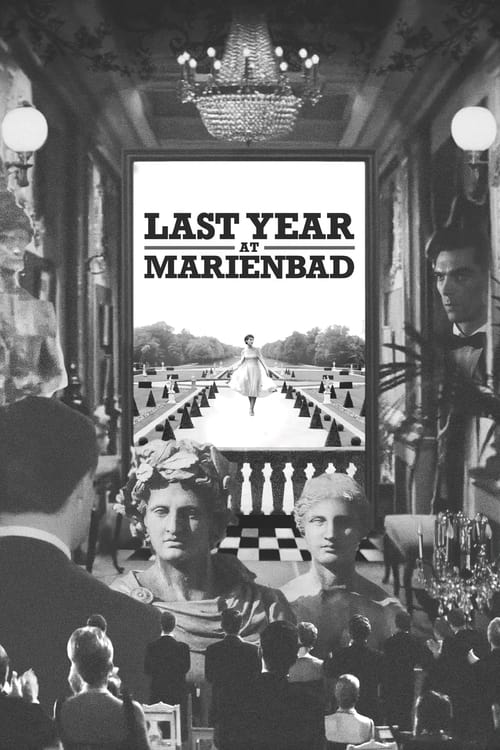
Last Year at Marienbad (1961)
Directed by Alain Resnais
At a weekend gathering, a man tells a woman that they had spent time there together a year prior. But, the woman has no recollection whatsoever and is convinced that he is simply fabricating the encounter. The more he speaks about their activities the previous year however, the more compelling he becomes. The question remains however – did they meet previously or not?
8 connections found
View:
8 films that influenced Last Year at Marienbad
What critics say influenced Last Year at Marienbad


The straight paths and "rigid spaces" of the estate's neatly trimmed symmetrical gardens and long corridors belie the twisted, tangled central conflict: a man (identified in the screenplay as "X") pursues a woman (alpha female "A"), insisting that, in spite of her husband "M" (Sacha Pitoëff), "X" and "A" were lovers the previous summer, "in Karlstadt, Marienbad, or Baden-Salsa.
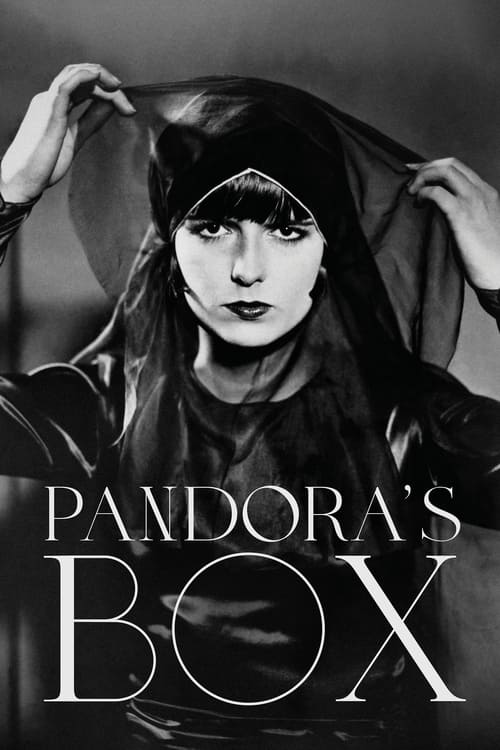
To illustrate precisely what he wanted, Resnais reportedly screened G.W. Pabst's Brooks-starring Pandora's Box for cast and crew.
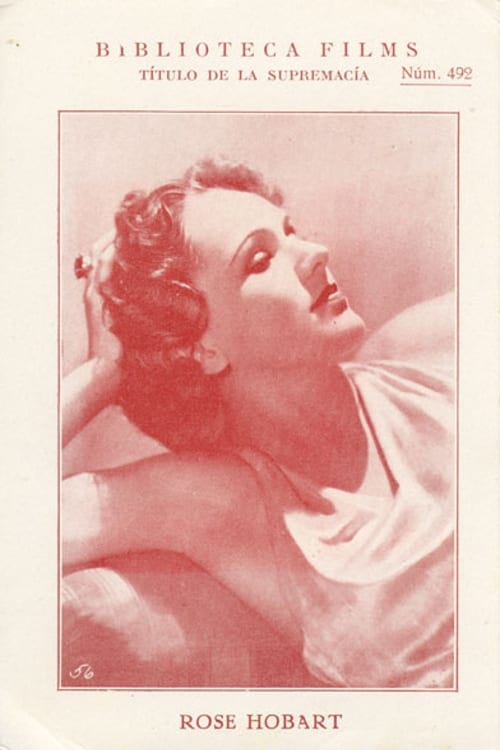
(Its two antecedents are Joseph Cornell's film assemblage Rose Hobart, a portrait of the actress that Resnais could not possibly have seen, and Adolfo Bioy Casares's novel The Invention of Morel, a fantastic adventure positing a cinematic virtual reality, which Robbe-Grillet certainly had read.)
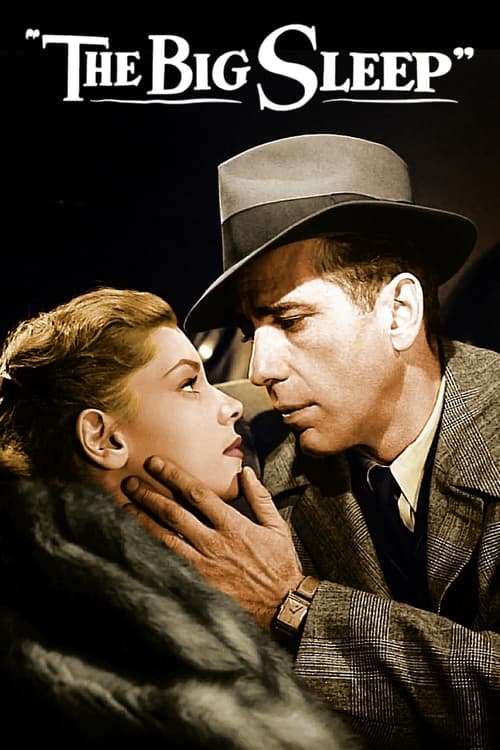
A quick archaeology of Marienbad might unearth the dark fairy-tales of Méliès; the regenerating plots, image-systems and fantastic conspiracies of Feuillade's serials; the architectural and dress motifs of L'Herbier; the modernist mythopoeia of Cocteau; the physics-defying camerawork of Max Ophuls; the Art Deco dancescapes of Fred and Ginger; the country house metonymy of Le Règle du jeu (Jean Renoir, 1939); the trauma-through-mise-en-scène of Vincente Minnelli; the eternal return to Geiger's house of death in The Big Sleep (Howard Hawks, 1946); the metaphysical staging of 1950s Bergman; the nocturnal and ambivalent forbidden love in a bourgeois milieu of Les Amants (1958, Louis Malle); the spirals of Hitchcock's Vertigo (1958).
Advertisement
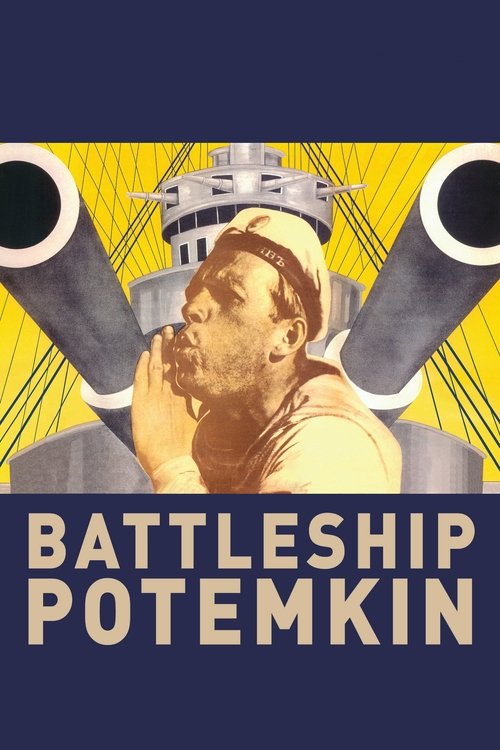
And then there's a brief tour of the Mediterranean (Palestine, Naples, Greece, Barcelona) told using images from other films, – including The Beaches of Agnès, Cheyenne Autumn, Battleship Potemkin – and quotes from writers (Derrida, Pirandello, Malraux, Conrad).
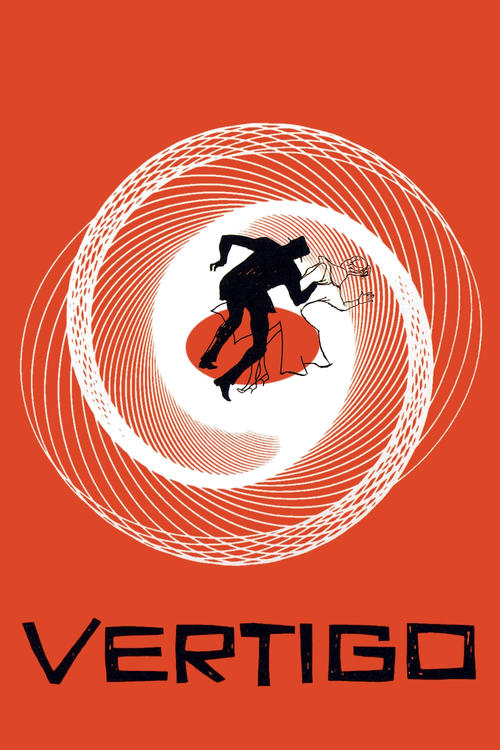
A quick archaeology of Marienbad might unearth the dark fairy-tales of Méliès; the regenerating plots, image-systems and fantastic conspiracies of Feuillade's serials; the architectural and dress motifs of L'Herbier; the modernist mythopoeia of Cocteau; the physics-defying camerawork of Max Ophuls; the Art Deco dancescapes of Fred and Ginger; the country house metonymy of Le Règle du jeu (Jean Renoir, 1939); the trauma-through-mise-en-scène of Vincente Minnelli; the eternal return to Geiger's house of death in The Big Sleep (Howard Hawks, 1946); the metaphysical staging of 1950s Bergman; the nocturnal and ambivalent forbidden love in a bourgeois milieu of Les Amants (1958, Louis Malle); the spirals of Hitchcock's Vertigo (1958).
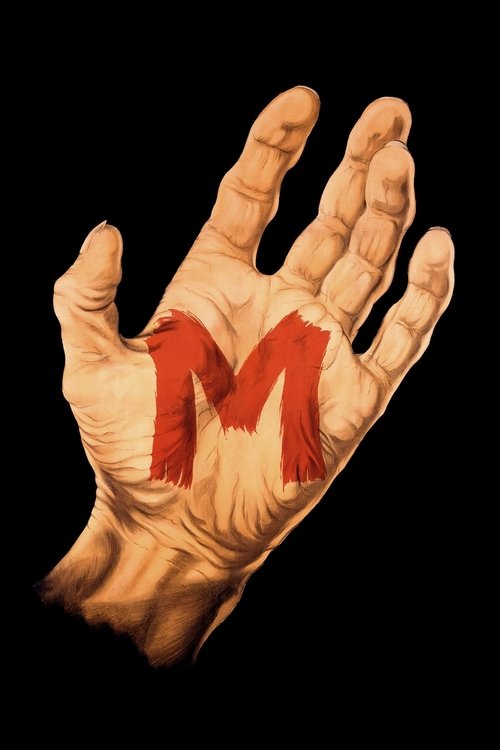
Hopelessly retro, eternally avant-garde, and one of the most influential movies ever made (as well as one of the most reviled), Marienbad is both utterly lucid and provocatively opaquean elaborate joke on the world's corniest pickup line and a drama of erotic fixation that takes Vertigo to the next level of abstraction.
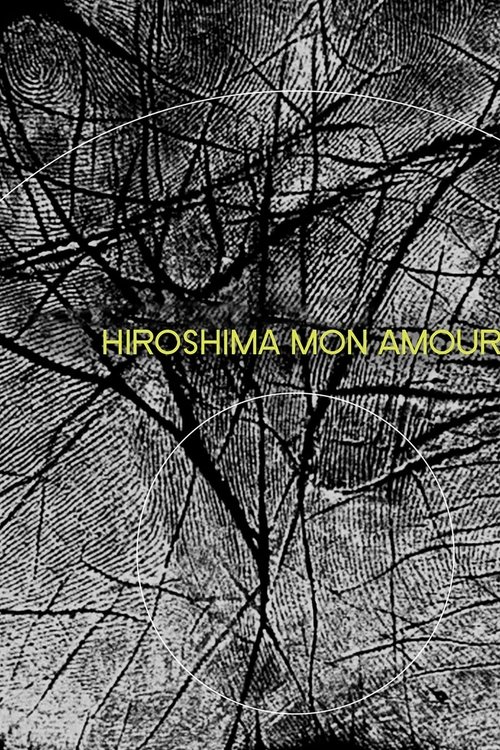
But this opening also reveals continuity with Resnais' previous, more obviously political work: the camera movements through the hall, caressing décor and artworks (and later vivifying a statue in conjunction with montage) recall the explorations of the museums in Les statues meurent aussi (Alain Resnais and Chris Marker, 1953); the play between historical presence and present absence (the narrator's voice is un-situated and disembodied; the hotel is initially empty) figured in mournful tracking shots evokes Nuit et brouillard; the disjunction between subjective memory and the reality of remembered events was also essayed in Hiroshima mon amour (1959).
Given its focus on memory and the slippery division between reality and fantasy, Last Year at Marienbad plays as a natural extension of the ideas and themes in Resnais’ first feature, Hiroshima mon amour (1959), which told the story of a French actress’s affair with a Japanese architect in the shadow of postwar Japan and was scripted by the novelist Marguerite Duras (it is often considered the starting point of the French New Wave).
A substantial moment in Resnais' salad days, Marienbad followed the director's breakthrough, Hiroshima mon amour , and preceded perhaps his most challenging work, Muriel.
The hypnotic dollies elaborate on those of Resnais's earlier Hiroshima Mon Amour; the montage effortlessly synthesizes past and present, flashback and flash-forward, svelte shock cuts and shock match cuts.
French director Alain Resnais's ("Hiroshima Mon Amour") presents a puzzling avant-garde surrealist film that is never solved.
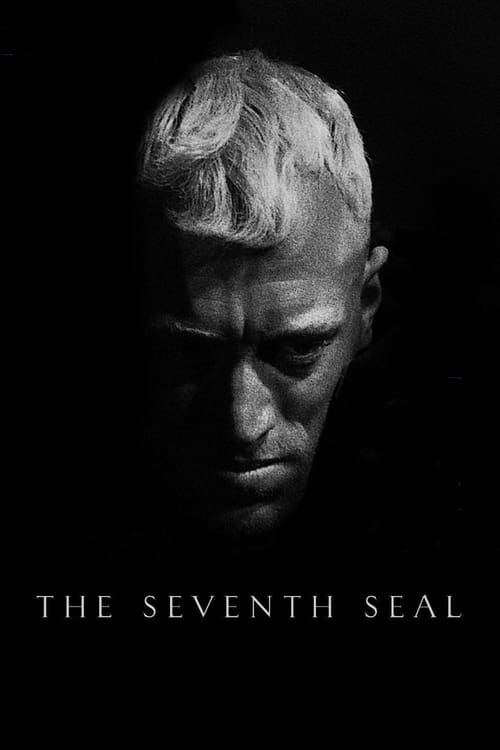
There's another game, a variant of Nim played against an eerie man who can't lose (as in 1957's The Seventh Seal, where man's opponent was Death himself).