
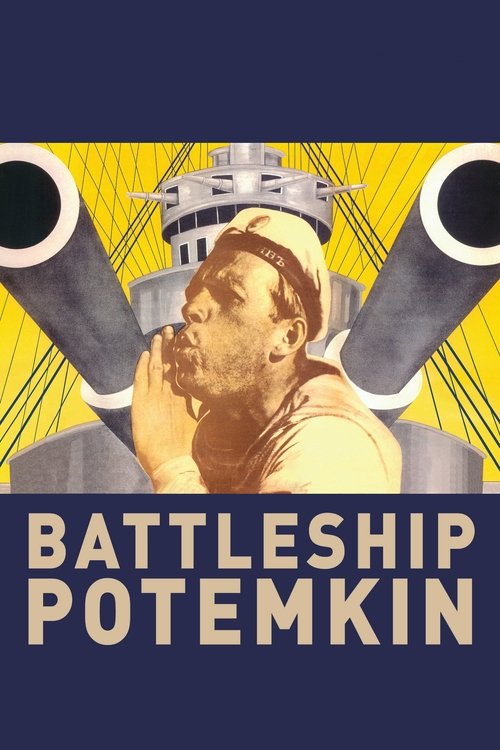
Battleship Potemkin (1925)
Directed by Sergei Eisenstein
A dramatized account of a great Russian naval mutiny and a resultant public demonstration, showing support, which brought on a police massacre.
8 connections found
View:
8 connections, in both directions
What critics compared Battleship Potemkin to
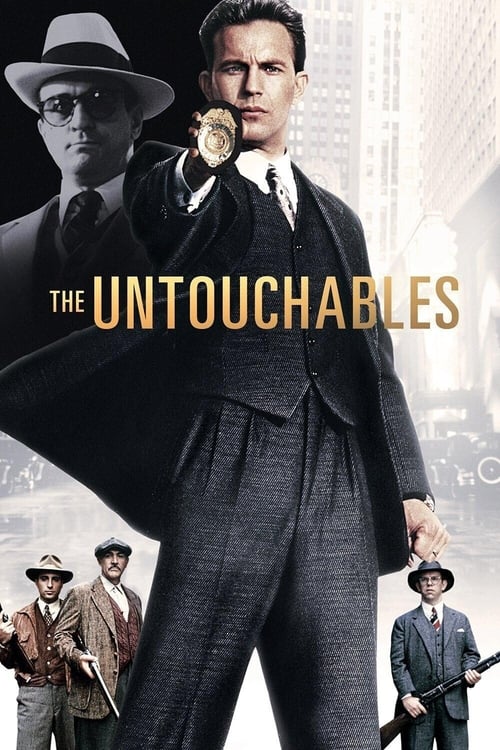


Director Brian De Palma gives you an esoteric tribute to "Battleship Potemkin" -- a Russian film of the 1920s -- as well as a dip into the pulp-lore of the old Warner Brothers gangster flicks.
And the only moment where he does—the notorious (and supposedly improvised on set) Battleship Potemkin homage—is rendered utterly facile and irrelevant as a result.
De Palma directs with effortless panache, most memorably in a pistol-packing homage to the Odessa Steps sequence from " Battleship Potemkin " on the staircase of Chicago's Grand Station.
Some scenes, like the baby carriage scene (famously lifted from Battleship Potemkin) and Connery's taking-charge scenes, come alive, but the film mostly revels in nostalgia and feels numb.
The most memorable and controversial sequence is easily the climactic shootout in Chicago�s Union Station, partially because it features De Palma�s trademark extended slow-motion in an incredibly complex choreography of gun fighting and nervous tension, but mostly because it has the audacity to evoke Sergei Eisenstein�s classic Odessa Steps sequence from Battleship Potemkin.
Borrowing from the famous Odessa Steps sequence from Eisenstein's Battleship Potemkin, De Palma crafts one of the most riveting 10-minute set pieces in modern cinema, elevating the tension by stages until it is nearly unbearable.
Martin Scorsese might be right when he says Marvel movies are “theme parks”, but Michael Bay’s films make Avengers: Endgame look like Battleship Potemkin .
And then there's a brief tour of the Mediterranean (Palestine, Naples, Greece, Barcelona) told using images from other films, – including The Beaches of Agnès, Cheyenne Autumn, Battleship Potemkin – and quotes from writers (Derrida, Pirandello, Malraux, Conrad).

No mere coincidence, the visual image connects Baby Driver to its cool-crime-movie lineage (film scholars can trace it back further to Sergei Eisenstein’s eyeglasses montage in Battleship Potemkin).
Advertisement
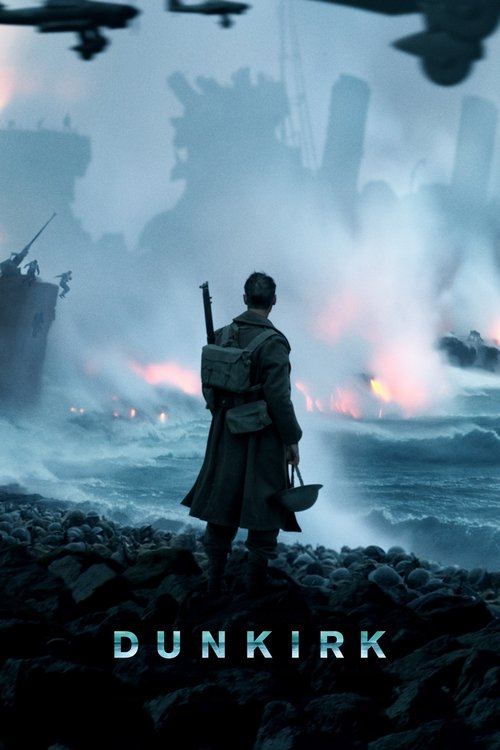
Cinema has been stretching time since at least Battleship Potemkin but it is unusual to find elongation and compression used simultaneously.

Seen today, Metropolis is a clearly hysterical, cautionary reaction to Eisenstein’s incendiary Battleship Potemkin–incited by a lascivious robot, the proles stupidly flood their home in their mindless revolt.
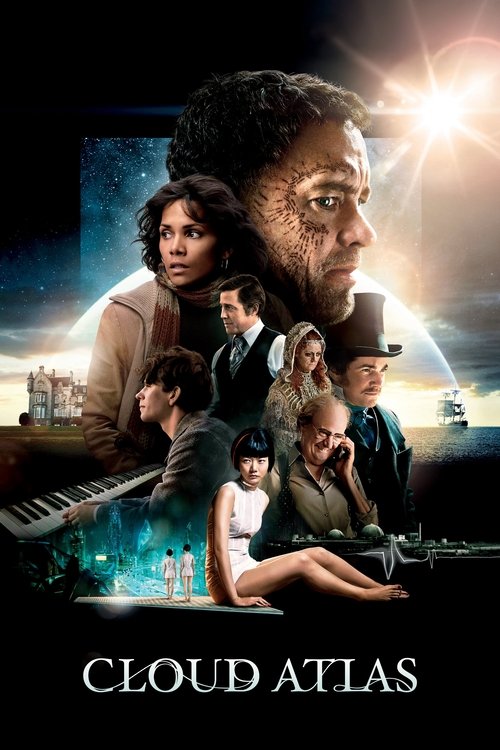
College students will be introduced to montage using this film instead of Battleship Potemkin in the future it’s that impressive.
When he and his friends first saw Sergei Eisenstein's revolutionary Soviet film "Battleship Potemkin," he claimed, they left the theater and immediately began tearing up the street stones to build barricades.
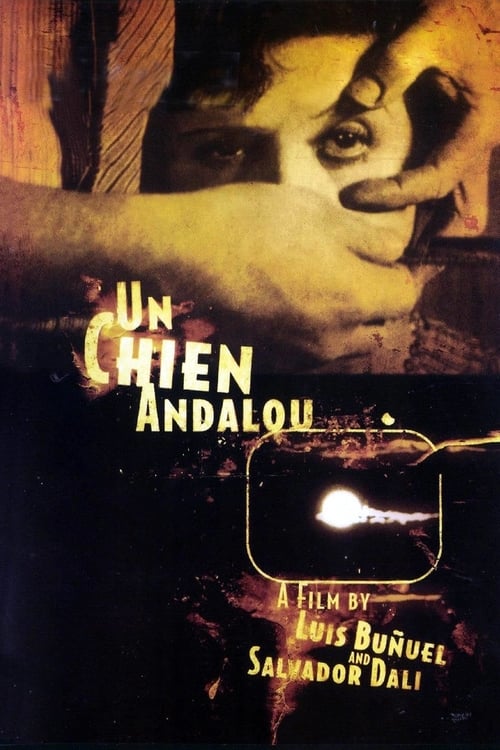
Potemkin inspired not only the surrealist shocks of Un Chien Andalou but the ballet mécanique of Metropolis .
Buñuel's fascination with Eisenstein's Battleship Potemkin (in which a woman's eye is savaged by a sabre) would explain Un Chien Andalou's razor-to-the-eye sequence.