

Independence Day: Resurgence (2016)
Directed by Roland Emmerich
We always knew they were coming back. Using recovered alien technology, the nations of Earth have collaborated on an immense defense program to protect the planet. But nothing can prepare us for the aliens’ advanced and unprecedented force. Only the ingenuity of a few brave men and women can bring our world back from the brink of extinction.
4 connections found
View:
4 films that influenced Independence Day: Resurgence
What critics say influenced Independence Day: Resurgence
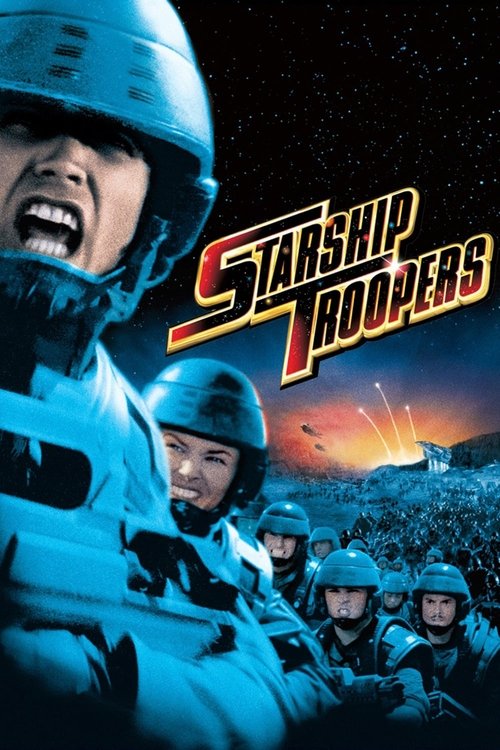


Los combates entre humanos y visitantes se suceden sin tregua, tanto por aire como en tierra, siguiendo los esquemas de la mucho más disfrutable e inteligente Starship Troopers (Paul Verhoeven, 1997) –los chistes introducidos en el guion de Carter Blanchard no se acercan, ni de lejos, a la negrísima sátira de aquella–.
The next year would see Paul Verhoeven do the ultimate 90s trick, making the beautifully ironic and sardonic Starship Troopers that both undermined the tropes of this destruction, made manifest the Nazi iconography, and questioned our thirst for watching shit blow up real good.
Given Emmerich’s tendency to borrow from other ’90s big-budget sci-fi movies—including an opening sequence in which Independence Day’s climactic speech makes its way through space, riffing on the beginning of Contact—one almost wishes that the movie would go full Starship Troopers with its premise.
La película asimilaba esas formas expresivas para revivir el viejo modelo del cine de invasiones alienígenas de los 50 en forma de levemente distanciada soflama patriótica: al año siguiente, Starship Troopers (1997) de Paul Verhoeven dejó en evidencia las limitaciones de Independence Day tanto en cuestiones de estilo como de sofisticación de discurso, pero, a pesar de todo, el tiempo no ha privado a esta última de seguir siendo la obra más redonda en la trayectoria de su creador.
Acaso lo más divertido en todo este caos es identificar el robo: Emmerich trata de robar a Starship Troopers, a Close Encounters, a San Andreas (!), a Armaggedon; además de una insistencia malsana por tratar de emular ciertos momentos y gags de Jurassic Park (el contador que no entiende nada y termina en medio del caos hasta el mítico espejo retrovisor con todo y bestia persiguiendo).
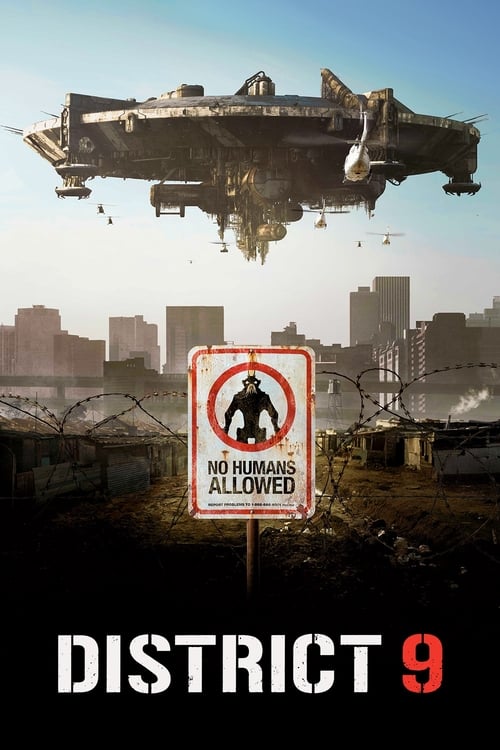
Anyway, some ominous crap happens, all of which suggests that the two decades between the two “Independence Day” movies was a lot more interesting than what happens in this misbegotten sequel (there’s a strong “District 9” vibe to how human civilization — and one African tribe in particular — has engaged with the aliens who were left stranded on our planet, but the film brushes right over it).
De hecho, si vemos la historia de las películas de invasión alienígena post-11 de septiembre, encontramos una tendencia hacia el realismo en Hollywood y otras partes del mundo: District 9 (2009) se enfocó en la realidad social de un encuentro con obreros extraviados de otra galaxia; Cloverfield (2008) utilizó el found footage para mostrar el impacto inmediato de una invasión Kaiju; Battle: Los Angeles (2011) se enfocó en el realismo de las maniobras militares urbanas; Monsters (2010) en la geopolítica cambiante de un mundo infestado… Y claro, hay también películas de desparpajo que recordaban otras épocas (Edge of Tomorrow, Transformers, Pacific Rim –aunque los invasores sean de otra dimensión– o War of the Worlds) pero la tendencia es clara: una cinta de acción palomera sin mucho sentido pero con un profundo corazón patriótico y entrañable como ID4, pertenece a otra época y a otras preocupaciones.

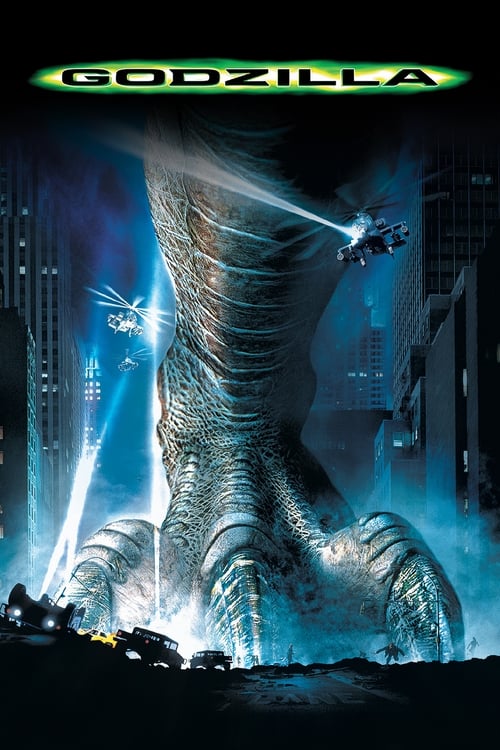
Hardly any of these narrative strands are consistently sustained or resolved, making afterthoughts of such players as Charlotte Gainsbourg (vying with recent “Godzilla” star Juliette Binoche for the title of Most Incongruous Thesp in a Multiplex Explosion-Fest) as an earnest psychiatrist and equivocal love interest for Goldblum, and Chinese singer-actress Angelababy, as an apparently renowned fighter pilot who nonetheless merits but a handful of non-onomatopoeic lines.
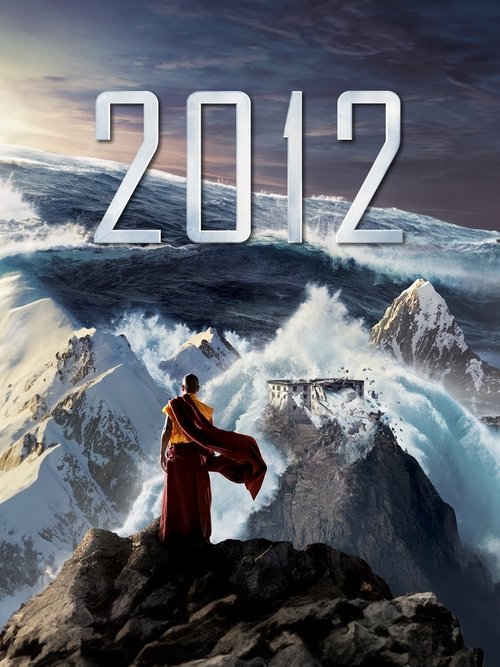
Si saltamos hasta 2016, no sólo Emmerich ha abandonado la senda spielbergiana –hay quien dirá que fue por el 11-S; está claro que el cisma se produjo entre Godzilla (1998) y El día del mañana (2004), sin que la intermedia El patriota (2000) sirva de escalón– para asumir un cinismo muy contemporáneo, donde sus protagonistas ya son bobas caricaturas sin mayor entidad que la de un leño que se tira a las llamas –véase, especialmente, 2012 (2009)–.
“Independence Day: Resurgence” is directed by Roland Emmerich, whose credits include the first “Independence Day,” “White House Down,” “10,000 BC,” and the 1998 “Godzilla.”
To this day, his destruction of the White House and the Empire State Building in Independence Day is the pinnacle of disaster cinema, a summit he tried to reach again and again with films like Godzilla, The Day After Tomorrow, and 2012.
Much of it will feel familiar, especially since Emmerich has already destroyed much of the world many times over—not only in the first Independence Day, but also in Godzilla (1998), The Day After Tomorrow (2004), and 2012 (2009)—and there are only so many visually interesting ways you can lay waste to major cities (the destruction of the London Bridge gives occasion for one of the film’s funnier self-aware comments, when Goldblum mutters, “They always go after the national landmarks”).
El director Roland Emmerich, junto con el productor y guionista Dean Devlin, parecen haber llevado al máximo extremo posible el slogan de su Godzilla de 1998: El tamaño sí importa.