
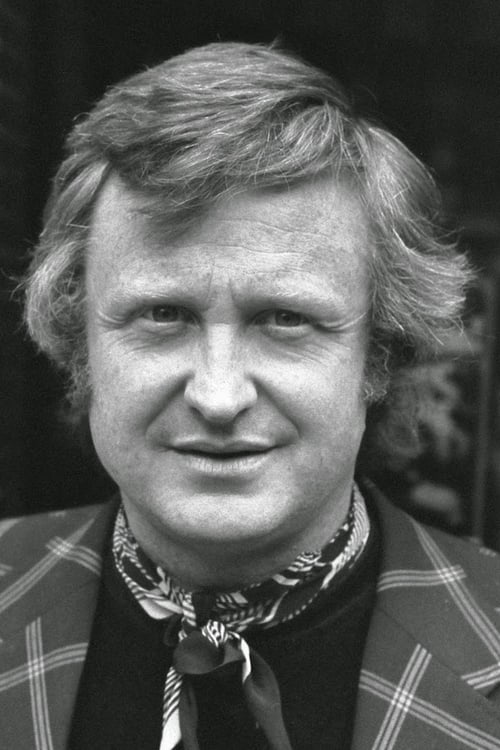
John Boorman
95 connections found



View:
Connections, in both directions
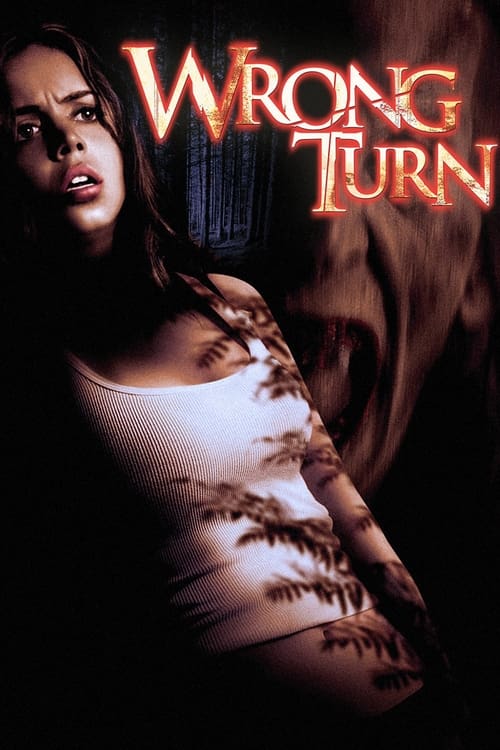


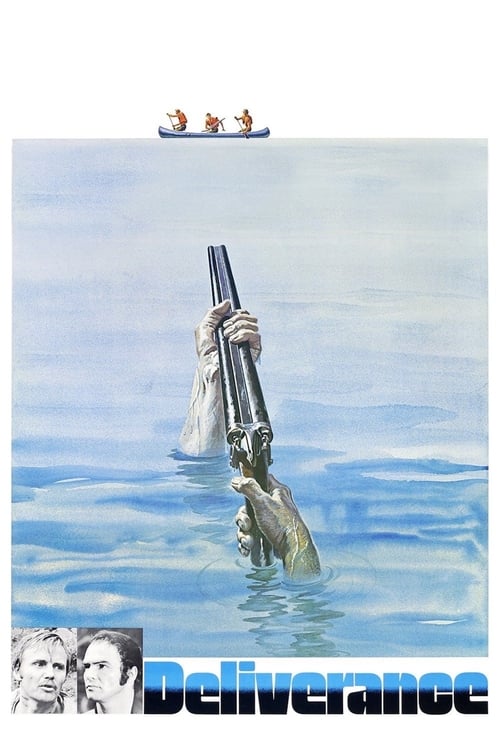
A movie about inbred redneck hillbillies should go in one of two directions: it should either be an exercise in cult-movie camp, or it should be a modern day version of Deliverance (whose title one character is foolish enough to invoke at a certain point).
Broad nods to “Deliverance” and to the original “The Texas Chainsaw Massacre” abound, but they just make the movie worse--there are no comparisons.
In his DVD commentary with Dushku and Harrington, Schmidt repeatedly insists that Wrong Turn has a seventies sensibility, and like the film itself (in which Jeremy Sisto's character rhetorically asks of his companions, "Haven't you seen Deliverance?"), the director acknowledges its sources.
It's just possible that McElroy thought that because he actually stuck in a dialogue reference to John Boorman's Deliverance that his script would both look less like a splatter-film rip-off of that movie and attain some weight by virtue of association.
The kids invoke Deliverance by name at one point, but in its stripped down narrative thrust and its level of sustained suspense, the film it most vividly recalls is Walter Hill�s masterful bayou thriller Southern Comfort.
There’s a needlessly blatant “Deliverance” reference which winks and nods to the audience too much.
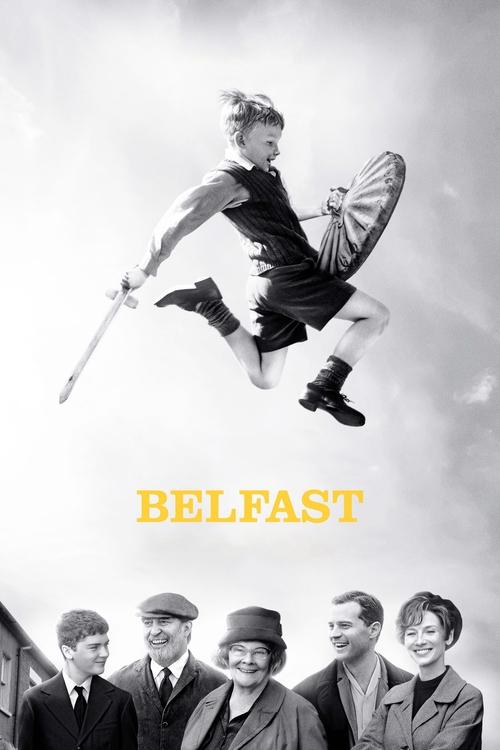
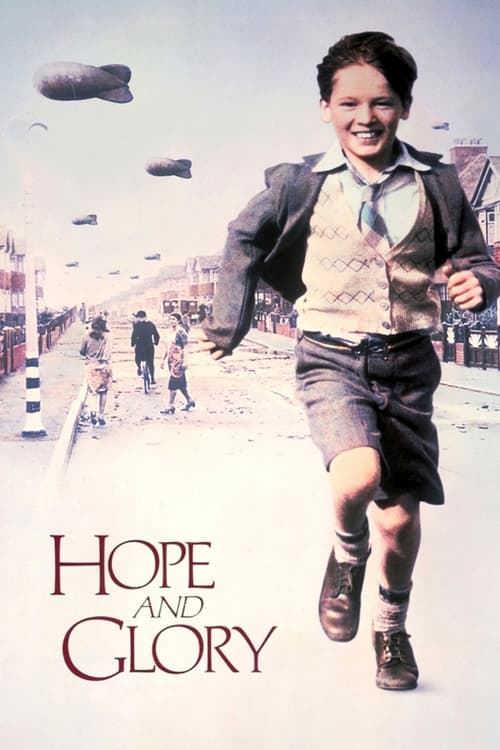
More serious is the inclination to underplay the menace of the time in favor of a generalized sense of uplift amid destruction; it doesn’t go as far in that lamentable direction as Roberto Benigni’s “Life Is Beautiful” did, but doesn’t quite find the sweet spot that John Boorman did in his autobiographical picture “Hope and Glory”—one of Branagh’s obvious inspirations.
You may recall similarly formative moviegoing scenes from John Boorman’s “Hope and Glory” or Terence Davies’ “The Long Day Closes,” with their early glimpses of a future steeped in the pictures.
Almost certainly inspired by John Boorman’s 1987 life-as-a-boy-during-WW2 memoir, Hope and Glory, Branagh seeks to center his story on the impressions of a child.
This is a child’s-eye view of serious adult problems, in the vein of Hope and Glory, John Boorman’s exuberant 1987 film memoir of being a kid in London during the Blitz.
I would guess that Branagh drew inspiration from John Boorman’s masterful 1987 film about his childhood during World War II, Hope and Glory .
For its part, Belfast dips high and low through the semi-autobiographical cinema canon, with perhaps its largest debt owed to John Boorman’s Second World War-era coming-of-age film Hope and Glory.
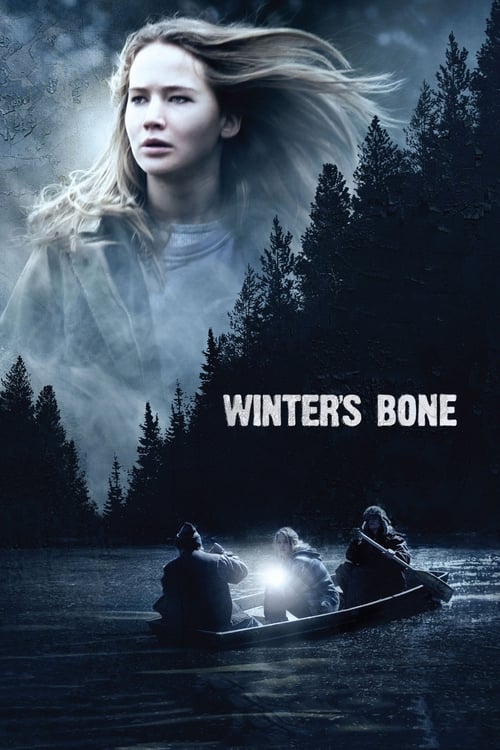
Because this Ozark world has so often been portrayed as an ingrown cabal of hillbillies with banjos straight out of "Deliverance," it takes a while to realize just how rigorously Granik has revamped that caricature.
Yes, these hillbillies can look clichéd, like frames lifted from Deliverance.
What “Winter’s Bone” doesn’t do is soften their edges with buffoonery (like Hillary Swank’s Missouri relatives in “Million Dollar Baby”) or try to make them unnecessarily villainous (pretty much every back wood nightmare film since “Deliverance”).
Although the banjo does make an appearance in a clever little nod to Deliverance, Granik and her film crew managed to chip away at the hill country stereotypes while adding some new visions to what we?ve seen before.
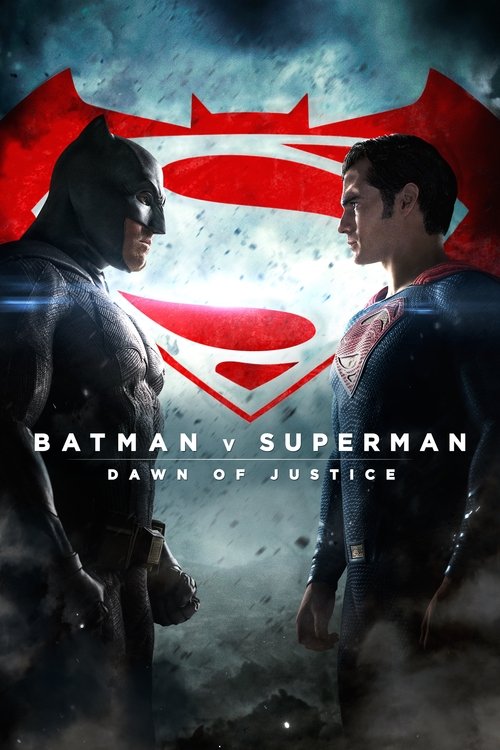
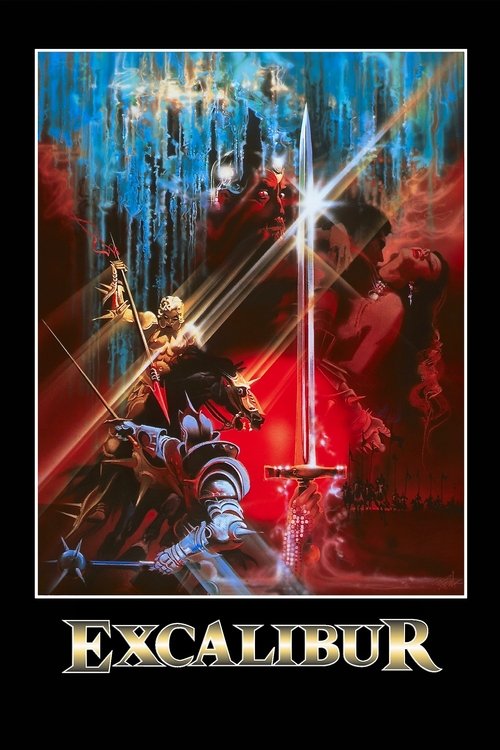
There are nice, smaller touches, too: A poster for John Boorman’s Excalibur in the opening scene finds a sly echo in the climax.
The story does take an epic, rangy perspective, as the long setup jumps from one far-flung locale to another to establish pockets of evil while also dramatizing Bruce Wayne's backstory, here conceived as seeing his parents gunned down in the street after emerging from a theater showing Excalibur.
Not only are these time-shifts audacious (movie marquees announce the 1940 The Mark of Zorro and the 1981 Excalibur — implying the evolution of history), but so is Snyder’s proposition about the nature of heroism and vengeance: Both stem from the way individuals react to and comprehend their experiences.
References to Copernicus, Nietzsche, Nabokov are topped by two homages: a recurring shot of a theater advertising John Boorman’s Arthurian riff, “Excalibur,” as backdrop to street crime, foreshadowing a gleaming sword fashioned from kryptonite that is haphazardly plunged into a wretched pool and later retrieved from it as if only to validate the allusion.
Besides another run-through of Bruce Wayne’s tragic backstory (including an odd nod to John Boorman’s Excalibur ), Dawn Of Justice strains to both set up a plausible conflict between the two superheroes, and shift pieces into place for future sequels and spin-offs.
We open on familiar ground with the young Bruce Wayne being orphaned yet again, this time in the shadow of a movie theatre pointedly playing Excalibur .
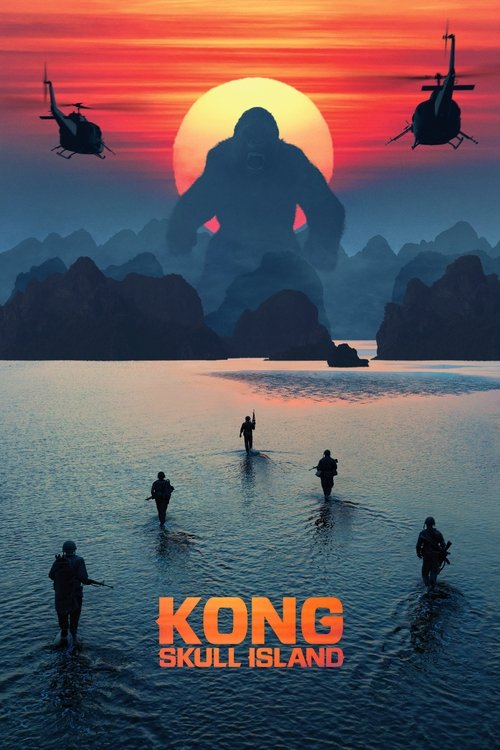
Kong: Skull Island (2017)
Directed by Jordan Vogt-Roberts
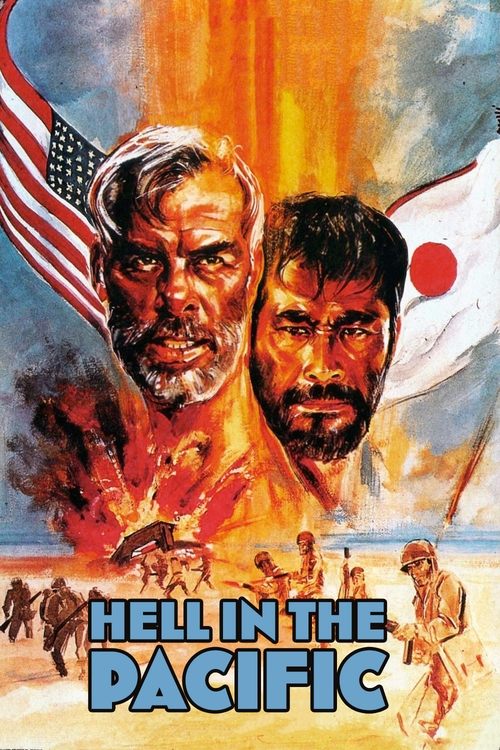
influenced by Hell in the Pacific (1968)
Plot
Once they land, they hunt one another in the jungle (it may be the first Tinseltown blockbuster to reference Lee Marvin and Toshiro Mifune’s Hell in the Pacific) until something appears to make them realize that their mano a mano battle is, in fact, small potatoes.
Coppola’s classic is his chief visual, if not tonal, touchstone (And it’s no coincidence we have characters called Conrad and Marlowe), but really the film is pulling from all kinds of Vietnam-era (And WWII – Hell in the Pacific gets a nod early on) media, giving us a cool soundtrack, some gnarly hardware and a crew of ass-in-the-grass grunts for the various beasties to chew on.
It opens with a Hell In The Pacific-style prelude set in 1944 and involving a Japanese officer and an American airman waging their own private war on the island before being interrupted by a gigantic creature with a huge furry paw.
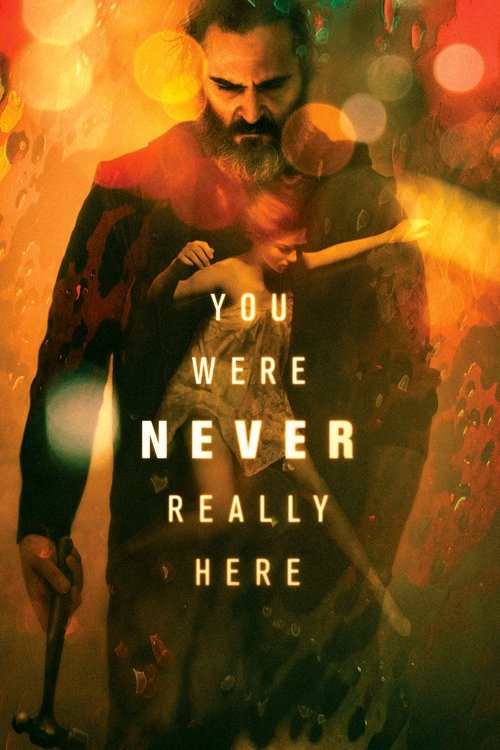
You Were Never Really Here (2017)
Directed by Lynne Ramsay
influenced by Point Blank (1967)
Visuals Themes Characters
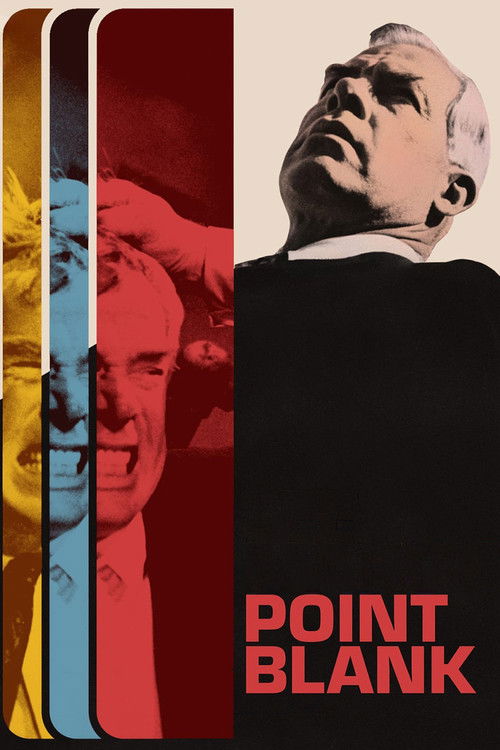
It’s a nerve-shredding, artsploitation action picture, with Ramsay mixing and matching elements of Martin Scorsese’s “Taxi Driver” and John Boorman’s “Point Blank” to create something audaciously all her own.
Aside from Taxi Driver, you might also be reminded of John Boorman’s Point Blank and Luc Besson’s Leon, or perhaps even the Taken films.
You Were Never Really Here is closer in tone to John Boorman’s Point Blank (in its fanatic momentum) or Martin Scorsese’s Taxi Driver (a near-maniac rescues a young girl).
He is also an implacable Walker, a hopped-up Lazarus like the undead protagonist of John Boorman’s Vietnam-era hired-gun hallucination “Point Blank” (1967).
Ramsay is riffing on a whole history of lean, mean, existential crime pictures: a little of the Lee Marvin man-on-a-mission art thriller Point Blank , a little of the nocturnal seductiveness of Drive , even a touch of Steven Soderbergh’s peerlessly cool L.A. revenge yarn The Limey .
The sounds of one scene spill into another, and there’s an efficient fluidity to the way Ramsay mingles Joe’s past with his current endeavors—shades of John Boorman’s Point Blank —but she never really explores Joe’s PTSD in any kind of fulfilling way.
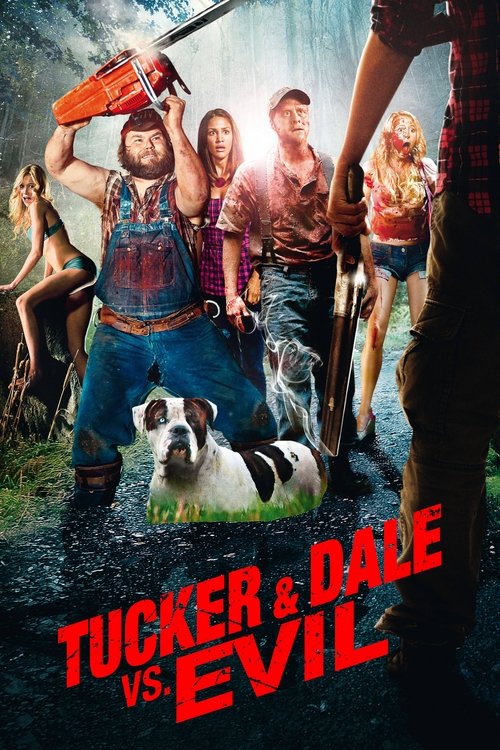
The titular hillbillies — shy, sweet Dale (Tyler Labine) and his best friend Tucker (Alan Tudyk) — are director/co-writer Eli Craig's genre-redemption project, peaceful rednecks hoping for some R&R who save a girl (Katrina Bowden) from drowning, only to have her jerky, classist friends assume a "Deliverance"-meets-"Texas Chainsaw Massacre" scenario and haplessly lay siege on the befuddled pair.
If your idea of a hillbilly is inspired by Deliverance, then <em>Tucker & Dale vs. Evil might make you rethink your banjo-picking prejudice (though it definitely tips its trucker cap to the traumatic river trip).
From Deliverance to the new Straw Dogs, elitist Hollywood hasn't shown rednecks any respect.
In a chance encounter direct from the Deliverance cliché file, while gassing up at a service station they coincide with a carload of airhead college students who misinterpret Dale's awkward friendliness as sure signs of rustic menace.
Scared senseless by campfire legends – and possibly one too many viewings of Deliverance, which Craig sends up nicely – the kids are superficial brats, reacting to a perceived threat where none exists.
When a bunch of college kids head off into Appalachia for a camping trip, everyone they meet along the way looks like leftovers from " Deliverance " -- or any of the dime-a-dozen horror flicks featuring inbred, slack-jawed, dead-eyed rednecks poised to turn into chain-saw-wielding cannibal-rapists at the strum of a banjo.

Lowery has cited Tarkovsky’s Andrei Rublev and Kenneth Branagh’s Henry V as inspirations; the film also hints at John Boorman’s Arthurian extravaganza Excalibur and Guillermo del Toro’s sylvan fantasy Pan’s Labyrinth.
Director John Boorman certainly did with his 1981 "Excalibur," which was a reprise of one of the old Camelot tales, featuring Arthur and Merlin and Morgan le Fay, as well as the Knights of the Round Table, the Lady of the Lake and so on.
Written and directed by David Lowery, this adaptation has its influences in everything from the original surviving text to elements of Sean Connery’s Sword of the Valiant and John Boorman’s Excalibur.
Even unassailable classics of the genre such as The Thief of Bagdad , Excalibur , and The Lord of the Rings feel unmistakably like features made in 1940, 1981, and the early 2000s, respectively.
Pitched between John Boorman’s extravagant Excalibur and Robert Bresson’s austere Lancelot du Lac, Lowery’s grungy and gloomy fantasy epic (in theaters July 30) has deconstruction on its mind, and those heady concerns ultimately enhance its beguiling intrigue and terror.
It’s Excalibur (1981) retold for adolescents, without the unsettling and aggressive acts of sexuality.
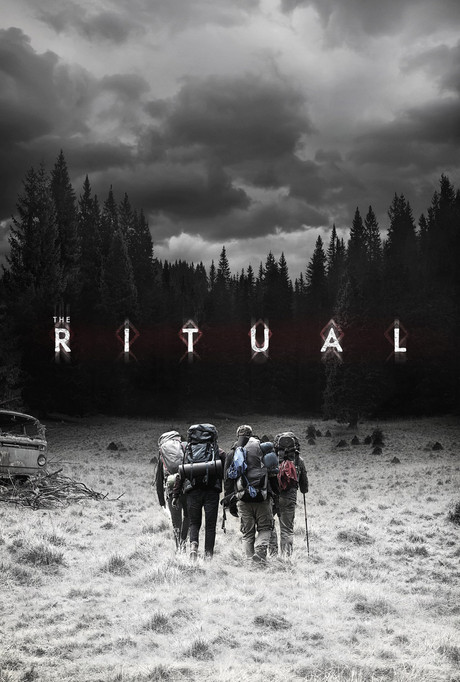
That’s all the more disappointing given that Bruckner is clearly inspired by one of the all-time great movies about masculinity, John Boorman’s Deliverance .
At first I thought— Deliverance (John Boorman, 1972), obviously.
Director David Bruckner’s survival horror-thriller “The Ritual,” written by Joe Barton and adapted from the novel by Adam Nevill, is “Deliverance” meets “The Blair Witch Project,” the tale of modern men confronting primeval, primitive terrors.
It’s like a supernatural version of Deliverance, in which four unsuspecting city boys get in over their heads with the barbarous natives but are threatened with impalement on tree branches instead of sodomization by hillbillies.
A nivel general el film nos propone una serie de combinaciones algo bizarras para cada fase de la narración, así tenemos una primera parte símil aventuras angustiosas en sintonía con Deliverance (1972) y El Proyecto Blair Witch ( The Blair Witch Project , 1999), un segundo capítulo que apuesta al acecho y las peleas cíclicas de trabajos como Diabólico ( The Evil Dead , 1981) y El Descenso ( The Descent , 2005) y finalmente un último acto en el que se da cita el lúgubre ritual del título, el cual le debe mucho a El Culto Siniestro ( The Wicker Man , 1973) y La Bruja ( The Witch: A New-England Folktale , 2015).
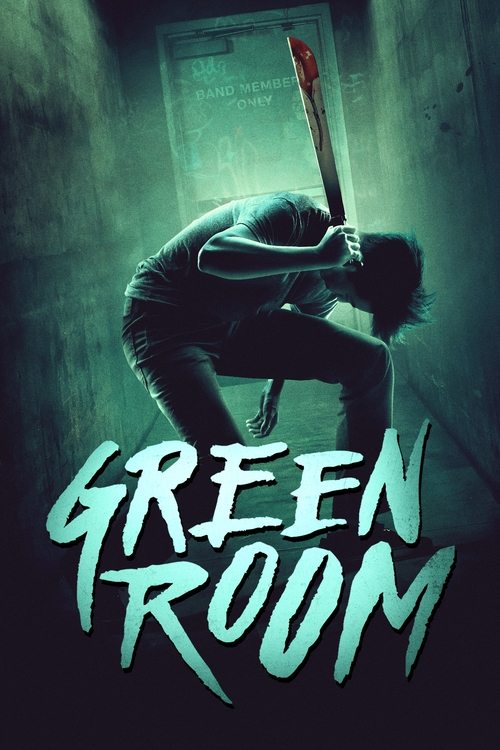
He has designed this film to pay homage both to splatter films and to the better, more complicated movies that he first experienced in youth, such as John Boorman’s emotionally harrowing Deliverance and Sam Peckinpah’s complex, seminal Straw Dogs.
And when the actors respond to that violence, they do so not with gritted-teeth steeliness, but the full pain and panic one might expect from any ordinary person caught in this situation; a scene involving some exposed meat and a sharpened machete brings to mind Deliverance , specifically the way John Boorman let a femoral fracture shatter every macho bone in a young Burt Reynolds’ body.
Before you can say River’s Edge meets Assault on Precinct 13 (via Deliverance ), dressing room doors are locked, unregistered firearms are drawn, red-laced troops are assembled, and the management are on the scene in the shape of Patrick Stewart’s sinisterly silver-tongued Darcy Banker.
"Green Room" is such a gonzo knockout of siege cinema — "Deliverance" meets "Assault on Precinct 13" — that you hope it finds an appreciative audience beyond horror lovers already itching to embrace it.
…have crafted a gleefully merciless update on Deliverance, except instead of city folk vs. hillbillies, it’s punk rockers vs. neo-Nazis, and it is one of the most brutal, visceral films to come along in quite some time.
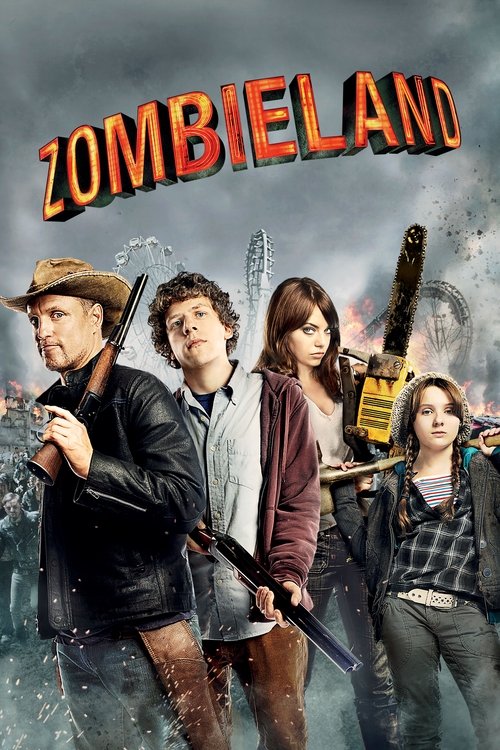
At its best, "Zombieland" features good one-liners (about Russell Crowe's Twinkie consumption, among other things), a terrific reference to "Deliverance" and a delightful cameo by Bill Murray, who plays himself.
There are witty references to Deliverance, Titanic, Ghostbusters,and Anaconda, as well as a better joke about Garfield than any joke in Garfield.
And there are a few welcome surprises — such as references to both "Deliverance" and "Ghost Busters," and the ending sequence set in an abandoned West Coast amusement park.
Cue the theme song to Deliverance and hand that man a crowbar.
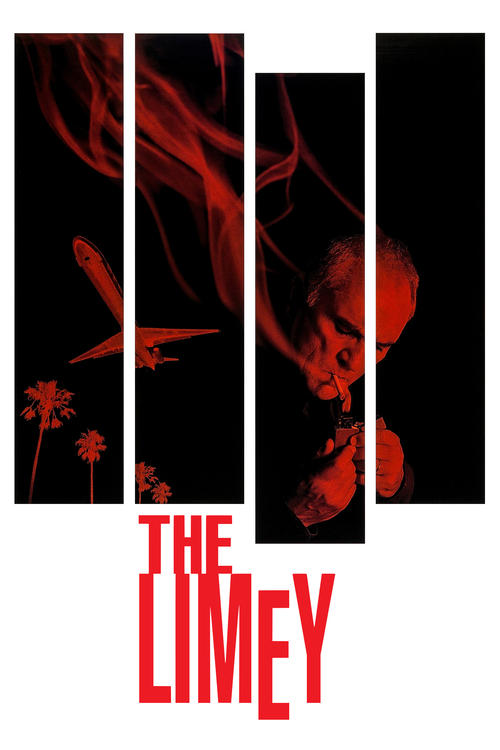
The film feels refracted through its protagonist's mind, with chronological logic blurred by a narrative free association that finds particular sounds, colors and images subconsciously intertwined (a technique Steven Soderbergh would ape in 1999's The Limey).
I only know for sure that this is a revenge type of film and that it plays much like many a classical Western, but is shot in the '60s style of "Point Blank," and is scripted by Lem Dobbs, most probably, for the entertainment value it provides.
Steven Soderbergh's The Limey, for example, is a wholehearted homage to such movies of the '60s as Point Blank and Petulia (with a nod to Sergio Leone's spaghetti Westerns as well).
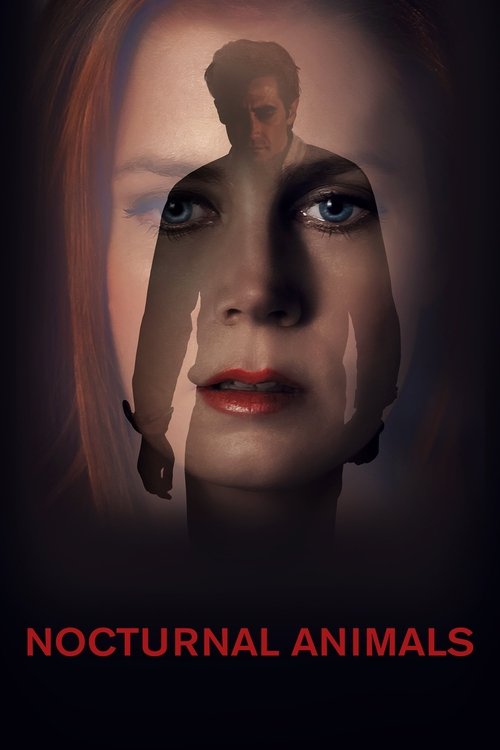
Nocturnal Animals (2016)
Directed by Tom Ford
influenced by Deliverance (1972)
Plot Characters Themes
Which is interesting, because his novel is such a hokey, basic cable-ready Deliverance plot that you almost wonder if it’s meant as a commentary on her terrible taste (poor Michael Shannon plays a great character trapped inside this meta-turd).
And in the pages of the book, she imagines Edward as its antagonist, Tony Hastings, a man whose equally red-headed wife (Isla Fisher) and daughter (Ellie Bamber) are taken from him in a road confrontation with West Texas deplorables straight out of “Breakdown” or “Deliverance.”
In a sequence that combines the horrors of Duel (1971) and Deliverance (1972), Tony and his family are victimized on the isolated rural highway by a car of leering rednecks—Ray (Aaron Taylor-Johnson), Lou (Karl Glusman), and Turk (Robert Aramayo)—who eventually cause their cars to bump into each other and force Tony off the road.
Aaron Taylor-Johnson lends a couple of new shadings to Deliverance menace.
The storytelling is both more refined and more brutishly personal, and the film strikes a balance between inscrutability and accessibility, between Lynch-ian art horror and Deliverance-like exploitation.
He and his wife (Isla Fisher) and daughter (Ellie Bamber) are driving in the scrubs of West Texas when a group of hillbillies, led by a psycho named Ray (Aaron Taylor-Johnson, playing the role as if someone told him about “Deliverance” but he never actually saw the movie), force them off the road.

The situation has echoes of Lee Marvin and Toshiro Mifune in John Boorman’s Hell in the Pacific (1969), but that quickly changes when a second Croatian, Cera (Filip Socagovic), comes “back to life.”
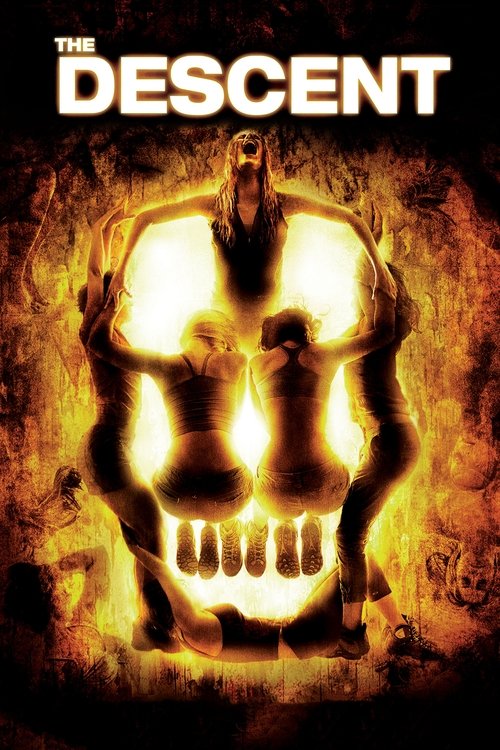
(Along with "Alien" and "The Blair Witch Project," the film has a definite "Deliverance" vibe.)
That general synopsis will probably sound like a very generic horror movie premise, and though director Neil ("Dog Soldiers") Marshall's influences are somewhat obvious, but veering more towards thrillers like "Deliverance" and "Alien" than out-and-out horror movies.
The trek into the wilderness to highlight their isolation, the discovery of the animal carcass to bring home the idea that these people of modernity are about to be reintroduced to their mortal animalism...every time-honoured and weather-beaten convention is paid proper obeisance by genre-loving Marshall, who has, in fact, name-checked Deliverance, Alien , and The Shining as prime inspirations/sources for this film, which is honest of him and mostly accurate.
And just as films like Deliverance explored the darkest corners of masculinity, so does The Descent deliver a sobering but intense treatise on female identity.
Its British writer-director Neil Marshall appeared at Lincoln Center's Film Comment Selects pre-release showing for a Q&A about his ?Deliverance goes underground.?
Much of the fun comes from seeing Marshall's clever little send ups to horror films of the past including Carrie, the Alien films, and even Deliverance.
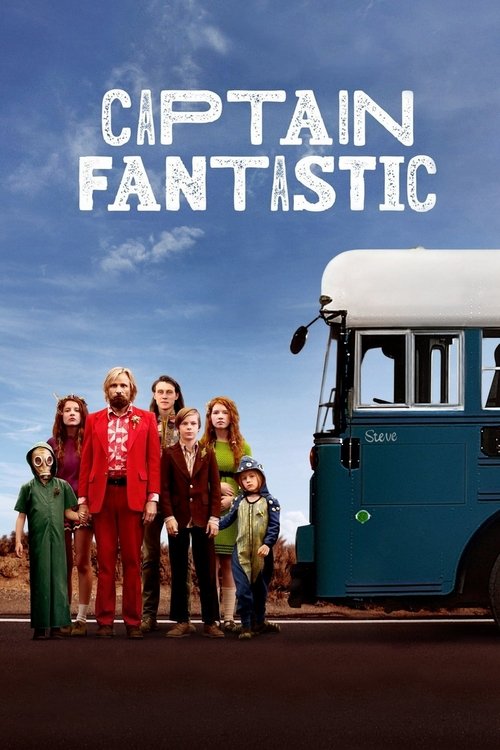
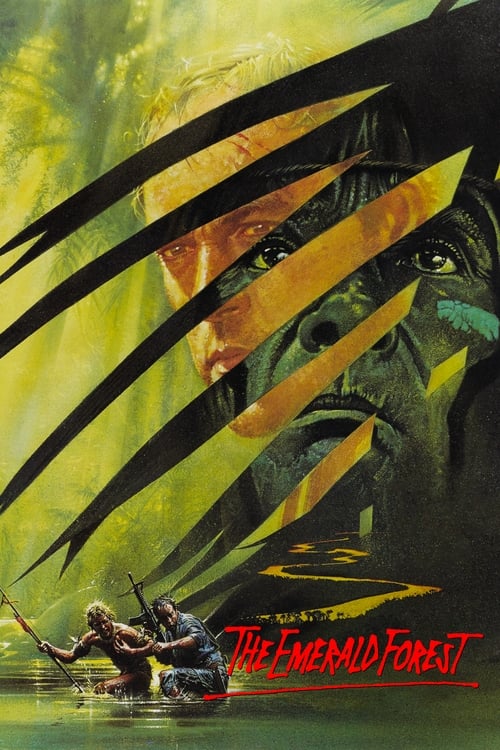
The film opens with a scene reminiscent of John Boorman's "The Emerald Forest."
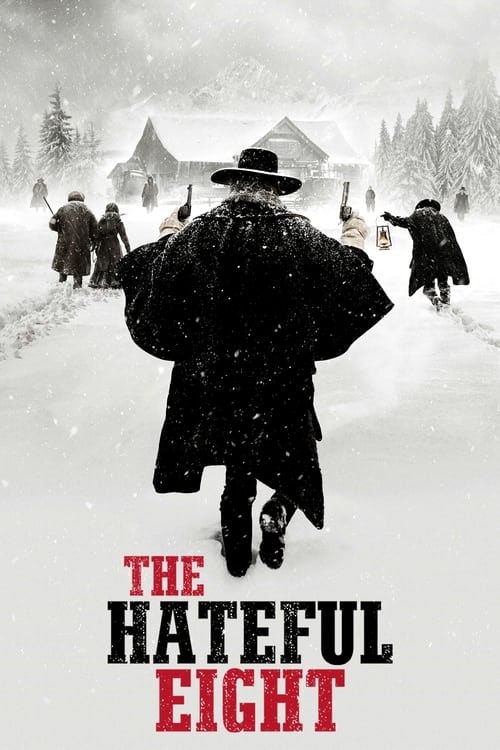
The Hateful Eight (2015)
Directed by Quentin Tarantino
influenced by Exorcist II: The Heretic (1977)
Music
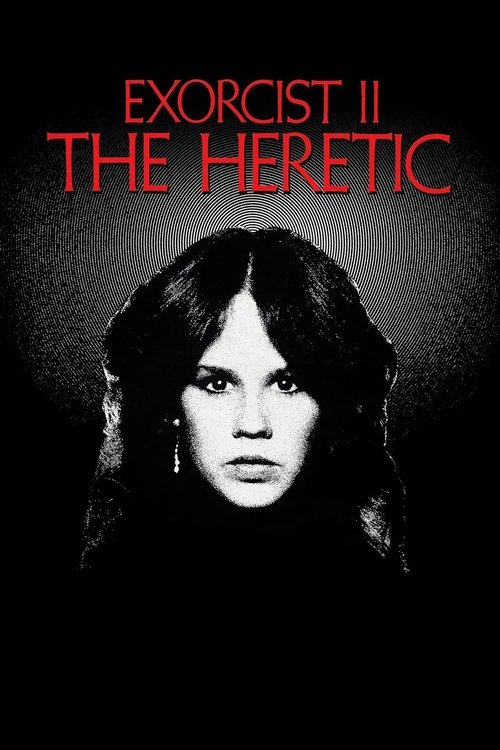
I thrill to the robust strains of Ennio Morricone’s first original Western score in over three decades (which also samples his themes from The Thing and Exorcist II: The Heretic).
Elsewhere, Morricone’s original score is augmented by cues he wrote for John Boorman’s frightful Exorcist II: The Heretic and John Carpenter’s underrated The Thing (a tauter Kurt Russell thriller about snowbound, paranoid claustrophobia), while actor-musician David Hess’s haunting ballad Now You’re All Alone is photocopied in from the soundtrack of Wes Craven’s infamous The Last House on the Left .
The soundtrack was partially recycled from bits of his score for John Carpenter's The Thing and 1977's Exorcist II: The Heretic, but it still works perfectly against Tarantino's Old West backdrop.
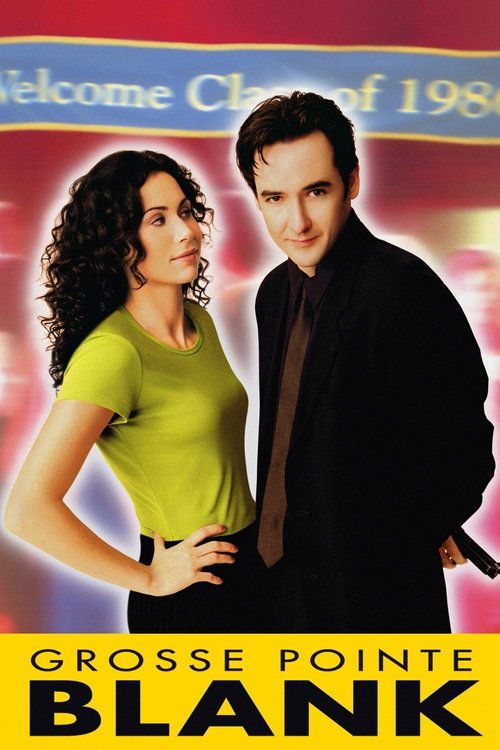
Grosse Pointe Blank (the title echoes John Boorman's 1967 hitman thriller Point Blank, but Lee Marvin didn't have Jeremy Piven as a high school buddy), directed at a trust-smart-viewers pace by George Armitage (Miami Blues), is buoyed aloft in its warped universe of as-seen-on-TV violence and late-Gen-X irony with an unusually keen-witted script by novice screenwriters Steve Pink, D.V. DeVincentis, Tom Jankiewicz, and John Cusack.
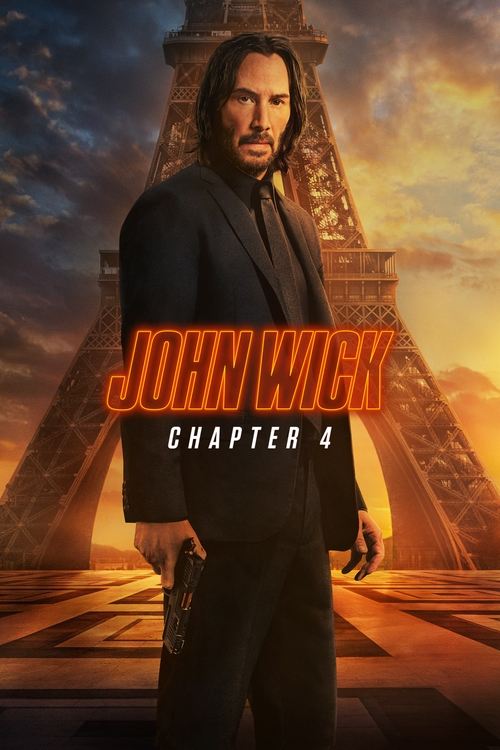
Wick’s a walker, or a Walker, to hark back to John Boorman’s seminal thriller, “Point Blank,” in which monosyllabic, dead-undead Lee Marvin’s character, Walker, dream-walks through 1967 Los Angeles night and bright daylight, sharp-suited, bullet-domed, in restless forward motion, looking to collect a debt from mobsters who have cheated him out of only a few tens of thousands of dollars.
The implacable hero mowing down henchmen to get to the one true villain was already a staple when Lee Marvin (as Walker) perfected it in John Boorman’s 1967 film Point Blank .
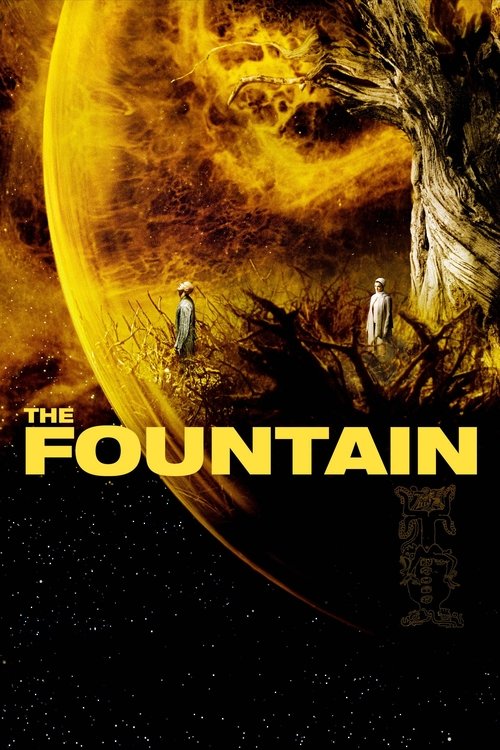
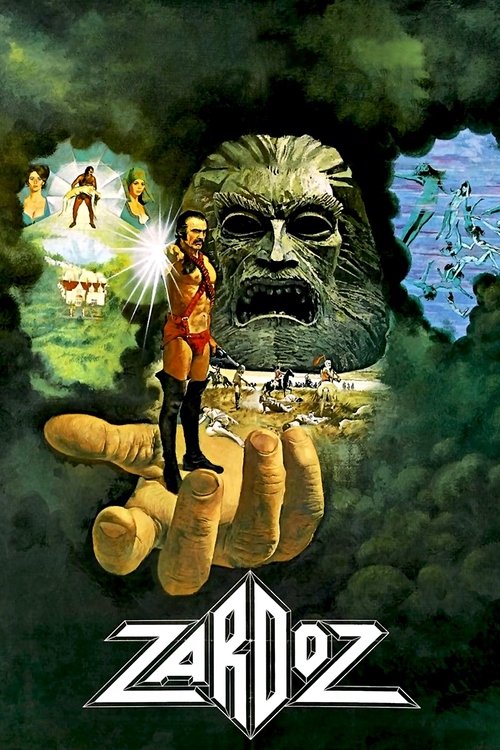
…since The Fountain‘s wide release recalls the days (roughly 1968-1975) when it wasn’t uncommon to find some pretty heady fare — like John Boorman’s Zardoz (1974) — booked into regular theaters.
But it may not transcend the world of cult sci-fi as with other slightly out-of-step oddities like John Boorman's Zardoz (1974), David Lynch's Dune (1984) and Tarkovsky's Stalker (1979).